
Main Courses
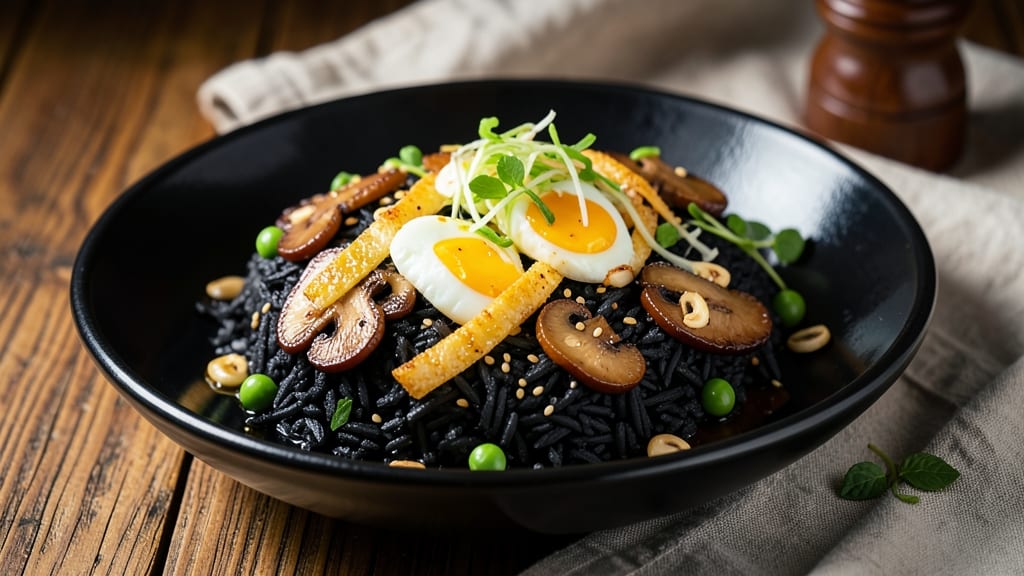
Black fried rice delivers that wok-hot, smoky aroma with perfectly crispy eggs and peas in every bite—this is the version that actually tastes like takeout. The secret lies in high-heat stir-frying and a few key techniques that transform day-old rice into restaurant-quality texture. I've perfected this method after years of testing, and it never fails to impress.
What makes this recipe work is the balance of crispy edges on the rice and tender, slightly charred vegetables, all coated in a savory-sweet sauce.
The black color comes from activated charcoal or squid ink (if you're feeling adventurous), but the real magic happens in the wok where you'll achieve that signature smoky aroma and perfect texture. Ready in just 20 minutes, this dish is foolproof for weeknight dinners or meal prep.
Ingredients for black fried rice
Day-old rice, crispy eggs, and smoky aromas—this is your takeout-style black fried rice shortcut.
| Ingredient | Amount | Notes |
|---|---|---|
| Day-Old Cooked White Rice 🍚 | 4 cups | Cold, preferably from previous day |
| Large Eggs 🥚 | 4 whole | Freshly beaten for crispy texture |
| Frozen Peas 🌱 | 1 cup | Thawed, no need to drain |
| Green Onions 🧅 | ½ cup | Sliced thin, white and green parts |
| Garlic Cloves 🧄 | 4 cloves | Minced finely for aromatic punch |
| Activated Charcoal Powder ⚫ | 1 tsp | Food-grade for black color |
| Soy Sauce 🍶 | 3 tbsp | Light or regular, not low-sodium |
| Oyster Sauce 🍜 | 1 tbsp | For umami depth (vegan alternative: mushroom sauce) |
| Sesame Oil 🌰 | 1 tsp | Toasted for nutty aroma |
| Vegetable Oil 🫒 | 2 tbsp | High smoke point for wok-frying |
| Salt 🧂 | ½ tsp | Kosher or sea salt |
| Black Pepper 🌶️ | ¼ tsp | Freshly ground for heat |
| Sugar 🍬 | 1 tsp | Balances savory flavors |
| Dried Shiitake Mushrooms 🍄 | 2 pieces | Rehydrated, sliced thin |
The rice is non-negotiable here—day-old works best because it's drier and absorbs flavors better. Trader Joe's sells pre-cooked rice in the freezer section if you're short on time, but honestly, leftover rice from last night's dinner is perfect. For the eggs, fresh is key—they should be at room temperature when you cook them for that signature crispy texture. The activated charcoal is the secret to the black color, and you can find it at Asian markets or online. If you're feeling adventurous, squid ink paste works too—just check your local specialty store or order online.
No soy sauce? Coconut aminos works in a pinch, though it'll be slightly less savory. Skip the oyster sauce? Mushroom sauce or extra soy sauce will give you that umami kick. The shiitake mushrooms add an earthy depth—if you can't find dried ones, fresh mushrooms work too, just slice them thin and sauté them first. For the peas, frozen is perfect (no need to thaw), but if you've got fresh, blanch them first to keep that bright green color. The garlic and green onions should be minced finely—they're the aromatic stars of this dish.
This dish reheats beautifully—just 30 seconds in the microwave or a quick stir in a hot pan. Keep leftovers in an airtight container for up to 3 days in the fridge, though it's honestly best fresh. For meal prep, I like to make a big batch and freeze portions—3 months in the freezer with no texture loss. The key to freezing is to spread the rice out on a tray first to cool completely before portioning into containers. Trust me, it's worth the extra minute.
Why You'll Love This Recipe
- One-Pan Magic: I swear by this recipe because it’s literally one pan, one spatula, and zero dishes left to scrub. The eggs sizzle into perfect ribbons while the rice soaks up all the garlic and soy—no flipping, no fuss, just pure satisfaction.
- Umami Bomb: That crispy black crust? Chef’s kiss. The day-old rice clings to the wok, caramelizing with the garlic and a splash of soy, while the peas add a bright pop. Honestly, the first bite makes me question why I ever bought takeout.
- Lunchbox Hero: Between us, this is my go-to for meal prep. Toss it in containers for work lunches—it reheats like a dream, and the green onions keep it fresh. My kids actually eat their veggies when they’re hidden in this, and that’s saying something.
- Pantry Staple: I make this when I’m broke, when I’m lazy, or when I’ve got company. Frozen peas? Check. Eggs? Always. Day-old rice? That’s just life. It’s the kind of dish that turns $5 worth of ingredients into something that feels like a restaurant meal. (Yes, even on a Tuesday night.)
Step-by-step instructions for black fried rice
Here's how to make restaurant-quality black fried rice with crispy eggs and perfectly balanced flavors.
Prepare the Shiitake Mushrooms and Green Onions
First, rehydrate the 2 pieces dried shiitake mushrooms by soaking them in warm water for 10-15 minutes until pliable. Drain well and slice them thinly—you want even strips that'll cook quickly in the wok. While they soak, slice the 0.5 cup green onions into ¼-inch pieces, separating the white and green parts. Set both aside for now.
I like to get all the prep done first so I can focus on the wok action. The mushrooms will add a deep umami flavor that pairs perfectly with the black color from the charcoal. Don't skip the rehydration step—dried shiitake needs this moisture to develop their full flavor.
Beat the Eggs and Mix the Seasoning Paste
Crack the 4 whole large eggs into a bowl and beat them vigorously with a fork until the yolks and whites are fully combined. In a small bowl, mix together the 3 tablespoons soy sauce, 1 tablespoon oyster sauce, 1 teaspoon sugar, 0.5 teaspoon salt, and 0.25 teaspoon black pepper to create your seasoning paste. This balanced mix is what makes the dish sing.
Here's the thing—don't overbeat the eggs or they'll become frothy. You want them just combined, not aerated. The seasoning paste should be smooth and well-mixed, with no visible sugar crystals. I always taste a tiny bit at this stage to check the seasoning balance before it hits the wok.
Create the Charcoal Mixture for Black Color
In a small bowl, combine the 1 teaspoon activated charcoal powder with 1 teaspoon sesame oil. This mixture will give your fried rice that signature black color while adding a subtle earthy note. Set it aside—you'll add this just before combining everything at the end.
The charcoal needs to be food-grade and finely powdered for even distribution. I like to sift it through a fine-mesh sieve to break up any clumps. This ensures every bite of rice gets that beautiful black hue without any gritty texture. Don't worry if it looks like too much—it'll blend right in.
Wok-Fry the Eggs and Aromatics
Heat a wok or large skillet over high heat until it's smoking hot. Add the 2 tablespoons vegetable oil and swirl to coat. Pour in the beaten eggs and let them cook undisturbed for 10-15 seconds until they start to set at the edges. Then gently push the eggs to one side of the wok and add the 4 cloves minced garlic to the empty space.
Cook the garlic for 10 seconds until fragrant—you'll smell that wonderful aroma. Then quickly scramble the eggs with a spatula, breaking them into small, crispy pieces. Remove the eggs to a plate and set aside. This high-heat technique creates those perfect crispy egg bits that are essential for authentic fried rice.
Cook the Rice and Combine All Ingredients
In the same wok, add the 4 cups day-old cooked white rice and spread it evenly. Let it cook undisturbed for 1-2 minutes until the rice starts to sizzle and turn slightly golden. Add the 1 cup frozen peas and white parts of green onions, stirring to combine. Cook for another 1-2 minutes until the peas are thawed and heated through.
Now add the seasoning paste and stir vigorously for 30 seconds to coat the rice evenly. Return the crispy eggs to the wok along with the rehydrated shiitake mushrooms and green parts of green onions. Stir-fry for another 1-2 minutes until everything is heated through and the rice is evenly coated with sauce. Finally, add the charcoal mixture and toss everything together for 30 seconds to distribute the black color evenly.
Finish with Sesame Oil and Serve Immediately
Drizzle the fried rice with the remaining 1 teaspoon sesame oil and toss one final time to coat everything evenly. Taste and adjust seasoning if needed—you might need a touch more soy sauce for saltiness or a pinch of sugar to balance flavors. Transfer to serving plates immediately while it's still sizzling hot.
This dish is all about that wok-hei—those smoky, slightly charred flavors. Serve it right away while the rice is still crispy at the edges and the eggs maintain their perfect texture. The black color should be evenly distributed throughout, with crispy egg bits peeking out in every bite.
Pro Tips For Making Black Fried Rice
- SHATTER THE RICE CLUMPS: Break up your day-old rice with your hands first—no fork—then spread it thin in the pan. I used to skip this and ended up with gluey rice that turned to mush. A hot wok or skillet on high heat will dry it out fast, but only if it’s loose.
- FREEZE THEN THAW PEAS: Dump frozen peas straight from the freezer into the pan—they’ll thaw fast and stay bright green. I was skeptical until I tried it; now I never use thawed peas. They’ll also release moisture, helping the rice crisp up.
- SCRAMBLE EGGS SEPARATELY: Cook the eggs in a clean part of the pan first, then push them to one side before adding the rice. This keeps them tender and prevents them from turning rubbery when the rice fries. (Yes, it’s an extra step, but it’s worth it.)
- USE GARLIC BUTTER: Melt a pat of butter with minced garlic instead of oil—it adds richness and prevents the rice from sticking. I learned this after burning rice to the pan too many times. Just a teaspoon of butter makes a real difference.
Pro cooking tips for this dish
Wok Hei Mastery
That signature wok-hei—smoky, charred aroma—comes from high, consistent heat in your pan. I use a carbon steel wok (like Mauviel) because it retains heat better than stainless steel. Preheat your wok over high heat for 3-5 minutes until it's smoking before adding oil.
If you don't have a wok, a heavy-bottomed cast iron skillet works too—just make sure it's ripped hot before cooking. 🔥
Egg Texture Secrets
For those perfect crispy egg bits, room temperature eggs are non-negotiable—they cook more evenly. I crack them into a bowl first and beat them just until combined (no froth!). When cooking, let them sit undisturbed for 10-15 seconds before scrambling—the longer they cook in one spot, the crispier the edges.
Pro tip: Use fresh eggs—older eggs have thinner whites that won't hold their shape as well.
Rice Prep Matters
Day-old rice is crucial—it's drier and absorbs flavors better than fresh rice. If you're short on time, spread freshly cooked rice on a tray and refrigerate for 1 hour to dry it out.
Break up any clumps before adding to the wok, and never rinse cooked rice—this removes the starch that helps create that perfect crispy texture. I like to use jasmine rice because it holds up better to stir-frying.
Charcoal Distribution
The charcoal mixture should be added last to ensure even distribution. I sift the activated charcoal through a fine-mesh sieve to avoid clumps, then mix it with sesame oil before tossing. Stir vigorously for 30 seconds to coat every grain—this prevents dark splotches and ensures that beautiful uniform black color.
If your rice looks unevenly colored, it's usually from not stirring enough at this final step. ⚡
Timing is Everything
This dish should take no longer than 10 minutes from start to finish—overcooking turns the rice mushy. Work quickly after adding the rice to the wok: 1-2 minutes to crisp the edges, then 30 seconds for peas, 1 minute for sauce, and 30 seconds for the final toss.
I set a timer on my phone as a reminder—once the rice hits the wok, the clock starts ticking! 🏃♂️
Equipment Upgrades
While you can make this with basic tools, a few upgrades make a big difference. A thermometer (like ThermoWorks Thermapen) helps monitor wok temperature—ideal range is 450-500°F. A fish spatula gives you better control when tossing ingredients, and a fine-mesh sieve ensures smooth charcoal distribution.
If you're serious about wok cooking, invest in a wok brush to keep your pan clean and maintain its seasoning. 💡
Nutrition facts
Frequently asked questions
Why does my black fried rice turn out gray instead of black?
The charcoal needs proper distribution and timing. Add the charcoal mixture last and stir vigorously for 30 seconds to ensure even coating. Also, make sure you're using food-grade activated charcoal—some cheaper brands have larger particles that don't dissolve evenly. Sift it first for best results.
Can I make black fried rice with fresh rice instead of day-old?
Fresh rice is too moist and will turn mushy when stir-fried. If you must use fresh rice, spread it on a tray and refrigerate for 1 hour to dry it out first. The key is dry, cold rice that absorbs flavors without steaming. Jasmine rice works best for this technique.
What's the best protein substitute for eggs in this recipe?
For a meat option, use diced chicken breast or shrimp—cook them separately until fully done before adding to the rice. For vegetarian, try crispy tofu or chickpeas. The protein should be pre-cooked and cut into small, even pieces to mimic the texture of crispy egg bits.
How do I prevent my fried rice from becoming soggy?
Keep the wok at high heat the entire time and avoid overcrowding. Cook in batches if needed, and use high-smoke-point oil like vegetable or peanut oil. Also, don't add too much sauce—just enough to coat the rice lightly. The residual heat from the wok will keep it crispy for 10-15 minutes after cooking.
Can I make this recipe in a regular pan instead of a wok?
Yes! Use a large, heavy-bottomed skillet (like cast iron) and maintain high heat. The key is to keep the pan hot and stir frequently to create those crispy edges. A wok gives better heat distribution, but a good skillet can still achieve great results with proper technique.