

Why this site exists
You’ve got a pot of rice on the stove, the water’s boiling, and the recipe you found online says ‘simmer for 20 minutes.’ But your rice is still crunchy, or worse, a sticky mess.
The instructions skip the part about how much water to use, or why the grain size matters, or how to tell when it’s *really* done. No photo matches the texture you’re getting.
This site exists to fix that. Every recipe here is tested for the exact balance of steam, heat, and time that works in a home kitchen—not a lab. The steps are written for the way you actually cook, not the way someone else *wishes* you would.
Who writes this site

Jamal Dellinger writes this site. They test every recipe twice—once for themselves, once for someone who’s never cooked rice before.
Do you test recipes with actual people?
Yes. Mostly my cousins, who are terrible at following instructions but great at spotting when rice turns out wrong. If they can’t get it right, neither can you.
What’s the most common mistake you see in recipes?
Assuming everyone’s pot holds the same amount of water. Or that ‘simmer’ means the same thing to everyone. I’ve ruined three rice cookers trying to prove it.
Why isn’t my favorite dish here?
If it’s a family recipe with no notes on steam or timing, it’s not tested. If it’s something I haven’t tried yet, it’s not ready. And if it’s a dish that only works in a restaurant kitchen? I’ll pass.
They keep a notebook by the stove where they scribble down every time the rice sticks, burns, or turns out perfect by accident. The good notes get recipes. The bad ones get thrown out.
How a recipe is built
It starts with the rice—what kind, how old, whether it’s been pre-soaked. Then the pot: its size, its material, whether it’s nonstick or not. The water ratio isn’t guessed. It’s measured by weight, then adjusted by feel.
The first test
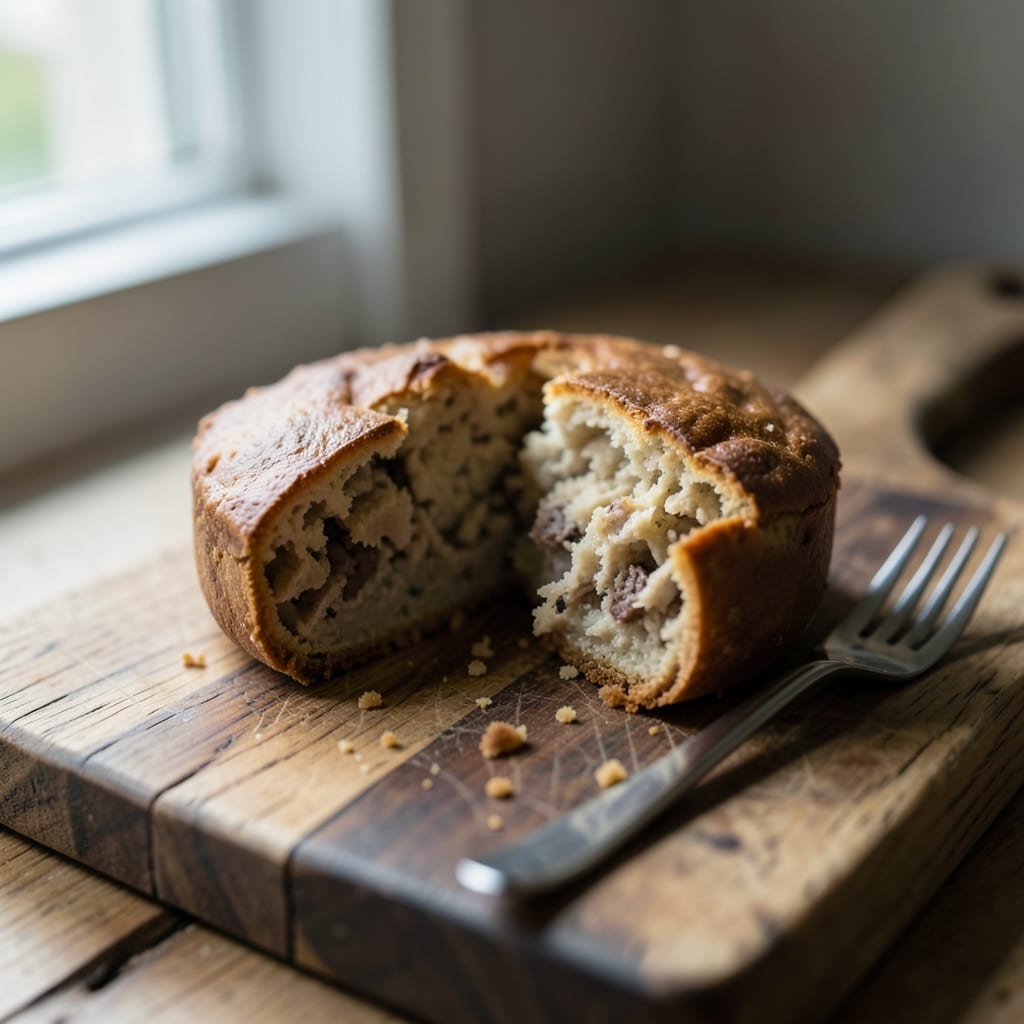
The rice goes in the pot with twice the water by weight. The heat is set to medium-high, and the lid is on tight. Every minute, the pot is checked for bubbles—too many means it’s boiling, not steaming. The timer starts when the bubbles slow to a gentle rise.
At 12 minutes, a grain is tasted. If it’s still hard, the lid stays on. If it’s mushy, the heat is turned off immediately. The fix isn’t more time. It’s the right time.
The second test
The recipe is given to someone who’s never cooked rice before. They’re told to follow the steps exactly—but only the steps that matter. The water ratio, the heat setting, the ‘don’t peek’ rule. If they mess it up, the notes are rewritten.
The goal isn’t perfection. It’s consistency. A recipe here should work whether you’re using a heavy-bottomed pot or a cheap one, a gas stove or electric.
What we will not do
We won’t publish a recipe that hasn’t been tested twice. We won’t use photos that don’t match the final dish. We won’t write instructions that assume you know what ‘al dente’ means for rice. And we won’t pretend a dish is ‘easy’ if it isn’t.
Things you will never find here
- Recipes that say ‘simmer until done’ without a timer.
- Photos of restaurant-quality rice made in a home kitchen.
- Instructions that skip the ‘why’ behind a step.
- Dishes that require specialty equipment you don’t own.
Where to start
If you’re new, start with the ‘Steam Basics’ guide. It explains why rice ratios matter and how to fix common mistakes. If you’re looking for a specific dish, search by grain type—jasmine needs less water than basmati, and Arborio isn’t the same as short-grain.
If you can’t find what you’re after, check the ‘Missing Recipes’ page. We might not have it yet.
Say hello
We like hearing about the rice disasters—burnt bottoms, forgotten pots, the time someone tried to cook it in a pressure cooker by accident. If you’ve got a question or a recipe to share, the contact page is the place to go.
The recipes are grouped by category: Appetizers, Beverages, Breakfast & Brunch, Desserts, Main Courses and Reviews.