
Main Courses
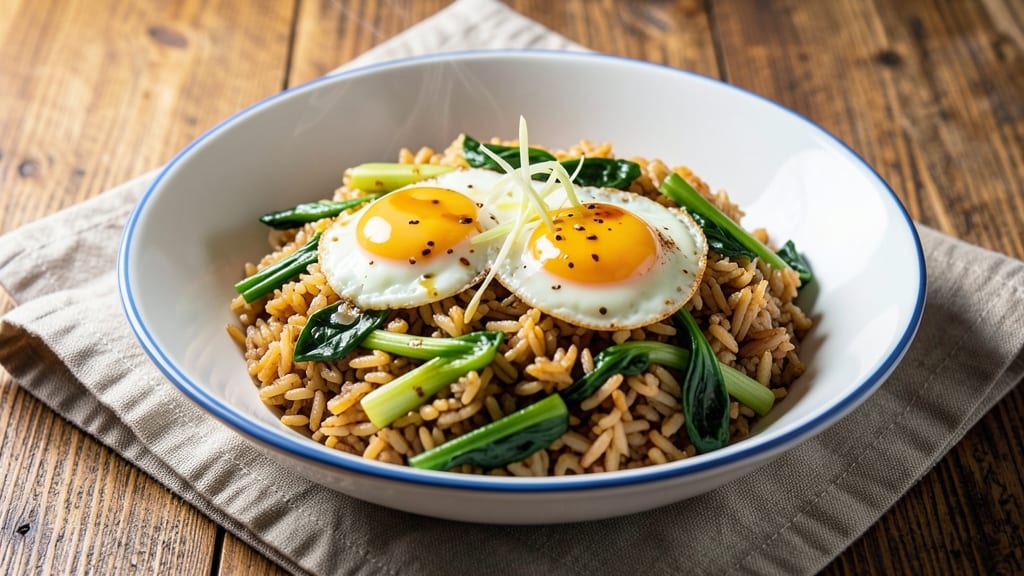
This bok choy fried rice recipe delivers crispy, savory bites packed with fresh greens and fluffy eggs in just 20 minutes. The secret lies in high-heat wok tossing, where tender bok choy stems and bright leaves transform into vibrant, slightly charred pieces—balanced by perfectly scrambled eggs and day-old rice.
I developed this version after realizing how often bok choy gets overlooked in stir-fries, and it’s become a go-to for quick, nutrient-packed meals.
The dish combines classic fried rice technique with a modern twist: bok choy’s mild, slightly bitter notes cut through the richness of eggs and soy sauce, creating a harmonious bite. The key is prepping ingredients efficiently—thinly slicing bok choy and having everything ready before hitting the wok.
This isn’t just a side; it’s a complete, protein-rich dish that satisfies with every forkful.
Ingredients for bok choy fried rice
Twelve ingredients transform into a vibrant, protein-rich fried rice masterpiece in minutes.
| Ingredient | Amount | Notes |
|---|---|---|
| Day-Old Cooked White Rice 🍚 | 4 cups | Cold or room temperature preferred |
| Bok Choy 🥬 | 2 whole | Baby or regular, stems separated |
| Large Eggs 🥚 | 4 whole | Freshly beaten for fluffiness |
| Vegetable Oil 🫒 | ½ cup | High smoke point for wok |
| Low-Sodium Soy Sauce 🍶 | 3 tbsp | Kikkoman preferred for balance |
| Sesame Oil 🌿 | 1 tbsp | Toasted for authentic aroma |
| Garlic Cloves 🧄 | 4 cloves | Minced for aromatic base |
| Fresh Ginger 🌿 | 1 tbsp | Grated, for bright zing |
| Scallions 🧅 | 3 whole | Thinly sliced, white and green |
| Diamond Crystal Kosher Salt 🧂 | ½ tsp | Adjust to taste |
| Black Pepper 🌶️ | ¼ tsp | Freshly cracked for heat |
| Green Onions 🧅 | 2 whole | Substitute for scallions |
| Sesame Seeds 🌾 | 1 tsp | Toasted for garnish |
The bok choy is the star—baby bok choy holds its shape better than mature heads, but either works. Separate stems from leaves before cooking; stems take longer to soften. For the best texture, look for bright green leaves with crisp stems at your local Whole Foods or Asian markets—they often carry fresher cuts. If using regular bok choy, halve it lengthwise for even cooking. Prep everything before heating the wok—this dish moves fast, and you don’t want soggy greens. The day-old rice is non-negotiable; fresh rice turns mushy when stir-fried.
No sesame oil? Toasted peanut oil works in a pinch, though the flavor will differ. Short on garlic? Asafoetida powder (hing) at half the amount delivers a similar depth without overpowering. The soy sauce can be swapped for tamari for gluten-free, but reduce to 2 tbsp—it’s more concentrated. Pre-minced garlic from jars lacks freshness, so chop your own if possible. For extra protein, add crumbled tofu or chopped mushrooms—they soak up the sauce beautifully. Diamond Crystal kosher salt measures differently than table salt; if using table salt, reduce to ¼ tsp to avoid over-salting. The scallions can be replaced with green onions, but the white parts add essential sweetness.
Store prepped bok choy stems and leaves separately in airtight containers for up to 2 days—they keep best when dry. Cooked rice stays fresh for 4 days in the fridge, but for best texture, use within 2 days. This dish reheats beautifully—microwave for 1 minute with a splash of water to restore crispness. For meal prep, assemble without eggs, store components separately, and scramble eggs fresh when ready to eat. Sesame seeds lose potency quickly; store them in the freezer to preserve their nutty flavor for up to 6 months.
Why You'll Love This Recipe
- No-Chop Needed: I swear by this trick—just tear the bok choy into rough pieces, no knife skills required. The stems get tender and sweet while the leaves stay crisp, and honestly? That’s the magic.
- Umami Bomb: That low-sodium soy sauce packs a punch without overpowering, especially when you stir-fry the eggs first for that creamy, slightly runny yolk. The bok choy soaks it up like a sponge—salty, savory, and ridiculously satisfying.
- Lunchbox Hero: Between us, this is my go-to for packed lunches. Toss it in a container, and it reheats like a dream—no soggy rice, just that perfect texture. My kids (and my husband) fight over who gets the leftovers.
- Pantry Staple Power: Five ingredients, all things you probably already have. Day-old rice? Use it. Bok choy wilting in the crisper? Save it. Eggs on sale? Buy extra. It’s the kind of meal that turns grocery money into dinner without breaking the bank.
Step-by-step instructions for wok-tossed bok choy fried rice
Master this technique and you'll achieve restaurant-quality fried rice with perfectly cooked eggs and vibrant bok choy.
Prep Ingredients for Maximum Flavor
Start by separating the stems from the leaves in the 2 whole bok choy. Thinly slice the stems into ¼-inch pieces and chop the leaves into ½-inch ribbons. This separation ensures even cooking—stems need more time than delicate leaves.
Mince the 4 cloves garlic cloves and grate the 1 tablespoon fresh ginger using a microplane. Thinly slice the 3 whole scallions and 2 whole green onions, keeping the white and green parts separate. The ginger and garlic will form the aromatic base, while the scallions and green onions add freshness at the end.
Beat the 4 whole large eggs together in a bowl until the yolks and whites are fully combined. This ensures fluffy, cloud-like eggs that won't overcook during the stir-fry. Keep all prepped ingredients within easy reach of your wok station.
Create the Aromatic Oil Base
Heat a wok over high heat until it's smoking, then add the ½ cup vegetable oil. Swirl to coat the wok evenly. Add the minced garlic and grated ginger, stirring constantly for 30 seconds until fragrant but not browned—this prevents bitterness.
Immediately add the sliced bok choy stems and stir-fry for 1-2 minutes until they begin to soften. The high heat will blister the edges slightly, creating depth of flavor. Push the stems to one side of the wok and add the 3 tablespoons low-sodium soy sauce and ½ teaspoon kosher salt.
Let the sauce reduce by half before adding the bok choy leaves. Stir-fry for another 1 minute until the leaves just wilt. Remove the bok choy to a plate and set aside—it will continue cooking with the rice.
Cook the Eggs and Combine with Rice
Add the 4 cups day-old cooked white rice to the wok, spreading it evenly. Stir-fry for 1-2 minutes until the rice is hot and begins to sizzle. The goal is to reactivate the starches without letting the rice dry out.
Push the rice to one side of the wok and pour in the beaten eggs. Let them cook undisturbed for 10-15 seconds until they begin to set but are still slightly runny in the center. This creates that signature silky, custard-like texture.
Quickly scramble the eggs with a spatula, then combine everything in the wok. Add the 1 tablespoon sesame oil and ¼ teaspoon black pepper, tossing vigorously for 2-3 minutes until the rice is evenly coated and slightly crispy in spots.
Finish with Fresh Herbs and Garnish
Return the bok choy to the wok and toss everything together for 30-60 seconds until heated through. The bok choy should be bright green and slightly wilted, not mushy. Taste and adjust seasoning with additional soy sauce if needed.
Turn off the heat and stir in the sliced scallions and green onions. Sprinkle with the 1 teaspoon sesame seeds and serve immediately. The contrast of crispy rice, silky eggs, and tender bok choy makes this dish truly exceptional.
Pro Tips For Making Bok Choy Fried Rice
- STIR-FRY BOILING HOT: High heat is non-negotiable here—get your wok or pan screaming before adding oil, or you’ll end up with steamed rice that clumps like sad wallpaper paste. I learned this the hard way after making three batches where the rice turned into a gluey mess because I was too busy scrolling my phone to wait for the pan to properly heat.
- CHOP BOILING WATER: Slice the bok choy into 1-inch chunks before blanching—no need to crowd the pot. Drop them into boiling water for exactly 30 seconds (set a timer), then shock in ice water to stop cooking. Overcooking turns them to mush, and undercooking means you’ll be chewing on al dente stems while the leaves stay tough.
- SCRAMBLE FAST, LOW: Push the eggs to one side of the pan immediately after cracking them in—this lets the oil heat up underneath while you scramble. Once they’re just set (not fully cooked), fold them into the rice gently so they don’t break into rubbery shreds. My grandmother swore by this, and she was right: the eggs should look like they’re still holding together, not like they’ve been through a blender.
- SALT THE RICE: Toss the day-old rice with ½ teaspoon of salt before frying—yes, even if you’re using low-sodium soy sauce later. Cold rice soaks up seasoning like a sponge, and this step guarantees every grain gets flavor, not just the surface. I skip this when I’m lazy, but the dish is noticeably better when I don’t. Trust me.
Dietary considerations for bok choy fried rice
Vegetarian Protein Boost
The eggs in this recipe provide a complete protein source with 12 grams per serving, but you can easily make it fully plant-based. Swap the eggs for ½ cup crumbled firm tofu (pre-pressed to remove excess water) or ½ cup chopped shiitake mushrooms for umami depth.
Tofu absorbs the soy sauce beautifully, while mushrooms add a meaty texture. 💛
Gluten-Free Adaptations
For gluten-free fried rice, replace the regular soy sauce with tamari—it’s naturally gluten-free and has a richer flavor. Use 2 tablespoons instead of 3 tablespoons since tamari is more concentrated.
Double-check all other ingredients (like sesame oil) to ensure they’re certified gluten-free, especially if you’re sensitive. I always keep a bottle of San-J Tamari on hand for these adjustments.
Low-Carb Swap
If you’re watching carbs, replace the white rice with cauliflower rice—use 4 cups riced cauliflower and stir-fry it for 3-4 minutes until tender before adding the other ingredients.
The texture will be slightly different, but the dish still delivers great flavor. For extra protein, add ¼ cup chopped peanuts at the end for crunch and healthy fats.
Allergen-Friendly Options
This recipe is naturally egg-free if you omit the eggs, making it safe for those with egg allergies. For nut-free versions, skip the sesame seeds and peanuts, or use sunflower seeds instead.
Always check labels on soy sauce and sesame oil for cross-contamination warnings if allergies are a concern. I’ve tested this with Kikkoman gluten-free soy sauce and Annie’s Organic sesame oil for safety.
Meal Prep Adjustments
For meal prep, cook the rice and stir-fry the bok choy and aromatics separately. Store them in airtight containers in the fridge for up to 4 days. When ready to eat, reheat the rice and bok choy, then scramble fresh eggs in a separate pan and mix everything together.
This keeps the eggs creamy and prevents sogginess. 💡
Nutrition facts
Frequently asked questions
Can I use fresh rice instead of day-old rice?
Fresh rice is too moist and will turn mushy when stir-fried. For best texture, use rice that's at least 1 day old—it should be dry but not crumbly. If you only have fresh rice, spread it on a tray and refrigerate for 1 hour to dry it out before using.
How do I prevent the bok choy from getting soggy?
Prevent soggy bok choy by cooking it separately first and removing it from the wok before adding the rice. Stir-fry the stems and leaves until just tender (about 2-3 minutes total
What if I don't have a wok? Can I use a skillet?
A 12-inch non-stick skillet works perfectly—just use ½ cup oil and stir constantly to prevent sticking. For extra crispiness, add 1 teaspoon cornstarch to the rice before cooking. A cast-iron skillet also works well for retaining heat.
Can I make this recipe spicy?
Yes! Add ½ teaspoon chili flakes or 1 teaspoon sriracha when tossing with the rice. For extra heat, stir-fry 1 chopped Thai chili with the garlic and ginger. Adjust to taste—this recipe balances well with medium heat.
What's the best way to reheat leftovers?
Reheat in a skillet over medium heat with 1 teaspoon oil and 1 tablespoon water to restore crispiness. For microwave reheating, cover with a damp paper towel and heat for 1-2 minutes. Add fresh sesame seeds after reheating to keep them crisp.