
Main Courses
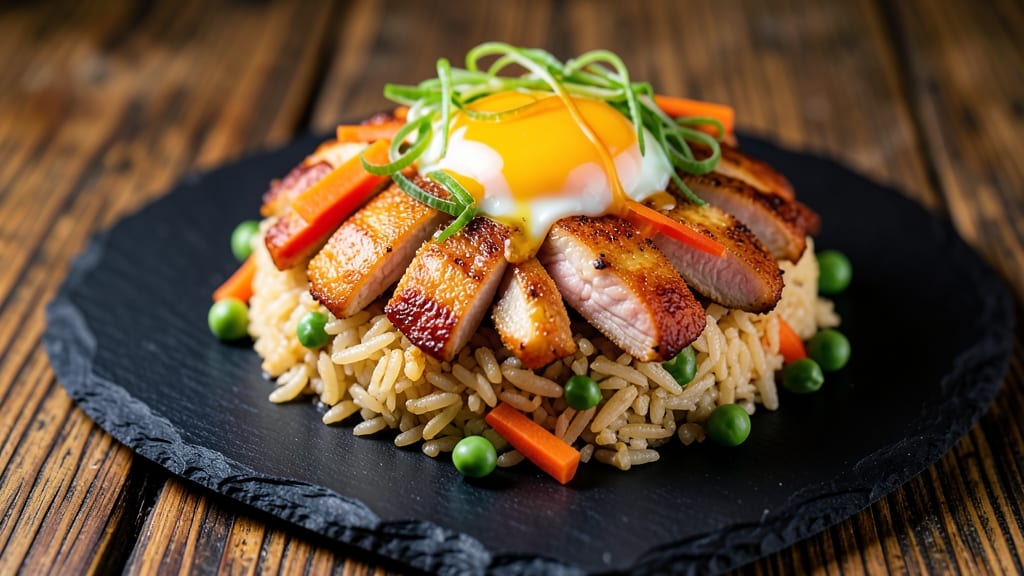
This bonsai fried rice recipe transforms a classic comfort dish into delicate, restaurant-worthy mini portions that pack maximum flavor in every bite. The secret lies in precise portioning—using a small scoop or ring mold to create uniform, bite-sized pieces that look like edible bonsai trees.
Each tiny mound balances perfectly cooked rice with protein, vibrant vegetables, and aromatic seasonings, making it ideal for parties, appetizers, or a visually stunning main course.
What makes this recipe stand out is the technique: high-heat wok cooking ensures crispy edges while keeping the centers tender, and careful plating elevates it from ordinary fried rice to a foolproof presentation.
Garnishes like toasted sesame seeds or finely chopped green onions add texture and color, completing the miniature masterpiece. Ready in under 30 minutes, it delivers restaurant-quality results with minimal effort.
Ingredients for bonsai fried rice
Precision-cut ingredients transform ordinary fried rice into edible bonsai masterpieces.
| Ingredient | Amount | Notes |
|---|---|---|
| Day-Old Cooked White Rice 🍚 | 3 cups | Cold, preferably jasmine or basmati |
| Chicken Breast 🍗 | 1 lb | Boneless, skinless, finely diced |
| Carrots 🥕 | ½ cup | Finely diced, small pieces |
| Green Onions 🧅 | ½ cup | White and green parts, sliced |
| Peas 🌱 | ½ cup | Fresh or frozen, thawed |
| Large Eggs 🥚 | 2 whole | Beaten for binding |
| Vegetable Oil 🫒 | 2 tbsp | High smoke point preferred |
| Low-Sodium Soy Sauce 🍶 | 3 tbsp | For umami depth |
| Sesame Oil 🫒 | 1 tbsp | Toasted for aroma |
| Garlic Cloves 🧄 | 4 cloves | Minced, aromatic |
| Toasted Sesame Seeds 🌾 | 1 tbsp | For garnish |
| Salt 🧂 | 1 tsp | Diamond Crystal preferred |
| Black Pepper 🌶️ | ½ tsp | Freshly ground |
The rice is non-negotiable—day-old, cold grains achieve the perfect texture. Jasmine or basmati from Trader Joe's or Whole Foods delivers the ideal balance of stickiness and separation. Chicken should be finely diced (smaller than typical fried rice) to mimic bonsai proportions. Carrots and green onions must be cut uniformly—use a mandoline for consistency. Fresh peas add vibrant color, but frozen work equally well when thawed and drained thoroughly. The high-heat wok technique transforms these simple ingredients into restaurant-worthy mini portions.
No soy sauce? Coconut aminos or low-sodium tamari provide similar umami depth. Substitute tofu for chicken if preferred—press and dice it identically. Sesame oil can be omitted if avoiding strong flavors, though it's essential for authentic aroma. For extra protein, add chopped shrimp or diced bell peppers. The beaten eggs act as a binder, ensuring each miniature portion holds its shape during high-heat cooking. Diamond Crystal kosher salt dissolves more cleanly than table salt, preventing graininess in the final dish.
Store pre-portioned rice in an airtight container with parchment paper between layers for up to 3 days. The fried rice reheats beautifully—use a nonstick skillet over medium heat with a splash of water to restore crispiness. Garnishes like sesame seeds and green onions should be added fresh post-cooking. For presentation, use a small ring mold or spoon to create uniform bonsai shapes directly on the plate. These mini portions freeze well for up to 2 months, making them ideal for meal prep or party appetizers.
Why You'll Love This Recipe
- One-Pan Magic: I swear by this—no chopping boards, no extra pans. Toss everything into one hot skillet, and the chicken caramelizes while the rice soaks up all those juices. Even my picky teenager doesn’t complain about the cleanup.
- Caramelized Crunch: That crispy chicken and slightly charred rice? Chef’s kiss. The secret’s in the high heat—sear the chicken first, then fold in the cold rice so it gets that perfect texture every time. The peas add a sweet pop, and the green onions? Freshness in every bite.
- Leftover Hero: I make a double batch on Sundays because this stuff tastes even better the next day. The rice softens just right, the flavors meld, and it’s my go-to for packed lunches. Honestly, I’d argue it’s better reheated—no one will guess it’s from yesterday.
- Budget Weeknight Win: Chicken breast is affordable, day-old rice is free, and frozen peas work just fine. I stretch this into four servings for under $10, and it’s hearty enough to feel like a real meal. My college-student friends call it “fancy cheap food.”
Step-by-step instructions for miniature portions packed with big flavor
Transform ordinary fried rice into delicate, flavor-packed bonsai portions with precise technique.
Prepare and Preheat for Perfect Texture
Heat a large non-stick skillet or wok over medium-high heat until hot. Add the 2 tablespoons vegetable oil and swirl to coat the surface evenly. You'll know it's ready when the oil shimmers gently around the edges—this ensures your rice won't stick and develops that signature wok hei flavor.
While the pan heats, beat the 2 whole large eggs in a bowl until frothy. The frothiness helps create those delicate, fluffy egg ribbons that elevate the dish. Keep the eggs at room temperature to ensure even cooking throughout.
Cook Eggs and Chicken for Foundational Flavor
Pour the beaten eggs into the hot pan and let them sit undisturbed for 5-7 seconds until the edges begin to set. Then gently push the eggs around with a spatula, creating soft, thin ribbons. Remove them from the pan and set aside temporarily—they'll be added back later.
In the same pan, add the 1 pound finely diced chicken breast and cook for 3-4 minutes until the pieces turn opaque and no longer pink at the center. The chicken should be fully cooked through but still retain its delicate texture—overcooking will make it rubbery. Season immediately with 1 teaspoon salt and ½ teaspoon black pepper while it cooks.
Sauté Aromatics and Vegetables
Add the 2 tablespoons vegetable oil if needed (you may not need all of it), then stir in the 4 minced garlic cloves and cook for 30 seconds until fragrant—you'll smell that sweet, pungent aroma that forms the flavor base. Be careful not to let the garlic brown, as it burns quickly and becomes bitter.
Add the ½ cup finely diced carrots, ½ cup sliced green onions, and ½ cup peas to the pan. Stir-fry for 2-3 minutes until the carrots soften slightly but still retain a crisp texture. The vegetables should be vibrant and bright—this ensures they contribute both color and freshness to each bite.
Combine Ingredients for Perfect Fusion
Add the 3 cups day-old cooked white rice to the pan, breaking up any clumps with your spatula. Stir-fry for 2-3 minutes until the rice is heated through and begins to sizzle. The rice should be hot but not dry—this is where your day-old rice shines as it absorbs flavors better than fresh rice.
Pour in the 3 tablespoons low-sodium soy sauce and 1 tablespoon sesame oil, stirring constantly to coat every grain evenly. The sauce should glisten slightly, indicating it's being absorbed properly. If the mixture seems too dry, add 1-2 tablespoons water to help distribute the flavors uniformly.
Finish and Garnish for Presentation
Return the cooked egg ribbons to the pan and gently fold everything together. Cook for an additional 1-2 minutes until everything is heated through and the flavors meld together. The final mixture should be aromatic with a perfect balance of savory, umami, and slightly sweet notes from the vegetables.
Remove from heat and transfer to a serving dish. Garnish immediately with 1 tablespoon toasted sesame seeds and additional sliced green onions. Serve in small portions—think delicate, bite-sized servings that showcase each ingredient's texture and flavor. The contrast of crisp vegetables, tender chicken, and fluffy egg ribbons makes every bite satisfying.
Pro Tips For Making Bonsai Fried Rice
- CRISP THE CHICKEN FIRST: Cut the chicken into ½-inch cubes, then sear them in a separate pan until fully cooked—no pink left. I used to toss everything in at once and ended up with dry, overcooked chicken by the time the rice was done. This way, you’ll have juicy protein that stays tender even after mixing.
- BREAK THE RICE GRAINS: Use the bottom of a glass or a wooden spoon to smash about 20% of the day-old rice into smaller pieces before frying. This creates texture contrast and prevents a mushy pile. (Yes, it looks weird—your future self will thank you.)
- HIGH HEAT, LOW TIME: Get the wok or pan screaming hot before adding oil, then work fast—no more than 2-3 minutes per stir-fry stage. I learned this the hard way after burning peas every time. Keep the heat high to lock in flavor and avoid soggy veggies.
- SALT THE RICE AFTER FRYING: Season the fried rice with soy sauce and salt after it’s out of the pan, not before. The starch in the rice absorbs salt unevenly when raw, leading to bland spots. Toss it while warm, and the flavors will meld perfectly. (Your taste buds will notice the difference.)
Make-ahead tips for leftovers
Pre-Portioning Secrets
Use a small cookie scoop or ring mold (about 1-inch diameter) to portion the fried rice into uniform mini-mounds before cooking. This ensures each "bonsai" piece is consistent in size and shape.
I like using a melon baller for precise, tree-like shapes—just press it gently into the rice to create the base, then top with a tiny egg ribbon. 🌿
Storage Timeline
Store pre-portioned, uncooked rice in an airtight container with parchment paper between layers for up to 3 days. Label with the date and reheat directly in the pan over medium heat with 1 teaspoon water to restore crispiness.
For longer storage, freeze portions on a tray before transferring to a ziplock bag—this prevents sticking and makes reheating easier later.
Batch Cooking Hacks
Double the recipe and freeze half for future use. When ready to serve, transfer frozen portions directly to a nonstick skillet over medium heat (no thawing needed).
Add 1 tablespoon water and cover for 2-3 minutes to steam through. This method saves time and keeps the texture perfect for last-minute gatherings. ✨
Garnish Prep Ahead
Toast sesame seeds in a dry pan over low heat for 2-3 minutes until golden and set aside in a small jar. Chop green onions and store in an airtight container in the fridge for up to 5 days.
Having garnishes prepped means you can assemble plates in seconds—just sprinkle and serve for that restaurant-worthy finish.
Reheating for Crispiness
Microwave reheating works, but it kills the texture. Instead, use a small nonstick skillet over medium heat with ½ teaspoon oil. Add portions and stir for 1-2 minutes until heated through.
The high heat recreates the wok's crisp edges, making reheated fried rice taste almost as good as fresh. 🔥
Party Plating Tips
Arrange mini portions on a slate board or wooden platter for an elegant presentation. Use a small spoon to create tiny mounds, then garnish with sesame seeds and green onions.
For extra flair, add a red chili flake or cilantro leaf on top of each portion. Serve with chopsticks or small forks to enhance the delicate dining experience.
Nutrition facts
Frequently asked questions
Why does this recipe use day-old rice instead of fresh?
Day-old rice works best because its slightly dried texture prevents mushiness when stir-fried. Fresh rice releases too much moisture, turning your delicate bonsai portions into a soggy mess. The grains also separate more easily, giving each mini portion that perfect individual bite. If you're short on time, spread freshly cooked rice on a tray and refrigerate for 1-2 hours to mimic the effect.
Can I make this with other proteins besides chicken?
Shrimp cooks in just 2 minutes and adds a delicate sweetness, while tofu works well if pressed first. For heartier portions, try finely diced beef or pork—just cook it longer (5-6 minutes) until fully done. Seafood lovers can swap in scallops or crab meat, but add them at the very end to prevent overcooking.
How do I create the perfect bonsai shape for plating?
Use a 1-inch cookie cutter or melon baller to shape portions before cooking. For extra flair, press the cutter into the rice to create a shallow well, then top with a tiny egg ribbon or sesame seed "crown." Arrange on a plate with garnishes radiating outward like bonsai branches. Pro tip: Chill the rice slightly before shaping for easier handling.
What's the secret to keeping the fried rice crispy?
High heat is key—use a wok or nonstick skillet over medium-high heat and stir constantly. The moment rice begins to sizzle, it's ready. For reheating, always use a dry pan with minimal oil (½ teaspoon) over medium heat for 1-2 minutes. Never microwave—it steams instead of crisping!
Can I make this gluten-free or dairy-free?
Yes! Swap soy sauce for coconut aminos (gluten-free) and use dairy-free sesame oil. For egg-free versions, replace beaten eggs with silken tofu crumbled into the rice. Always check labels on sesame seeds and green onions for hidden allergens. The recipe maintains its delicate texture even with these substitutions.