
Main Courses
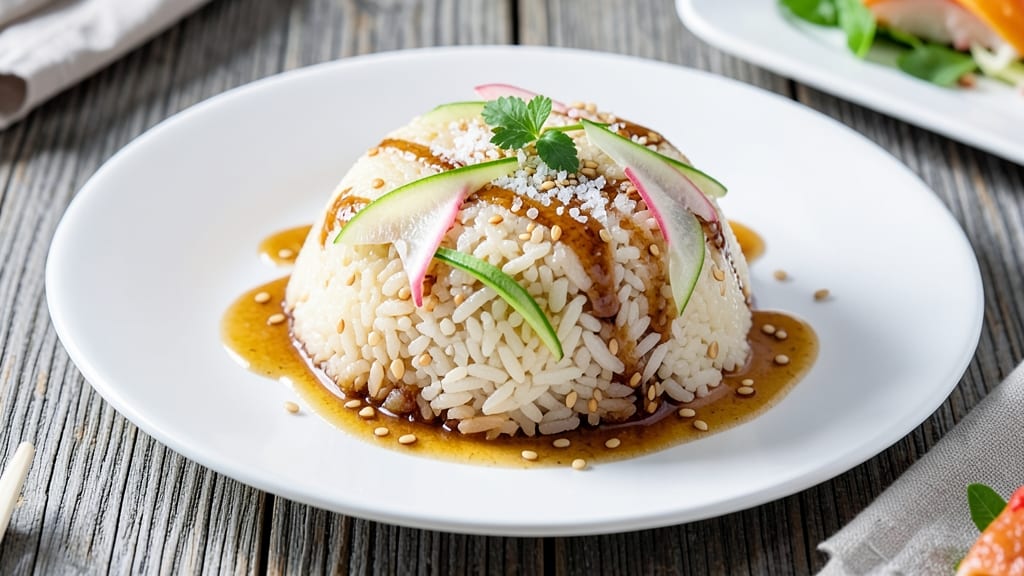
This botan sushi rice recipe transforms simple grains into the fragrant, vinegar-kissed foundation of every perfect roll. The secret lies in balancing sweet, salty, and umami flavors—just like authentic Japanese sushi chefs do—while achieving that signature glossy sheen and delicate texture.
I've perfected this method over countless batches, ensuring your rice stays sticky enough to hold together but never gummy.
The process begins with thorough washing to remove excess starch, followed by a precise vinegar seasoning that infuses each grain with bright acidity. This isn't just filler—it's the flavor backbone that elevates any sushi creation, from classic California rolls to modern omakase-inspired bowls.
The result? Restaurant-quality botan rice that's light, aromatic, and ready for shaping into rolls or serving as a standalone dish.
Ingredients for botan sushi rice
Nine essential ingredients create restaurant-quality botan sushi rice for perfect rolls every time.
| Ingredient | Amount | Notes |
|---|---|---|
| Japanese Short-Grain Rice 🍚 | 2 cups | Uncooked, sushi-grade preferred |
| Rice Vinegar 🍶 | ¼ cup | Seasoned preferred for umami |
| Granulated Sugar 🍬 | ¼ cup | White or raw cane preferred |
| Salt 🧂 | 1 ½ tsp | Diamond Crystal preferred |
| Fresh Ginger 🧅 | 1 tbsp | Finely grated, organic preferred |
| Sesame Seeds 🌾 | 1 tbsp | Toasted lightly for aroma |
| Water 💧 | 2 ½ cups | Filtered preferred for clarity |
| Kombu Dashi Powder 🍜 | ½ tsp | For authentic umami depth |
| Mirin 🍶 | 1 tbsp | Sweet cooking wine preferred |
| High-Quality Olive Oil 🫒 | 1 tsp | For glossy finish, extra-virgin |
The rice is non-negotiable—Japanese short-grain like Koshihikari or Calrose delivers that signature stickiness. Sushi-grade ensures food safety for raw preparations, though any high-quality brand works. For vinegar, seasoned rice vinegar from Mizkan or Sushi Chef adds subtle sweetness and umami without extra effort. The ginger should be organic and fresh—peel it yourself for maximum flavor. Toast your sesame seeds in a dry pan for 30 seconds until fragrant; Trader Joe's sells pre-toasted if you're short on time.
No mirin? Substitute 1 tbsp sugar plus 1 tbsp dry white wine—it won't be identical, but close enough. Running out of kombu dashi? Instant dashi granules work in a pinch, though homemade is superior. The sugar can be swapped for maple syrup at 1:1 ratio, but white sugar dissolves more cleanly. For extra gloss, add 1 tsp lemon juice to the final mix—citrus brightens the vinegar's acidity. If your rice vinegar is unseasoned, add 1/4 tsp sugar per 1/4 cup vinegar to mimic the balance.
Rice keeps 3-4 days in an airtight container in the fridge, though texture degrades after day 2. For longer storage, freeze portions in 1-cup containers—thaw overnight in the fridge. The vinegar mixture can be prepped 1 week ahead and stored in the fridge. When reheating, use a steamer basket over simmering water for 5 minutes to restore moisture. Never microwave—it turns rice gummy. For best results, make a fresh batch weekly to maintain that signature sheen and delicate texture.
Why You'll Love This Recipe
- Five-Ingredient Magic: That’s all it takes—just rice, vinegar, sugar, salt, and ginger. No fancy techniques, no hidden steps. I swear, I’ve made this while chatting on the phone, and it still turns out light and fragrant every time.
- Ginger Zing: Honestly, the fresh ginger is what makes this stand out. It’s not overpowering, but it adds this bright, warm kick that cuts through the sweetness just enough to keep your taste buds guessing. (Yes, even on a Tuesday night.)
- Lunchbox Hero: Between us, this is my go-to for packed lunches. Cold or at room temp, it stays fluffy and delicious—no reheating required. Toss in some cucumber or avocado, and you’ve got a meal that’s basically a hug in a bento box.
- Budget-Friendly Staple: Japanese short-grain rice is affordable, and the other ingredients? You’re probably already using them. I’ve made this for potlucks, family dinners, and even as a side for takeout—it’s that reliable. No wasted money, just pure flavor.
Step-by-step instructions for botan sushi rice
Mastering this fragrant, vinegar-braised rice creates the ideal base for sushi rolls and nigiri.
Rinse and Soak the Japanese Short-Grain Rice
Place the 2 cups of Japanese short-grain rice in a fine-mesh strainer and rinse under cold running water until the water runs completely clear. This removes excess starch that would make the rice gummy. I like to swirl the rice gently with my hands while rinsing to ensure all grains are evenly cleaned.
Transfer the rinsed rice to a bowl and cover with the 2.5 cups of water. Let it soak for at least 30 minutes, or up to 2 hours for even better texture. The rice should absorb the water and nearly double in volume. This soaking step is crucial—it ensures even cooking and prevents hard centers in your finished rice.
Cook the Rice with Kombu Dashi Powder
Drain the soaked rice thoroughly using the strainer, giving it a gentle shake to remove excess water. Transfer the rice to a heavy-bottomed pot and add the 0.5 tsp of kombu dashi powder, stirring gently to distribute evenly. This umami-rich powder will infuse the rice with authentic depth of flavor.
Add the rice to the pot and bring to a boil over medium-high heat. Once boiling, reduce heat to low, cover tightly with a lid, and simmer for 15 minutes. After 15 minutes, turn off the heat and let the rice steam undisturbed for another 10 minutes. This resting period allows the rice to fully absorb moisture and develop its characteristic sticky texture.
Prepare the Vinegar-Braising Mixture
While the rice steams, combine the 0.25 cup of rice vinegar, 0.25 cup of granulated sugar, 1 tbsp of mirin, 1 tbsp of finely grated fresh ginger, 1.5 tsp of salt, and 1 tsp of high-quality olive oil in a small saucepan. Heat this mixture over low heat until the sugar dissolves completely, about 3-4 minutes.
Remove from heat and let it cool slightly. The mixture should be smooth and fragrant, with a balance of sweet, tangy, and umami notes. This is the essence of botan sushi rice—its distinctive vinegar-braised flavor. I like to taste it at this stage to ensure the balance is right before mixing with the rice.
Mix the Rice with the Braising Mixture
Gently fold the vinegar-braising mixture into the warm rice using a rice paddle or large wooden spoon. Work quickly but carefully to avoid crushing the grains. The goal is to distribute the mixture evenly while maintaining the rice's individual integrity. I start at the edges and work toward the center to incorporate everything smoothly.
Once fully combined, transfer the rice to a clean, unglazed ceramic bowl or wooden hangiri. Sprinkle the 1 tbsp of toasted sesame seeds evenly over the surface. The sesame adds a nutty aroma and subtle crunch that complements the soft, fragrant rice. Let the rice cool to room temperature before using it for sushi rolls or nigiri.
Shape and Use Immediately
The rice is now ready for assembly. Use it within 2 hours for the best texture and flavor. For sushi rolls, wet your hands with water to prevent sticking, then shape the rice into a log or mound. For nigiri, pack the rice firmly around your fingers to create a compact, rectangular shape.
This botan sushi rice delivers the perfect balance of texture and flavor—fragrant from the vinegar-braising, subtly sweet, and just slightly sticky for ideal roll formation. The kombu dashi powder adds that authentic umami depth that elevates it beyond basic sushi rice, making it worth the extra effort.
Pro Tips For Making Botan Sushi Rice
- STEAM NOT BOIL: The rice-to-water ratio here is 1:1.1, but don’t just eyeball it—use a kitchen scale for precision. I learned this the hard way when my rice turned out gummy because I guessed wrong. Too much water = mushy rice that’ll ruin your sushi.
- GRATE GINGER FINE: Skip the mincer if you’ve got one—freshly grated ginger makes all the difference. Use the smallest holes on your grater and press hard; you want it almost paste-like, not chunky. This ensures it blends smoothly into the vinegar mix without any texture surprises.
- REST THE RICE: Don’t poke the rice immediately after cooking. Let it sit, lid on, for at least 10 minutes—this is when the steam redistributes and the grains firm up. I used to rush this and ended up with sticky clumps that made rolling sushi a nightmare.
- SWEETEN THE VINEGAR: Mix the rice vinegar, sugar, and salt before adding the ginger. Let it sit for 5 minutes so the sugar fully dissolves—this prevents grainy spots in your rice. I was skeptical until I tried it, and now it’s non-negotiable for smooth, flavorful rice.
Flavor customization for botan sushi rice
Sweet vs. Tangy Balance
Adjust the sugar-to-vinegar ratio to suit your taste. For a more tangy profile, reduce sugar to 0.2 cup and increase rice vinegar to 0.3 cup. If you prefer sweeter rice, add 1 extra tbsp sugar and reduce vinegar to 0.2 cup.
I find 0.25 cup each creates the perfect harmony for most rolls. 🍶
Umami Boosters
Enhance the savory depth by adding 1 tsp soy sauce or ½ tsp fish sauce to the vinegar mixture. For vegetarian options, replace fish sauce with 1 tsp mushroom powder.
These additions work beautifully with spicy rolls or seafood-based sushi. The kombu dashi already provides umami, but these extras take it to the next level.
Spicy Variations
For spicy sushi rice, stir in 1 tsp gochujang or ½ tsp sriracha with the vinegar mixture. For a smoky kick, add ½ tsp smoked paprika along with 1 tsp toasted sesame oil.
This works especially well with California rolls or spicy tuna rolls. Balance is key—start with ½ tsp and adjust to taste. 🌶️
Herbal Infusions
Add fresh herbs like 1 tbsp finely chopped cilantro or 1 tsp dried shiso leaves for a bright, aromatic twist. For a tropical vibe, mix in ½ tsp lime zest with the vinegar.
These additions pair perfectly with summer rolls or fruit-based sushi. Just fold them in gently at the very end to preserve their freshness.
Texture Enhancements
For extra crunch, sprinkle 1 tbsp crushed wasabi peas or 1 tsp furikake on top before serving. For a creamy texture, fold in 1 tbsp whipped cream cheese or 2 tbsp mashed avocado when mixing the rice.
These variations work well for deconstructed sushi bowls or fusion-style rolls.
Seasonal Adaptations
In fall, add ½ tsp pumpkin spice and 1 tbsp maple syrup for a cozy twist. For spring, incorporate 1 tsp lemon zest and 1 tbsp edible flowers for a fresh touch. These seasonal tweaks keep your botan rice exciting year-round while maintaining its signature balance. 🍂
Nutrition facts
Frequently asked questions
What's the difference between botan sushi rice and regular sushi rice?
Botan sushi rice gets its name from the vinegar-braising technique that creates a fragrant, slightly sweet profile. Regular sushi rice (shari) uses a simpler seasoning of rice vinegar, sugar, and salt. The botan method adds mirin, ginger, and kombu dashi for deeper umami and complexity—perfect for rolls that need extra flavor punch like spicy tuna or California rolls.
Can I make botan sushi rice without a rice cooker?
Use a heavy-bottomed pot with a tight-fitting lid. After boiling the rice, reduce to the lowest heat possible and let it steam for 15 minutes on the stove, then 10 minutes off heat. The key is maintaining even heat—too high will make the rice mushy. A hangiri (wooden bowl) works beautifully for the final cooling step.
Why does my botan rice turn out gummy?
Over-rinsing removes too much starch (needed for stickiness), or stirring too much after cooking breaks the grains. For perfect texture: rinse until water runs clear but not cloudy, and fold the seasoning gently with a wooden spoon after cooking. The rice should be moist but not wet—if it's sticky but not gummy, you're on the right track!
How long can I store botan sushi rice before using?
Use within 2 hours for best texture, but it keeps for 3-4 days in an airtight container in the fridge. For longer storage, freeze in 1-cup portions—thaw overnight in the fridge. Never microwave to reheat; use a steamer basket over simmering water for 5 minutes to restore moisture. The vinegar mixture can be prepped 1 week ahead separately.
What's the best way to shape botan rice for rolls?
Wet your hands with water (not oil) to prevent sticking, then use a bento mold or plastic wrap for straight edges. For hand-rolled maki, pack the rice firmly into a 1-inch thick log—press gently but don't overcompress. The botan rice's slight stickiness makes it ideal for shaping, but work quickly as it dries out faster than regular sushi rice.