
Main Courses
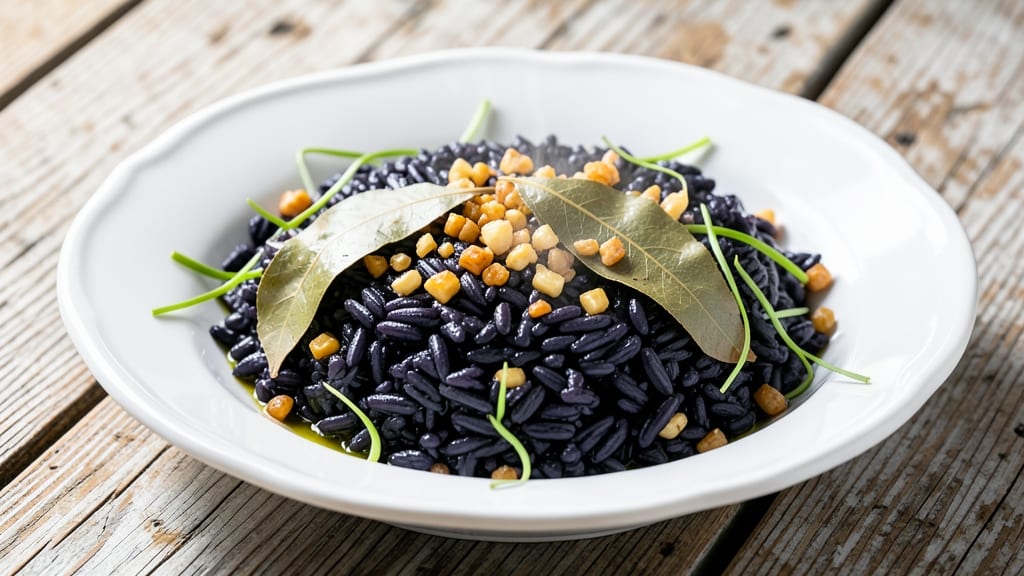
This Brazilian black rice recipe transforms ordinary meals with its vibrant purple hue and earthy, nutty flavor, a staple in feijoada—the beloved Brazilian black bean stew. The secret lies in proper soaking and slow cooking, which unlocks its full depth of taste and satisfying texture.
Unlike white rice, black rice requires patience but delivers a dish that feels both rustic and refined.
Perfectly cooked, the grains maintain their distinctive color while developing a creamy yet firm bite, making it an ideal base for hearty Brazilian dishes or a striking side.
Pair it with beans, grilled meats, or fresh herbs to elevate any plate. This recipe brings a taste of Brazil to your kitchen with minimal effort but maximum impact.
Ingredients for brazilian black rice
Earthy grains, aromatic spices, and a touch of coconut milk create this Brazilian staple's signature depth.
| Ingredient | Amount | Notes |
|---|---|---|
| Brazilian Black Rice (Forró or Carreteiro) 🌾 | 1 cup | Uncooked, rinsed thoroughly |
| Water 💧 | 2 cups | Filtered preferred for clarity |
| Olive Oil 🫒 | 1 tbsp | Extra-virgin for subtle flavor |
| Garlic Cloves 🧄 | 2 cloves | Minced, for aromatic base |
| Onion 🧅 | ½ cup | Diced, yellow or red |
| Bay Leaves 🌿 | 2 whole | Dried, for subtle earthiness |
| Salt 🧂 | 1 tsp | Diamond Crystal preferred |
| Black Peppercorns 🌶️ | ½ tsp | Freshly cracked, for texture |
| Coconut Milk 🥥 | ½ cup | Full-fat for creaminess |
| Fresh Cilantro 🌿 | ¼ cup | Chopped, for garnish |
| Lime 🍋 | 1 whole | Juiced, for brightness |
Brazilian black rice deserves premium treatment. Look for authentic Forró or Carreteiro varieties at specialty Latin markets or online retailers like Amazon Fresh—avoid generic 'black rice' blends, which often contain dyes. The grains must be thoroughly rinsed to remove excess starch, ensuring that vibrant purple hue stays intact. For the best flavor, toast the rice lightly in olive oil before adding liquids, a technique borrowed from Brazilian feijoada preparation. Fresh bay leaves and cracked peppercorns elevate the dish's rustic character, while full-fat coconut milk adds richness without overpowering the earthy rice flavor.
No black rice? Substitute with purple sweet potatoes (steamed and mashed) for a similar visual impact, though the texture will differ. Running short on coconut milk? Heavy cream or cashew cream works in a pinch, though the flavor profile shifts slightly. Fresh cilantro can be swapped for dried oregano at one-third the amount, but the bright citrus note from lime is essential—key lime juice adds extra zing. The garlic and onion should be sautéed until golden for maximum depth, a critical step often overlooked in quicker rice preparations. For a more authentic touch, smoked paprika at a pinch mimics the subtle smokiness found in traditional Brazilian cooking.
Black rice keeps its distinctive color best when refrigerated in an airtight container for up to 4 days. For longer storage, freeze portions in ice cube trays—each cube reheats perfectly for one serving. The grains reheat beautifully in a steamer or with a splash of water in the microwave. This dish pairs wonderfully with grilled meats or black beans, making it a versatile centerpiece for Brazilian-inspired meals. Double the recipe for meal prep—it reheats even better the next day as flavors meld further.
Why You'll Love This Recipe
- One-Pot Magic: I swear by this recipe because it’s that simple—just rice, water, and a handful of pantry staples. No fancy steps, no watching the clock. Honestly, I’ve made it while scrolling through my phone.
- Earthy, Nutty Kick: That deep, almost smoky flavor from the black rice? It’s like a warm hug for your taste buds. The garlic and onion caramelize just enough to add a sweet, savory depth—no extra spices needed.
- Weeknight Workhorse: Between us, this is my go-to when I need something hearty but not heavy. Double the batch and reheat it for lunch the next day—it holds up perfectly. (Yes, even on a Tuesday night.)
- Budget-Buster Win: Black rice is pricier than white, but one bag stretches for months of meals. Olive oil, garlic, onion—these ingredients won’t break the bank, and the leftovers? Even better the second day. Solid.
Step-by-step instructions for Brazilian black rice
This method transforms vibrant black rice into a rich, nutty dish with deep flavor and perfect texture.
Rinse the Black Rice Thoroughly
Place the 1 cup of uncooked Brazilian black rice in a fine-mesh strainer and rinse under cold running water for at least 2 minutes. The water should run completely clear—this removes excess starch that would otherwise make the rice gummy. I find it helpful to gently rub the grains between my fingers while rinsing to ensure all surfaces are clean.
Black rice has a higher starch content than white rice, so thorough rinsing is absolutely critical. After rinsing, drain well and let the rice sit in the strainer for 1 minute to evaporate any remaining surface moisture. This step prevents the rice from becoming mushy during cooking and ensures those beautiful purple grains stay distinct.
Sauté Aromatics in Olive Oil
Heat the 1 tablespoon olive oil in a medium saucepan over medium heat until shimmering but not smoking. Add the 0.5 cup diced onion and cook for 3-4 minutes until softened and translucent. Then add the 2 cloves minced garlic and cook for another 30 seconds until fragrant.
This aromatic base forms the flavor foundation of your dish. I press the garlic down gently with a wooden spoon during the last 10 seconds of cooking to prevent burning. The onions should be completely tender but not browned—this ensures they dissolve into the rice without adding bitterness. Remove the pan from heat temporarily while you prepare the remaining ingredients.
Cook the Rice with Seasonings
Return the saucepan to medium heat and add the drained black rice, 2 cups water, 2 whole bay leaves, 1 teaspoon salt, and 0.5 teaspoon cracked black peppercorns. Stir gently once to combine, then bring to a boil. Once boiling vigorously, reduce heat to low and cover tightly with a lid.
Simmer for 25-30 minutes without lifting the lid. The rice needs undisturbed cooking to absorb the liquid evenly and develop its characteristic nutty flavor. After 20 minutes, check for doneness by inserting a fork—it should slide in easily with slight resistance. If the rice isn't tender, continue cooking for another 5 minutes.
Finish with Coconut Milk and Garnish
Once the rice is tender, remove the bay leaves and stir in the 0.5 cup coconut milk using a wooden spoon. The coconut milk adds creaminess while balancing the earthy rice flavor. Let the mixture simmer uncovered for 2-3 minutes to allow the coconut milk to absorb and the rice to reach its final texture.
Transfer the rice to a serving dish and garnish with the 0.25 cup chopped fresh cilantro and juice of the 1 whole lime. The lime juice brightens the dish while the cilantro adds a fresh contrast to the rich rice. Serve immediately while the coconut milk is still warm and creamy—this dish tastes best fresh from the pan.
Pro Tips For Making Brazilian Black Rice
- Soak It Right: Brazilian black rice needs a good 4+ hour soak—overnight is best if you can swing it. I learned this the hard way when my rice turned mushy because I rushed it; the grains absorb way more water than regular rice.
- Sauté Onions Low: Cook those onions until they’re soft and translucent, not browned—this is where the flavor builds. If you let them caramelize, you’ll end up with a bitter taste that overpowers the rice’s natural nuttiness.
- Don’t Stir Like Crazy: Once the rice hits the pot, stir once to distribute it, then leave it alone. Constant stirring releases starch too early, turning your rice into glue. Trust the process—it’ll cook evenly without your help.
- Finish With Garlic Oil: After cooking, stir in minced garlic and a splash of olive oil at the end. The oil coats each grain, making the rice richer and easier to serve—no dry, crumbly mess here. (Yes, even if you’re impatient like me.)
Troubleshooting your brazilian black rice
Mushy Rice Fix
If your black rice turns out mushy, it’s almost always from overcooking or insufficient rinsing. Start by thoroughly rinsing the rice for at least 3 minutes until the water runs clear—this removes excess starch that causes gumminess.
For cooking, reduce the water to 1.5 cups instead of 2 cups and check the rice at 20 minutes. If it’s still firm, add ¼ cup more water and cover tightly for another 5 minutes.
Undercooked Grains
Black rice needs longer cooking than white rice due to its dense structure. If your grains remain firm, extend the cooking time by 5-10 minutes and add 2 tablespoons more water to prevent burning.
For extra insurance, cover the pot with a damp towel to create a steam barrier. I’ve found that low and slow wins every time—resist the urge to lift the lid during cooking.
Purple Hue Fading
The vibrant purple color can fade if the rice is overcooked or exposed to too much water. To preserve the color, use filtered water and avoid over-rinsing. If the color dulls, stir in ½ teaspoon turmeric powder at the end for a natural boost.
For a deeper hue, try soaking the rice in ½ cup water for 30 minutes before cooking.
Burnt Aromatics
Burnt garlic or onions add bitterness to your dish. To prevent this, sauté the aromatics over medium-low heat until just golden, not brown. I like to spread the onions in a single layer to ensure even cooking.
If you notice burning, remove the pan from heat immediately and discard the burnt bits before proceeding with the rice.
Liquid Issues
If your rice is too dry or watery, adjust the liquid ratio next time. For 1 cup black rice, use 1.75 cups water as a baseline. If the rice is dry, add 2 tablespoons water or coconut milk while cooking.
For watery rice, stir in 1 tablespoon coconut milk to thicken the texture naturally.
Uneven Texture
Uneven texture often happens if the rice isn’t stirred gently at the start. After adding the rice and liquid, stir just once to distribute the grains evenly. Avoid stirring again during cooking, as this can break the grains.
If the texture is uneven, fluff the rice gently with a fork after cooking to separate the grains.
Nutrition facts
Frequently asked questions about Brazilian black rice
Why does Brazilian black rice have a purple color?
The deep purple hue comes from anthocyanins, powerful antioxidants found in the rice's bran layer. These compounds give it both its striking color and its nutty, slightly sweet flavor. Unlike white rice, black rice retains its outer layers, making it more nutrient-dense with extra fiber and protein.
Can I substitute coconut milk in this recipe?
Yes! For a creamy texture, use ½ cup heavy cream or cashew cream instead, though the flavor will be slightly different. If you prefer a dairy-free option, almond milk works but may make the dish less rich. The coconut milk adds a subtle tropical note that complements the earthy rice beautifully.
How do I store leftover Brazilian black rice?
Store cooked black rice in an airtight container in the fridge for up to 4 days. For longer storage, freeze portions in ice cube trays—each cube reheats perfectly for one serving. To reheat, steam or microwave with a splash of water until warm. The rice reheats even better the next day as flavors meld further!
What's the best way to serve this rice?
This vibrant rice pairs perfectly with grilled meats, black beans, or fresh tropical salsas. It's the star of Brazilian feijoada, but also works as a standalone dish with lime wedges and cilantro. For extra flair, serve in a hollowed-out pineapple or topped with toasted coconut flakes for a festive presentation.
Is Brazilian black rice gluten-free?
Yes! Pure Brazilian black rice is naturally gluten-free**, making it a great option for those with gluten sensitivities. Just ensure your coconut milk and other ingredients are certified gluten-free. The rice's earthy flavor and chewy texture make it an excellent alternative to traditional rice dishes.