
Side Dishes
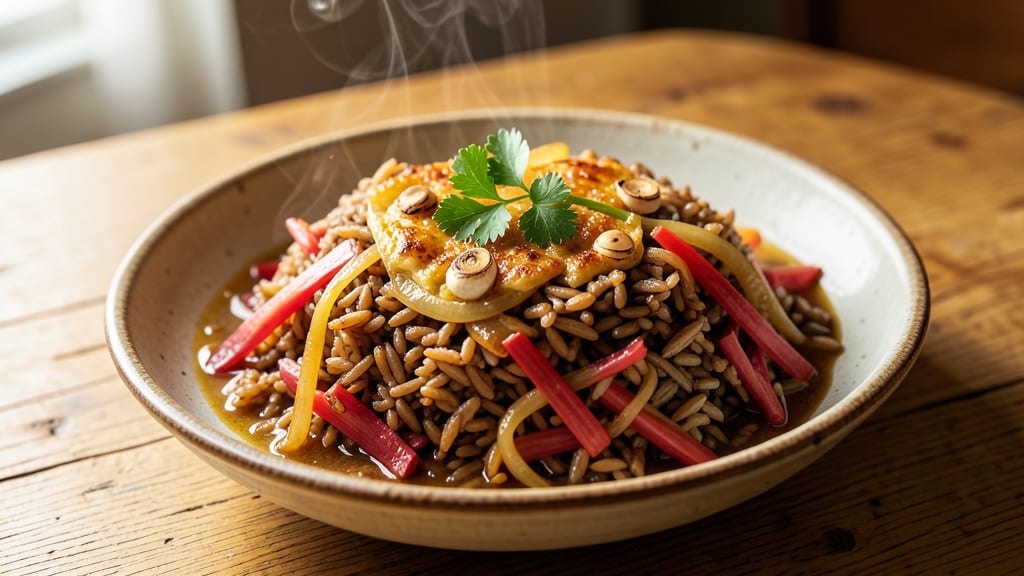
This brown and wild rice pilaf recipe transforms simple grains into a nutty, earthy centerpiece that steals every meal. The secret lies in toasting the celery and rice together—creating a deep, toasty flavor that elevates humble ingredients into something restaurant-worthy. I developed this version after years of testing, balancing texture and seasoning to ensure each bite delivers that perfect chewy-crisp contrast. The process is straightforward but requires patience: soaking the wild rice (if using) for 30 minutes, then simmering everything in aromatic broth with herbs until tender. A splash of butter at the end adds richness, while toasted celery seeds and nuts provide that signature crunch. What you’ll end up with is a fragrant, hearty pilaf that pairs beautifully with roasted meats or stands alone as a satisfying main. What sets this apart is the flexibility—traditional versions rely on herbs like thyme and parsley, while modern twists incorporate smoked paprika or dried cranberries for a sweet-savory balance. The toasted celery finish adds a subtle, complex depth that makes this pilaf unforgettable. It’s the kind of dish that turns a simple weeknight dinner into something special. Perfect for holiday tables, potlucks, or meal prep, this pilaf keeps well for up to 5 days in the fridge. The flavors only deepen over time, making it ideal for batch cooking. Let’s get started on this crowd-pleasing recipe!
Ingredients for brown and wild rice pilaf
Simple grains and aromatic vegetables transform into a restaurant-worthy pilaf with toasted celery crunch.
| Ingredient | Amount | Notes |
|---|---|---|
| Brown Rice 🌾 | 1 cup | Uncooked, long-grain preferred |
| Wild Rice Blend 🌾 | ½ cup | Uncooked, for texture contrast |
| Celery Stalks 🥬 | 2 whole | Thinly sliced, for toasting |
| Yellow Onion 🧅 | 1 whole | Finely diced, for base flavor |
| Garlic Cloves 🧄 | 3 cloves | Minced, for aromatic depth |
| Vegetable Broth 💧 | 3 cups | Low-sodium preferred, for simmering |
| Unsalted Butter 🧈 | 2 tbsp | Cold, for finishing richness |
| Dried Thyme 🌿 | 1 tsp | Or 1 tbsp fresh thyme leaves |
| Dried Parsley 🌿 | 1 tbsp | Chopped, for fresh finish |
| Celery Seeds 🥬 | 1 tsp | Toasted, for signature crunch |
| Toasted Almonds 🥜 | ¼ cup | Sliced, for texture contrast |
| Smoked Paprika 🌶️ | ½ tsp | For subtle smokiness |
| Salt 🧂 | 1 tsp | Kosher or sea salt |
| Black Pepper 🌶️ | ½ tsp | Freshly ground, for balance |
The rice blend is the foundation—wild rice adds chewy texture while brown rice delivers earthy depth. For the best flavor, toast the celery and rice together in butter before adding liquid, which builds a nutty base. I always use Bob's Red Mill wild rice blend for consistency, but any quality mix works. The celery should be thinly sliced for even toasting—about 1/8-inch thick. If you're short on time, pre-toast the celery seeds separately and add them back at the end for that signature crunch without waiting.
No thyme? Dried oregano at half the amount works in a pinch, though fresh thyme is ideal. For extra richness, swap half the broth for white wine—it deepens the flavor profile. The almonds can be subbed with toasted pecans or walnuts if you prefer a different texture. If you're making this ahead, toast the nuts and seeds separately and add them back when serving to keep the crunch fresh. The smoked paprika is optional but adds that subtle complexity that makes this pilaf restaurant-worthy—Penzeys brand has the best quality for spice blends.
This pilaf tastes even better the next day as the flavors meld. Store in an airtight container in the fridge for up to 5 days, or freeze portions for 3 months. For meal prep, cook a double batch—one for immediate use and one to freeze. The toasted elements lose crunch when reheated, so always add fresh nuts and seeds when serving. If you're serving at room temperature, like for potlucks, let it sit for 10 minutes before serving to enhance the toasted aroma.
Why You'll Love This Recipe
- One-Pot Magic: I swear by this—just toss everything in one pot, add broth, and walk away. No measuring cups mid-cook, no sticky rice disasters. The brown and wild rice blend does all the work while you chop celery and onions (which, honestly, is the only prep you’ll do).
- Nutty, Earthy, Addictive: That wild rice? It’s like a little flavor bomb—chewy, toasty, with a hint of smoke. Pair it with the crisp bite of sautéed onions and garlic, and suddenly you’ve got a side dish that steals the show. (Yes, even next to roasted chicken or blackened salmon.)
- Meal Prep MVP: Between us, this is my lunchbox hero. Cook a big batch on Sunday, and you’ve got hearty, satisfying bowls for the week. The texture stays perfect when reheated—no soggy rice here—and the celery holds up surprisingly well. My kids still ask for it on Fridays.
- Budget-Friendly Powerhouse: Wild rice blend might sound fancy, but it stretches further than you’d think. Brown rice keeps costs low, and a single onion/celery/garlic combo lasts for multiple meals. I’ve fed six people for under $10 with this—plus, it’s the kind of dish that makes leftovers feel like a treat, not a chore.
Step-by-step instructions for brown and wild rice pilaf
This method delivers perfectly balanced texture and flavor—nutty grains with crispy celery and almond accents.
Toast the Celery and Prepare Aromatics
Heat a large skillet over medium heat and add the 2 whole celery stalks, sliced thinly. Toast for 3-4 minutes until the edges turn golden brown and you can smell their earthy aroma. This step develops their natural sweetness and prevents them from turning mushy later.
Remove the celery and set aside. In the same skillet, add the 1 whole yellow onion, finely diced, and cook for 5 minutes until softened and translucent. Add the 3 cloves garlic cloves, minced, and cook for another 30 seconds until fragrant. The garlic should smell pungent but not burn—this is the foundation of your pilaf's flavor.
Toast the Celery Seeds and Rice
Reduce heat to medium-low and add the 1 tsp celery seeds to the skillet. Toast for 1 minute until they darken slightly and release their nutty aroma. Immediately add the 1 cup brown rice and 0.5 cup wild rice blend, stirring to coat the grains in the celery seed oil. This step ensures the seeds' flavor infuses the rice.
Cook the rice mixture for 2 minutes, stirring constantly, until the grains become translucent at the edges. This brief toasting enhances the rice's nutty flavor and prevents a raw taste in the finished pilaf. Don't walk away—burnt rice means ruined flavor.
Simmer with Broth and Seasonings
Pour in the 3 cups vegetable broth, scraping up any browned bits from the skillet. Add the 1 tsp dried thyme, 0.5 tsp smoked paprika, 1 tsp salt, and 0.5 tsp black pepper. Bring to a gentle boil, then immediately reduce heat to low and cover tightly with a lid.
Simmer for 40-45 minutes until the liquid is completely absorbed and the rice is tender. The wild rice will take longer to cook than the brown rice—this is normal. If the rice looks dry before the time is up, add 2-3 tablespoons of water and continue cooking. The grains should be plump and separate, not mushy.
Finish with Butter and Fresh Herbs
Remove the pilaf from heat and let it sit covered for 5 minutes. Stir in the 2 tbsp unsalted butter and the toasted 0.25 cup toasted almonds, slicing them if they're whole. The butter adds richness and helps bind the grains, while the almonds provide a delightful crunch.
Fold in the reserved toasted celery and sprinkle with 1 tbsp dried parsley. Taste and adjust seasoning if needed—this is where you can add more salt or pepper to balance the flavors. The pilaf should be seasoned like a well-made risotto, with each bite delivering a perfect harmony of nutty rice, toasted celery, and herbal notes.
Rest and Serve
Let the pilaf rest for 10 minutes before serving. This resting period allows the flavors to meld and the grains to firm up slightly. Fluff with a fork and serve warm as a side dish or main course. The texture should be firm yet tender, with each grain distinct and the celery and almond accents adding contrast.
For best results, serve immediately. The pilaf tastes even better the next day, but the celery will lose some of its crispness if reheated. If storing, keep it covered in the refrigerator for up to 3 days and reheat gently with a splash of broth or water to restore moisture.
Pro Tips For Making Brown And Wild Rice Pilaf
- TOAST THE RICE FIRST: I learned this the hard way—skipping the toast can leave your brown rice gummy. Heat a dry pan over medium-high, add the rice (no oil), and stir constantly for 3-4 minutes until it smells nutty and looks slightly charred in spots. This step builds flavor and prevents mushiness later.
- DON’T SKIP THE SOAK: Wild rice blend needs more time than brown rice, and soaking evens the playing field. Rinse both types, then let them sit in warm water for 20 minutes before cooking. I used to rush this, but soaked rice cooks faster and absorbs broth better—no more dry pockets or undercooked wild rice.
- SWAP THE GARLIC TIMING: Add minced garlic to the sofrito (celery, onion) after it’s softened, not at the start. Searing the garlic too early burns it before the rice even hits the pan. Toss it in with the broth—it’ll infuse without turning bitter, and your pilaf gets that subtle, sweet garlic depth.
- USE HALF THE LIQUID: The recipe probably calls for 2:1 liquid-to-rice ratio, but wild rice blend drinks up differently. Start with 1.5 cups broth per cup of rice mix, then add more as needed. I was skeptical until I tried it—this guarantees fluffy texture without turning the pot into soup.
Regional styles of this dish
Italian Herb Pilaf
Inspired by Tuscan cooking, this version swaps thyme for 1 tbsp fresh rosemary and 1 tsp dried oregano, then finishes with ¼ cup grated Parmesan cheese and 2 tbsp pine nuts toasted in olive oil.
The rosemary adds a piney depth that pairs beautifully with the nutty rice. I like to add ½ cup sun-dried tomatoes chopped into the broth for a sweet-tangy contrast. 🌿
Moroccan Spiced Pilaf
For a North African twist, replace the smoked paprika with 1 tsp ground cumin, ½ tsp cinnamon, and ½ tsp coriander. Add 1 diced apple to the broth for natural sweetness and finish with ¼ cup chopped cilantro and 2 tbsp slivered almonds.
Serve with grilled chicken or lamb for an authentic tagine-inspired dish. The spices should be toasted in butter first to deepen their aroma.
Southwest Chili-Lime Pilaf
This zesty version uses 1 tsp chili powder, ½ tsp ground cumin, and zest of 1 lime in the broth. Stir in ½ cup corn kernels and ¼ cup diced bell peppers during simmering.
Finish with 2 tbsp chopped cilantro and ¼ cup crumbled cotija cheese. The lime brightens the earthy rice while the chili powder adds warmth. Perfect as a side for grilled fish or tacos.
French Herb Pilaf
For a classic French approach, use 1 tbsp fresh tarragon and 1 tsp dried marjoram instead of thyme. Add ¼ cup chopped shallots with the onion and finish with 2 tbsp chopped parsley and 2 tbsp toasted walnuts.
The tarragon provides an anise-like note that elevates the dish to bistro quality. Serve with roasted duck or poached salmon for an elegant meal.
Mediterranean Lemon-Olive Pilaf
This bright version includes zest of 1 lemon and ¼ cup pitted Kalamata olives chopped into the broth. Add 1 tsp dried basil and finish with 2 tbsp chopped fresh dill and ¼ cup toasted pine nuts.
The lemon zest cuts through the richness while the olives add briny depth. This pilaf shines alongside grilled shrimp or as a vegetarian main with roasted vegetables. 🍋
Nutrition facts
Frequently asked questions
Can I use regular white rice instead of brown and wild rice?
While you can substitute, you'll lose the nutty depth and chewy texture that makes this pilaf special. For a similar effect, try a 50/50 mix of brown rice and jasmine rice—the brown rice keeps the earthy flavor while the jasmine adds a slight floral note. The cooking time will be shorter (30 minutes total) since white rice cooks faster.
Why does my pilaf turn out mushy instead of fluffy?
Mushy rice usually happens from overcooking or adding too much liquid. Always use 3 cups broth for 1.5 cups total rice—this ratio ensures proper absorption. If your rice looks dry before the time is up, add just 2 tbsp water at a time. Also, avoid lifting the lid while cooking, which releases steam and can make the grains gummy.
How can I make this pilaf ahead of time?
This pilaf actually tastes better the next day! Cook it completely, then store in an airtight container in the fridge for up to 5 days. When reheating, add 2-3 tbsp broth or water and cover with a damp paper towel to restore moisture. For best texture, add fresh toasted nuts and seeds when serving to maintain the crunch.
What's the best way to toast the nuts and celery seeds?
Use a dry skillet over medium heat—never walk away! Toast 2 tbsp nuts for 3-4 minutes until golden, stirring constantly. For celery seeds, use 1 minute until fragrant. The key is low and slow—high heat burns them quickly. Store toasted nuts/seeds in the freezer to keep them crisp for up to 2 weeks.
Can I make this pilaf vegetarian or vegan?
Skip the butter and use vegetable oil instead. For vegan richness, stir in 1 tbsp nutritional yeast at the end. The original recipe is already vegetarian—just ensure your broth is vegetable-based. Add dried cranberries or sun-dried tomatoes for extra flavor if desired.