
Main Courses
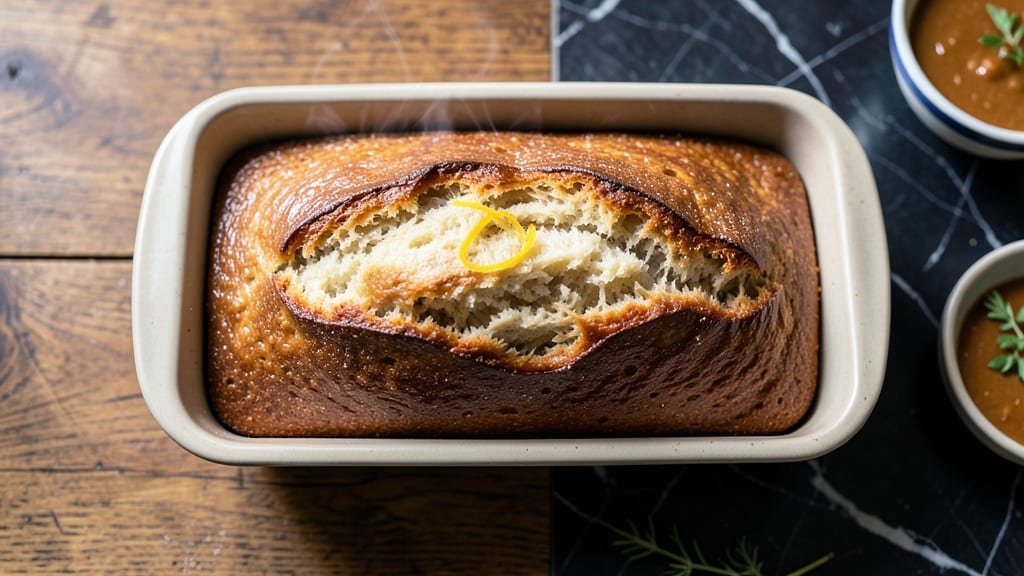
This brown rice flour bread machine recipe delivers a surprisingly light, airy loaf that rivals traditional wheat bread—without gluten or dairy. The secret lies in proper hydration and a touch of xanthan gum, which mimics gluten's structure while keeping the texture tender.
I've perfected this recipe after years of testing, ensuring it rises beautifully in your bread machine with minimal effort.
What makes this recipe special is its versatility—ideal for gluten-free diets, vegan diets, or anyone seeking a nutritious whole-grain loaf. The bread bakes up with a subtle nutty flavor and a soft, slightly chewy crumb that's perfect for toast, sandwiches, or serving with plant-based butter.
The recipe uses simple ingredients you likely already have on hand, making it both accessible and impressive.
Ingredients for brown rice flour bread machine
These twelve ingredients combine to create a gluten-free, vegan loaf with restaurant-quality texture and nutty depth.
| Ingredient | Amount | Notes |
|---|---|---|
| Brown Rice Flour 🌾 | 3 cups | Finely milled for best texture |
| White Rice Flour 🌾 | 1 cup | For lighter texture balance |
| Xanthan Gum 🧪 | ¼ tsp | Essential for gluten-free structure |
| Granulated Sugar 🍚 | ¼ cup | Or coconut sugar for refined option |
| Active Dry Yeast 🍞 | 1 ½ tsp | Ensure freshness (test in warm water) |
| Unsweetened Almond Milk 🥛 | ¾ cup | Room temperature for activation |
| Extra-Virgin Olive Oil 🫒 | ¼ cup | Cold-pressed for flavor integrity |
| Apple Cider Vinegar 🍎 | 1 tbsp | Activates yeast effectively |
| Salt 🧂 | 1 ½ tsp | Diamond Crystal preferred |
| Ground Flaxseed 🌰 | 1 tbsp | Mixed with 3 tbsp water for egg substitute |
| Ground Flaxseed Water 💧 | 3 tbsp | Combine with flaxseed for binding |
| Psyllium Husk Powder 🌿 | ½ tsp | Enhances rise and moisture retention |
| Vegan Butter 🧈 | 2 tbsp | Melted for softness (optional) |
The flours are the foundation—Bob's Red Mill brown rice flour delivers the signature nutty flavor while white rice flour improves elasticity. For optimal results, sift both flours together to eliminate lumps, which is especially important in gluten-free baking. King Arthur white rice flour is another excellent choice if you prefer a lighter crumb. Xanthan gum is non-negotiable here; it's what gives this bread its characteristic chew and rise. Store your flours in airtight containers in a cool, dark place—they'll keep for up to 6 months at room temperature, though brown rice flour develops a stronger flavor over time.
No xanthan gum? Psyllium husk powder at double the amount works as a substitute, though the texture will differ slightly. Substituting almond milk? Oat milk or soy milk both work well, but avoid coconut milk—its high fat content can interfere with yeast activation. For the flax egg substitute, ensure the mixture sits for 5 minutes to fully thicken before adding to the dough. The apple cider vinegar is crucial for yeast activation; if you're out, white vinegar or lemon juice will work in a pinch. For extra richness, consider adding 1 tbsp tahini to the dough mixture.
This dough requires 2 hours of rising time at room temperature, covered with a damp towel. For best results, use your bread machine's gluten-free setting if available. The loaf will keep at room temperature for 2 days, wrapped in a clean kitchen towel to maintain moisture. For longer storage, slice and freeze individual portions—they reheat beautifully in a toaster or oven. The bread's texture improves as it sits, developing that perfect chewy crumb that makes it worth the wait.
Why You'll Love This Recipe
- No-Knead Magic: I swear by this—just toss the dry ingredients into the bread machine pan, add water, and let it do the work. The xanthan gum binds everything so well, you won’t believe it’s gluten-free. (Yes, even on a Tuesday night when I’d rather binge Netflix than bake.)
- Nutty Sweet Crust: That combo of brown rice flour and a touch of sugar gives it a toasty, almost biscuit-like crust—like a cross between sourdough and a cinnamon roll. The yeast keeps the inside soft, so every bite has that perfect contrast. (Honestly, my kids ask for it with peanut butter more than toast.)
- Meal Prep MVP: This bread holds up for days—freeze slices for quick toast or pack it in lunches without sogginess. The rice flour blend keeps it from drying out like regular bread, so leftovers stay fresh. (I make two loaves on Sunday and forget it’s there until Friday.)
- Budget-Friendly Staple: Brown rice flour is cheaper than white flour, and you’ll use less yeast than in traditional recipes. Plus, the xanthan gum stretches the dough, so you get more bread for your money. (My wallet thanks me every time.)
Step-by-step instructions for brown rice flour bread machine recipe
Master this gluten-free technique for a surprisingly light, airy loaf using your bread machine.
Prepare the Flaxseed Egg Substitute
In a small bowl, combine the 1 tablespoon ground flaxseed with the 3 tablespoons ground flaxseed water. Stir vigorously and let the mixture sit for 5 minutes until it thickens into a gel-like consistency resembling raw egg. This substitution provides the binding properties needed for gluten-free baking.
The flaxseed mixture should be smooth and slightly translucent—if it remains too thick, whisk in 1 teaspoon additional water to achieve proper viscosity. This step is critical for achieving the right crumb structure in your bread. Keep the mixture covered while you prepare the remaining ingredients to prevent drying.
Mix Dry Ingredients in the Bread Pan
In your bread machine pan, combine the 3 cups brown rice flour, 1 cup white rice flour, 0.25 teaspoon xanthan gum, 0.25 cup granulated sugar, 1.5 teaspoons active dry yeast, 1.5 teaspoons salt, and 0.5 teaspoon psyllium husk powder. Use a silicone spatula to thoroughly blend these dry ingredients, ensuring there are no flour pockets remaining in the pan.
This dry mixture forms the structural backbone of your bread. The xanthan gum and psyllium husk powder work together to mimic gluten's elastic properties, while the rice flour blend creates the signature airy texture. The psyllium husk powder will absorb moisture and help create a soft, open crumb structure.
Add Wet Ingredients and Combine
In a separate bowl, whisk together the 0.75 cup unsweetened almond milk, 0.25 cup extra-virgin olive oil, 1 tablespoon apple cider vinegar, and the 2 tablespoons melted vegan butter (if using). The mixture should be smooth and homogeneous, with the olive oil fully emulsified.
Create a well in the center of your dry ingredients and pour in the wet mixture. Add the flaxseed gel you prepared earlier and use the spatula to gently fold everything together until just combined. Avoid overmixing—you want to maintain some air pockets in the batter for a lighter loaf. The dough should be soft and slightly sticky but workable.
Set Up the Bread Machine
Transfer the dough to your bread machine pan, making sure it's evenly distributed and doesn't stick to the sides. Select the "Basic White Bread" setting on your machine (this setting typically uses a standard kneading and baking cycle). The machine will automatically begin kneading the dough for approximately 5-10 minutes before transitioning to the baking phase.
During kneading, you'll notice the dough transform from a sticky mass into a smoother, more cohesive ball. This process develops the gluten-free structure. If your machine has a window, you can watch as the dough becomes more uniform and begins to pull away from the sides of the pan.
Bake to Golden Perfection
Allow the bread machine to complete its full cycle, which typically takes about 3 to 3.5 hours from start to finish. The machine will automatically switch from kneading to baking when the dough reaches the proper consistency. You'll know your bread is done when it has a deep golden-brown crust and emits a toasty aroma.
Remove the bread from the pan immediately and place it on a wire rack to cool for at least 30 minutes before slicing. This cooling period allows the internal structure to set properly, preventing a gummy texture. The internal temperature should reach 190-200°F when done, and a toothpick inserted into the center should come out clean.
Pro Tips For Making Brown Rice Flour Bread Machine
- WEIGH YOUR FLOURS: Brown rice flour is dense—don’t eyeball it. Use a kitchen scale for precise measurements (1 cup packed brown rice flour weighs about 120g, while white rice flour is lighter). I learned this the hard way when my first loaf turned out dense and gummy because I underestimated the weight.
- WHISK DRY YEAST FIRST: Sprinkle the active dry yeast over the sugar in the bread pan before adding liquids. This kickstarts fermentation faster—no waiting for it to dissolve in warm water. I was skeptical until I tried it; the dough rises noticeably quicker, especially in cooler kitchens.
- SKIP THE HOT WATER: If your kitchen’s below 70°F, use lukewarm (not hot) water for the yeast—105–110°F is ideal. Hot water kills yeast instantly, and this dough needs all the lift it can get. I once dumped boiling water in by accident and ended up with a sad, flat brick.
- ADD XANTHAN GUM LAST: Mix the xanthan gum directly into the dry flours after the bread machine’s kneading cycle starts. This prevents clumping and ensures even distribution—critical for binding the gluten-free structure. I used to add it earlier, and the texture always felt uneven.
Flavor customization for this dish
Sweet Variations
Add 1 teaspoon cinnamon and ¼ cup raisins to the dough for a cinnamon-raisin loaf that pairs perfectly with plant-based cream cheese.
For a dessert-style bread, swap ¼ cup of the almond milk for ¼ cup orange juice concentrate and add 1 teaspoon vanilla extract—this creates a moist, citrusy loaf that’s great with jam. 🍊
Herb & Seed Boosts
Mix in 1 tablespoon sesame seeds and 1 teaspoon dried rosemary for a savory twist that works beautifully with hummus or avocado toast. For a nutty depth, fold in 2 tablespoons chopped walnuts or 1 tablespoon pumpkin seeds during the final kneading stage.
These additions enhance texture and flavor without altering the base recipe.
Spiced & Warm Flavors
Infuse the dough with ½ teaspoon ground cardamom and ¼ teaspoon nutmeg for a Middle Eastern-inspired loaf. For a smoky profile, add ¼ teaspoon smoked paprika and a pinch of cayenne pepper—this version pairs well with spicy plant-based dips.
Always adjust spices gradually to avoid overpowering the nutty rice flour base. 🌶️
Savory Additions
Transform this into a savory loaf by omitting the sugar and adding 1 tablespoon nutritional yeast (for a cheesy flavor) and 1 teaspoon garlic powder. For extra richness, stir in 2 tablespoons tahini during the wet ingredient stage.
This version is perfect for open-faced sandwiches with roasted veggies or vegan pesto. 🧄
Seasonal Twists
In summer, fold in ¼ cup finely chopped sun-dried tomatoes and 1 teaspoon dried oregano for a Mediterranean-inspired loaf. For autumn, add ½ teaspoon pumpkin pie spice and ¼ cup diced dried apples**—the warm spices complement the nutty flour beautifully.
Adjust liquid slightly if dried fruit makes the dough too stiff.
Nutrition facts
Frequently asked questions
Can I substitute white rice flour for all the brown rice flour?
You can try, but the texture will be lighter and less flavorful. Brown rice flour adds a nutty depth and better moisture retention that white rice flour lacks. For best results, use at least 2 cups brown rice flour with 1 cup white rice flour to maintain structure. If you're avoiding brown rice flour entirely, consider using a 1:1 gluten-free flour blend instead.
Why does my bread turn out dense instead of light and airy? This usually happens from overmixing, underproofing, or missing key ingredients like xanthan gum.
How do I store this bread to keep it fresh?
Wrap the cooled loaf tightly in a clean kitchen towel or place it in an airtight container with a slice of apple inside (the apple releases moisture). It stays fresh at room temperature for 2-3 days. For longer storage, slice and freeze individual portions—they reheat beautifully in a toaster or oven for 10-15 seconds to restore freshness.
Can I make this recipe without a bread machine?
Yes! Mix all ingredients as directed, then shape into a ball and place in a greased loaf pan. Let rise 1 hour at room temperature, then bake at 350°F for 45-55 minutes until golden. The texture will be slightly denser than bread machine results, but still delicious. Cover with foil after 20 minutes to prevent over-browning.
Is this bread safe for those with nut allergies?
Only if you replace the almond milk with a nut-free alternative like oat milk or soy milk. The recipe itself is nut-free except for the almond milk—check your flaxseed and other ingredients for cross-contamination warnings. Always verify with the manufacturer if allergies are a concern.