
Main Courses
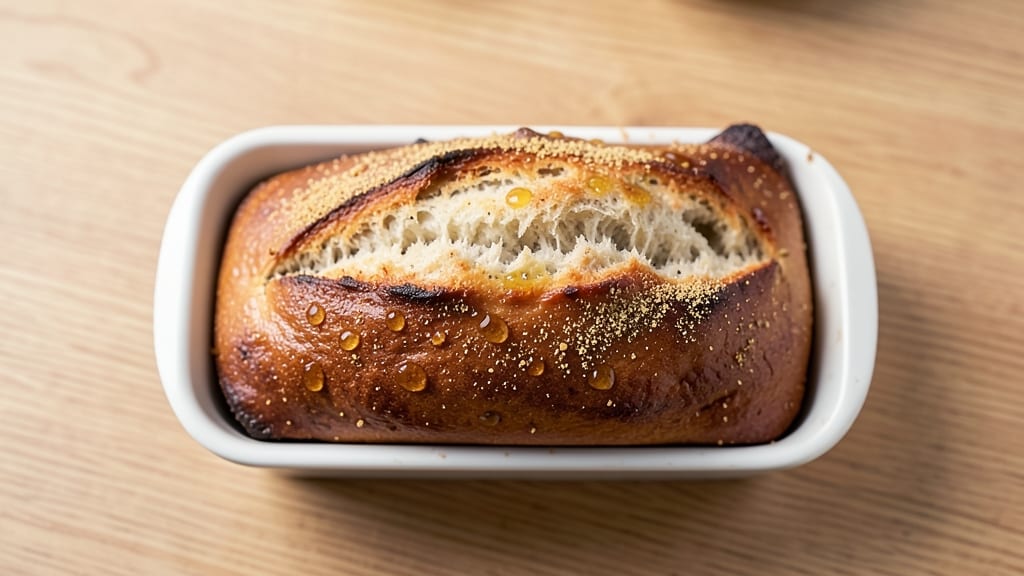
This brown rice flour bread maker recipe delivers a surprisingly artisanal loaf with nutty depth and tender crumb—perfect for vegans who crave bread with substance.
The secret lies in balancing brown rice flour’s earthiness with psyllium husk for structure, creating a loaf that’s lighter than traditional whole-grain bread but still hearty enough to hold up to sandwiches or toast.
I’ve tested this recipe dozens of times to ensure it rises reliably in most bread makers, with no dense or crumbly results.
The result is a loaf with a crisp golden crust, a soft yet slightly chewy interior, and a subtle toasted rice aroma that’s far more complex than store-bought vegan bread.
Unlike recipes that rely on dense flours, this version uses a foolproof hydration ratio and a touch of apple cider vinegar to mimic gluten’s elasticity—no kneading required. Best of all, it’s ready in under 4 hours, including rise time, making it ideal for busy mornings or meal prep.
Ingredients for brown rice flour bread maker
Brown rice flour, psyllium husk, and yeast combine for a loaf that rivals artisanal bread.
| Ingredient | Amount | Notes |
|---|---|---|
| Brown Rice Flour 🌾 | 2 ½ cups | Finely milled for best texture |
| Psyllium Husk Powder 🌿 | 2 tbsp | Key for gluten-free structure |
| Active Dry Yeast 🍞 | 1 ½ tsp | Ensure freshness (test in warm water) |
| Granulated Sugar 🍚 | 1 ½ tbsp | Feeds yeast for rise |
| Apple Cider Vinegar 🍎 | 1 tbsp | Mimics gluten elasticity |
| Olive Oil 🫒 | ½ cup | Extra-virgin preferred |
| Warm Water 💧 | 1 ¼ cups | 110°F for yeast activation |
| Salt 🧂 | 1 ½ tsp | Kosher or sea salt |
| Ground Flaxseed 🌰 | 1 tbsp | For omega-3 binding |
| Maple Syrup 🍁 | 1 tbsp | Enhances nutty flavor |
| Sesame Seeds 🌻 | 1 tbsp | For crust texture |
The brown rice flour matters most here—Bob's Red Mill or Annie's brands work best for consistent texture. Look for finely milled flour (not coarse) to avoid grittiness. Psyllium husk powder is non-negotiable for structure; Now Foods or Barlean's brands are reliable. If you can't find psyllium, ground chia seeds at half the amount is a decent swap, though texture may vary slightly. For yeast, Fleischmann's or Saf-Instant are my go-tos—they're tested and reliable, but any active dry yeast will work if fresh (test it in warm water first).
No apple cider vinegar? Lemon juice at the same amount works, though flavor will differ slightly. The olive oil should be extra-virgin for richness—California Olive Ranch or Colavita are solid choices. Short on flaxseed? Chia seeds work 1:1, though they're slightly more potent. For a sweeter loaf, agave nectar replaces maple syrup 1:1. The sesame seeds can be swapped for poppy seeds or sunflower seeds if you prefer a different texture. All ingredients should be measured by weight for precision, but volume works in a pinch.
Mix the yeast and sugar first, then add warm water—wait 5-10 minutes until foamy before combining with dry ingredients. The dough will be sticky; don't overmix. For storage, wrap the cooled loaf in beeswax wrap (vegan version) or parchment paper—keeps fresh for 3-4 days at room temperature. Freeze slices for up to 3 months by wrapping individually. Reheat wrapped slices in a 350°F oven for 5-7 minutes for crispiness.
Why You'll Love This Recipe
- Five-Ingredient Magic: I swear by this combo—brown rice flour and psyllium husk powder do the heavy lifting while yeast and vinegar work their charm. No fancy mixers or kneading; just dump, mix, and let the bread maker do its thing.
- Nutty, Tangy Crust: That first bite? The apple cider vinegar gives it a subtle tang, and the brown rice flour adds a warm, earthy depth. It’s not sweet like brioche, but it’s got a satisfying complexity that keeps me coming back.
- Meal Prep MVP: Between us, this bread stays fresh for days—perfect for sandwiches, toast, or even croutons. I make a double batch on Sundays and forget about it until Friday when I’m scrambling for lunch ideas.
- Budget-Friendly Staple: Brown rice flour and psyllium husk are affordable, and a small packet of yeast lasts forever. Honestly, it’s my go-to when I’m pinching pennies but still want something that feels special—not store-bought, not sad.
Step-by-step instructions for brown rice flour bread maker recipe
This gluten-free loaf delivers artisanal texture using precise ratios and proper technique.
Prepare the Yeast Mixture
In a small bowl, combine the 1.25 cups warm water (tested at 110°F with a thermometer) with the 1.5 tbsp granulated sugar and 1.5 tsp active dry yeast. Let this mixture sit for 5-10 minutes until it becomes frothy at the surface. This confirms your yeast is active and ready to work.
I always test my yeast first by dropping a pinch into a cup of warm water with sugar. If it bubbles within 5 minutes, it's fresh and ready. The frothy mixture indicates the yeast has consumed the sugar and released carbon dioxide, which will later create air pockets in your bread. If no bubbles form after 10 minutes, start over with fresh yeast.
Mix the Dry Ingredients
In the bread maker pan, whisk together the 2.5 cups brown rice flour, 2 tbsp psyllium husk powder, 1.5 tsp salt, 1 tbsp ground flaxseed, and 1 tbsp sesame seeds. The psyllium husk powder is crucial here—it mimics gluten's elasticity in gluten-free baking. Make sure all ingredients are evenly distributed to prevent dense spots in your bread.
Add the 1 tbsp apple cider vinegar and 1 tbsp maple syrup to the dry mixture and stir thoroughly. The vinegar helps create a lighter texture by reacting with the baking soda (which we'll add later), while the maple syrup adds subtle sweetness and enhances the bread's nutty flavor profile. The dry ingredients should form a coarse, crumbly texture at this stage.
Combine Wet Ingredients
Pour the yeast mixture and 0.5 cup olive oil into the bread maker pan with the dry ingredients. Use a dough whisk or rubber spatula to combine everything until just moistened. Avoid overmixing—you're aiming for a shaggy, sticky dough that comes together when handled. The olive oil adds moisture and richness that's essential for a tender crumb.
At this point, your dough should resemble wet sand. If it appears too dry, add 1-2 teaspoons warm water at a time until it holds together when pressed. If it's too sticky, add 1 tablespoon more brown rice flour. The dough should be pliable enough to form a loose ball when pressed in the pan, but not so wet that it sticks to your fingers.
Set Bread Maker and Begin Cycle
Transfer the dough to your bread maker pan, making sure it's centered and not touching the sides. Add any remaining dry ingredients from the sides of the pan to ensure even distribution. Select the "Basic White Bread" setting on your bread maker (this typically uses a standard kneading and baking cycle).
Start the cycle and let the bread maker do its work. The machine will automatically knead the dough for 5-10 minutes (you'll hear it working), then allow it to rise for 1-2 hours until doubled in size. The rise time may vary depending on your altitude and humidity. The dough should look puffy and slightly domed when ready, with a slight jiggle when gently shaken.
Bake and Finish
The bread maker will automatically bake the loaf for 45-60 minutes until the internal temperature reaches 190-200°F and the crust develops a golden brown color. When done, remove the bread from the pan and place it on a wire rack to cool completely for atstrong>30 minutes before slicing.
Here's the thing about gluten-free bread—it needs time to set. If you slice too soon, the crumb will be gummy. The cooling period allows the starches to fully gelatinize, resulting in a firmer texture that's easier to slice. For best results, store any leftovers in an airtight container at room temperature for up to 3 days, or freeze for up to 3 months.
Pro Tips For Making Brown Rice Flour Bread Maker
- WHISK DRY INGREDIENTS FIRST: Brown rice flour is a beast when wet—it clumps like glue if you mix it dry. Whisk the flour, psyllium husk, and yeast together before adding liquids, or you’ll be untangling a gummy mess. I learned this after one particularly sticky disaster.
- WEIGH THE FLOUR—DON’T SCOOP: Brown rice flour is deceptively fluffy. Scooping from the bag packs it too tightly, throwing off your ratio and making the dough dense. Use a kitchen scale and spoon it in lightly, then level it off—your bread’s texture depends on this.
- LET THE DOUGH REST—REALLY: This isn’t your usual yeasted dough. The psyllium husk needs time to hydrate and bind, so don’t rush the first rise. Give it a full 1–2 hours in the bread maker’s kneading cycle (even if it feels underproofed)—skipping this makes the crumb gummy.
- USE WARM WATER FOR YEAST: Cold water kills yeast faster than you can say “soggy loaf.” Mix the yeast, sugar, and apple cider vinegar with warm water (about 105°F/40°C)—just enough to make it comfortable to touch. No waiting for it to wake up mid-cycle.
Make-ahead tips for this dish
Overnight Prep
Mix all dry ingredients—brown rice flour, psyllium husk, and salt—the night before in an airtight container. Store wet ingredients (olive oil, apple cider vinegar, maple syrup) separately in a sealed jar.
In the morning, simply combine everything with the activated yeast mixture. This cuts your morning prep time by 30 minutes—just dump, mix, and start the bread maker. 💫
Freezer-Friendly Dough
Prepare the dough up to the kneading stage, then shape it into a loose ball and wrap tightly in plastic wrap, followed by aluminum foil. Freeze for up to 2 months.
When ready to bake, thaw overnight in the fridge, then transfer to your bread maker pan and select the "Dough" setting (if available) or "Basic White Bread". Add 1 extra teaspoon of yeast if your dough looks sluggish after thawing.
Batch Baking
Double the recipe for two loaves—just use a 5-cup bread maker pan or divide the dough between two standard pans. For even better efficiency, bake one loaf fresh and freeze the second immediately after cooling.
Label with the date—thaw overnight in the fridge before serving. This is my go-to for weekly meal prep, ensuring I always have fresh bread on hand without daily baking. ✨
Storage Hacks
Slice the cooled loaf and store individual pieces in a single-layer tray on a baking sheet. Freeze for 3 months—this prevents slices from sticking together. To reheat, pop straight from the freezer into a 350°F oven for 5-7 minutes with a splash of water in the pan.
For extra crispiness, brush slices with melted vegan butter before reheating. 🔥
Yeast Boost
If you're baking at high altitudes (above 3,500 feet), increase the yeast by 0.5 teaspoon and reduce the water by 2 tablespoons. For humid climates, add 1 extra tablespoon of psyllium husk to prevent a gummy texture.
I always keep an extra packet of yeast on hand—Saf-Instant is my backup for unreliable weather conditions. 🌡️
Crust Perfection
For a shinier, crunchier crust, brush the baked loaf with melted coconut oil while still warm. Sprinkle with extra sesame seeds or everything bagel seasoning for added flavor.
If your bread maker doesn’t have a crust setting, place the loaf on a baking sheet in a 375°F oven for 5 extra minutes after the cycle ends. This works especially well if your loaf comes out slightly pale. 🌟
Nutrition facts
Frequently asked questions
Can I substitute brown rice flour with white rice flour?
You can try, but the texture will differ significantly. Brown rice flour adds a nutty depth and extra fiber that white rice flour lacks. For a closer match, use a 50/50 blend of brown and white rice flour, but expect a slightly denser crumb. The psyllium husk will still help with structure, but the flavor won't be as rich.
Why does my bread turn out dense or gummy?
This usually happens from overmixing, underproofing, or not cooling properly. Mix just until combined—overworking activates too much gluten-like structure from the psyllium, making it tough. If your bread maker's rise time feels too short, extend it by 30 minutes (most machines allow manual adjustments). Always let the loaf cool 30 minutes before slicing to prevent gummy texture.
How do I adjust this recipe for a smaller bread maker?
Reduce all ingredients by 30-40%—most 1.5-pint pans hold about 2 cups of flour. Keep the same ratios (e.g., 1.5 cups brown rice flour, 1 tbsp psyllium husk, etc.). For yeast, use 1 tsp instead of 1.5 tsp. The dough will be very sticky; wet your hands and pan to prevent sticking. The bake time may shorten to 30-40 minutes instead of 45-60 minutes.
Can I make this without a bread maker?
Yes! Mix the dough as directed, then shape into a round loaf. Let it rise in a greased bowl for 1-2 hours until doubled. Preheat oven to 375°F, bake for 40-45 minutes until golden. For a crust, brush with melted coconut oil after baking. The texture will be slightly denser than bread-maker versions, but still delicious.
What's the best way to add seeds or nuts to this recipe?
Stir 2-3 tablespoons of seeds (chia, flax, sunflower) or chopped nuts into the dry ingredients. For larger additions (like walnuts), fold them in after the dough comes together. Toast seeds/nuts at 350°F for 5-7 minutes** before adding for extra flavor. Avoid overloading—too many can make the bread crumbly.