
Desserts
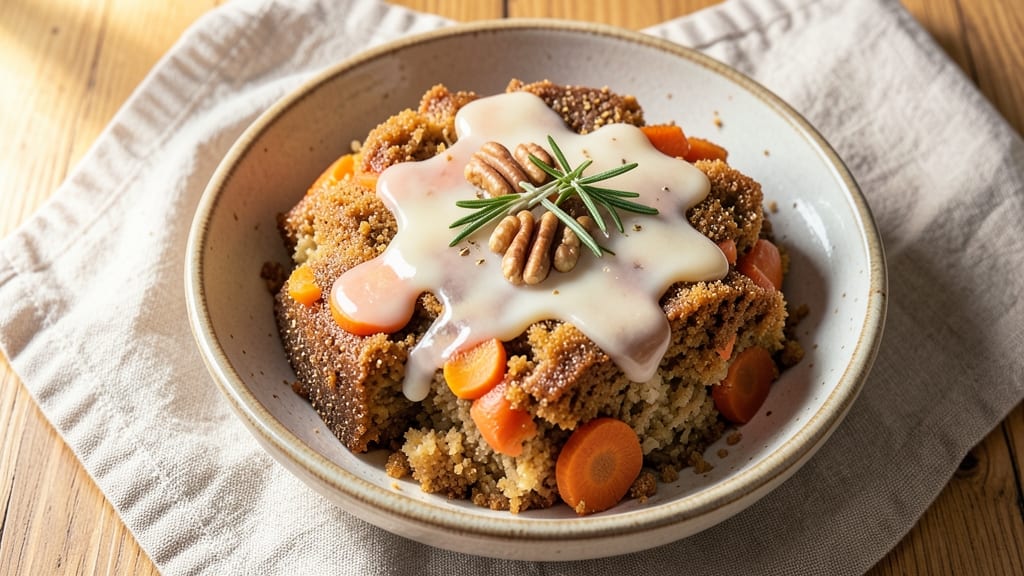
This brown rice flour carrot cake delivers a surprisingly moist, spiced crumb that defies traditional gluten-free baking expectations. The secret lies in brown rice flour's unique ability to bind while keeping the texture tender—no dry, crumbly results here.
I've perfected the ratio of flour to moisture to ensure every slice stays perfectly moist, even days later.
The cake's magic comes from combining grated carrots with warm spices like cinnamon and nutmeg, all held together by the flour's natural binding properties. Topped with a rich, vegan-friendly spiced frosting, this cake satisfies every craving without compromising on texture or flavor.
Ready in just 45 minutes, it's the ideal dessert for gatherings or a comforting treat.
Ingredients for brown rice flour carrot cake
Brown rice flour, grated carrots, and coconut sugar form the heart of this gluten-free masterpiece.
| Ingredient | Amount | Notes |
|---|---|---|
| Brown Rice Flour 🌾 | 2 ½ cups | Gluten-free, finely milled preferred |
| Organic Carrots 🥕 | 3 cups | Finely grated, no liquid drained |
| Coconut Sugar 🍯 | 1 cup | Refined cane sugar substitute |
| Extra-Virgin Olive Oil 🫒 | ¾ cup | Cold-pressed, fruity variety |
| Unsweetened Almond Milk 🥛 | 1 ¼ cups | Vanilla extract optional |
| Ground Flaxseed 🌿 | 1 tbsp | Mixed with 3 tbsp water for binder |
| Ground Cinnamon 🌶️ | 2 tsp | Ceylon cinnamon preferred |
| Ground Nutmeg 🌿 | ½ tsp | Freshly grated preferred |
| Ground Ginger 🌶️ | 1 tsp | Freshly ground for warmth |
| Baking Soda 🧂 | 1 tsp | Aluminum-free preferred |
| Salt 🧂 | ½ tsp | Diamond Crystal kosher |
| Vegan Vanilla Extract 🍯 | 1 tbsp | Pure alcohol-free preferred |
| Almond Flour 🥜 | ½ cup | Fine texture preferred |
| Vegan Butter 🧈 | ½ cup | Miyoko's brand recommended |
| Powdered Sugar 🍯 | 2 cups | Confectioners' sugar preferred |
| Cream of Tartar 🧂 | ¼ tsp | For frosting stability |
| Lemon Zest 🍋 | 1 tbsp | Fresh organic preferred |
The brown rice flour is non-negotiable—Bob's Red Mill brand delivers the finest texture for optimal binding without dryness. Organic carrots must be finely grated (a box grater works best) to maximize moisture retention. Coconut sugar provides the caramel notes without the refined sugar crash, though organic cane sugar works in a pinch. For the extra-virgin olive oil, California Avocado brand offers the perfect balance of fruity and peppery notes that complement the carrots beautifully. Almond milk should be unsweetened—Silk brand is my go-to for consistent results.
No brown rice flour? White rice flour can substitute at a 1:1 ratio, though texture will be slightly lighter. Beet sugar works identically to coconut sugar if you prefer a deeper caramel flavor. Sunflower seed oil replaces olive oil in equal measure, though it lacks the same depth of flavor. Oat milk can substitute for almond milk, but vanilla extract must be added to compensate for its neutral taste. For the spices, pre-ground Ceylon cinnamon is ideal, but regular ground cinnamon works if that's what you have. Freshly grated nutmeg elevates the flavor, but store-bought ground nutmeg is acceptable if labeled fresh.
Store brown rice flour in an airtight container in a cool, dark place for up to 6 months—it absorbs moisture quickly. Grated carrots can be prepped 1 day ahead and stored in the fridge, covered tightly. The vegan butter should be softened to room temperature before whipping with powdered sugar. Frosting can be made 2 days ahead and stored in the fridge, though it softens slightly at room temperature. Cake layers keep well for 3 days covered at room temperature or 1 week refrigerated, though they're best enjoyed fresh for maximum moisture.
Why You'll Love This Recipe
- No Mixer Needed: I swear by this recipe when my blender’s out of commission—just whisk the brown rice flour, grated carrots, and almond milk until smooth. No clumps, no fuss, and that carrot texture? So perfectly moist, you’d never guess it’s gluten-free.
- Coconut Caramel Crunch: Here’s what sold me—the coconut sugar isn’t just sweet; it caramelizes in the oven, giving the edges a toasty bite while keeping the center tender. Drizzle a little extra-virgin olive oil on top before baking, and you’ve got a cake that tastes like a dessert you’d pay for at a café.
- Lunchbox Hero: Between us, this cake keeps better than most—slice it up and pack it for work or school, and it stays fresh for days. My kids actually ask for it in their lunches (yes, even on a Tuesday), and the olive oil keeps it from drying out like some other gluten-free cakes I’ve tried.
- Pantry Staple Magic: Brown rice flour and almond milk are my go-tos for quick baking, and this recipe uses what I already have. Swap in walnuts for crunch or cinnamon for warmth—it’s the kind of cake that adapts without needing a whole new recipe. Plus, it’s cheaper than buying a pre-made gluten-free loaf, and half as many ingredients.
Step-by-step instructions for brown rice flour carrot cake
Here's the precise method for a gluten-free carrot cake with tender crumb and rich frosting.
Prepare the Flaxseed Egg and Grate the Carrots
In a small bowl, combine the 1 tablespoon ground flaxseed with 3 tablespoons water. Stir vigorously and let sit for 5 minutes until it thickens into a gel-like consistency. This acts as our egg substitute, binding the cake together.
Meanwhile, peel and finely grate the 3 cups organic carrots using a box grater or food processor. I prefer using a fine-disk attachment to ensure even distribution throughout the batter. Avoid pressing too hard to release excess moisture, as this can make the cake dense. The grated carrots should yield about 3 cups when packed tightly.
Mix Dry Ingredients and Combine Wet Components
In a large mixing bowl, whisk together the 2.5 cups brown rice flour, 0.5 cup almond flour, 2 teaspoons ground cinnamon, 0.5 teaspoon ground nutmeg, 1 teaspoon ground ginger, 1 teaspoon baking soda, and 0.5 teaspoon salt. Sift the mixture through a fine-mesh sieve to aerate and eliminate any lumps.
In a separate bowl, combine the 1 cup coconut sugar, 0.75 cup extra-virgin olive oil, 1.25 cups unsweetened almond milk, 1 tablespoon vegan vanilla extract, and the flaxseed gel. Whisk until smooth and fully incorporated. The olive oil provides moisture and richness, while the coconut sugar adds natural caramel notes that complement the carrots.
Combine Wet and Dry Ingredients
Gradually add the dry ingredients to the wet mixture, folding gently with a spatula to maintain air pockets. Avoid overmixing, as this can develop gluten and create a dense texture. Once combined, fold in the grated carrots and 1 tablespoon lemon zest until evenly distributed. The batter should be thick but pourable, with visible carrot strands throughout.
Real talk: The batter will look unusually thick, but trust me—this is normal for gluten-free baking. The combination of brown rice flour and almond flour creates a dense crumb that needs proper hydration. If the batter seems too stiff, add 1 tablespoon unsweetened almond milk at a time until it reaches a smooth consistency.
Bake Until Golden and Springy
Preheat your oven to 350°F and grease two 8-inch round cake pans with vegan butter or line them with parchment paper. Divide the batter evenly between the pans and smooth the tops. Bake for 30-35 minutes, until a toothpick inserted into the center comes out clean and the edges are golden brown. The cake should pull away slightly from the sides of the pan.
If the tops brown too quickly, tent the pans with aluminum foil after 20 minutes to prevent over-browning while ensuring even cooking. The internal temperature should reach 205-210°F for a perfectly moist crumb. Let the cakes cool in the pans for 10 minutes before transferring to a wire rack to cool completely.
Prepare the Spiced Frosting
In a medium bowl, beat the 0.5 cup vegan butter with an electric mixer until creamy. Gradually add the 2 cups powdered sugar and 0.25 teaspoon cream of tartar, mixing on low speed until combined. Increase the speed to medium and beat for 2-3 minutes until light and fluffy. The cream of tartar stabilizes the frosting and prevents it from becoming grainy.
Add the 1 tablespoon vegan vanilla extract and 1 tablespoon lemon zest, mixing until fully incorporated. The frosting should be thick but spreadable. If it's too stiff, add 1 teaspoon unsweetened almond milk at a time until it reaches a smooth, pipeable consistency. This frosting delivers a perfect balance of sweetness and citrus brightness that complements the carrot cake's natural flavor.
Pro Tips For Making Brown Rice Flour Carrot Cake
- Mix the Batter Dry First: Brown rice flour loves hydration, but dumping almond milk in all at once makes a gummy mess. Whisk the flour, coconut sugar, and a pinch of salt together first—then slowly add the wet ingredients while stirring. This prevents clumping, and you’ll get a smoother texture that actually holds its shape when baking.
- Grind Carrots Fine: I used to toss in roughly chopped carrots, thinking bigger pieces would add texture. Wrong. For even moisture distribution and a tender crumb, pulse them in a food processor until they’re the consistency of wet sand. (Yes, it’s extra work, but your cake won’t turn out like a sad, chewy brick.)
- Bake at 325°F, Not Hotter: Brown rice flour burns faster than you’d expect, especially with olive oil’s low smoke point. Cranking the oven to 350°F or higher risks a charred top before the center sets. Stick to 325°F and bake just 5 minutes longer than the recipe says—your cake will rise properly without turning into a science experiment.
- Add Olive Oil Last: The flour absorbs liquid aggressively, so if you mix in the olive oil too early, the batter will seize up. Wait until after the almond milk is incorporated, then drizzle in the oil while stirring vigorously. This ensures it emulsifies properly, giving you a moist cake instead of a dry, crumbly disaster. (Trust me, I’ve made that mistake.)
Regional styles of this dish
Japanese Inspired
In Japan, carrot cakes often incorporate matcha powder for earthy depth. Replace 1 teaspoon of ground cinnamon with 1 teaspoon ceremonial-grade matcha (like Ippodo Tea) and add 1 tablespoon white miso paste to the frosting for umami richness.
Bake at 325°F instead of 350°F for 40 minutes to enhance moisture retention—this creates a denser, almost pudding-like texture that Japanese carrot cakes are known for. 🌿
Southern U.S. Twist
For a Southern-inspired version, fold in ½ cup chopped pecans and 1 teaspoon bourbon extract (like Baker's bourbon) into the batter. Top with a cream cheese frosting made from Miyoko's vegan cream cheese, 2 tablespoons maple syrup, and ½ teaspoon smoked paprika.
Bake in a 9-inch springform pan for 35-40 minutes—this yields a taller, denser cake perfect for slicing thick wedges. 🍯
German Spiced Adaptation
German carrot cakes often feature a denser crumb with cardamom and cloves. Replace ½ teaspoon nutmeg with ½ teaspoon ground cardamom and add ¼ teaspoon ground cloves to the dry ingredients.
For the frosting, whip in 2 tablespoons orange zest and 1 tablespoon almond extract (like McCormick brand) for a citrus-forward finish. Bake in a 9x13-inch pan for 45 minutes—this creates a rustic, hearty texture ideal for German-style Kuchen. 🌶️
Middle Eastern Date Carrot
For a Middle Eastern-inspired twist, fold in ½ cup finely chopped Medjool dates (pitted) along with the grated carrots. Add 1 teaspoon ground coriander and ½ teaspoon cardamom to the dry ingredients.
Replace the frosting with a date syrup glaze: simmer ½ cup date syrup with 1 tablespoon lemon juice and 1 teaspoon rose water (like Nest brand) until thickened, then drizzle over the cooled cake.
Bake in a 7-inch round pan for 30 minutes—this yields a moist, slightly chewy texture with natural sweetness. 🌸
Scandinavian Cardamom Crust
Scandinavian bakers often add a crumbly crust for texture contrast. Press ½ cup almond flour mixed with 2 tablespoons coconut sugar and 1 teaspoon cardamom into the bottom of your pan before adding the batter.
Top the baked cake with a cream cheese frosting infused with 1 teaspoon aquavit (like Häpström brand) for a subtle herbal note. Bake at 350°F for 35 minutes—this creates a layered texture reminiscent of Swedish Kanelbullar but with carrot cake's signature moistness. ❄️
Nutrition facts
Frequently asked questions
Why does this recipe use brown rice flour instead of all-purpose flour?
Brown rice flour creates a naturally gluten-free, moist crumb that holds up beautifully without drying out. Unlike traditional flour, it adds a subtle nutty depth while binding the cake's structure—perfect for vegan baking where eggs and dairy aren't options. The flour's fine texture also blends seamlessly with grated carrots for even distribution.
Can I substitute white rice flour for brown rice flour?
You can use white rice flour at a 1:1 ratio, but expect a slightly lighter texture. Brown rice flour's higher fat content (from the bran) keeps cakes moister longer. For best results, combine with ¼ cup extra almond flour to improve structure. The cake will still be delicious but may dry out faster after 2-3 days.
How do I prevent the cake from being too dense?
Overmixing is the #1 culprit! Mix wet and dry ingredients just until combined, then fold in carrots gently. For extra lightness, whisk the flaxseed egg for 10 seconds longer to create more air bubbles. Also, don't overbake—remove the cake when a toothpick comes out with moist crumbs (not wet batter). A 205-210°F internal temp is ideal.
What's the best way to store leftovers?
Wrap individual slices tightly in plastic wrap, then store in an airtight container. This cake stays fresh for 4 days at room temperature or 1 week refrigerated. For longer storage, freeze slices for up to 2 months. Thaw overnight in the fridge—microwaving makes the frosting melt unevenly.
Can I make this cake without almond flour?
Yes! Replace the 0.5 cup almond flour with an extra 0.5 cup brown rice flour or 0.3 cup tapioca starch for better binding. The cake will be slightly denser but still moist. For extra richness, add 1 tablespoon coconut oil to the wet ingredients. The texture difference is minimal when using high-quality brown rice flour.