
Main Courses
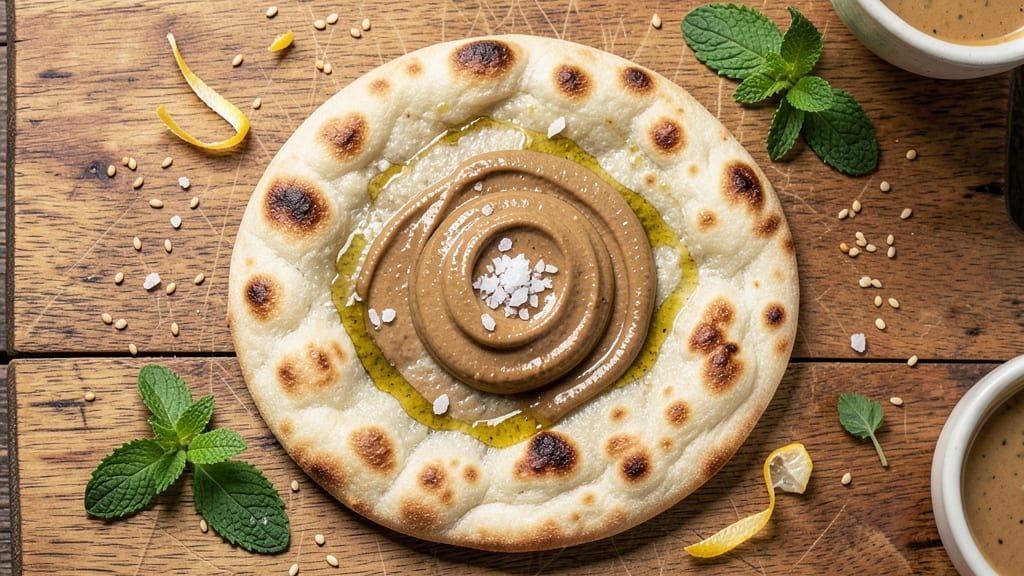
This brown rice flour flatbread recipe transforms simple pantry staples into a versatile, gluten-free wrap that rivals traditional flatbreads. 💛 The secret lies in balancing hydration and resting time to achieve a tender yet sturdy texture—perfect for curries, dips, or even sandwiches.
Unlike refined flour versions, this recipe delivers nutrient-rich results without sacrificing flavor or structure.
The dough comes together in 10 minutes with just four ingredients, yet delivers professional-quality flatbreads when cooked on a hot skillet or griddle. Inspired by Indian bhatura and Middle Eastern khobz, this modern adaptation works for vegan diets, meal prep, or quick lunches.
The key? A 5-minute rest before rolling ensures pliable, tear-free flatbreads that crisp beautifully.
Ingredients for brown rice flour flatbread
Four core ingredients plus optional spices create gluten-free flatbreads with restaurant-quality texture.
| Ingredient | Amount | Notes |
|---|---|---|
| Brown Rice Flour 🌾 | 2 cups | Gluten-free, finely milled preferred |
| Warm Water 💧 | 1 ¼ cups | 110°F for optimal hydration |
| Extra-Virgin Olive Oil 🫒 | 2 tbsp | High-quality, fruity variety |
| Salt 🧂 | ½ tsp | Fine sea salt preferred |
| Active Dry Yeast 🍞 | ¼ tsp | Instant yeast works too |
| Tahini 🥜 | 1 tbsp | For nutty depth (optional) |
| Garlic Powder 🧄 | ½ tsp | Freshly ground preferred |
| Cumin Seeds 🌿 | ½ tsp | Toasted for enhanced aroma |
Brown rice flour is the foundation here—Bob's Red Mill or Anthony's Goods brands yield the finest texture. The flour should be freshly milled if possible, as older batches absorb moisture inconsistently. Warm water (around 110°F) activates the yeast gently without killing it, though you can skip yeast entirely for a quicker, flatbread-style wrap. For the olive oil, California Extra Virgin or Colavita brands provide the best balance of flavor and heat stability during cooking. Store your flour in an airtight container to prevent clumping, which can disrupt dough consistency.
No yeast? Baking powder at 1 tsp creates a quick-rise version, though texture will differ slightly. Substitute tahini with nut butter (sunflower or almond) for nut-free options, though flavor will vary. For the spices, Penzeys offers high-quality cumin seeds—lightly toast them in a dry pan for 30 seconds to deepen their aroma. If you're short on time, ground cumin at half the amount works in a pinch. The garlic powder should be freshly ground if possible, as pre-ground spices lose potency quickly. For extra richness, add 1 tsp nutritional yeast to mimic cheesy notes.
The dough keeps best in the fridge for 2 days when wrapped tightly in plastic. For longer storage, shape and freeze flatbreads on a parchment-lined tray before transferring to a sealed bag—3 months works perfectly. Reheat frozen flatbreads in a skillet for 1-2 minutes per side or warm in a 350°F oven for 5-7 minutes. These reheat beautifully, making them ideal for meal prep. For extra crispiness, brush warm flatbreads with a bit of olive oil before serving.
Why You'll Love This Recipe
- Five-Ingredient Magic: I swear, this flatbread comes together with fewer ingredients than my morning coffee order. Just flour, water, olive oil, salt, and yeast—no fancy pantry trips or last-minute grocery runs. The yeast does the heavy lifting while I handle the mixing, which takes less time than waiting for the kettle to boil.
- Nutty Earthy Crunch: Between us, the brown rice flour gives these flatbreads a toasty, almost nutty depth that’s way more interesting than your average naan. The olive oil keeps them tender inside while the edges crisp up just enough—like a perfect balance of chewy and crispy. (Yes, even on a Tuesday night.)
- Meal Prep MVP: I make a double batch every Sunday and freeze them between parchment paper. They reheat in seconds—straight from frozen, no thawing—so I can slap one on a plate for breakfast toast, a quick wrap for lunch, or even a makeshift pizza crust. Zero waste, all flavor.
- Budget-Friendly Staple: Honestly, this recipe costs me pennies per serving, and I’m not exaggerating. Brown rice flour is cheap, yeast lasts forever, and olive oil stretches further than store-bought flatbread dough. Plus, the leftovers keep for days in the fridge or freezer—no sad, dried-out scraps here.
Step-by-step instructions for brown rice flour flatbread
Here's how to craft perfectly flexible, gluten-free wraps with minimal effort.
👨🍳 Step 1: Activate the Yeast and Mix Wet Ingredients
In a small bowl, combine the 1.25 cups warm water (around 110°F) with the 0.25 tsp active dry yeast. Let it sit for 5 minutes until it becomes frothy—this confirms the yeast is active. If it doesn't bubble, your yeast may be dead, and you'll need to start over.
In a separate bowl, whisk together the 2 tbsp extra-virgin olive oil, 1 tbsp tahini, 0.5 tsp salt, 0.5 tsp garlic powder, and 0.5 tsp cumin seeds. Toast the cumin seeds in a dry pan for 30 seconds until fragrant before adding them to the mixture. This step enhances their aroma and prevents a raw, bitter taste in the final flatbread.
👨🍳 Step 2: Combine Wet and Dry Ingredients
Add the yeast mixture to the bowl with the wet ingredients and stir to combine. Gradually incorporate the 2 cups brown rice flour while mixing with a wooden spoon or silicone spatula. The dough will be sticky and slightly wet—this is normal for gluten-free flatbreads. Avoid adding extra flour, as it can make the flatbreads dense instead of flexible.
Mix until the dough comes together into a shaggy mass. If it's too thick, add 1-2 tablespoons of warm water to loosen it. The ideal consistency is like thick pancake batter. Cover the bowl with a damp towel and let the dough rest for 15 minutes at room temperature. This allows the flour to fully hydrate and the flavors to meld.
🍳 Step 3: Divide and Shape the Dough
After resting, the dough should be slightly more cohesive. Divide it into 4 equal portions (about ½ cup each) and roll each into a ball. Place the balls on a lightly floured surface and cover them with the damp towel to prevent drying. Let them rest for another 5 minutes—this makes rolling easier and prevents cracking.
Using a rolling pin, gently flatten each ball into an oval shape, about ⅛-inch thick. Brown rice flour flatbreads are delicate, so avoid pressing too hard. If the dough sticks, wet your hands slightly to help guide it. The edges will naturally be thicker than the center—this is perfect for creating flexible, wrap-like texture.
🔥 Step 4: Cook the Flatbreads to Golden Perfection
Heat a clean skillet or griddle over medium heat. Place one flatbread in the pan and cook for 1-2 minutes per side, until small bubbles form on the surface and the edges turn light golden brown. Press down gently with a spatula to help it cook evenly—this prevents air pockets and ensures flexibility.
Transfer the cooked flatbread to a clean kitchen towel to keep it soft. Repeat with the remaining dough balls, keeping the cooked flatbreads warm in a 200°F oven if needed. The flatbreads should be pliable enough to fold or wrap without cracking, with a subtle nutty aroma from the brown rice flour and a hint of garlic and cumin.
⏰ Step 5: Rest and Serve for Maximum Flexibility
Let the flatbreads rest for 2-3 minutes before using them. This brief resting period allows the gluten-free structure to relax, making them even more pliable. Stack them with a clean towel between each to prevent sticking.
Serve immediately for the best texture—these flatbreads are designed to be used fresh. They're perfect for stuffing with fillings like grilled vegetables, hummus, or protein of your choice. If storing, wrap them tightly in plastic wrap and refrigerate for up to 2 days, or freeze for up to 1 month. Reheat in a dry skillet for 30 seconds per side to restore flexibility.
Pro Tips For Making Brown Rice Flour Flatbread
- Mix the Dough Like a Batter: Brown rice flour is stubborn—don’t try to knead it like wheat dough. Whisk the warm water, olive oil, yeast, and salt into the flour until it clumps like thick pancake batter, then let it sit. After 10 minutes, it’ll magically come together when you fold it gently. I used to overmix and end up with dense, tough flatbreads—this method fixes that.
- Use a 10-Minute Yeast Proof: Skip the long rise—brown rice flour dough doesn’t need it. Dissolve the yeast in warm water (not hot) with a pinch of sugar (if your recipe lacks it), then let it sit for exactly 10 minutes until foamy. Add it to the flour mix and wait another 10 minutes before shaping. This ensures enough lift without overproofing, which makes the flatbread gummy.
- Shape Flat, Not Thick: Roll the dough into a thin, even circle—about ⅛-inch thick. Thicker spots won’t cook through evenly, and you’ll end up with chewy centers while the edges burn. Press firmly with your palms if it resists, then let it rest 5 minutes before cooking. I learned this after making lumpy flatbreads that tasted half-done.
- Cook on Medium-High Heat: Heat your skillet or griddle until it’s hot enough to sizzle a drop of water instantly. Cook the flatbread for 2–3 minutes per side, pressing down lightly with a spatula to help it puff. Too-low heat = soggy centers; too-high heat = burnt edges before the inside cooks. Medium-high is the Goldilocks zone—trust me, I’ve tested all three.
Wine and beer pairings for this dish
Wine Pairings
For these nutty, aromatic flatbreads, I reach for crisp white wines that cut through the richness while complementing the earthy brown rice flour. A dry Riesling from Germany—like Dr. Loosen Blue Slate—works beautifully with its bright acidity and hints of citrus and peach.
The wine’s minerality mirrors the subtle nuttiness of the flatbread, creating a harmonious balance. 🍷
Light Beer Options
If you prefer beer, opt for a wheat beer or Belgian witbier to avoid overwhelming the delicate flavors. Allagash White with its coriander and orange peel notes enhances the cumin and garlic in the flatbread.
For a lighter option, a Mexican lager like Modelo Especial provides a clean, refreshing contrast without competing.
Red Wine for Bold Fillings
If serving with hearty fillings like spiced lentils or grilled meats, a light-bodied red wine like Pinot Noir from Oregon pairs wonderfully. Its red fruit and earthy undertones echo the cumin and garlic in the flatbread while standing up to rich toppings. Avoid heavy Cabernets—they can overpower the delicate texture.
Non-Alcoholic Pairings
For a refreshing non-alcoholic option, try sparkling apple cider with a squeeze of lemon. The effervescence cleanses the palate between bites, while the tartness balances the flatbread’s nuttiness. Yerba mate iced tea with a touch of honey also works—its herbal notes complement the cumin and garlic beautifully. 💧
Regional Adaptations
Inspired by Middle Eastern khobz, pair with mint tea or pomegranate juice to highlight the flatbread’s simplicity. For an Indian-inspired twist, serve with masala chai to enhance the cumin’s warmth. Both pairings honor the flatbread’s global roots while keeping the focus on its natural flavors.
Sweet Contrasts
For dessert-style flatbreads (sweetened with honey or jam), a Moscato d'Asti or Riesling Kabinett adds a fruity, slightly sweet contrast. The wine’s effervescence and light body prevent the flatbread from feeling too heavy. If you prefer beer, a Belgian blonde ale like Stella Artois offers a crisp, malty balance. 🍯
Nutrition facts
Frequently asked questions
Can I make this flatbread without yeast?
Replace the yeast with 1 teaspoon baking powder for a quick version that rises without fermentation. The texture will be slightly denser but still flexible. For extra fluffiness, add ½ teaspoon baking soda to the dough. Cook immediately after shaping, as the dough won't need to rest.
Why does my dough keep sticking to the surface?
Brown rice flour dough is naturally sticky due to its high protein content. Wet your rolling pin and hands slightly to prevent sticking, or dust with a tiny bit of extra flour only where needed. Avoid over-flouring, as it can make the flatbreads dry. A well-hydrated dough (like thick pancake batter) is ideal for flexibility.
How do I make these flatbreads extra crispy?
For maximum crispiness, cook on a very hot skillet (medium-high heat) and press down gently with a spatula during cooking. After removing from the pan, place the flatbreads on a wire rack for 2-3 minutes to cool and crisp. For oven-baked versions, brush with olive oil before baking at 400°F for 8-10 minutes.
Can I use other gluten-free flours?
Yes! Try a 50/50 mix with almond flour for nuttier flavor or coconut flour (reduce water by ¼ cup as it absorbs more). For a lighter texture, blend ½ cup sorghum flour with the brown rice flour. Each substitution may require slight adjustments to hydration—start with the recipe as written and adjust by 1 tablespoon increments.
What's the best way to store leftover flatbreads?
Wrap tightly in plastic wrap or store in an airtight container to prevent drying. Keep at room temperature for 1 day or refrigerate for 2 days. For longer storage, freeze flatbreads between parchment paper for up to 1 month. Reheat in a dry skillet for 30 seconds per side or warm in a 350°F oven for 5 minutes.