
Main Courses
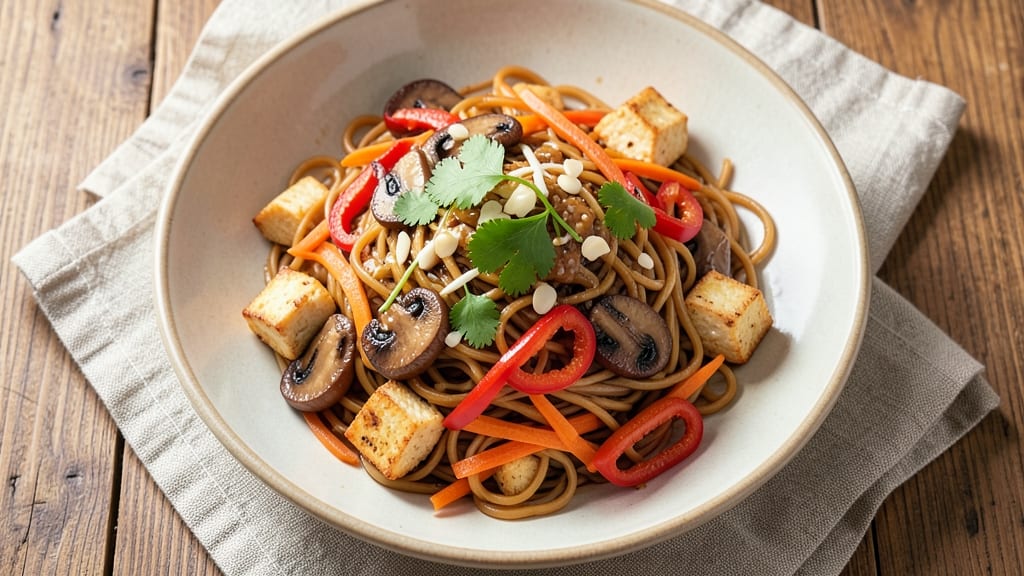
This brown rice noodles recipe vegetarian delivers restaurant-quality stir-fry with crispy edges and deep umami flavor using simple pantry staples. The secret lies in perfectly cooked noodles—firm enough to hold shape yet tender enough to soak up bold sauces—paired with protein-rich mushrooms and tofu for a satisfying, plant-based meal.
What sets this dish apart is the balance of textures: crispy stir-fried vegetables, chewy noodles, and a tangy peanut-lime dressing that ties everything together. Unlike traditional rice noodles, brown rice noodles offer a nutty depth and higher fiber content, making this a nutrient-dense yet indulgent dish.
Ready in 20 minutes, it’s ideal for weeknight dinners or meal prep.
Ingredients for brown rice noodles recipe vegetarian
These ingredients balance texture and umami for a vegetarian stir-fry that rivals restaurant quality.
| Ingredient | Amount | Notes |
|---|---|---|
| Brown Rice Noodles 🍜 | 8 oz | Dried, uncooked, medium-width preferred |
| Extra-Firm Tofu 🍱 | 1 lb | Pressed, cubed into 1-inch pieces |
| Shiitake Mushrooms 🍄 | 8 oz | Stemmed, sliced into 1/4-inch pieces |
| Bell Peppers 🌶️ | 1 whole | Red or yellow, cut into thin strips |
| Carrots 🥕 | 1 whole | Julienned into matchsticks |
| Garlic Cloves 🧄 | 6 cloves | Minced finely |
| Fresh Ginger 🌿 | 1 ½ tbsp | Grated finely |
| Peanut Butter 🥜 | ¼ cup | Natural, unsweetened |
| Lime Juice 🍋 | ½ cup | Freshly squeezed |
| Soy Sauce 🍶 | ¼ cup | Low-sodium preferred |
| Sesame Oil 🫒 | 1 ½ tbsp | Toasted, for aroma |
| Vegetable Oil 🫒 | ½ cup | High smoke point |
| Sesame Seeds 🌾 | 1 tbsp | Toasted for garnish |
| Cilantro 🌿 | ¼ cup | Chopped, for garnish |
| Red Chili Flakes 🌶️ | ½ tsp | Optional, for heat |
The brown rice noodles are the foundation—opt for medium-width dried noodles from Asian markets for the best texture. Brands like Thai Kitchen or Nongshim deliver consistent quality, but check the label for 100% brown rice content. Shiitake mushrooms provide deep umami; fresh, organic varieties from Whole Foods or local farmers' markets maximize flavor. For the tofu, extra-firm is non-negotiable—press it for 20 minutes to remove excess water, ensuring crispy edges. Bell peppers and carrots should be crisp—avoid pre-cut, wilted produce. The garlic and ginger? Freshly grated or minced—never powdered, as it lacks the aromatic depth this dish demands.
No shiitake mushrooms? Oyster mushrooms or cremini work in a pinch, though flavor will differ slightly. Peanut butter must be natural, unsweetened—brands like Smucker's Natural or Crazy Richard's ensure no added sugars. Substitute lime juice with lemon juice if needed, but reduce to 3 tbsp for balance. For soy sauce, low-sodium varieties like Kikkoman or San-J prevent over-salting. Sesame oil should be toasted—look for 100% pure in the Asian foods aisle. The red chili flakes can be swapped for sriracha or gochujang at half the amount for a different heat profile. Fresh cilantro is ideal, but dried oregano at one-third the amount works if you're out.
Store dried noodles in an airtight container for up to 6 months. Pressed tofu keeps for 3-4 days in the fridge, wrapped tightly in a towel. Fresh ginger and garlic last 1 week in the fridge, while bell peppers and carrots stay crisp for 5-7 days. The peanut-lime dressing holds for 5 days refrigerated—shake well before use. For meal prep, portion noodles and dressing separately to maintain texture. Reheat gently in a steamer or with 1 tbsp water to prevent drying. Garnishes like sesame seeds and cilantro should be added fresh post-cooking for maximum vibrancy.
Why You'll Love This Recipe
- Here’s what sold me: those shiitake mushrooms and crispy tofu cubes packed with flavor. The mushrooms add this deep, earthy punch, and the tofu? Pan-fried until golden and chewy—it’s the kind of bite that makes you go back for seconds without even thinking.
- I’ll be real: this recipe doesn’t break the bank. Brown rice noodles are cheap, tofu’s a protein powerhouse, and mushrooms stretch further than you’d think. Plus, bell peppers and carrots? They’re the kind of veggies that don’t cost an arm and a leg—just flavor.
Step-by-step instructions for umami-packed vegetarian stir-fry
Master the balance of texture and flavor with this method—crispy edges meet tender bites.
Prepare the Tofu for Maximum Crispiness
Press the 1 lb extra-firm tofu between paper towels for 20 minutes to remove excess moisture. Cut it into 1-inch cubes, then toss them in a bowl with 1 tablespoon of the 0.5 cup vegetable oil and a pinch of salt. This pre-seasoning ensures even flavor absorption later.
Heat 2 tablespoons of the vegetable oil in a large skillet over medium-high heat until shimmering. Add the tofu in a single layer, being careful not to overcrowd the pan. Cook undisturbed for 4-5 minutes until golden brown on one side—this creates that coveted crispy exterior. Flip once and cook another 3-4 minutes until evenly browned. Transfer to a plate and set aside.
Stir-Fry Vegetables in Stages for Optimal Texture
In the same skillet, add 1 tablespoon of the sesame oil and 1 tablespoon of vegetable oil. Increase heat to high and add the 8 oz shiitake mushrooms, sliced into ¼-inch pieces. Stir-fry for 3-4 minutes until they release their moisture and develop a slightly charred edge.
Push the mushrooms to one side of the pan, then add the 1 whole bell pepper in thin strips and 1 whole carrot julienned into matchsticks. Cook for 2-3 minutes until the peppers soften slightly and the carrots begin to blister at the edges. Add the 6 cloves minced garlic and 1.5 tablespoons finely grated ginger, cooking for 30 seconds until fragrant. Combine everything in the pan and stir for another minute.
Cook the Noodles Al Dente
Bring a large pot of water to a rolling boil and add 1 tablespoon of salt. Add the 8 oz brown rice noodles and cook for 2-3 minutes less than package instructions—these noodles continue cooking when tossed with hot ingredients. Drain and rinse briefly under cold water to stop the cooking process. Toss with 1 tablespoon of the sesame oil to prevent sticking.
Create the Peanut-Lime Sauce
In a small bowl, whisk together the 0.25 cup natural peanut butter, 0.5 cup lime juice, 0.25 cup soy sauce, and 0.5 teaspoon red chili flakes (if using). Thin with 2 tablespoons of hot water until smooth. The sauce should coat the back of a spoon but remain thick enough to cling to the noodles.
Combine and Finish with Crispy Edges
Return the skillet with vegetables to medium heat and add the cooked tofu back in. Pour the peanut-lime sauce over everything and toss vigorously to coat. Add the drained noodles and toss for 1-2 minutes until everything is evenly coated and heated through.
Garnish with 1 tablespoon toasted sesame seeds and 0.25 cup chopped cilantro. Serve immediately while the noodles are hot and the edges remain crispy. The contrast of textures—crispy tofu, tender mushrooms, and silky noodles—will make this dish unforgettable.
Pro Tips For Making Brown Rice Noodles Recipe Vegetarian
- PREP MUSHROOMS FIRST: I learned this the hard way—soaking shiitake mushrooms in hot water for 10 minutes before slicing makes them tender without turning to mush. Drain and pat dry; they’ll absorb flavors better and stay firm in your stir-fry.
- CRISP THE TOFU: After pressing tofu, cut it into ½-inch cubes and pan-fry them in a dry, screaming-hot wok with 1 tablespoon of oil for 3–4 minutes per side. The high heat gives you that satisfying crunch without drowning in oil—trust me, your noodles will thank you.
- SALT THE NOODLES: Rinse the brown rice noodles only if they’re rock-hard, then toss them in a bowl with 1 teaspoon of salt and 1 tablespoon of oil before adding sauce. This keeps them from sticking and makes them absorb flavors like a sponge—no more bland, limp noodles.
- STIR-FRY IN BATCHES: Overcrowding the pan steams your veggies instead of searing them. Work in two batches: tofu first (3 minutes), then shiitakes and bell peppers (2 minutes), and finally carrots (1 minute). Your stir-fry will have texture, not a sad, soggy mess.
Common mistakes when making great brown rice noodles recipe vegetarian
Overcooking Noodles
Brown rice noodles cook faster than traditional white rice noodles, so 2-3 minutes less than package instructions is key. I’ve ruined countless batches by following directions literally—these noodles continue cooking when tossed with hot ingredients.
Test one strand at 1 minute intervals for al dente texture. Overcooked noodles turn mushy and clump together, ruining the dish’s delicate texture. 🍜
Skipping the Tofu Press
Pressing tofu for 20 minutes removes excess moisture, ensuring crispy edges instead of steamed, soggy cubes. I once skipped this step and ended up with tofu that absorbed sauce like a sponge.
Use paper towels and a heavy object (like a cast-iron skillet) for even pressure. If short on time, press for 10 minutes minimum—just expect slightly less crispiness.
Overcrowding the Pan
Stir-frying too many ingredients at once steams them instead of searing. I’ve made this mistake with tofu and vegetables, resulting in bland, watery dishes. Cook proteins and veggies in batches—tofu first, then mushrooms, then peppers and carrots.
A 12-inch skillet works best for this recipe; if using a smaller pan, cook in two rounds. Overcrowding kills the crispy texture we’re aiming for. 🔥
Using Low-Quality Sesame Oil
Cheap sesame oil lacks the toasted aroma that elevates this dish. I learned this the hard way with a generic store brand—my stir-fry tasted flat. Invest in 100% pure toasted sesame oil (like Kadoya or La Choy) for that nutty depth.
Use it sparingly—1.5 tablespoons total—as it’s potent. If you must substitute, toasted sesame oil from a jar works in a pinch, but fresh is always better.
Ignoring the Sauce Consistency
The peanut-lime sauce should coat the back of a spoon but remain thick enough to cling to noodles. I’ve seen sauces turn runny, drowning the dish, or too thick, refusing to coat. Thin with hot water gradually—1 tablespoon at a time—while whisking.
The sauce should glisten but not pool. Taste as you go; adjust lime or soy sauce to balance flavors. A smooth sauce makes all the difference. ✨
Not Prepping Ingredients Uniformly
Unevenly cut vegetables cook at different rates, leading to some items being raw while others turn mushy. Shiitake mushrooms should be ¼-inch slices, bell peppers thin strips, and carrots matchsticks.
Use a mandoline for precision if needed. Prep everything before cooking—this is mise en place 101. Skipping this step means constant pan attention and inconsistent textures. 💡
Nutrition facts
Frequently asked questions
Can I use regular white rice noodles instead of brown?
You can substitute, but the texture and flavor will differ. Brown rice noodles have a nutty depth and higher fiber content that pairs beautifully with the peanut-lime sauce. White rice noodles cook faster and may lack the chewy texture this dish relies on. If you must use them, reduce cooking time by 1-2 minutes and add an extra 1 tablespoon of sesame oil to compensate for the flavor difference.
How do I make this recipe vegan?
This recipe is already vegan-friendly, but check your ingredients: use vegan soy sauce (like tamari) and ensure your peanut butter is unsweetened with no honey. For extra protein, add chickpeas or edamame to the stir-fry. The tofu and mushrooms provide plenty of plant-based protein, but these additions will boost nutrition even further.
What if I don't have sesame oil?
You can substitute with avocado oil or neutral high-smoke-point oil for cooking, but the dish will lack the signature nutty aroma. For the sauce, add ½ teaspoon toasted sesame seeds to the peanut-lime dressing to mimic the flavor. Avoid olive oil—its strong taste will overpower the dish.
Can I make this ahead of time?
Prep the sauce and chop all vegetables in advance, but cook the noodles and tofu fresh for best texture. Store components separately in the fridge for up to 2 days, then stir-fry everything together when ready to serve. Reheat gently with a splash of water to prevent drying. Garnishes like cilantro and sesame seeds should be added fresh.
What's the best way to store leftover brown rice noodles?
Store cooked noodles in an airtight container with a damp paper towel to prevent drying. They'll keep in the fridge for 3-4 days or freeze for up to 1 month. To reheat, soak in warm water for 2-3 minutes or steam briefly—never microwave dry. For stir-fry leftovers, add 1 teaspoon sesame oil when reheating to restore crispiness.