
Main Courses
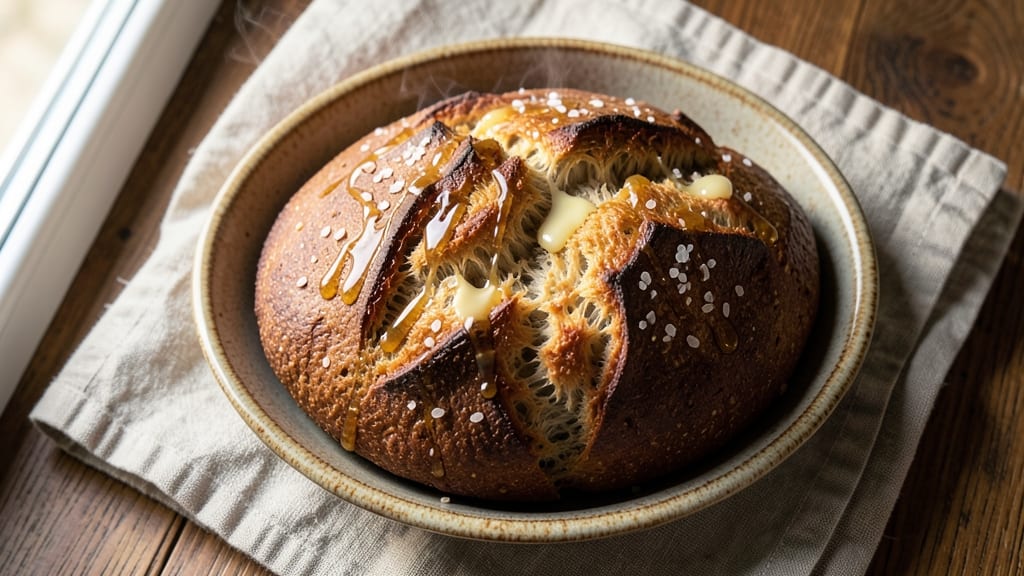
This brown rice sourdough bread recipe delivers a nutty crust and tangy depth that rivals traditional sourdough—without relying on wheat. The secret lies in balancing brown rice flour with a robust starter, creating a loaf with chewy texture and earthy complexity.
Perfect for gluten-sensitive bakers or those seeking a whole-grain twist on a classic.
With two-day fermentation and a crispy crust baked at 425°F, this recipe transforms simple ingredients into a restaurant-quality loaf. The brown rice flour adds subtle sweetness, while the sourdough starter ensures a tangy, airy crumb that pairs beautifully with soups, stews, or butter.
No special equipment needed—just patience and precision.
Ingredients for brown rice sourdough bread
Brown rice flour, active starter, and precise hydration create this gluten-free sourdough masterpiece.
| Ingredient | Amount | Notes |
|---|---|---|
| Brown Rice Flour 🌾 | 3 cups | Gluten-free, finely milled preferred |
| Active Sourdough Starter 🍞 | 1 cup | 100% hydration, bubbly and active |
| Warm Water 💧 | 1 ¼ cups | 105°F for optimal hydration |
| Unsalted Butter 🧈 | ¼ cup | Cold, cubed for mixing |
| Honey 🍯 | 2 tbsp | Raw or organic preferred |
| Sea Salt 🧂 | 1 ½ tsp | Diamond Crystal preferred |
| Instant Yeast 🍄 | ¼ tsp | For backup fermentation |
| White Whole Wheat Flour 🌾 | 1 cup | For structure and texture |
| Olive Oil 🫒 | 2 tbsp | Extra-virgin for richness |
| Cornmeal 🌽 | ½ cup | For dusting parchment |
| Ice Water ❄️ | ½ cup | For final dough adjustment |
The brown rice flour is the foundation here—Bob's Red Mill or Anthony's Goods brands yield the finest texture. For the sourdough starter, ensure it's 100% hydration and actively bubbling; discard any with a vinegary smell. The white whole wheat flour adds structure without overpowering the nutty rice flavor. If sourcing specialty flours proves difficult, King Arthur carries reliable options online. Pre-measure everything to avoid over-hydration during mixing, which can weaken gluten-free dough structure.
No brown rice flour? Substitute with a 1:1 gluten-free all-purpose blend, though texture may vary slightly. The instant yeast acts as a safeguard—omit entirely if your starter is vigorous, but include it if fermentation feels sluggish. For the honey, maple syrup works equally well for vegan adaptations. The olive oil should be extra-virgin to complement the bread's earthy notes; lower-quality oils can impart bitterness. If your kitchen runs hot, chill the dough for 30 minutes before shaping to prevent over-proofing during the two-day fermentation.
Store unused brown rice flour in an airtight container for up to 6 months in a cool, dark place. The sourdough starter can be refrigerated for 1-2 weeks or frozen indefinitely in small portions. Once baked, this bread keeps at room temperature for 3 days wrapped in a cotton towel, or 1 week frozen in slices. For reheating, wrap cooled slices in foil and warm at 350°F for 5 minutes—this preserves the crispy crust while softening the crumb.
Why You'll Love This Recipe
- No-Fuss Mixing: I swear, this dough comes together in five minutes—just stir the brown rice flour, sourdough starter, and warm water until it’s shaggy, then fold in softened butter and a drizzle of honey. No kneading, no fuss, just hands-off magic.
- Nutty-Sweet Crust: That honey caramelizes into a golden crust while the brown rice flour adds a subtle toasty depth—like a cross between artisanal bread and a lightly sweetened biscuit. Honestly, it’s the kind of flavor that makes you reach for seconds without even thinking.
- Weeknight Workhorse: Slice it for toast in the morning, pack it for lunch, or serve it warm with butter at dinner. It’s my go-to for busy days because it holds up to everything—eggs, sandwiches, even as a side for soup. (Yes, even on a Tuesday night.)
- Budget-Friendly Staple: Brown rice flour stretches my dough further than white, and a small batch of sourdough starter lasts for weeks. The butter and honey are the only splurges, but they make it feel special without breaking the bank. Three loaves later, and I’m still smiling at the savings.
Step-by-step instructions for brown rice sourdough bread
Master this nutty, tangy bread with precise fermentation and baking techniques.
Combine Wet Ingredients and Mix the Dough
In a large mixing bowl, combine the 1 cup active sourdough starter, 1.25 cups warm water (105°F), 2 tbsp honey, 2 tbsp olive oil, and 0.25 tsp instant yeast. Stir until the honey and yeast dissolve completely. The mixture should be smooth and slightly bubbly—this indicates the starter is active and ready to work.
Next, add the 3 cups brown rice flour and 1 cup white whole wheat flour to the bowl. Using a wooden spoon or dough whisk, mix vigorously for 5-7 minutes until a shaggy dough forms. The dough will be sticky and wet at this stage, which is normal given the high hydration from the sourdough starter and warm water. Avoid using an electric mixer—this dough requires manual mixing to develop proper gluten structure.
Knead and Develop Gluten for Structure
Transfer the dough to a lightly floured surface and knead for 8-10 minutes by hand. The goal is to develop gluten without overworking the dough, which can make it tough. You'll know it's ready when the dough becomes slightly elastic and pulls away from the surface when stretched gently. If the dough feels too sticky, wet your hands slightly to prevent sticking—just don't add extra flour.
Real talk: Brown rice flour lacks gluten, so the white whole wheat flour provides the necessary structure. The kneading step ensures the dough holds its shape during fermentation and baking. If the dough resists stretching or feels gummy, it needs more time—don't rush this step. The texture should be smooth but still slightly tacky, not dry or crumbly.
Bulk Ferment at Room Temperature
Lightly oil a large mixing bowl, place the dough inside, and cover it with a damp kitchen towel or plastic wrap. Let it ferment at room temperature (70-75°F) for 4-6 hours, or until it has nearly doubled in size and shows active bubbles on the surface. This step is critical—it allows the sourdough starter to develop its signature tang and the dough to become airy.
Check the dough every 30 minutes after the 2-hour mark. It should rise noticeably and develop a slightly jiggly texture when gently shaken. If the kitchen is cooler, extend fermentation to 8 hours—the dough should still be active with visible bubbles, even if it doesn't double completely. Over-fermenting leads to a dense loaf, so stop when it's 80% of the way to doubled.
Shape, Rest, and Final Proof
Turn the dough onto a lightly floured surface and shape it into a round loaf by pulling the edges toward the center and sealing the seam. Place it seam-side up on a parchment-lined baking sheet dusted with 0.5 cup cornmeal. Cover loosely with a damp towel and let it rest for 30 minutes at room temperature. This short rest relaxes the gluten, making it easier to handle.
For the final proof, place the dough in the refrigerator and let it ferment overnight (12-14 hours). Cold fermentation enhances flavor development and improves texture. The dough should rise slowly but steadily—it may not double, but it should feel springy when pressed gently. The cold slows yeast activity, which prevents overproofing and ensures a well-structured crumb.
Bake for a Nutty Crust and Tangy Crumb
Preheat your oven to 375°F with a Dutch oven inside for 30 minutes to create steam. Remove the Dutch oven and place the dough inside (parchment and all). Bake, covered, for 30 minutes, then remove the lid and bake for an additional 20-25 minutes until the crust is deep golden brown and the internal temperature reaches 205°F. The bread should sound hollow when tapped on the bottom.
If the crust browns too quickly, tent the Dutch oven with foil to prevent burning. The steam from the Dutch oven creates a soft, open crumb, while the final uncovered bake develops that nutty crust. Let the bread cool on a wire rack for at least 1 hour before slicing—this prevents a gummy texture and allows the flavors to fully develop.
Pro Tips For Making Brown Rice Sourdough Bread
- STEAM THE FLOUR FIRST: Brown rice flour absorbs water like a sponge—if you don’t toast it first, your dough will turn into glue. Heat 1 cup of flour in a dry pan over medium for 3–4 minutes until fragrant (yes, it’ll darken slightly). This step cuts down on mixing time and keeps your dough workable.
- WEIGH THE BUTTER COLD: Unsalted butter should be firm but pliable—not melted, not rock-hard. Scoop it straight from the fridge, cut into chunks, and let it sit at room temp for exactly 20 minutes before mixing. Cold butter creates pockets for that signature sourdough flakiness, but if it’s too soft, you’ll end up with a dense brick.
- DON’T OVERHYDRATE THE STARTER: Your active sourdough starter should look like thick pancake batter—lumpy but pourable, not watery. If you eyeball it and add too much warm water, the brown rice flour won’t bind properly, and your bread will collapse in the oven. Stick to the 1:1:1 ratio (flour:starter:warm water) unless you’re adjusting for humidity.
- LET IT PROOF UNTIL DOUBLED: Brown rice sourdough rises slower than wheat-based dough—don’t rush it. Place your shaped loaf in a warm spot (like a turned-off oven with a bowl of boiling water) and wait until it’s fully doubled in size, not just puffed. Poking it should leave a slow, lazy bounce-back. Skipping this step means a dense, gummy crumb, and nobody wants that.
Storing and reheating this brown rice sourdough bread
Room Temperature Storage
Store your freshly baked brown rice sourdough bread at room temperature for up to 3 days in a cotton bread bag or wrapped loosely in a clean kitchen towel. The porous fabric allows the crust to stay crisp while preventing staling.
I avoid plastic bags—they trap moisture and create a soggy texture. Place the bread on a wire rack to maintain airflow underneath. 🌾
Refrigerator Preservation
For longer storage, refrigerate slices in an airtight container separated by parchment paper to prevent sticking. This keeps them fresh for 5-7 days, though the crust loses some crunch.
To revive stale bread, wrap a slice in aluminum foil and reheat at 350°F for 5 minutes. The foil traps steam, restoring moisture without overcooking.
Freezer-Friendly Slices
Slice the bread before freezing for perfect portions. Wrap individual slices in plastic wrap, then place them in a freezer bag with all air removed. Label with the date—this bread stays excellent for 3 months.
Thaw at room temperature for 1 hour before toasting, or reheat directly from frozen at 350°F for 7-8 minutes wrapped in foil. ✨
Reviving Crust Texture
If your bread develops a soft crust from storage, revive it by brushing with melted butter and toasting at 400°F for 3-4 minutes. The butter adds richness while the high heat crispifies the surface.
For extra crunch, sprinkle with flaky sea salt before toasting. This works especially well for bread stored in the fridge or freezer.
Fermented Flavor Tip
The longer you store this bread, the more the sourdough tang develops. For maximum flavor, let it sit at room temperature overnight before slicing—this deepens the fermentation notes. Store the whole loaf in a wooden bread box if available; wood naturally regulates humidity better than plastic containers. 💫
Nutrition facts
Frequently asked questions about brown rice sourdough bread
Why does my brown rice sourdough dough feel too sticky?
Brown rice flour absorbs moisture differently than wheat flour, creating an extra-sticky dough. Use wet hands when handling it, and avoid adding extra flour—this weakens the gluten structure. The dough should remain slightly tacky but not dripping. If needed, chill it for 30 minutes before shaping to improve workability.
Can I make this bread without a Dutch oven?
Yes! Preheat a baking sheet in the oven for 20 minutes to create steam, then bake the loaf covered with foil for 30 minutes before uncovering. For extra crust, brush with water before the final 10 minutes of baking. The texture will be slightly less rustic but still delicious.
How do I know when the sourdough starter is ready?
Your starter should be bubbly, slightly domed, and smell pleasantly tangy (like yogurt or ripe fruit). If it's flat, smells vinegary, or has a grayish hue, feed it with equal parts flour and water and wait 4-6 hours before using. The starter should float in water—this confirms active fermentation.
What if my loaf doesn't rise much during baking?
Underproofed dough or insufficient yeast can cause poor rise. Try these fixes: extend bulk fermentation by 2 hours, ensure your yeast is fresh, or add 0.25 tsp more yeast next time. Also verify your oven thermometer—many ovens run 25°F hotter than set, which can inhibit rise.
Can I substitute white rice flour for brown?
Technically yes, but brown rice flour's higher fiber and nutrients create the signature nutty flavor. White rice flour will yield a lighter loaf with less depth. For a compromise, blend 2 cups brown with 1 cup white rice flour—this maintains some texture while improving rise.