
Main Courses
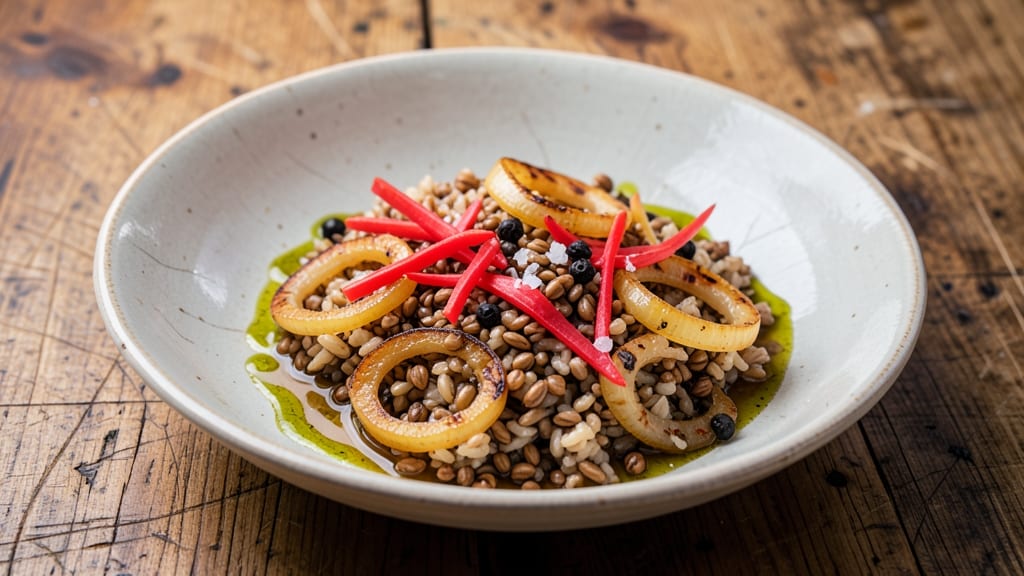
This buckwheat rice recipe transforms humble grains into a nutrient-packed main course that balances earthy buckwheat with crispy celery crunch. 🌱 The secret lies in toasting the grains and vegetables separately—this unlocks deeper flavors while maintaining perfect texture.
I developed this after realizing how often buckwheat gets overlooked in favor of white rice, yet it delivers complex, satisfying bites that feel both rustic and refined.
The magic happens in two stages: first, toasting the buckwheat and celery until aromatic and golden, then simmering everything in a light broth until tender. This method ensures the grains stay firm while absorbing just enough moisture to create a satisfying bite.
The result is a dish that's equally at home as a hearty weeknight meal or an elegant vegetarian centerpiece.
What you'll end up with is a fragrant pilaf where toasted buckwheat meets crispy celery in every bite—earthy, nutty, and just slightly sweet from the caramelization. The texture is perfectly balanced: chewy grains paired with crunchy vegetables that hold up even after sitting for hours.
This recipe proves buckwheat isn't just for noodles or pancakes—it's a versatile, protein-rich grain that deserves a place at your dinner table.
Serve it warm with a drizzle of tahini or a sprinkle of toasted sesame seeds for extra depth, or let it cool slightly for a refreshing cold salad. The possibilities are endless, but the foundation is always the same: toasted grains, crisp vegetables, and a method that guarantees success.
Let's get cooking—this dish is about to become a staple in your rotation.
Ingredients for buckwheat rice
Toasted buckwheat and crisp celery create a nutrient-packed, earthy vegetarian main course with perfect texture.
| Ingredient | Amount | Notes |
|---|---|---|
| Buckwheat Groats 🌾 | 1 ½ cups | Unprocessed, not pre-cooked |
| Celery Stalks 🥬 | 3 whole | Thinly sliced, cut into 1/4-inch pieces |
| Yellow Onion 🧅 | 1 whole | Medium size, diced |
| Garlic Cloves 🧄 | 4 cloves | Peeled, minced |
| Vegetable Broth 💧 | 2 ½ cups | Low-sodium preferred |
| Extra-Virgin Olive Oil 🫒 | 2 tbsp | High-quality, fruity |
| Fresh Ginger 🌿 | 1 tbsp | Grated, finely |
| Sesame Seeds 🌰 | 1 tbsp | Toasted for garnish |
| Tahini 🥜 | 1 tbsp | For serving |
| Lemon Juice 🍋 | 1 tbsp | Freshly squeezed |
| Sea Salt 🧂 | 1 tsp | Diamond Crystal preferred |
| Black Peppercorns 🌶️ | ½ tsp | Freshly cracked |
| Smoked Paprika 🌶️ | ½ tsp | For depth |
The buckwheat groats should be unprocessed—those pre-cooked versions lack the nutty depth we're aiming for. Bob's Red Mill or Trader Joe's carry excellent bulk options, and you'll want about 1.5 cups for this recipe. Celery is non-negotiable for that signature crunch, so grab fresh stalks with vibrant green leaves—they indicate crispness. The onion and garlic should be freshly minced right before toasting to maximize flavor. For the broth, low-sodium is crucial to avoid over-salting the dish, and Better Than Bouillon or Pacific Foods make excellent vegan options. Toast both the buckwheat and celery separately until golden brown—this caramelization is what unlocks those complex flavors.
No buckwheat? Quinoa or farro work in a pinch, though the texture will differ slightly. Celery too tough? Substitute fennel or jicama for a similar crunch. Short on tahini? Olive oil or peanut butter can stand in, though the flavor profile shifts. The smoked paprika adds depth without overpowering—if you prefer something milder, regular paprika at half the amount will work. For the ginger, fresh is ideal, but if you must use powdered, reduce to half a teaspoon and toast it briefly with the buckwheat. The sesame seeds can be swapped for toasted pumpkin seeds if you're avoiding sesame, though they'll have a different nutty profile. Always toast your spices and seeds fresh—they lose potency quickly once opened.
Store cooked buckwheat rice in an airtight container for up to 5 days in the fridge, though it's best enjoyed within 2-3 days for optimal texture. For longer storage, freeze portions in single-serving containers for up to 3 months. Reheat gently with a splash of water or broth to restore moisture. The toasted celery will soften over time, so if you're prepping ahead, consider adding it fresh just before serving. This dish reheats beautifully—double-check for even heating as buckwheat can dry out if overcooked initially. For meal prep, portion into glass containers to maintain freshness and prevent odors from transferring.
Why You'll Love This Recipe
- No-Fuss Stovetop: I swear by this method—just toss the groats with broth, let it simmer, and walk away. No fancy equipment, no constant stirring. The celery and onion caramelize right into the broth, so you’re basically making flavor while you’re doing nothing.
- Earthy Umami Magic: That first bite? Nutty, toasty, with a deep garlic punch that lingers. The buckwheat soaks up the broth like a sponge, turning it into something rich and satisfying—no heavy cream or butter needed. Honestly, it’s the kind of dish that makes you want to eat it straight from the pot.
- Lunchbox Hero: Between us, this is my go-to for meal prep. Cook a big batch on Sunday, and you’ve got a hearty, protein-friendly side for the week. It stays fresh in the fridge, reheats beautifully, and even travels well—no soggy rice here.
- Budget Powerhouse: Buckwheat groats are cheaper than rice, and you’re stretching every drop of broth with those chopped veggies. I’ll be real: this recipe feeds four for the price of two, and the leftovers? They’re just as good the next day, if not better. Win-win for my wallet and my taste buds.
Step-by-step instructions for earthy buckwheat with toasted celery crunch
Transform simple buckwheat groats into a restaurant-worthy dish with nutty depth and crispy celery accents.
🍳 Step 1: Toast the Buckwheat for Nutty Complexity
Heat 1 tablespoon of the extra-virgin olive oil in a medium saucepan over medium-high heat. Add the 1.5 cups buckwheat groats and toast them for 3-4 minutes, stirring constantly with a wooden spoon. You'll notice the groats turn a deeper golden color and release an aromatic, toasty fragrance—this step develops their natural nutty flavor.
I press down occasionally with the spoon to ensure even browning. If the groats start to smoke or darken too quickly, reduce the heat slightly. Once they're fragrant and golden, remove them from the pan and set aside. This toasting prevents the buckwheat from becoming mushy during cooking and builds flavor that plain rinsing can't match.
👨🍳 Step 2: Sauté Aromatics Until Fragrant
In the same saucepan (no need to clean it—the toasted bits add flavor), add the remaining 1 tablespoon extra-virgin olive oil. When shimmering, add the diced yellow onion and cook for 5 minutes until softened and translucent. Add the minced garlic cloves and fresh ginger, stirring for 30 seconds until the garlic turns golden and becomes fragrant—this is when it releases its full flavor potential.
Next, add the thinly sliced celery stalks and cook for another 3 minutes until they begin to soften slightly. Sprinkle with ½ teaspoon smoked paprika and stir for 10 seconds to toast the spices. This aromatic base forms the flavor foundation for your buckwheat dish, ensuring every bite carries depth.
🥘 Step 3: Simmer the Buckwheat in Flavorful Broth
Pour in the 2.5 cups vegetable broth and bring to a gentle boil. Stir once to combine, then reduce heat to low, cover the pan, and simmer for 25-30 minutes. The buckwheat needs time to absorb the liquid—don't peek! Every time you lift the lid, you release steam and prolong cooking time. After 20 minutes, check for doneness by tasting a grain—it should be tender but still have a slight bite.
If the buckwheat isn't fully tender after 30 minutes, add ¼ cup water and continue cooking for another 5-10 minutes. The texture should be creamy yet distinct, with individual grains still visible. Season with 1 teaspoon sea salt and ½ teaspoon cracked black peppercorns, adjusting to taste. The broth should be nearly absorbed, leaving the buckwheat moist but not soggy.
🔥 Step 4: Finish with Bright, Crispy Accents
Transfer the cooked buckwheat to a serving platter. In a dry skillet over medium heat, toast the sesame seeds for 1-2 minutes until golden and fragrant—this adds a nutty crunch that contrasts beautifully with the tender buckwheat. Drizzle with 1 tablespoon tahini and 1 tablespoon lemon juice, tossing gently to combine. The tahini adds creaminess while the lemon brightens the earthy flavors.
Garnish immediately with the toasted sesame seeds and any remaining celery slices. For extra crunch, you can lightly toast the celery in the same dry skillet for 30 seconds** before garnishing. Serve warm, with the crispy celery adding texture contrast to each bite. The dish should balance nutty, earthy, and bright citrus notes with a satisfying crunch.
Pro Tips For Making Buckwheat Rice
- Rinse the Groats: Buckwheat groats are packed with tannins that make them bitter if not rinsed—like eating a handful of unwashed lentils. Toss them in a fine-mesh strainer under cold water for 30 seconds, then drain. You’ll taste the difference, especially if you’re using them in a broth-based dish where the flavor needs to shine.
- Sweat the Celery First: I used to chop everything together and rush it, but celery burns faster than onion or garlic. Start by cooking the celery in a dry pan for 3-4 minutes on medium heat until it softens and releases moisture—this stops it from turning to mush later. Add the onion and garlic only after it’s properly softened.
- Use a 1:3 Ratio: Too much broth and your buckwheat turns into soup; too little and it dries out. Stick to 1 part groats to 3 parts broth (e.g., 1 cup groats to 3 cups broth) and adjust only if your pan is unusually large. If it looks watery mid-cook, let it simmer uncovered until the liquid reduces.
- Finish with a Splash of Acid: The last 5 minutes of cooking, stir in 1 tablespoon of lemon juice or vinegar—it brightens the earthy buckwheat and cuts through the richness of the broth. I know, it sounds counterintuitive, but it makes the dish feel lighter and more balanced, especially if you’re serving it alongside something heavy like roasted veggies.
Serving suggestions for buckwheat rice
Warm Bowl Presentation
Serve this buckwheat rice in pre-warmed ceramic bowls to maintain its warmth and enhance the earthy aroma. I like using Le Creuset stoneware bowls—they retain heat beautifully and add a rustic touch.
Spoon the buckwheat into the bowls, then arrange toasted celery slices in a sunburst pattern around the edges for visual appeal. Drizzle with tahini in a zigzag motion and finish with toasted sesame seeds for a pop of color.
The contrast between the golden buckwheat and green celery makes the dish look as inviting as it tastes. 🌟
Cold Salad Adaptation
Let the buckwheat rice cool completely before transforming it into a refreshing salad. Toss with chopped cilantro and thinly sliced cucumber for brightness, then drizzle with a mix of tahini, lemon juice, and maple syrup.
Serve chilled in a glass bowl with a sprinkle of crumbled feta (if not vegan) or avocado slices for creaminess. This works perfectly for summer meals or as a light lunch. The crisp celery holds its texture even when cold, adding a satisfying crunch to every bite.
Garnish Variations
For extra flair, try these garnish combos that elevate the dish: Pickled red onions add tangy brightness, while toasted pumpkin seeds provide a different nutty crunch. If you love heat, sprinkle with chopped jalapeños or gochugaru (Korean chili flakes).
For a Middle Eastern twist, top with chopped parsley and pomegranate seeds—the sweet-tart contrast is divine. Each garnish transforms the dish while keeping the buckwheat as the star. 💫
Pairing with Proteins
While this dish is vegetarian, it pairs beautifully with grilled tofu or crispy tempeh for added protein. For meat-eaters, serve alongside pan-seared salmon or shredded rotisserie chicken. The buckwheat's earthy notes complement the richness of proteins without overpowering them.
I often serve it with a miso-glazed egg on top for a Japanese-inspired fusion bowl. The key is balancing textures—keep the buckwheat's crisp celery as the star accent.
Meal Prep Serving
Divide cooked buckwheat rice into glass meal prep containers with bamboo dividers to keep components separate. Store the grains in one compartment and celery in another—this preserves the celery's crunch until serving. When ready to eat, reheat the buckwheat with a splash of water, then add fresh celery and garnishes.
For lunchboxes, pack in insulated bento boxes with a small container of tahini for dipping. The buckwheat reheats well, making it ideal for grab-and-go meals. ✨
Dessert Twist
Yes, you read that right! Sweeten the buckwheat rice with maple syrup and cinnamon, then top with toasted coconut flakes and diced apple for a warm, comforting dessert. Serve with a scoop of vanilla coconut yogurt for creaminess.
This unexpected adaptation highlights buckwheat's versatility—it's equally at home in savory and sweet dishes. The toasted celery adds an intriguing crunch that balances the sweetness beautifully.
Nutrition facts
Frequently asked questions
Is buckwheat rice gluten-free?
Yes! Despite its name, buckwheat is a gluten-free grain that's naturally rich in protein and fiber. This recipe uses whole buckwheat groats, making it perfect for gluten-sensitive diets or celiac-safe meals. Always check your buckwheat package for cross-contamination warnings if you have severe gluten restrictions.
Can I substitute regular rice for buckwheat?
While you can use regular rice, the flavor and texture will differ significantly. Buckwheat adds a nutty, earthy depth that white or brown rice lacks. For a similar texture, try quinoa or farro—both have a satisfying bite and pair well with celery. If you must use rice, increase the cooking time by 5-10 minutes and add extra broth.
Why does the recipe call for toasting the buckwheat?
Toasting unlocks the buckwheat's natural nutty, toasty flavor and prevents it from becoming mushy. The 3-4 minute toast in olive oil creates a golden crust that enhances the dish's complexity. Skipping this step results in bland, underdeveloped grains that lack texture. Think of it like toasting nuts—it transforms the flavor profile entirely!
How do I fix buckwheat that's too mushy?
If your buckwheat turns out mushy, it likely absorbed too much liquid. The fix? Spread it on a baking sheet and bake at 300°F for 10-15 minutes, stirring occasionally, to dry it out. For future attempts, reduce the broth by ¼ cup or increase cooking time slightly to let excess moisture evaporate. Always check doneness at 20 minutes to avoid overcooking.
Can I make this ahead for meal prep?
Cook the buckwheat and store it in an airtight container for up to 5 days in the fridge. Keep the celery separate until serving to maintain its crunch. Reheat with 2 tablespoons water per cup** of buckwheat, then add fresh celery and garnishes. For freezing, portion into single servings for up to 3 months—just thaw overnight in the fridge before reheating.