
Main Courses
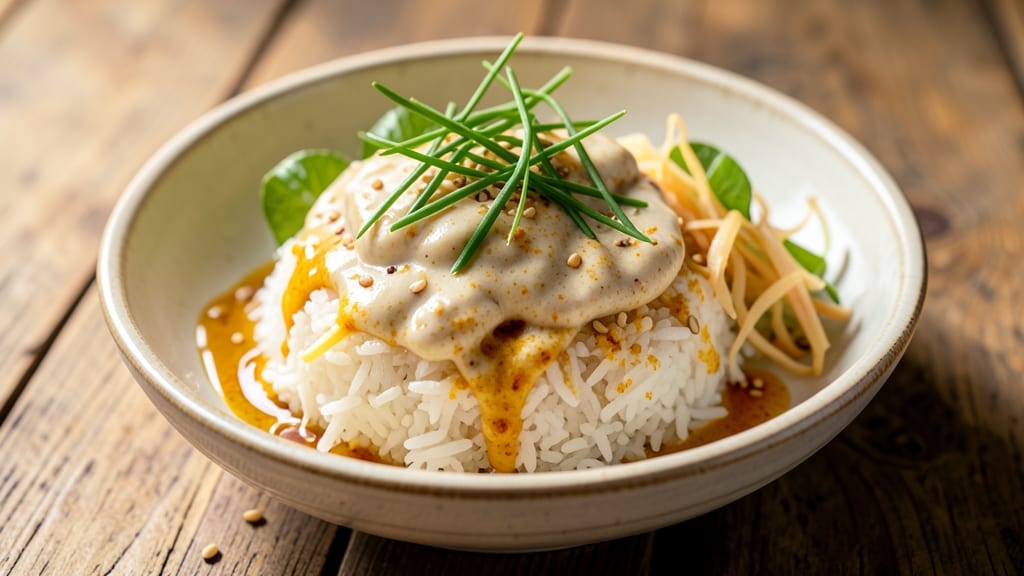
This Burmese rice recipe transforms simple jasmine rice into a fragrant, coconut-infused centerpiece that carries the soul of Myanmar’s cuisine. 🌟 The secret lies in layering aromatic coconut cream with turmeric and lemongrass, creating a dish that’s both comforting and deeply flavorful—perfect for any meal.
Unlike traditional plain rice, this version soaks up rich coconut milk while steaming to perfection, yielding tender grains with a delicate golden hue. Pair it with grilled fish, crispy tofu, or pickled tea leaves for an authentic Burmese spread that’s as visually stunning as it is delicious.
Ingredients for burmese rice
Transform jasmine rice into a fragrant Burmese masterpiece with these aromatic ingredients.
| Ingredient | Amount | Notes |
|---|---|---|
| Jasmine Rice 🍚 | 1 cup | Uncooked, long-grain preferred |
| Coconut Milk 🥥 | 1 ½ cups | Full-fat canned, unsweetened |
| Turmeric Powder 🌿 | ½ tsp | Freshly ground preferred |
| Lemongrass 🌿 | ¼ cup | Finely chopped, lower stems |
| Galangal | 1 inch | Fresh root, peeled and sliced thin |
| Galangal 🌿 | 1 ½ oz | Fresh root, peeled and sliced thin |
| Shallots 🧅 | 3 whole | Minced, or 2 tbsp shallot powder |
| Garlic Cloves 🧄 | 4 cloves | Peeled and minced |
| Fish Sauce 🐟 | 1 tbsp | Red Boat brand preferred |
| Palm Sugar 🍯 | 2 tbsp | Or substitute brown sugar |
| Salt 🧂 | ½ tsp | Diamond Crystal kosher preferred |
| Vegetable Oil 🫒 | 1 tbsp | For sautéing aromatics |
| Fresh Cilantro 🌿 | ¼ cup | Chopped, for garnish |
| Lime Zest 🍋 | 1 tsp | Freshly grated |
The galangal is the heart of this dish—its citrusy, peppery bite defines Burmese cuisine. Look for fresh roots at Asian markets like H Mart or local specialty stores, where they often sell it pre-peeled. If you can't find it, ginger plus a pinch of black pepper mimics some of its complexity. The coconut milk should be full-fat for optimal creaminess, and Thai Kitchen brand is widely available. For lemongrass, use the lower stems—they're more flavorful than the tops. If you can't find fresh galangal, substitute 1/2 tsp galangal powder, though fresh is ideal.
No fish sauce? Soy sauce with a splash of lime juice works in a pinch, though it won't be identical. The palm sugar adds depth—Trader Joe's carries it in the baking aisle, or use brown sugar if unavailable. For extra authenticity, toast the turmeric powder in a dry pan for 30 seconds to deepen its flavor. The shallots should be minced finely, almost to a paste, to ensure even distribution. If you're prepping ahead, store the aromatics mixture in an airtight container for up to 3 days in the fridge.
This rice reheats beautifully—simply cover with a damp paper towel and warm in the microwave for 2 minutes. For best texture, steam the rice in a bamboo steamer if possible, though a rice cooker works too. Store leftovers in an airtight container for 3-4 days, though the coconut milk may separate slightly. To revive, gently reheat with a splash of water. The lime zest should be added fresh at the end—zesting a lime takes 10 seconds and makes all the difference.
Why You'll Love This Recipe
- One-Pot Magic: I swear by this recipe when I’m too tired to wash a million dishes. The rice, coconut milk, and spices all simmer together—no straining, no fuss—just golden, fragrant grains that taste like a hug from Myanmar.
- Coconut-Turmeric Dream: Honestly, the moment that golden turmeric swirls into the coconut milk? My mouth waters every time. It’s creamy, slightly spicy, and that lemongrass-galangal punch cuts through the richness like a bright citrus note—so balanced, I can eat it straight from the pot.
- Potluck Star: Between us, this is my go-to for gatherings because it’s always a hit. Serve it with grilled fish, curry, or even just a fried egg—it’s neutral enough to play well with others but bold enough to stand alone. (Yes, even on a Tuesday night.)
- Budget Bulk: I make a double batch and freeze half—because why not? The galangal and lemongrass are pricey, but a little goes a long way, and the rice stretches forever. Plus, reheating it later? Still tastes like it was just made. My wallet and my lunchbox thank me.
Step-by-step instructions for Burmese jasmine and coconut rice
Transform simple jasmine rice into a fragrant, creamy masterpiece with authentic Burmese flavors.
🍳 Step 1: Toast the Aromatics for Deep Flavor
Heat the 1 tablespoon vegetable oil in a medium saucepan over medium heat until shimmering. Add the 3 whole shallots and 4 cloves garlic cloves, cooking for 2-3 minutes until the shallots turn translucent and the garlic releases its aroma. Here's the thing—don't let them brown or they'll turn bitter.
Add the 1.5 oz galangal (sliced thin) and 1 inch galangal (peeled and sliced), stirring for 1 minute until fragrant. Galangal has a peppery, citrusy kick similar to ginger but more intense. Add the 0.25 cup lemongrass (finely chopped) and cook for another 30 seconds—you'll smell the complex herbal notes that define Burmese cuisine.
👨🍳 Step 2: Build the Flavor Base with Turmeric and Coconut
Reduce heat to low and stir in the 0.5 tsp turmeric powder and 1 cup jasmine rice, coating each grain thoroughly. The turmeric will infuse the rice with its golden hue and earthy warmth. Cook for 1 minute until the rice is evenly coated and the aromatics release their oils.
Pour in the 1.5 cups coconut milk and stir gently. Here's where it gets interesting—the coconut milk should just barely cover the rice. If it looks too thin, add 2 tablespoons water (but don't overdo it). Bring to a gentle simmer, then reduce heat to lowest setting—this is critical for even cooking without burning.
⏰ Step 3: Simmer Until Perfect Texture
Cover the saucepan with a tight-fitting lid and let the rice cook undisturbed for 15 minutes. After this initial cooking period, you'll notice the rice has absorbed most of the liquid. Here's the moment that matters: stir gently once, then return to low heat for another 10 minutes.
Resist the urge to peek or stir—this is how you get that signature Burmese texture. The rice should be tender but still slightly firm in the center. If you're unsure, do the "rice test": press a grain between your fingers—it should hold its shape but feel creamy inside. The coconut milk should be fully absorbed, leaving you with a creamy, fragrant rice.
🥘 Step 4: Finish with Sweet and Salty Balance
Remove from heat and let the rice sit covered for 5 minutes. Stir in the 2 tbsp palm sugar, 1 tbsp fish sauce, and 0.5 tsp salt. The fish sauce adds umami depth, while the palm sugar balances the heat. Taste and adjust—you want a harmonious blend where no single flavor dominates.
Gently fold in the 1 tsp lime zest and 0.25 cup fresh cilantro, reserving a few sprigs for garnish. The lime zest brightens the dish, cutting through the richness of the coconut. Let the rice rest covered for another 5 minutes—this final rest ensures the flavors meld completely.
🍽️ Step 5: Serve with Authentic Presentation
Fluff the rice gently with a fork, then transfer to a serving dish. Garnish with the reserved cilantro sprigs and a sprinkle of additional lime zest. The rice should be creamy yet distinct, with visible flecks of galangal and lemongrass adding texture. Serve immediately with your choice of protein—grilled fish, chicken curry, or crispy pork all pair beautifully.
Each bite should deliver a perfect balance of coconut creaminess, herbal galangal, citrusy lemongrass, and the subtle sweetness of palm sugar. Real talk: this isn't just rice—it's a flavor experience that transports you to the streets of Yangon with every mouthful.
Pro Tips For Making Burmese Rice
- Toast the Spices First: Dry-toast your turmeric powder in a hot pan for 30 seconds—just until it smells earthy and aromatic. I learned this the hard way: skipping this step means your rice will taste flat, like someone forgot to season it. The heat wakes up the flavor, and it’s the thing that makes this dish sing.
- Slice Galangal Thin: Use a sharp knife and slice the galangal into paper-thin pieces—no need to peel it. Thinner slices release their citrusy bite faster, so the rice absorbs the flavor instead of ending up with a few stubborn chunks. (Yes, even if you’re impatient like me.)
- Simmer, Don’t Boil: Once the coconut milk and rice are combined, keep the heat at a bare simmer—just enough to see tiny bubbles at the edges. After burning three batches, I finally figured out that boiling turns the milk grainy and the rice gluey. Low and slow is the only way to get that creamy, fragrant texture.
- Rinse the Rice Twice: Give your jasmine rice a quick rinse, then a second rinse with cold water until the water runs clear. This removes excess starch, so your rice stays separate and doesn’t turn into a single clump. (Your future self will thank you—trust me.)
Best sauces and condiments for these flavors
Coconut-Lemongrass Sauce
This creamy sauce mirrors the rice's flavors but in a dippable, spoonable form. Simmer 1 cup coconut milk with 1 tbsp fish sauce, 1 tsp palm sugar, 1 stalk lemongrass (bruised), and ½ tsp galangal paste until thickened (8-10 minutes).
Strain and drizzle over grilled fish or crispy tofu for extra richness. 🥥
Pickled Tea Leaves
Burmese cuisine balances heat with tangy pickled tea leaves (laphet thohk). Mix ½ cup black tea leaves with ¼ cup rice vinegar, 1 tbsp sugar, and 1 tsp salt in a jar.
Let sit 24 hours for deep umami flavor. Serve as a side or garnish to cut through coconut's richness.
Spicy Fish Paste Dip
For a bold contrast, blend 2 tbsp ngapi (fermented fish paste), 1 tbsp lime juice, ½ tsp chili flakes, and 1 tsp fish sauce into a paste.
Thin with water if needed. Spread on crispy pork or use as a dipping sauce for spring rolls. The funky, salty-sweet balance is pure Burmese soul. 🌶️
Sweet Chili Glaze
Reduce ½ cup sweet chili sauce (like Maesri Thai brand) with 1 tbsp soy sauce and 1 tsp lime juice until syrupy (5 minutes). Brush over grilled chicken or drizzle over rice for a sweet-spicy kick. The heat and sweetness mirror traditional Burmese flavor profiles.
Herb Oil Infusion
Heat ¼ cup neutral oil with 2 tbsp cilantro stems, 1 tbsp shallots, and 1 tsp turmeric until fragrant (2 minutes). Strain and drizzle over finished rice or soups.
This adds aromatic depth without altering the dish's texture. Store in a dark bottle for up to 1 week. ✨
Coconut-Curry Gravy
For a heartier pairing, simmer 1 cup coconut milk with 1 tbsp red curry paste, ½ tsp turmeric, and 1 cup chicken broth until thickened. Swirl into rice or serve over grilled proteins. The earthy curry complements the rice's sweetness beautifully.
Nutrition facts
Frequently asked questions
What makes this Burmese rice different from regular jasmine rice?
This recipe transforms jasmine rice into a fragrant, creamy dish by infusing it with coconut milk, galangal, and lemongrass—key Burmese flavors that create a rich, aromatic profile. Unlike plain rice, it's cooked with a delicate balance of sweetness from palm sugar and umami from fish sauce, resulting in a dish that's both comforting and complex.
Can I substitute galangal if I can't find it?
Yes! For a similar peppery-citrusy flavor, use 1/2 tsp ginger plus 1/4 tsp black pepper per 1 inch galangal. While not identical, this combo captures some of galangal's warmth. For authenticity, seek out fresh galangal at Asian markets or order it online—it's worth the effort for that signature Burmese taste.
How do I prevent the rice from becoming mushy?
To avoid mushy rice, follow the low-and-slow method: simmer on the lowest heat after the initial 15 minutes, and resist the urge to stir or peek. The rice should absorb the coconut milk gradually, leaving it tender yet distinct. If it looks dry before fully cooked, add 1-2 tablespoons water instead of stirring—this maintains texture.
What are the best proteins to pair with this rice?
Traditional pairings include grilled mackerel or snapper, crispy tofu with turmeric, or shan toh (Burmese rice salad with fish). For a vegetarian option, try mushroom stir-fry with soy sauce or coconut-curry chicken. The creamy rice balances well with bold flavors and textures.
Can I make this rice ahead of time?
This rice reheats beautifully. Store leftovers in an airtight container for 3-4 days, or freeze for up to 1 month. To reheat, cover with a damp paper towel and microwave for 2 minutes, or steam for 5-10 minutes until warm. The coconut milk may separate slightly—just stir gently to restore creaminess.