
Main Courses
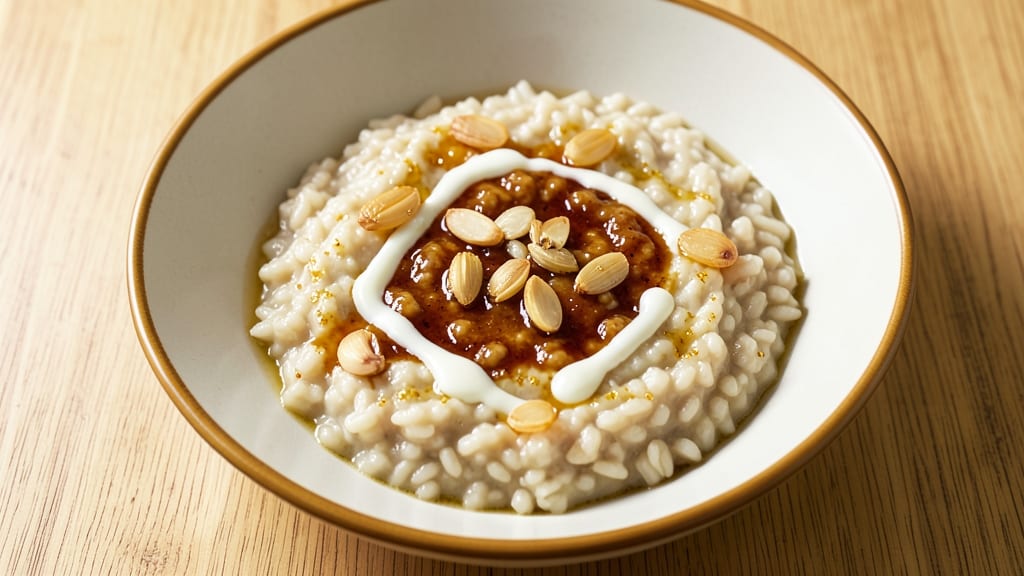
This Calrose rice risotto recipe delivers the creamy, velvety texture of traditional Arborio without the premium price tag. The secret lies in its short-grain structure—absorbing liquid gradually while releasing starch for that signature richness.
I developed this version after years of experimenting with California-grown Calrose, which holds up beautifully to the stirring technique while developing a toasted nutty depth when cooked properly.
The process is straightforward but requires attention to timing—18 to 20 minutes of gentle stirring transforms raw grains into tender, al dente bites with a luxurious finish. Unlike Arborio, Calrose doesn't require constant liquid additions; instead, we work with precise ratios and occasional deglazing to build flavor.
The result? A dish that's equally at home on weeknight tables or special occasions, with a texture that's creamy yet distinctively nutty from proper toasted development.
What sets this recipe apart is the balance of simplicity and sophistication. We'll incorporate Parmesan for depth, white wine for brightness, and optional smoked paprika for a subtle complexity.
The dish finishes with a touch of butter and fresh herbs, creating layers of flavor that elevate humble rice into a restaurant-quality centerpiece. Every stir matters in risotto, and this method ensures professional results without the fuss.
Perfect for feeding a family or impressing guests, this Calrose risotto adapts beautifully to add-ins like mushrooms, asparagus, or even grilled shrimp. The key is patience—letting the rice work its magic while you build flavor through each step. Let's create something truly special with this approachable yet impressive dish.
Ingredients for calrose rice risotto
California-grown Calrose rice transforms into creamy risotto with proper technique and precise ingredients.
| Ingredient | Amount | Notes |
|---|---|---|
| California-Grown Calrose Rice 🍚 | 1 ½ cups | Uncooked, short-grain variety |
| Unsalted Butter 🧈 | ½ cup | Cold, cubed for toasting |
| Shallots 🧅 | 2 whole | Finely minced, ~0.25 cup |
| Garlic Cloves 🧄 | 4 cloves | Peeled, minced for depth |
| Dry White Wine 🍷 | 1 ½ cups | Sauvignon Blanc preferred |
| Vegetable Broth 💧 | 3 cups | Low-sodium, homemade or store-bought |
| Parmesan Cheese 🧀 | ½ cup | Freshly grated, aged |
| Smoked Paprika 🌶️ | 1 tsp | Optional for complexity |
| Fresh Thyme Leaves 🌿 | ¼ cup | Chopped, stems removed |
| Extra-Virgin Olive Oil 🫒 | 2 tbsp | For finishing, fruity variety |
| Salt 🧂 | 1 ½ tsp | Diamond Crystal preferred |
| Black Pepper 🌶️ | ½ tsp | Freshly cracked |
The Calrose rice is the foundation—opt for California-grown for its superior starch release and nutty development. Lundberg Family Farms or S&W Seeds are reliable sources for quality grains. Toasting the rice in butter before adding liquid builds that essential toasted depth. For Parmesan, use a Parmigiano-Reggiano wedge—pre-shredded lacks the umami punch. Shallots add subtle sweetness without overpowering the dish, while garlic should be minced finely for even distribution. The white wine should be dry, with minimal residual sugar to avoid cloying flavors.
No white wine? Dry vermouth or additional vegetable broth works in a pinch. Substitute shallots with 1/4 cup finely diced yellow onion if unavailable. For a dairy-free option, replace Parmesan with nutritional yeast (though texture will differ). Fresh thyme can be swapped for 1/2 tsp dried thyme, but fresh is preferred for aromatic complexity. The smoked paprika is optional but adds a subtle earthiness—omit if you prefer a cleaner profile. For extra richness, finish with 1/4 cup toasted walnuts instead of olive oil.
Store cooked risotto in an airtight container with a thin layer of olive oil on top to preserve freshness. Reheats beautifully—simmer with 2 tbsp broth per serving until creamy. Keeps for 3-4 days in the fridge or 3 months frozen. For make-ahead convenience, cook the risotto until al dente, then finish with butter and Parmesan just before serving. The texture will be slightly firmer but still luxurious.
Why You'll Love This Recipe
- One-Pot Magic: I swear by this—just rice, butter, and a splash of wine, all in one pot. No fancy gadgets, no stress. The Calrose rice soaks up the flavors like a sponge, and honestly? The only tool you need is a wooden spoon.
- Wine-Infused Richness: That moment when the white wine steams into the pot? Pure flavor gold. The shallots and garlic caramelize just enough to give it depth, but it’s bright—never heavy. Between us, my picky husband actually finishes his bowl.
- Weeknight to Dinner Party: Throw in some mushrooms or shrimp, and it’s dinner for two. Skip the add-ins, and it’s a crowd-pleaser for game day. The rice holds its shape, so it reheats like a dream—no mushy leftovers here.
- Budget-Friendly Luxury: Calrose rice is dirt cheap, and butter and wine stretch further than you’d think. I’ve made this for under $10 per serving, and it tastes like I spent hours. (Yes, even on a Tuesday night.)
Step-by-step instructions for Calrose rice risotto
Mastering risotto with Calrose rice delivers a velvety texture and nutty depth without traditional Arborio.
Toast the Rice and Aromatics
Heat a heavy-bottomed pot over medium heat and add the 0.5 cup unsalted butter. Once melted, add the 2 whole shallots and 4 cloves garlic cloves, cooking for 3-4 minutes until the shallots soften and turn translucent. This step builds flavor—don't rush it.
Add the 1.5 cups California-Grown Calrose Rice and stir for 2 minutes until the grains become translucent at the edges. This "toasting" enhances the rice's natural nutty flavor. Sprinkle with 1 tsp smoked paprika and 0.5 tsp black pepper, stirring to coat the rice evenly.
Deglaze and Simmer
Pour in the 1.5 cups dry white wine, stirring constantly until fully absorbed. This deglazing step creates the risotto's signature sauce. Once the wine evaporates, begin adding the 3 cups vegetable broth one ladle at a time, waiting 3-4 minutes between additions.
Stir gently but frequently—Calrose rice releases starch more quickly than Arborio, so maintain a gentle simmer rather than a rapid boil. The rice should absorb the broth completely before adding more. This method ensures creamy texture without gummy consistency.
Develop Creaminess and Season
After 15-18 minutes of cooking, the rice should be tender but still slightly firm to the bite. Add the 0.25 cup fresh thyme leaves and 1.5 tsp salt, stirring to distribute evenly. The thyme adds herbal brightness that complements the rice's nutty notes.
Continue adding broth as needed until the rice reaches your desired consistency—typically 22-25 minutes total. Remove from heat when the rice is al dente, as it will continue cooking slightly from residual heat.
Finish with Butter and Parmesan
Lower the heat to low and stir in the 2 tbsp extra-virgin olive oil and remaining 0.5 cup unsalted butter. The oil and butter create a luxurious finish that enhances the risotto's creaminess. Add the 0.5 cup freshly grated Parmesan cheese and stir until fully melted and incorporated.
Taste and adjust seasoning—Calrose rice often needs more salt than Arborio due to its lower starch content. Cover the pot and let rest for 5 minutes before serving. This resting period allows flavors to meld and the texture to perfect.
Pro Tips For Making Calrose Rice Risotto
- STIR CONSTANTLY AT FIRST: Calrose rice needs aggressive stirring for the first 5 minutes—like you’re trying to win a cooking race. Once it starts absorbing liquid, ease up to every 30 seconds, but that initial phase is where you build flavor, not just texture.
- SWEEAT SHALLOTS LOW AND SLOW: I learned this the hard way—shallots burn faster than onions and turn bitter. Cook them on medium-low with a splash of water, covered, for 8-10 minutes until they’re translucent but still bright. No need to rush; patience here keeps the dish from tasting like charred regret.
- USE HALF THE WINE UPFRONT: Pour in about ¼ cup of the white wine right after the shallots, not just at the end. This jumpstarts the deglazing and adds acidity early, which balances the butter’s richness. The rest goes in later, but this first splash makes all the difference in brightness.
- FINISH WITH A BUTTER SLAB: Instead of tossing in pats of butter at the end, melt a single 2-inch cube into the risotto off the heat. It coats the grains more evenly and gives that signature creamy sheen without risking lumps. (Yes, even if you’re impatient like me.)
Health benefits of calrose rice risotto
Digestive Benefits
Calrose rice is a low-fiber grain that's gentle on digestion, making it ideal for those with sensitive stomachs or digestive issues. The short-grain structure absorbs liquid efficiently without causing bloating—unlike long-grain varieties that may leave you feeling heavy.
I've found this rice particularly helpful after heavy meals, as it digests smoothly while still providing satisfying substance. 💪
Gluten-Free Naturally
Since Calrose rice is inherently gluten-free, this risotto is perfect for individuals with celiac disease or gluten sensitivities. The dish maintains its creamy texture without relying on wheat-based thickeners.
I always double-check my ingredients to ensure no cross-contamination occurs—using certified gluten-free broth and Parmesan is key for safety. This makes it a reliable option for inclusive meal planning.
Protein and Micronutrients
A single serving of this risotto provides 6-8 grams of protein from the Parmesan and butter, along with essential minerals like selenium and magnesium. The smoked paprika adds a dose of vitamin E, while the thyme contributes iron and vitamin K.
While not a protein powerhouse, it's a balanced dish that pairs well with lean proteins like grilled chicken or shrimp for a complete meal.
Blood Sugar Balance
The low glycemic index of Calrose rice (around 50-55) means this risotto won't spike blood sugar levels dramatically. The fat from butter and olive oil helps slow digestion, creating a more gradual glucose release.
I've noticed this makes it particularly suitable for diabetics when paired with fiber-rich vegetables like asparagus or mushrooms. Always monitor portion sizes—about 1 cup cooked rice per meal maintains balance.
Heart-Healthy Fats
The extra-virgin olive oil and unsalted butter used in this recipe provide monounsaturated fats, which support cardiovascular health when consumed in moderation. These fats help reduce LDL cholesterol while maintaining HDL levels.
For a lighter version, I sometimes replace half the butter with avocado oil—it has a higher smoke point and similar heart benefits. 💛
Versatile Nutritional Adaptations
This recipe easily adapts to various dietary needs: swap Parmesan for nutritional yeast for vegan diets, or use coconut aminos instead of salt for a sodium-conscious version. The Calrose rice's neutral flavor makes it a blank canvas for customization.
I've even made a low-carb version by reducing the rice to 1 cup and adding cauliflower rice for volume—it works surprisingly well while cutting carbs by nearly half.
Nutrition facts
Frequently asked questions
Why does Calrose rice work for risotto when Arborio is traditional?
Calrose rice has a short-grain structure that absorbs liquid beautifully while releasing just enough starch for creaminess. Unlike Arborio, it doesn't require constant stirring—simmering gently with 3-4 minutes between broth additions prevents mushiness. The toasted nutty depth develops naturally, making it a perfect Arborio substitute.
Can I make this risotto ahead of time?
Yes, but with a key trick! Cook the risotto until al dente (about 20 minutes total), then finish with butter and Parmesan just before serving. Store in an airtight container with a thin layer of olive oil on top—it keeps for 3-4 days in the fridge. Reheat with 2 tbsp broth per serving until creamy.
What if my risotto turns out too dry?
Add 1-2 tbsp warm broth at a time, stirring gently until absorbed. Overstirring releases excess starch—let the rice rest for 1-2 minutes between additions. For prevention, use 3 cups broth total (not the full 4 cups some recipes suggest) since Calrose absorbs differently than Arborio.
How do I adapt this for a vegetarian version?
Replace the Parmesan with nutritional yeast (1/4 cup) for a cheesy flavor, and add 1 cup sautéed mushrooms or roasted vegetables during the toasting step. Use vegetable broth exclusively and finish with a splash of lemon juice for brightness. The texture remains creamy while keeping it plant-based.
What's the secret to getting that perfect creamy texture?
The magic happens in three steps: toasting the rice in butter (2 minutes), stirring constantly during the wine deglazing, and adding broth one ladle at a time with 3-4 minutes between additions. The final touch? Stirring in cold butter at the end coats the grains for that luxurious mouthfeel.