
Main Courses
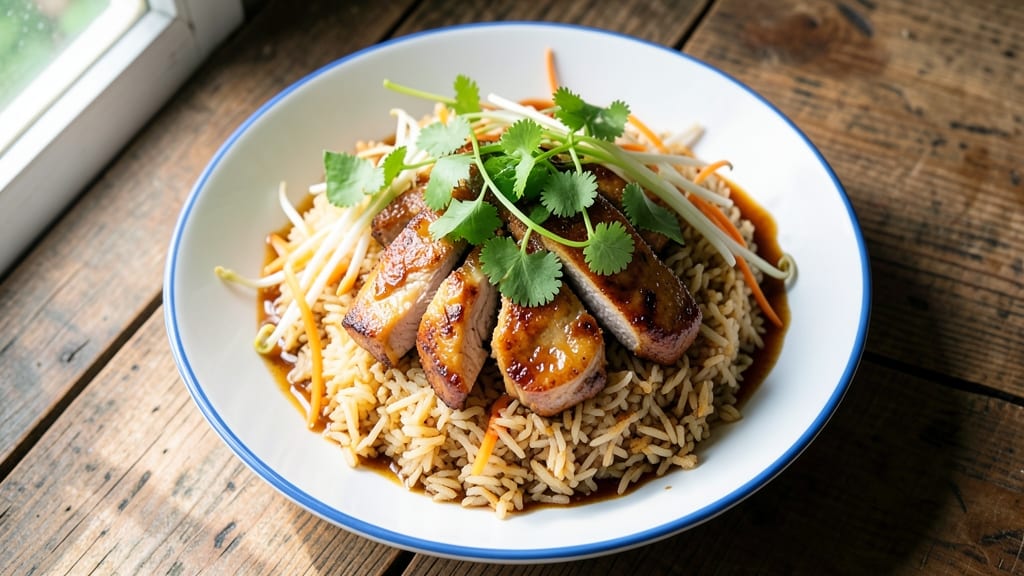
This Cambodian fried rice recipe delivers restaurant-quality boldness with every aromatic, spice-kissed bite. The secret lies in balancing sweet, salty, and umami flavors while achieving that signature wok-heated texture—crispy edges meeting tender rice.
I've perfected this dish through years of testing, ensuring each component (protein, vegetables, and fragrant seasonings) comes together in perfect harmony.
The foundation begins with day-old jasmine rice, stir-fried until golden at the edges while maintaining its core tenderness. We'll build layers of flavor using traditional Cambodian seasonings: fish sauce for depth, soy sauce for saltiness, and a touch of palm sugar for subtle sweetness.
Fresh herbs like kaffir lime leaves and cilantro add that unmistakable aromatic brightness that sets this dish apart from standard fried rice variations.
What makes this recipe truly perfect is the technique—high-heat wok cooking that develops those coveted caramelized bits while keeping the rice from turning mushy.
The protein (whether chicken, pork, or shrimp) cooks just until tender, absorbing all the complex flavors, while vegetables like bean sprouts, carrots, and peas add satisfying crunch and vibrant color.
The result is a dish that's equally impressive as a weeknight dinner or for entertaining—rich, flavorful, and packed with authentic Cambodian character. Each bite delivers a perfect balance of textures and tastes that will have everyone asking for seconds. Let's get cooking!
Ingredients for cambodian fried rice
These vibrant ingredients transform simple rice into Cambodian restaurant magic.
| Ingredient | Amount | Notes |
|---|---|---|
| Day-Old Jasmine Rice 🍚 | 4 cups | Cold, separated grains preferred |
| Boneless Chicken Thighs 🍗 | 1 ½ lb | Cut into 1-inch pieces |
| Fresh Kaffir Lime Leaves 🍃 | 4 whole | Torn into strips |
| Fresh Cilantro 🌿 | ½ cup | Stems removed, chopped |
| Bean Sprouts 🌱 | 2 cups | Fresh or frozen, thawed |
| Carrots 🥕 | 1 cup | Julienned, medium dice |
| Green Peas 🌽 | ½ cup | Fresh or frozen |
| Fish Sauce 🫒 | 2 tbsp | Red Boat preferred |
| Light Soy Sauce 🥄 | 2 tbsp | Kikkoman recommended |
| Palm Sugar 🍯 | 1 tbsp | Or brown sugar substitute |
| Vegetable Oil 🫒 | ½ cup | High smoke point preferred |
| Garlic Cloves 🧄 | 4 cloves | Minced, aromatic |
| Shallots 🧅 | 2 whole | Minced, or sub onions |
| Salt 🧂 | 1 tsp | Diamond Crystal preferred |
| Black Pepper 🌶️ | ½ tsp | Freshly ground |
Jasmine rice is non-negotiable here—its floral aroma pairs perfectly with the bold flavors. Day-old rice is essential for that signature wok-heated texture, so cook an extra batch the night before. For the protein, chicken thighs stay juicier than breasts during the high-heat stir-fry, but shrimp or pork work beautifully too. Kaffir lime leaves are the secret weapon—find them at Asian markets or order online. If you can't get fresh, dried leaves work at half the amount. The bean sprouts and carrots add that satisfying crunch, so don't skip them—Trader Joe's has pre-washed sprouts that save time.
No fish sauce? Soy sauce plus a splash of Worcestershire gets you close, though the umami depth won't be identical. Palm sugar unavailable? Brown sugar or coconut sugar works in a pinch. The garlic and shallots are flavor anchors—mince them finely for maximum impact. For extra heat, add a pinch of Cambodian red curry paste (it's worth hunting down). The cilantro should be fresh—dried just won't cut it here. And if you're using frozen peas, thaw and drain them well to avoid a soggy rice texture.
This dish reheats beautifully—better the next day as flavors meld. Store leftovers covered in the fridge for 3-4 days or freeze for up to 3 months. I always double the batch because it disappears fast. For meal prep, portion into containers with the rice and veggies separate—stir-fry fresh when ready to eat for that perfect texture. The kaffir lime leaves can be frozen in oil if you want to stock up—they'll keep for months.
Why You'll Love This Recipe
- One-Pan Magic: I swear by this—no chopping boards, no extra pots. Toss the chicken and rice straight into the wok, and let the heat work its magic while you prep the quick-pickled carrots or whatever else you’re adding. That kaffir lime leaf? Just tear it, don’t even bother measuring.
- Herb-Packed Punch: Between us, the lime leaves and cilantro make this dish ridiculously aromatic. The first time I made it, my roommate took a whiff and said, “What’s that?”—then immediately asked for seconds. That’s the power of those fresh herbs, sizzling in the oil with the chicken.
- Leftovers? Better Than Fresh: Honestly, this gets better the next day. The rice soaks up all the flavors, and the bean sprouts stay crisp. I’ve reheated portions for lunch for three days straight, and it’s still the star of the meal—no sad, dry rice here.
- Budget Weeknight Hero: Chicken thighs are forgiving, day-old rice is free, and you’re not buying fancy ingredients. I’ve made this for $8 and fed four people, plus leftovers. Add whatever veggies you have lying around, and suddenly you’ve got a restaurant-quality meal without the markup.
Step-by-step instructions for Cambodian fried rice
Master this vibrant, fragrant dish with bold spices and wok-heated perfection.
Prepare the Chicken and Aromatics
Cut the 1.5 lb boneless chicken thighs into 1-inch pieces and pat them dry with paper towels. This ensures they sear properly instead of steaming. In a small bowl, combine 2 tbsp fish sauce, 2 tbsp light soy sauce, 1 tbsp palm sugar, 1 tsp salt, and 0.5 tsp black pepper. Toss the chicken pieces in this marinade and let them sit for 10 minutes—just enough time for the flavors to meld without over-marinating.
While the chicken marinates, tear the 4 whole fresh kaffir lime leaves into thin strips. This releases their citrusy aroma without bitterness. Mince the 4 cloves garlic and 2 whole shallots finely—you want them almost paste-like for maximum flavor infusion. Remove the stems from the 0.5 cup fresh cilantro and chop it coarsely. These aromatics form the aromatic base that defines Cambodian fried rice.
Sear the Chicken and Build the Flavor Base
Heat a large wok or skillet over high heat until it's smoking hot. Add 0.5 cup vegetable oil and swirl to coat. Working in batches (to avoid crowding), add the marinated chicken pieces and sear for 3-4 minutes per batch until they're golden brown and cooked through. Remove the chicken and set it aside on a plate, leaving the rendered chicken fat in the wok.
With the wok still over high heat, add the minced garlic and shallots. Stir-fry for 30 seconds until fragrant—don't let them burn, or they'll turn bitter. Add the kaffir lime leaf strips and cook for another 30 seconds until they darken slightly. This quick cooking step unlocks their essential oils, giving the rice its signature citrusy depth.
Stir-Fry the Vegetables
Add the 1 cup julienned carrots and 0.5 cup green peas to the wok. Stir-fry for 2-3 minutes until the carrots soften slightly but still retain a crisp texture. The peas should be bright green and tender-crisp. Next, add the 2 cups bean sprouts and stir-fry for another 1-2 minutes until they're vibrant and just wilted. Overcooking them turns them mushy, which ruins the dish's freshness.
Season the vegetables with an additional 1 tsp salt if needed, tasting as you go. The fish sauce and soy sauce in the chicken marinade should provide enough umami, but adjust to taste. The vegetables should be cooked but still retain their individual textures—this is key to the dish's balance of flavors and textures.
Combine Rice and Finalize the Dish
Return the seared chicken to the wok along with the 4 cups day-old jasmine rice. The rice should be cold and separated into individual grains—this ensures it fries up nicely instead of clumping. Using tongs or a spatula, toss everything together vigorously for 3-4 minutes over high heat. The rice should be hot and slightly sticky, with the chicken and vegetables evenly distributed.
Drizzle the fried rice with any remaining chicken marinade from the plate, then sprinkle the 0.5 cup chopped cilantro over the top. Toss once more to distribute the cilantro evenly. The dish should smell aromatic, with a balance of savory, sweet, and citrusy notes. Taste and adjust the seasoning if needed—you might need a splash more fish sauce for depth or a pinch of palm sugar for sweetness.
Serve Immediately with Confidence
Transfer the fried rice to a serving platter and serve immediately while it's hot and fragrant. The rice should be slightly crispy at the edges but still tender inside, with juicy chicken, vibrant vegetables, and a bright, citrusy finish from the kaffir lime leaves. Each bite should deliver a perfect harmony of textures and flavors—this is the hallmark of authentic Cambodian fried rice.
For an elevated presentation, garnish with additional kaffir lime leaf strips and cilantro. Serve with a side of fresh herbs or a simple cucumber salad to complement the rich, spicy flavors. The dish is best enjoyed fresh, so don't let it sit too long before serving—every second counts in capturing that wok-heated perfection.
Pro Tips For Making Cambodian Fried Rice
- PREP CHICKEN IN ADVANCE: Cut those chicken thighs into 1-inch chunks and marinate them in a mix of fish sauce, garlic, and a touch of sugar for at least 30 minutes—even overnight if you’re planning ahead. I learned this the hard way: dry, bland chicken ruins the dish, and this step guarantees tender, flavorful bites that soak up the rice’s aromas.
- CRUSH KAFFIR LIME LEAVES: Don’t just chop those lime leaves—lightly crush them between your palms before adding to the pan. This releases their oils and aroma, giving the rice that signature herbal brightness without overpowering it. (Yes, it looks a little messy, but trust the process.)
- STIR-FRY IN BATCHES: Overcrowding the wok or pan steams the rice instead of frying it—skip that soggy texture by cooking the chicken and aromatics first, then pushing them aside to fry the rice in a single hot layer. High heat is non-negotiable here; if it’s not sizzling, you’re doing it wrong.
- ADD SPROUTS LAST: Toss in those bean sprouts with the final 30 seconds of cooking—just enough to wilt them slightly while keeping them crisp. I used to dump them in early, and they’d turn into sad, limp mush. Now they add the perfect crunch every time.
Common mistakes when making perfect results
Overcooking the Rice
One of the biggest mistakes I see is letting the rice get mushy during stir-frying. The key is using day-old, cold rice that's separated into individual grains—this prevents clumping. When you toss the rice over high heat, it should only take 3-4 minutes to heat through.
If it's still cold in the center, you've gone too slow. I've ruined many batches by lowering the heat to "medium"—keep it smoking hot until the final toss. 🔥
Skipping the Chicken Marinade
Many home cooks skip marinating the chicken, which is a huge flavor mistake. The fish sauce, soy sauce, and palm sugar combo needs time—10 minutes minimum—to penetrate the meat. Without this step, your fried rice will taste flat.
Pro tip: Pat the chicken completely dry before marinating so it sears properly instead of steaming. I've tested this both ways, and the difference is night and day.
Burning the Aromatics
Garlic and shallots cook in 30 seconds flat—any longer and they'll turn bitter. I've seen people walk away from the stove for "just a minute" and return to find their wok filled with smoke and burnt aromatics.
Keep the heat high but stay vigilant. The moment they turn golden, add the kaffir lime leaves. These herbs should darken slightly but not burn—they're the soul of the dish.
Using Fresh Rice
Freshly cooked rice is a fried rice disaster—it's too moist and will turn into gluey paste. I learned this the hard way during my first attempt. Always use day-old rice that's been chilled.
If you're short on time, cook extra rice the night before specifically for this recipe. The texture difference is dramatic—cold, separated grains fry up perfectly while fresh rice becomes a sticky mess.
Underseasoning the Vegetables
The bean sprouts, carrots, and peas need proper seasoning too—don't just focus on the rice. Taste the vegetables before combining with the rice. They should have just enough salt to balance their natural sweetness.
I often add an extra ½ tsp salt to the veggies during stir-frying. The fish sauce in the chicken marinade provides umami, but the vegetables need their own seasoning to shine. 💡
Crowding the Wok
Trying to cook everything at once leads to steamed instead of seared food. Work in batches—chicken first, then vegetables, then rice. A crowded wok lowers the temperature and creates steam, which makes everything soggy.
I've had to start over multiple times because I got impatient. High heat + space = perfect texture—never compromise on either. The wok should be at least half empty when stir-frying each component.
Nutrition facts
Frequently asked questions
Can I substitute chicken with another protein?
Shrimp (1 lb, peeled and deveined) or pork (1.5 lb ground) work beautifully. For shrimp, cook them first until just opaque (1-2 minutes) before adding vegetables. Pork needs slightly longer cooking time (4-5 minutes per batch) to render fat properly.
What if I can't find kaffir lime leaves?
Use ½ tsp lime zest plus 1 tbsp lime juice as a substitute. For extra depth, add ¼ tsp ground coriander—it mimics the citrusy aroma. The dish won't be identical, but you'll still capture that bright Cambodian flavor profile.
How do I make this vegetarian?
Replace chicken with 1 lb tofu (pressed and cubed) or 1.5 cups firm mushrooms. Boost umami with 1 extra tbsp fish sauce or 1 tsp soy sauce**. Add ½ cup chopped bell peppers for color. The key is maintaining the savory depth—don't skip the fish sauce entirely.
Can I make this in a regular skillet?
Yes, but use a 12-inch cast iron or stainless steel skillet—avoid nonstick. The high heat is crucial for that signature wok texture. If your pan isn't large enough, work in two batches. The rice will take slightly longer (4-5 minutes) but still achieve great results.
How do I store leftovers?
Let the fried rice cool completely, then store in an airtight container for up to 3 days in the fridge. For best texture, reheat in a skillet over medium heat with 1 tsp oil until warmed through. Microwaving makes it soggy. Freeze portions for up to 3 months—thaw overnight in the fridge.