
Main Courses
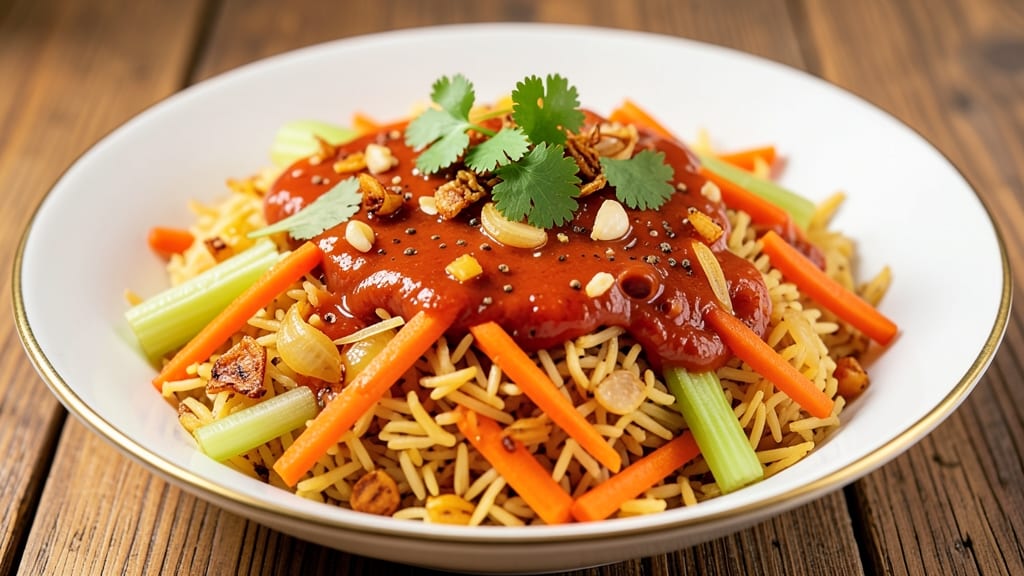
This Indian-style carrot fried rice transforms simple ingredients into aromatic, golden bites that balance sweet carrots with savory spices. The secret lies in tempering whole spices with onions and garlic, then folding them into perfectly cooked rice for layers of flavor that linger.
I’ve perfected this dish to be both restaurant-worthy and quick enough for weeknight dinners.
The result is a vibrant, textured dish where crisp-tender carrots and celery crowns contrast with fluffy rice, all tied together by garam masala and a hint of lemon.
Every bite delivers a symphony of crunch, warmth, and freshness—ideal for a hearty lunch or a comforting dinner. Let’s bring this fragrant, spiced masterpiece to your table.
Ingredients for carrot fried rice indian
Golden carrots, fragrant spices, and crisp celery crowns—this vegetarian fried rice delivers restaurant-worthy flavor in one pan.
| Ingredient | Amount | Notes |
|---|---|---|
| Long-Grain Basmati Rice 🍚 | 2 cups | Uncooked, rinsed thoroughly |
| Carrots 🥕 | 2 cups | Julienned into matchsticks |
| Celery Stems 🧅 | 1 ½ cups | Thinly sliced into crowns |
| Yellow Onions 🧅 | 1 whole | Finely diced, about 1 cup |
| Garlic Cloves 🧄 | 6 cloves | Minced finely, about 1 tbsp |
| Fresh Ginger 🌿 | 1 ½ tbsp | Grated, not minced |
| Garam Masala Powder 🌶️ | 1 ½ tbsp | Homemade or quality store-bought |
| Ground Cumin 🌿 | ½ tbsp | Toasted for depth |
| Turmeric Powder 🌶️ | ¼ tsp | Bright yellow color |
| Red Chili Powder 🔥 | ½ tsp | Adjust for heat preference |
| Vegetable Oil 🫒 | 3 tbsp | High smoke point preferred |
| Lemon Juice 🍋 | 1 tbsp | Freshly squeezed |
| Salt 🧂 | 1 tsp | Diamond Crystal preferred |
| Fresh Cilantro 🌿 | ¼ cup | Chopped, for garnish |
The garam masala is non-negotiable here—Penzeys or Spicewalla for the best quality. Fresh ginger and garlic? Always buy extra—you’ll use half for other dishes. Carrots should be firm and vibrant (no rubbery ones), and celery crowns taste best when cut just before cooking. For the rice, basmati is a must—it stays separate and fluffy. Rinse it thoroughly before cooking to remove excess starch, which keeps the grains distinct. I like to toast my spices lightly in oil before adding water to build even more flavor.
No garam masala? Mix 1 tsp coriander, 0.5 tsp cinnamon, 0.5 tsp cardamom, 0.25 tsp cloves for a close approximation. Swap vegetable oil for coconut oil if you prefer, but check your pan—it burns faster. Fresh cilantro? Dried works at half the amount, but the fresh brightness is worth it. For extra crunch, toss in 1/4 cup chopped peanuts at the end. The lemon juice can be adjusted to taste—start with 1 tbsp and add more if you love tang.
Rice reheats beautifully—just add a splash of water and cover. Keeps for 4-5 days in the fridge, but best within 2 days for peak texture. Freezes well for 3 months if portioned in airtight containers. For meal prep, I make double batches and freeze half. The spices mellow over time, so freshly made is always better, but this still tastes amazing straight from the freezer. Garnish with extra cilantro and a sprinkle of red chili flakes before serving.
Why You'll Love This Recipe
- One-Pan Magic: I swear by this—no chopping boards piled with scraps, no endless pots to wash. The onions and celery get a quick dice while the rice cools, and everything fries together in one skillet. That garlic? It sizzles into a golden paste that clings to every grain—no sticking, no fuss.
- Sweet-Savory Balance: Between us, the carrot adds this unexpected depth—crunchy at first, then melting into the rice with a natural sweetness that plays perfectly with the sharp onion and punchy garlic. Honestly, it’s the kind of flavor that makes you pause mid-bite, like, “Wait, why haven’t I done this sooner?”
- Lunchbox Legend: I pack this cold or reheated—both work. The rice stays fluffy, the carrots hold their bite, and it’s the kind of meal that survives a car ride without turning into mush. My kids used to complain about “boring rice,” but now they fight over who gets the extra scoop.
- Budget Meal Hero: Basmati rice is cheap, carrots last forever, and onions/celery stretch across multiple meals. I’ve made this for $3 a serving, and it still feels like a restaurant dish. Plus, leftovers? They reheat like a dream—just a splash of water, a minute in the microwave, and it’s fresh again.
Step-by-step instructions for carrot fried rice Indian recipe
Here's how to transform simple ingredients into fragrant, golden fried rice with perfect texture and bold Indian flavors.
Prepare the Rice Base
Rinse the 2 cups long-grain basmati rice thoroughly under cold water until the water runs clear. This removes excess starch that would make your fried rice gummy. Spread the rinsed rice on a clean kitchen towel and let it air-dry for 10 minutes—this prevents clumping when you cook it later.
In a medium saucepan, combine the rice with 4 cups water (yes, it's twice the rice volume) and bring to a boil over medium-high heat. Once boiling, immediately reduce heat to low, cover with a tight-fitting lid, and simmer for 12 minutes. The rice should be perfectly cooked but still slightly underdone—this prevents mushiness when frying. Drain any remaining water and let the rice cool completely before using. I like to spread it on a tray to cool faster and prevent steam buildup.
Sauté the Aromatics and Spices
Heat 3 tablespoons vegetable oil in a large, deep skillet or wok over medium heat. Add the 1 whole yellow onion and 1.5 cups celery stems, stirring frequently until they soften slightly—about 3 minutes. This jumpstarts the flavor without burning.
Add the 2 cups julienned carrots and stir for 2-3 minutes until they begin to soften but still retain their vibrant color. Here's the thing—you want them tender-crisp, not mushy. Next, add the 6 minced garlic cloves and 1.5 tablespoons grated ginger, cooking for 30 seconds until fragrant. The aroma should fill your kitchen—this is where the magic happens. Immediately add the 0.5 tablespoons ground cumin and 0.5 teaspoons red chili powder, stirring constantly for 1 minute to toast the spices and deepen their flavor.
Build the Spice Profile
Push the vegetable mixture to one side of the pan and add 1 tablespoon lemon juice to deglaze, scraping up any browned bits from the bottom. These bits are packed with flavor—don't miss them. Return the vegetables to the center of the pan and add the 1.5 tablespoons garam masala powder and 0.25 teaspoons turmeric powder. Stir everything together for 1 minute until the spices bloom and the mixture becomes fragrant.
Add the 1 teaspoon salt and stir again. This is your flavor checkpoint—taste a small spoonful. The spices should be vibrant, not bitter. If you want more heat, add a pinch more chili powder. If you want more depth, add a tiny bit more garam masala. Adjust now while everything is raw—it's easier to fix before cooking.
Fry the Rice to Perfection
Add the cooled rice to the pan, breaking up any clumps with your spatula. Stir-fry over medium-high heat for 3-4 minutes, letting the rice absorb the flavors and begin to crisp slightly at the edges. Here's the critical part: don't overcrowd the pan. If it's too full, your rice will steam instead of fry.
After 3 minutes, push the rice to one side of the pan and let it develop a light golden crust. This is where you get that perfect wok hei—smoky, crispy edges. Stir everything together, then repeat this crusting process 2-3 times until the rice is evenly golden and the vegetables are tender-crisp. The entire process should take about 8-10 minutes total.
Finish and Garnish
Remove the pan from heat and let it rest for 2 minutes. This resting period allows the flavors to meld and the rice to absorb all the delicious juices. Stir in the 0.25 cup chopped fresh cilantro and give it one final taste. Adjust seasoning if needed—you might need a tiny bit more salt or lemon juice to balance the spices.
Serve immediately while hot, garnished with an extra sprinkle of cilantro. The rice should be fragrant, slightly crispy at the edges, and bursting with the vibrant flavors of carrots, celery, and warm Indian spices. Pair it with a simple yogurt sauce or a side of pickled onions for the full experience. The key to great fried rice is timing—don't let it sit too long after cooking, or it'll turn dry and lose its perfect texture.
Pro Tips For Making Carrot Fried Rice Indian
- Use Day-Old Rice: Cold, dry basmati rice fries up way better than fresh—it clumps less and soaks up flavors like a sponge. I learned this the hard way after making fried rice with warm rice that turned into a sticky mess. Save your rice from last night’s meal or spread freshly cooked rice on a tray to cool faster.
- Dice Carrots Small: Skip the thick slices—they’ll turn mushy. Cut carrots into ¼-inch cubes so they soften evenly without disappearing into the rice. I used to overlook this, and the texture always felt off until I matched the size to the onions and celery.
- Bloom the Spices First: Heat your oil until it shimmers, then add whole spices (cumin, mustard seeds, etc.) and let them sizzle for 10 seconds before tossing in onions. This unlocks their flavor instead of letting them cook blandly. I was skeptical until I tried it—now it’s non-negotiable.
- Stir-Fry in Batches: Overcrowding steams the rice instead of frying it. Cook half the veggies first, push them to the side, then fry the rest in the same oil. This keeps everything crisp and prevents a soggy pile. Yes, it’s an extra step—but your fried rice will taste restaurant-quality.
Wine and beer pairings for carrot fried rice indian
Spiced White Wine
An off-dry Riesling from India’s Karnataka region (like Grover Zampa) complements the dish’s sweet carrots and tangy lemon perfectly. The wine’s mild sweetness and citrus notes balance the garam masala’s warmth while its acidity cuts through the richness. Serve slightly chilled—around 50°F—to enhance its refreshing qualities. 🍷
Crisp Lager Pairing
For beer lovers, a light Indian lager such as Kingfisher Ultra or Haywards 5000 works beautifully. Its clean, crisp profile won’t overpower the dish’s vibrant spices, while its subtle malt sweetness harmonizes with the carrots. Avoid heavy IPAs—they’ll clash with the delicate flavors. Serve at 40-45°F for the best experience.
Herbal Infusions
Add a twist by infusing your wine or beer with fresh mint or basil before serving. Simply muddle 4-5 mint leaves or 3 basil leaves into your glass for 10 minutes before pouring.
This echoes the dish’s fresh cilantro garnish and adds an aromatic bridge between the food and drink. A splash of lemon juice (like in the recipe) in your wine also enhances its brightness.
Non-Alcoholic Options
For a refreshing non-alcoholic match, try sparkling mint lemonade. Mix ½ cup fresh lemon juice, 2 tbsp honey, and 8 oz sparkling water, then muddle in 5 mint leaves.
Serve over ice with a sprinkle of crushed tamarind candy for a sweet-tart contrast. This drink mirrors the dish’s zesty and spiced profile without alcohol.
Regional Beer Twist
If you’re in Mumbai or Delhi, seek out local craft beers like Hopscotch Brewing’s Pale Ale or Chaayos’ Hoppy IPA—both offer hoppy bitterness that pairs surprisingly well with the dish’s garam masala.
For a smoother option, try Bangalore’s 10 Downing’s Pale Ale, which balances the dish’s sweetness and spice. Always opt for freshly poured beer to capture its crispness.
Nutrition facts
Frequently asked questions
Why does the recipe call for cooling the rice before frying?
Cooling the rice completely prevents steaming when you fry it, which would make your dish soggy instead of crispy. Warm rice releases moisture that turns fried rice into a mushy mess. The 10-minute air-dry step after rinsing also helps remove excess surface starch for that perfect wok hei texture.
Can I substitute basmati rice with jasmine or short-grain rice?
Jasmine rice works but may be slightly stickier—rinse it extra thoroughly and spread it on a tray to dry completely. Short-grain rice like sushi rice is too sticky and will clump when fried. For best results, stick with basmati or jasmine, but avoid instant rice—it lacks the necessary texture.
How do I adjust the heat level if I don't like spicy food?
Reduce the red chili powder to ¼ teaspoon or omit it entirely. For warmth without heat, add ½ teaspoon mild paprika instead. Taste the spice mixture before adding rice—you can always adjust with more salt or lemon juice later. The garam masala already provides depth without spiciness.
What's the best way to make this dish extra flavorful?
Toast your spices in oil for 30 seconds before adding water to deepen their aroma. Use fresh ginger and garlic (never powdered), and finish with a splash of lemon juice and fresh cilantro. For umami, add 1 teaspoon soy sauce or ½ teaspoon white miso paste when frying the rice.
Can I make this ahead of time for meal prep?
Yes, but with caution! Cook the rice and store it separately from the spices/vegetables. Reheat rice in a dry pan for 2-3 minutes before adding to the fried mixture to prevent sogginess. For best texture, fry fresh and serve immediately. If reheating, add 1 teaspoon water per cup of rice to restore moisture.