Side Dishes
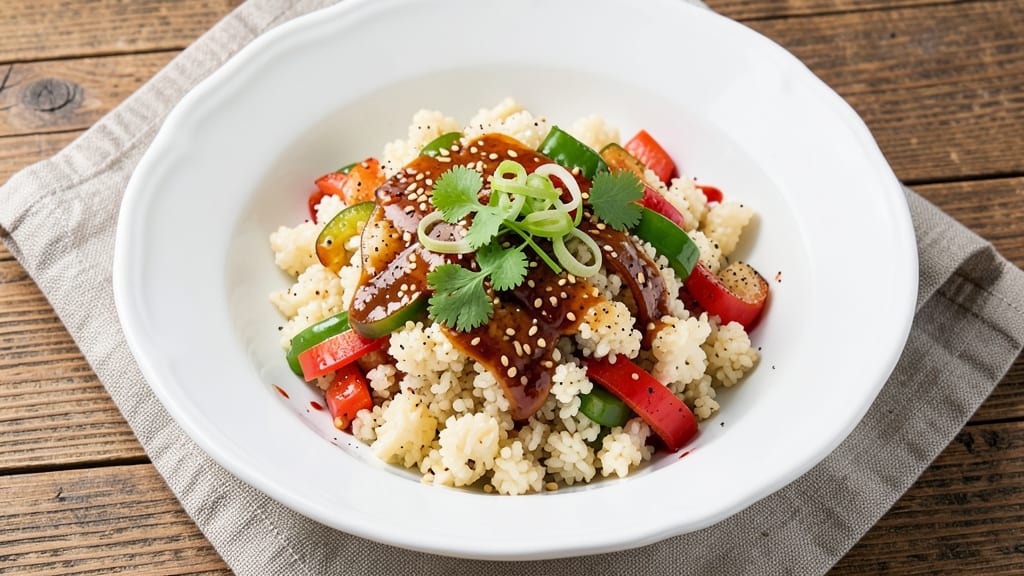
This cauliflower rice Asian recipe transforms a simple vegetable into a fragrant, restaurant-quality side dish in just 15 minutes—no rice cooker or special equipment needed. The secret lies in high-heat wok frying, which caramelizes garlic, ginger, and sesame oil while preserving the cauliflower's natural texture.
I developed this recipe after realizing how often I reached for takeout when craving that signature Asian wok aroma, and it delivers the same bold flavors without the guilt of heavy carbs.
The magic happens in the stir-fry process, where quick cooking preserves crisp-tender cauliflower florets while building layers of umami through soy sauce, fish sauce (or vegetarian alternative), and a touch of honey for balance.
Traditional Asian techniques like "wok hei"—that smoky, charred breath of the wok—are achievable even in a home kitchen with proper heat control. The result is a dish that's equally at home as a side for grilled proteins or as a complete vegetarian meal with tofu or shrimp.
What you'll end up with is golden-brown cauliflower rice with fragrant garlic and ginger notes, a perfect balance of savory, slightly sweet, and umami-rich flavors. The texture stays satisfyingly crisp around the edges while remaining tender in the center, and the aroma alone will have everyone asking for seconds.
This recipe adapts effortlessly to dietary preferences—add chicken for protein or keep it vegetarian with extra mushrooms and bell peppers.
Pair it with quick-pickled vegetables for tangy contrast or serve alongside a simple miso soup for a complete meal. The best part? Leftovers reheat beautifully, making this the perfect weeknight solution that tastes like you spent hours in the kitchen. Let's get cooking—your wok awaits.
Ingredients for cauliflower rice asian
Sixteen ingredients for a restaurant-quality side that's lighter than takeout but packed with wok-fried flavor.
| Ingredient | Amount | Notes |
|---|---|---|
| Fresh Cauliflower Florets 🥬 | 6 cups | Riced using food processor |
| Sesame Oil 🫒 | 1 ½ tbsp | Toasted, for aroma |
| Garlic Cloves 🧄 | 4 cloves | Minced, aromatic |
| Fresh Ginger 🌿 | 1 ½ tbsp | Finely grated |
| Low-Sodium Soy Sauce 🍶 | 2 tbsp | For umami depth |
| Vegetarian Fish Sauce 🍶 | 1 tbsp | Or coconut aminos |
| Honey 🍯 | 1 tbsp | For subtle sweetness |
| Vegetable Oil 🫒 | 2 tbsp | High smoke point |
| Toasted Sesame Seeds 🌾 | 1 tbsp | For garnish |
| Green Onions 🧅 | 3 whole | Sliced, for freshness |
| Red Bell Pepper 🌶️ | 1 piece | Diced, optional |
| Salt 🧂 | ½ tsp | Diamond Crystal preferred |
| Black Pepper 🌶️ | ¼ tsp | Freshly cracked |
| Vegetarian Oyster Sauce 🍶 | 1 tbsp | Optional depth |
The cauliflower is your canvas—fresh, vibrant florets make all the difference. Head to Whole Foods or Trader Joe's for the best quality; look for heads with tightly packed buds and no yellowing. Ricing it yourself (not pre-riced bags) gives you that satisfying texture. For extra flavor, pulse the florets with a pinch of salt before ricing—Diamond Crystal kosher salt dissolves better than table salt. The garlic and ginger? Fresh is non-negotiable—dried just won't cut it for that aromatic punch. Toast your sesame oil in the wok first—that nutty aroma is the soul of this dish.
No fish sauce? Coconut aminos or extra soy sauce work beautifully—just add a splash of lime juice to mimic the tang. Short on sesame seeds? Toasted peanuts or cashews give a similar crunch. The bell pepper is totally optional but adds that classic Asian wok color—red or yellow work best. Vegetarian oyster sauce? Mushroom-based versions from Lee Kum Kee are my go-to. And if you're feeling lazy, swap the honey for a touch of maple syrup—same sweetness, no bees. Pro tip: Keep your wok screaming hot—that's how you get the crispy edges.
This keeps 3-4 days in the fridge, but honestly? It's even better reheated—the flavors meld overnight. Store in an airtight container with parchment between layers to keep it crispy. Freezes for 2 months if you're planning ahead. The best part? It reheats in 2 minutes under the broiler or in a hot pan—perfect for busy weeknights. Garnish with extra sesame seeds and green onions right before serving—freshness matters.
Why You'll Love This Recipe
- One-Pan Magic: I swear by this recipe—just chop the cauliflower into rice-sized florets, toss with sesame oil, and let the garlic and ginger sizzle in the same pan. No extra bowls, no extra mess, and honestly? The smell alone makes me forget I was ever stressed about dinner.
- Umami Bomb: That low-sodium soy sauce and sesame oil combo? It’s the secret weapon here. The garlic and ginger hit first with a sharp bite, then the soy sauce rounds it out—salty, savory, and just a little addictive. I’ll be real: I’ve made this for takeout nights, and no one’s ever guessed it wasn’t delivered.
- Leftover Hero: This stuff actually improves the next day. The flavors meld even better, and it reheats like a dream—crispy edges, tender centers, every time. I keep a batch in the fridge for lazy mornings (yes, even on a Tuesday night) or toss it into stir-fries when I’m out of fresh veggies.
- Budget Win: Fresh cauliflower is cheap, and this recipe stretches it far. A single head feeds four, and the other ingredients? Basic pantry staples. Between us, I’ve used this to stretch proteins like chicken or tofu, or even just as a side—no guilt, all flavor, and my wallet thanks me every time.
Step-by-step instructions for wok-fried cauliflower rice
Here's how to transform simple cauliflower rice into a fragrant, restaurant-quality Asian stir-fry in record time.
Rice the Cauliflower and Toast the Sesame Oil
Process the 6 cups fresh cauliflower florets in a food processor fitted with the grating disk until you achieve rice-like consistency. You're aiming for pieces about the size of a grain of rice—this texture will give you that perfect stir-fry bite. Transfer the cauliflower rice to a bowl and set aside.
In a small saucepan, heat the 1.5 tablespoons sesame oil over medium-low heat. Watch closely as it warms—you want it just until it begins to shimmer and release its nutty aroma, about 30 seconds. Immediately remove from heat and pour the toasted oil into a small bowl to use later. This aromatic oil will elevate your entire dish with its deep, toasty flavor.
Build the Flavor Base with Aromatics
Heat the 2 tablespoons vegetable oil in a large wok or skillet over medium-high heat until it's shimmering. Add the 4 minced garlic cloves and 1.5 tablespoons finely grated ginger, stirring constantly for 30 seconds until they become fragrant but not browned. This quick cooking preserves their bright, fresh flavors rather than letting them turn bitter.
Add the diced red bell pepper (if using) and stir-fry for 2 minutes until it softens slightly and begins to release its natural sweetness. The vegetables should maintain some texture—you're not cooking them through, just prepping them for the main event. Here's where it gets fun—the colors will start to deepen and the kitchen will fill with that irresistible wok aroma.
Stir-Fry the Cauliflower Rice
Add the cauliflower rice to the wok in batches if needed to avoid overcrowding. Stir-fry vigorously for 4-5 minutes until the cauliflower turns bright green and begins to develop a slight char in spots. You want to hear that satisfying sizzle—the sound of perfect stir-frying. The rice should be tender but still hold its shape with a slight bite.
Here's a pro tip: I like to use tongs to toss the cauliflower rice rather than a spoon. This gives me better control and helps create those beautiful wok marks that signal proper cooking. If the cauliflower starts to stick, add a splash of water and stir to release it—this happens when the moisture content isn't perfectly balanced.
Season and Finish with Umami Depth
In a small bowl, whisk together the 2 tablespoons low-sodium soy sauce, 1 tablespoon vegetarian fish sauce, 1 tablespoon honey, and 1 tablespoon vegetarian oyster sauce. Pour this flavorful mixture over the hot cauliflower rice and toss vigorously for 1-2 minutes until everything is evenly coated and the sauce is absorbed.
Season with the 0.5 teaspoon salt and 0.25 teaspoon freshly cracked black pepper, then stir in the toasted sesame oil. The dish should now be vibrant with color and packed with layers of flavor—salty, sweet, umami-rich, and aromatic. Taste and adjust seasoning if needed, remembering that the fish sauce and soy sauce provide most of the saltiness.
Garnish and Serve Immediately
Transfer the wok-fried cauliflower rice to serving plates and garnish with the sliced green onions and 1 tablespoon toasted sesame seeds. The green onions add a fresh, bright contrast to the rich, savory flavors, while the sesame seeds contribute a delightful crunch and nutty depth. Serve immediately while the cauliflower is still hot and vibrant.
This dish tastes best straight from the wok when the cauliflower is slightly crisp at the edges and the aromatics are still releasing their volatile oils. The flavors will continue to develop as it sits, but the texture will suffer if you wait too long. Pair with a drizzle of extra sesame oil or a sprinkle of chili flakes if you like some heat.
Pro Tips For Making Cauliflower Rice Asian
- Pulse, Don’t Grate: Skip the food processor if you’re impatient—it turns cauliflower rice into mush. Instead, chop florets into ¼-inch pieces by hand (or use a sharp knife in quick strokes). You’ll get bigger, more satisfying "rice" that holds up better when stir-fried, and it won’t turn to glue in your wok.
- Bloom the Aromatics: Toss minced garlic and ginger in sesame oil for 30 seconds before adding cauliflower rice—this releases their flavors without burning. I used to add them later and wondered why my dish tasted flat. Heat the oil until it shimmers (not smoking), then throw in the aromatics and let them sizzle until fragrant.
- Salt the Cauliflower First: Toss raw cauliflower rice with a pinch of salt (½ tsp per cup) and let it sit for 5 minutes before cooking. This draws out moisture, so it crisps up nicely in the wok instead of steaming into a sad, limp pile. (Yes, even if you’re using low-sodium soy sauce later—this isn’t about saltiness, it’s about texture.)
- Stir-Fry in Batches: Overcrowding the pan steams the cauliflower instead of searing it. Cook half the rice first, push it to the sides, then add the second batch to the hot, empty center. This gives you golden, caramelized edges every time—no soggy middle. (And if you’re adding protein, save that for the second batch to soak up the flavors.)
Common mistakes when making great cauliflower rice asian
Overcrowding the Wok
This is the #1 mistake I see when making cauliflower rice stir-fry. Adding too much at once causes the cauliflower to steam instead of sear, resulting in mushy texture. Work in batches—I typically stir-fry 2 cups at a time in my 14-inch carbon steel wok.
Overcrowding also drops the temperature, which kills that essential wok hei (breath of the wok) aroma. 💨
Skipping the Sesame Oil Toast
Many home cooks pour sesame oil directly into the wok with other ingredients, but this is a flavor crime. Always toast it first over medium-low heat until fragrant—this releases its nutty, toasty aromas.
I use 1.5 tbsp in a small saucepan for 30 seconds max. Adding it cold means you're missing out on that signature depth that makes Asian dishes sing. 🌟
Undercooking the Aromatics
Garlic and ginger need just 30 seconds of cooking to become fragrant, not browned. Many people walk away too soon, leaving their dish tasting raw. Keep them moving constantly in the hot oil until you can smell that irresistible aroma—this builds the flavor foundation.
For extra insurance, I like to add a pinch of salt to the aromatics while cooking to enhance their natural sweetness. 🧄
Using Pre-Riced Cauliflower
Store-bought cauliflower rice often contains anti-caking agents that prevent proper browning. Freshly processed florets develop that perfect crisp-tender texture with beautiful char marks. I pulse 6 cups fresh florets in my food processor until rice-sized—this takes about 10 seconds.
The extra effort makes all the difference in texture and flavor. 🥬
Ignoring the Sauce Absorption Phase
Many people pour their sauce and immediately serve, but the real magic happens during the 1-2 minute toss after adding sauce. This lets the flavors meld and the cauliflower absorb the umami depth.
I like to taste the sauce before tossing—it should be balanced between sweet (honey), salty (soy sauce), and funky (fish sauce). Don't skip this crucial step! 🍶
Letting It Sit Too Long
Cauliflower rice continues cooking even after you remove it from heat. The perfect window is 2-3 minutes after cooking when serving. After that, it turns soggy. I always keep my serving plates nearby and garnish immediately with toasted sesame seeds and green onions.
The contrast of fresh herbs against the warm cauliflower makes all the difference. ⏰
Nutrition facts
Frequently asked questions
Can I use pre-riced cauliflower rice instead of fresh?
While it works in a pinch, freshly processed cauliflower gives the best texture and flavor. Pre-riced versions often contain anti-caking agents that prevent proper browning. If you must use it, pat it completely dry first and stir-fry for 2-3 minutes longer than fresh to achieve crisp-tender results.
What's the best way to add protein to this dish?
For vegetarian options, try extra-firm tofu (pressed and cubed) or shiitake mushrooms. For meat lovers, add shrimp or chicken breast cooked separately first. Always cook proteins to 165°F before adding to the cauliflower. Pro tip: Marinate proteins in soy sauce and sesame oil for 15 minutes before cooking.
How do I make this spicier?
Add ½ teaspoon of chili flakes or 1 teaspoon of sriracha to the sauce mixture. For heat lovers, stir-fry ½ teaspoon of red pepper flakes with the aromatics. Always taste first—Asian chili can be intense! Balance with a touch more honey if needed.
Can I make this ahead of time?
Yes, but serve it fresh from the wok for best texture. Store cooked cauliflower rice in an airtight container for up to 3 days. Reheat in a hot pan for 2 minutes with a splash of water to restore crispness. For leftovers, add fresh green onions and sesame seeds when serving.
What's the secret to getting that wok aroma?
It's all about high heat and proper technique! Use a wok or deep skillet on medium-high heat until smoking hot. Work in batches to avoid crowding, and keep everything moving constantly. The key is wok hei—that smoky, charred breath created by proper heat control and quick cooking. A carbon steel wok helps most, but any heavy pan works.