
Sauces & Condiments
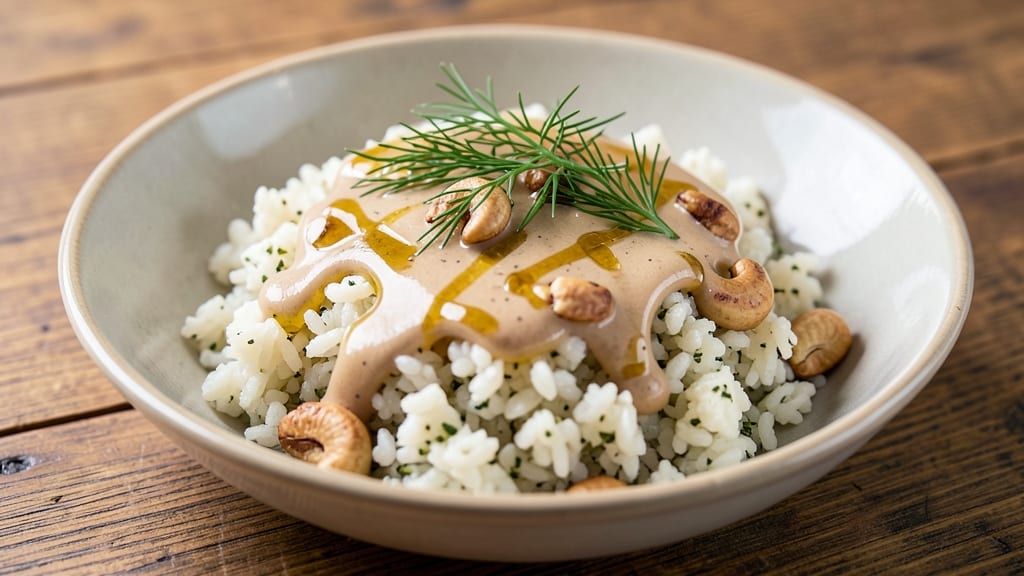
This cauliflower rice dressing recipe transforms low-carb meals into flavorful experiences with a creamy, herb-infused sauce that clings perfectly to every grain.
The secret lies in blending silky avocado or tangy tahini with bright citrus and fresh herbs, creating a dressing that's rich yet light—ideal for salads, stir-fries, or as a topping for roasted vegetables.
What sets this dressing apart is its versatility and ease of preparation. In just 5 minutes, you'll combine simple ingredients to create a sauce that enhances any dish without overpowering it. The result?
A velvety, herbaceous dressing that stays fresh for up to 5 days in the refrigerator, making it perfect for meal prep. Whether you're following a low-carb diet or simply looking for a lighter alternative, this dressing delivers restaurant-quality flavor with minimal effort.
Ingredients for cauliflower rice dressing
Twelve ingredients blend into a velvety dressing that elevates low-carb dishes effortlessly.
| Ingredient | Amount | Notes |
|---|---|---|
| Fresh Cauliflower Rice 🥬 | 3 cups | Riced from head, fresh or frozen |
| Extra-Virgin Olive Oil 🫒 | ½ cup | Light, fruity variety preferred |
| Raw Cashews 🥜 | ½ cup | Soaked for creaminess |
| Lemon Juice 🍋 | 3 tbsp | Freshly squeezed, strained |
| Tahini 🌿 | ¼ cup | Sesame paste, high-quality |
| Fresh Dill 🌿 | ¼ cup | Chopped, stems removed |
| Fresh Parsley 🌿 | ¼ cup | Flat-leaf preferred |
| Garlic Cloves 🧄 | 2 cloves | Peeled, rough chopped |
| Apple Cider Vinegar 🍎 | 1 tbsp | For tangy balance |
| Diamond Crystal Kosher Salt 🧂 | ½ tsp | Fine grain preferred |
| Black Peppercorns 🌶️ | ¼ tsp | Freshly cracked |
| Avocado 🥑 | ½ whole | Ripe, pitted, optional |
The cauliflower rice forms the base of this dressing, offering a neutral yet textural foundation. For optimal freshness, select a firm head with vibrant florets—avoid any with yellowing or soft spots. Most grocery stores carry pre-riced cauliflower, but freshly riced yields better texture. A high-speed food processor or box grater works best. The avocado, while optional, adds luxurious creaminess—choose ripe but firm fruit to prevent excess water release. For cashews, soak them for 2 hours or overnight to ensure smooth blending. Tahini should be thick and rich; avoid watery brands that dilute flavor.
No tahini? Substitute with 0.25 cup extra olive oil, though texture will differ slightly. Fresh herbs can be swapped for dried at one-third the amount, but flavor intensity will diminish. The garlic can be roasted for a sweeter profile—simply wrap peeled cloves in foil and bake at 400°F for 10 minutes. For a nut-free version, omit cashews and increase olive oil by 0.25 cup. The lemon juice and vinegar balance is critical—taste as you blend and adjust to preference. If the dressing separates, whisk vigorously or blend again briefly.
This dressing maintains peak freshness for 5 days when stored in an airtight container in the refrigerator. For longer storage, transfer to a sealed jar and freeze for up to 3 months. To preserve texture, layer plastic wrap directly on the surface before sealing. The dressing thickens when chilled—stir with a fork and add 1-2 tsp water if needed before serving. Portion into small containers for easy meal prep; it pairs beautifully with roasted cauliflower, grilled chicken, or fresh salads.
Why You'll Love This Recipe
- No-Fuss Blender Magic: I swear by this—just toss in cauliflower rice, soaked cashews, tahini, and lemon juice, then pulse until it’s creamy. No straining, no fuss, and honestly? It’s the closest I’ve gotten to a restaurant-style dressing without the effort.
- Tahini-Lemon Zing: That tahini gives it this rich, nutty depth, while the lemon cuts through it like a bright summer breeze. The olive oil ties it all together—smooth one minute, tangy the next—perfect for when you want flavor that doesn’t quit.
- Dressing or Dip? Yes.: Slather it on grilled chicken, toss it with roasted veggies, or serve it as a dip with crudités. Between us, I’ve even used it as a base for a quick grain bowl when I’m too tired to think. It’s the kind of recipe that adapts without complaining.
- Budget-Friendly Pantry Hero: Cashews and tahini might sound fancy, but they stretch this dressing far—I’ve made a batch that lasted a week, and it still tasted fresh. Plus, cauliflower rice is cheaper than regular rice, so you’re basically getting gourmet for less. Win.
Step-by-step instructions for herb-infused cauliflower rice dressing
This creamy, vibrant dressing delivers restaurant-quality flavor with minimal carbs—perfect for drizzling over salads, bowls, or grilled proteins.
Prepare the Base Ingredients
Begin by soaking the 0.5 cup raw cashews in hot water for 15 minutes—this softens them for a silky texture. While they soak, pat the 3 cups fresh cauliflower rice completely dry with paper towels to remove excess moisture. I use a clean kitchen towel for this step to ensure the dressing doesn't turn watery later.
Roughly chop the 2 cloves garlic and set aside. The goal is to keep them slightly chunky—they'll blend into the dressing but still provide texture. If using the 0.5 whole avocado, pit and scoop out the flesh, reserving it for the final step. This optional addition adds richness, but the dressing works beautifully without it.
Blend the Creamy Foundation
Drain the soaked cashews and transfer them to a high-speed blender with the 0.25 cup tahini, 0.5 cup extra-virgin olive oil, 3 tbsp lemon juice, and 1 tbsp apple cider vinegar. Blend on high for 1 minute until completely smooth. The mixture should look like thick, pale yellow cream—this is your flavor base.
If the blend feels too thick, add 1-2 tablespoons of water to loosen it. I prefer a slightly thick consistency for the dressing, as it clings better to greens and proteins. Taste at this stage—the blend should have a nutty, tangy profile with a hint of garlic. Adjust the lemon juice or vinegar if needed for brightness.
Incorporate Herbs and Seasonings
Add the 0.25 cup fresh dill, 0.25 cup fresh parsley, 0.5 tsp diamond crystal kosher salt, and 0.25 tsp black peppercorns to the blender. Pulse 2-3 times until the herbs are finely chopped but still visible—this ensures vibrant color and texture. Avoid over-blending, or the dressing will lose its fresh, herbaceous quality.
Scrape down the sides of the blender with a spatula to ensure even distribution. The dressing should now have a bright green hue and a balanced flavor profile—herby, tangy, and slightly nutty. If using the avocado, add it now and blend for 10 seconds to incorporate without over-processing.
Fold in Cauliflower Rice for Texture
Transfer the blended dressing to a large bowl. Gently fold in the 3 cups fresh cauliflower rice using a silicone spatula, being careful not to mash it. The cauliflower rice should be evenly distributed but still retain its individual pieces—this adds a pleasant crunch to each bite.
Let the dressing sit for 5 minutes at room temperature. This allows the flavors to meld and the cauliflower rice to soften slightly. Taste again and adjust seasoning if needed—perhaps a pinch more salt or a splash of lemon juice for brightness. The dressing should be creamy, tangy, and herb-forward with a subtle crunch from the cauliflower rice.
Chill and Serve
Cover the dressing and refrigerate for at least 30 minutes before serving. Chilling enhances the flavors and thickens the texture slightly, making it ideal for drizzling. The dressing will keep in the fridge for up to 5 days, though I find it's best enjoyed within 2-3 days for maximum freshness.
Serve chilled over mixed greens, grilled chicken, or roasted vegetables. The dressing's light yet rich profile makes it a versatile low-carb option—perfect for meal prep or last-minute salads. For extra flair, garnish with additional fresh herbs or a drizzle of olive oil before serving.
Pro Tips For Making Cauliflower Rice Dressing
- Toast the Cashews: Toss raw cashews in a dry pan over medium heat for 3-4 minutes until they smell nutty and golden—this removes bitterness and deepens flavor. I used to skip this, but now it’s the thing that makes the dressing taste like it belongs in a restaurant.
- Pulse, Don’t Blend: Use a food processor to pulse the cauliflower rice, cashews, and tahini in short bursts, stopping to scrape the bowl every 10 seconds. Over-blending turns the dressing into paste; you want texture, not glue.
- Salt the Tahini: Mix a pinch of fine sea salt into the tahini before adding it to the dressing—it cuts through the richness and balances the lemon. I learned this the hard way after a batch tasted flat and one-dimensional.
- Warm the Oil: Heat the olive oil to just below smoking (about 160°F) before whisking it into the tahini-lemon mixture. Cold oil makes the dressing separate; warm oil emulsifies it instantly. Yes, even if you’re impatient like me.
Serving suggestions for this cauliflower rice dressing
Salad Enhancements
This dressing transforms simple salads into gourmet meals. Toss it with mixed greens like arugula and spinach, then top with grilled chicken, cherry tomatoes, and shaved fennel for a Mediterranean-inspired bowl.
The cauliflower rice adds a satisfying crunch that balances the creamy texture. For extra protein, sprinkle with toasted pumpkin seeds or crumbled feta if you're not strictly vegan. 🥗
Protein Pairings
Pair this dressing with grilled or roasted proteins to elevate any dish. Drizzle over garlic butter shrimp or herb-crusted salmon for a light yet flavorful topping. The tangy, herby notes complement the richness of meats beautifully.
I love serving it with seared scallops or crispy tofu for a seafood-inspired dish that feels restaurant-worthy. The cauliflower rice adds a subtle texture contrast that keeps every bite interesting.
Vegetable Bowls
Use this dressing as the star of your veggie bowls. Layer it with roasted brussels sprouts, sautéed mushrooms, and caramelized onions for a hearty, low-carb meal. The dressing clings perfectly to the vegetables while adding a creamy, herby depth.
For a complete bowl, add quinoa or chickpeas for extra protein and fiber. The cauliflower rice in the dressing adds a satisfying bite that rounds out the dish beautifully. ✨
Garnish Ideas
Elevate your presentation with simple garnishes that highlight the dressing's vibrant flavors. A sprinkle of toasted sesame seeds adds a nutty crunch, while thinly sliced radishes provide a peppery contrast. For a pop of color, add edible flowers or microgreens.
A final drizzle of extra-virgin olive oil enhances the dressing's richness. I also love adding a pinch of flaky sea salt right before serving to bring out all the flavors.
Meal Prep Tips
Store this dressing in airtight containers for up to 5 days in the fridge, making it perfect for meal prep. Portion it into small jars so you can grab and go. Pair it with prepped proteins and veggies for quick, healthy lunches.
The dressing keeps its texture well when refrigerated, though it may thicken slightly—just stir with a fork before using. For extra convenience, prep a batch of roasted veggies or grilled chicken ahead of time and store them separately. Assemble your bowls fresh for the best flavor and texture. 💡
Nutrition facts
Frequently asked questions
Can I make this dressing without tahini?
Yes! For a nut-free version, simply replace the 0.25 cup tahini with an extra 0.25 cup olive oil. The texture will be slightly lighter but still creamy. If you want to maintain richness, you can also add 0.5 cup silken tofu to the blend for extra body. The flavor will be more olive-oil forward but still delicious.
How do I prevent the cauliflower rice from turning mushy?
Pat the cauliflower rice very dry before folding it into the dressing—this is key! Any moisture will make it soggy. Also, avoid over-blending the herbs, and fold the rice gently with a spatula rather than stirring vigorously. If it starts to soften too much, store it in an airtight container with a paper towel to absorb excess moisture.
Can I use frozen cauliflower rice in this recipe?
Thaw and drain frozen cauliflower rice thoroughly before using, then pat it completely dry with paper towels. The texture will be slightly different—less crisp—but it works perfectly. For extra crunch, toast the rice in a dry skillet for 2-3 minutes before adding it to the dressing.
Why did my dressing separate after refrigerating?
This happens when the oil and water-based ingredients separate due to chilling. Simply whisk or blend briefly to re-emulsify before serving. To prevent it, let the dressing sit at room temperature for 5 minutes before chilling, and avoid adding too much liquid during blending. A quick pulse with a fork also helps maintain consistency.
What's the best way to store leftovers?
Transfer the dressing to an airtight container and press plastic wrap directly on the surface to minimize air exposure. It keeps for 5 days in the fridge. For longer storage, freeze in ice cube trays, then transfer to a bag—thaw overnight in the fridge. The texture may change slightly after freezing, but the flavor stays vibrant.