
Main Courses
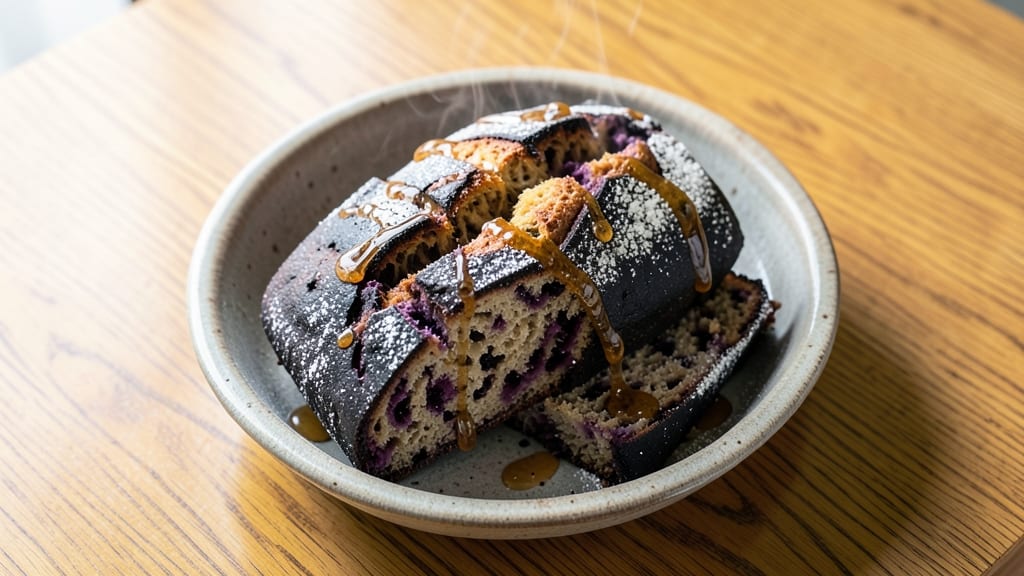
This black rice bread recipe transforms ordinary loaves into antioxidant-rich masterpieces with a deep purple hue and nutty crunch. The secret lies in black rice flour, which adds earthy depth and vibrant color while boosting nutritional value.
Perfect for health-conscious bakers who crave both flavor and nutrition, this bread stands out with its striking appearance and satisfying texture.
With just a few simple ingredients—including yeast, whole wheat flour, and a touch of honey—you'll create a loaf that's both visually stunning and packed with nutrients.
The black rice flour gives it a unique nutty flavor and that signature deep purple color, making it ideal for toast, sandwiches, or serving alongside soups. Let's get started on this nutrient-dense loaf that's as good for you as it is delicious.
Ingredients for black rice bread
Black rice flour gives this loaf its striking purple hue and antioxidant punch—just eight ingredients transform ordinary bread into a nutrient powerhouse.
| Ingredient | Amount | Notes |
|---|---|---|
| Black Rice Flour 🌾 | 1 ½ cups | High-quality, finely milled for best texture |
| Whole Wheat Flour 🌾 | 2 cups | Unbleached for nutty flavor |
| Active Dry Yeast 🍞 | 2 ¼ tsp | Freshly measured, not expired |
| Granulated Honey 🍯 | ¼ cup | Raw preferred for enzyme activity |
| Unsalted Butter 🧈 | ¼ cup | Room temperature for easy mixing |
| Non-Fat Dry Milk Powder 🥛 | ¼ cup | For structure and crust color |
| Granulated Sugar 🍚 | ¼ cup | Feeds yeast for better rise |
| Large Eggs 🥚 | 1 whole | Room temperature for even mixing |
| Warm Water 💧 | 1 ¼ cups | 110°F for optimal yeast activation |
| Salt 🧂 | 1 ½ tsp | Diamond Crystal preferred |
| Olive Oil 🫒 | 1 tbsp | Extra-virgin for flavor |
| Ground Flaxseed 🌱 | 1 tbsp | For crust shine and nutrition |
| Poppy Seeds 🌻 | 1 tbsp | Optional for visual appeal |
The black rice flour makes or breaks this recipe. Bob's Red Mill or Anthony's Goods are reliable sources—look for a fine grind to avoid grittiness. Whole wheat flour adds chewiness, so don't substitute white flour unless you want a softer crumb. Honey isn't just sweetener here—its enzymes help activate the yeast. Raw local honey works best if you want extra flavor, but any honey will do. Butter adds richness, but if you're avoiding dairy, vegan butter works just fine—just make sure it's unsalted.
No black rice flour? Substitute with 1 cup whole wheat plus 1 cup white flour, but expect a lighter color and less nutty flavor. Running low on honey? Maple syrup at half the amount keeps things vegan. The flaxseed isn't optional—it gives that beautiful sheen and adds omega-3s. No poppy seeds? Sesame seeds or everything bagel seasoning work too. For the yeast, if it's over 6 months old, test it first in warm water—it should foam within 5 minutes. The water needs to be warm but not hot—110°F is perfect, or just warm enough to touch comfortably.
This dough keeps for 24 hours in the fridge if you want to let it rise overnight—just bring it to room temp before shaping. The baked loaf stays fresh 3-4 days wrapped in a cotton towel, or you can freeze slices for up to 3 months. For extra crunch, brush the cooled loaf with melted butter and sprinkle with flaky salt. I always make two small loaves instead of one big one—they brown better and stay fresh longer.
Why You'll Love This Recipe
- No-Knead Magic: The dough comes together in five minutes—just mix, let it rise, and bake. Honestly, I’ve made bread that took longer to preheat the oven, and this still wins.
- Honey-Butter Luxury: That first bite? The black rice’s nutty depth paired with honey’s caramel sweetness and butter’s richness—it’s like a breakfast pastry without the fuss. (Yes, even on a Tuesday night.)
- Breakfast to Snack: Toast it for avocado, smear it with jam for kids’ lunches, or freeze slices for quick toast later. I’ve used it all, and it never lets me down.
- Pantry Stash Winner: Black rice flour is pricey, but a little goes far—this recipe stretches it across a whole loaf. Plus, the whole wheat base keeps costs down while boosting nutrition. My wallet and waistline both thank me.
Step-by-step instructions for black rice bread
Here's how to craft this antioxidant-rich loaf with perfect texture and nutty depth.
Activate the Yeast with Honey and Warm Water
In a small bowl, combine the 1.25 cups warm water (about 110°F) with the 2.25 teaspoons active dry yeast and 0.25 cup granulated honey. Let this sit for 5-7 minutes until you see frothy bubbles forming on the surface—this confirms your yeast is alive and ready to work.
I always test the water temperature first with my finger—it should feel warm but not hot to the touch. The honey here serves a dual purpose: it feeds the yeast while adding subtle sweetness that balances the earthy black rice flavor. If no bubbles appear after 10 minutes, your yeast may be expired, and you'll need to start over.
Mix the Wet and Dry Ingredients Separately
In a large mixing bowl, whisk together the 1.5 cups black rice flour, 2 cups whole wheat flour, 0.25 cup non-fat dry milk powder, 1.5 teaspoons salt, and 1 tablespoon ground flaxseed. Set this dry mixture aside. In a separate bowl, beat the 1 whole large egg with the 0.25 cup unsalted butter and 1 tablespoon olive oil until fully combined and slightly frothy.
The black rice flour gives this bread its distinctive deep purple hue and antioxidant properties, while the whole wheat flour adds that satisfying nutty crunch. The flaxseed contributes to both the shine on the crust and the nutritional profile. I like to use a whisk for the dry ingredients to ensure even distribution of the salt and milk powder throughout the flours.
Combine and Knead the Dough
Gradually add the wet ingredients to the dry ingredients while mixing with a wooden spoon or dough whisk. After combining, turn the dough out onto a lightly floured surface and knead for 8-10 minutes until smooth and elastic. The dough should be slightly tacky but not sticky—add more flour 1 tablespoon at a time if needed to achieve the right consistency.
This kneading step develops the gluten structure that gives the bread its chewy texture. I press down gently on the dough during the first minute—this prevents it from curling and ensures even contact with the work surface. If the dough feels too stiff, let it rest for 5 minutes before continuing to knead. The black rice flour can make the dough denser than traditional bread dough, so don't be surprised if it resists a bit more.
First Rise and Shape the Loaf
Place the dough in a lightly greased bowl, cover with a clean kitchen towel, and let it rise in a warm place for 1-1.5 hours or until doubled in size. The dough should spring back slowly when you press it gently with one finger—this indicates proper fermentation. While the dough rises, preheat your oven to 375°F and prepare a loaf pan by greasing it lightly and sprinkling with poppy seeds.
I always use the back of my hand to check the dough's readiness—if it leaves a slight indentation that doesn't fill back in immediately, it's ready. The warm environment helps speed up fermentation, but don't rush this step. Proper rising time ensures a light, airy crumb rather than a dense loaf. The poppy seeds on the pan will add visual appeal and a subtle crunch to the finished bread.
Bake to Golden Perfection
Carefully transfer the risen dough to the prepared loaf pan and let it rest for 10 minutes before baking. This resting period helps the dough relax after shaping. Bake in the preheated oven for 35-40 minutes until the top is deep golden brown and the internal temperature reaches 190°F when measured with an instant-read thermometer.
I like to tent the pan with aluminum foil after 20 minutes if the top is browning too quickly—this prevents over-browning while allowing the bread to cook through evenly. The black rice flour will give the bread a beautiful deep purple hue at the edges, which becomes more pronounced as it cools. Let the bread cool in the pan for 10 minutes, then transfer to a wire rack to cool completely before slicing. This resting period ensures clean slices and prevents a gummy texture.
Pro Tips For Making Black Rice Bread
- Bloom the Yeast First: Skip mixing the yeast directly into dry flour—it’s a surefire way to underproof your bread. Instead, dissolve the yeast in warm (not hot) water with a pinch of honey first, then wait 5-10 minutes until it’s frothy. This ensures your black rice and whole wheat blend rises properly, even with the denser black rice flour’s extra weight.
- Soften the Honey: Cold honey is thicker than molasses, and if you dump it straight into the dough, it’ll clump like glue. Warm it slightly in a bowl over hot water (or microwave 10 seconds) until it’s pourable. Smooth honey mixes evenly and feeds the yeast better, giving you a lighter crumb.
- Knead Until Silky: Black rice flour is sticky, and whole wheat absorbs moisture like a sponge—your dough will fight you. Work it for 8-10 minutes by hand (or 5-6 on speed 2 in a stand mixer) until it’s smooth, elastic, and leaves a clean windowpane when stretched. Over-kneading is hard to do here, but under-kneading means dense, gummy bread.
- Proof at Room Temp: Resist the urge to rush this—black rice dough needs patience. Let it rise in a lightly oiled bowl at 75°F (24°C) for 1.5–2 hours until it’s puffed and jiggly. Cold proofing slows fermentation; heat speeds it too much and makes the honey caramelize prematurely. Aim for a slow, steady rise.
Pro cooking tips for great black rice bread
Black Rice Flour Magic
The black rice flour is the star of this recipe—it's not just for color! This flour contains anthocyanins, the same antioxidants found in blueberries, giving it that deep purple hue and a nutty, slightly sweet flavor.
For best results, use a fine grind like Bob's Red Mill or Anthony's Goods to avoid grittiness in your bread. If you can't find black rice flour, substitute with 1 cup whole wheat flour + 1 cup white flour, but expect a lighter color and milder flavor.
The flour absorbs moisture differently than all-purpose, so don't be surprised if your dough feels slightly denser during kneading. 🌾
Honey's Dual Role
This recipe calls for ¼ cup honey, but it's doing double duty here. First, it feeds the yeast to activate it properly—look for raw local honey if you want extra flavor depth. Second, it balances the earthy black rice flavor with subtle sweetness.
If you're avoiding honey, maple syrup at half the amount works well, though it may make the bread slightly denser. Pro tip: Warm the honey gently before mixing—this helps it dissolve faster into the wet ingredients and creates a smoother dough. 🍯
Kneading for Structure
The black rice flour requires 8-10 minutes of vigorous kneading to develop proper gluten structure—this is where the chewy texture comes from. I like to press down gently on the dough during the first minute to prevent curling, then switch to a fold-and-turn technique for even gluten development.
If the dough feels too stiff, let it rest for 5 minutes before continuing. The black rice flour can make the dough denser than traditional bread, so don't be tempted to add extra flour too soon—just knead patiently.
A dough scraper helps keep things under control when working with sticky dough. 💪
Perfect Rise Conditions
This dough needs a warm, draft-free environment to rise properly—aim for 75-80°F. I place my dough bowl on top of my instant pot with 1 cup hot water for consistent warmth. The dough should double in size and spring back slowly when pressed.
If your kitchen is cold, try placing the bowl near a turned-off oven with the light on for gentle warmth. Overproofing is easy with black rice flour, so keep an eye on it after 1 hour—the dough should be just under doubled when ready to shape. 🌡️
Baking with Precision
Bake at 375°F until the internal temperature reaches 190°F—this ensures a fully baked loaf without over-browning. I tent the pan with aluminum foil after 20 minutes if the top starts browning too quickly, then remove it for the final 10-15 minutes to develop that golden crust.
The black rice flour will create a deep purple hue at the edges that becomes more vibrant as the bread cools. Let it cool in the pan for 10 minutes before transferring to a wire rack—this prevents a gummy texture when slicing. 🔥
Pro Crust Tricks
For an extra-shiny crust, brush the cooled loaf with melted butter and sprinkle with flaky salt or poppy seeds while still warm. If you want to boost the nutty flavor, add 1 teaspoon cinnamon to the dry ingredients—it pairs beautifully with the black rice.
For a crustier bread, bake at 350°F instead of 375°F and brush with olive oil before baking. The black rice bread freezes beautifully—slice and toast directly from frozen for quick breakfast toast with jam or avocado. 💡
Nutrition facts
Frequently asked questions
Why does black rice bread have that deep purple color?
The vibrant hue comes from anthocyanins in black rice flour—natural antioxidants that also give blueberries their color. This same compound gives the bread its nutty, slightly sweet flavor while adding nutritional benefits. The color becomes more intense as the bread cools after baking.
Can I make this bread without black rice flour?
Yes! Substitute with 1 cup whole wheat flour + 1 cup white flour, but expect a lighter color and milder flavor. The texture will be slightly less dense, and the antioxidant benefits will be reduced. For best results, use Bob's Red Mill black rice flour if available.
How do I know when the dough is properly risen?
The dough is ready when it's just under doubled in size and springs back slowly when pressed gently with one finger. For black rice dough, this usually takes 1-1.5 hours in a warm (75-80°F) environment. Overproofing can make the bread dense, so check it after 1 hour.
Why did my bread turn out dense instead of light?
Dense bread usually results from under-kneading (try 8-10 minutes of vigorous kneading) or overproofing. Black rice flour also absorbs moisture differently, so don't add extra flour too soon. Make sure your yeast is active (test in warm water first) and your kitchen is warm enough (use an oven with light on if needed).
How should I store black rice bread?
Wrap the cooled loaf in a cotton towel and store at room temperature for 3-4 days. For longer storage, slice and freeze for up to 3 months. Toast directly from frozen for quick breakfast toast. The black rice flour helps preserve freshness longer than regular bread.