
Side Dishes
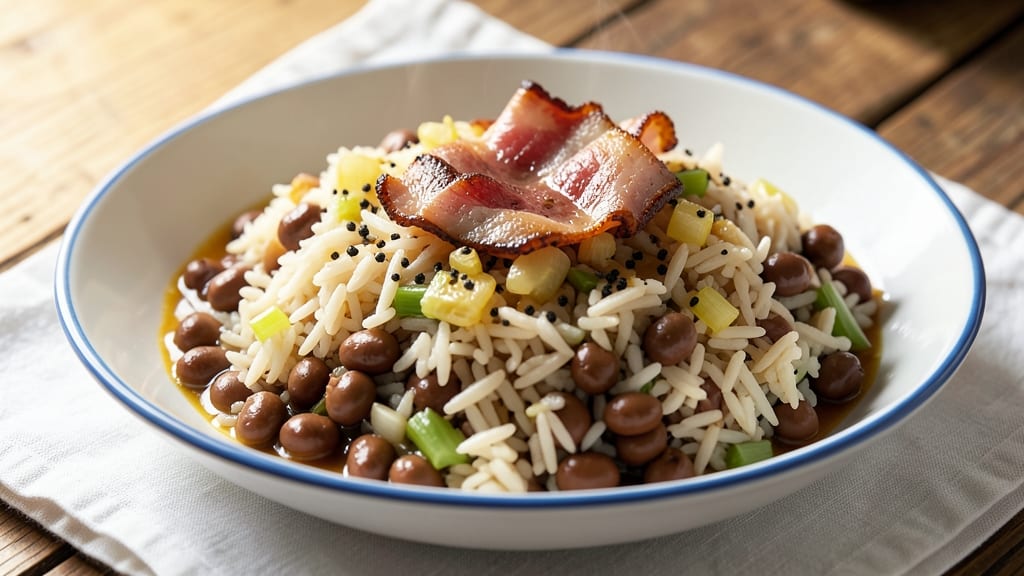
This Southern Sunday table staple brings the heart of New Year’s tradition to your kitchen with black-eyed peas, rice, and ham simmered to perfection. The dish carries cultural significance as a symbol of prosperity, while its rich, savory flavors make it a beloved centerpiece for gatherings.
Every bite delivers tender peas, fluffy rice, and smoky ham in a harmonious blend that’s both comforting and celebratory.
The key to this recipe lies in balancing textures—creamy peas, perfectly cooked rice, and glazed ham that ties everything together. Start with a flavorful base of onions, garlic, and spices, then layer in each component to develop deep, layered tastes.
Whether served at a holiday feast or a casual Sunday dinner, this dish delivers restaurant-quality results with minimal effort, making it a go-to for any occasion.
Ingredients for black eyed peas rice ham
Six core ingredients transform into a Southern tradition's heart—rich, smoky, and deeply comforting.
| Ingredient | Amount | Notes |
|---|---|---|
| Black-Eyed Peas (Dried) 🌱 | 1 ½ cups | Rinsed thoroughly before cooking |
| Long-Grain White Rice 🍚 | 2 cups | Uncooked, converted rice preferred |
| Smoked Ham Hock 🐷 | 1 whole | For deep smoky flavor |
| Yellow Onion 🧅 | 1 whole | Medium size, diced |
| Garlic Cloves 🧄 | 4 cloves | Fresh, minced |
| Celery Stalks 🥬 | 2 whole | Diced, with leaves |
| Bay Leaves 🌿 | 2 whole | Fresh preferred |
| Thyme Sprigs 🌿 | 2 whole | Fresh, or 1 tsp dried |
| Salt 🧂 | 1 ½ tsp | Diamond Crystal preferred |
| Black Peppercorns 🌶️ | ½ tsp | Freshly cracked |
| Chicken Broth 💧 | 4 cups | Low-sodium preferred |
| Butter 🧈 | 2 tbsp | Unsalted, for rice |
| Fresh Parsley 🌿 | ¼ cup | Chopped, for garnish |
The ham hock is non-negotiable for authentic flavor—look for bone-in cuts at Whole Foods or your local butcher shop. Fresh bay leaves and thyme elevate the dish beyond canned convenience; Trader Joe's sells affordable bundles perfect for this recipe. Black-eyed peas should be plump and uniform—Bob's Red Mill brand is consistently reliable, though any dried variety works if stored properly. For the rice, converted rice like Uncle Ben's absorbs liquid perfectly without becoming mushy, though jasmine rice adds a subtle floral note if you prefer.
No ham hock? Substitute smoked turkey leg or even a smoked sausage for depth, though texture will differ. Fresh herbs unavailable? Dried thyme at one-third the amount works in a pinch, but the flavor won't be identical. The chicken broth can be swapped for vegetable broth for a lighter version, though purists insist on poultry-based stock. For the rice, pre-cooking the peas in broth until tender (about 20 minutes) ensures they hold their shape when mixed later. The butter in the rice? Full-fat is essential—low-fat versions won't yield the same creamy texture.
Store cooked peas and rice separately in airtight containers for 4-5 days in the fridge, or freeze for up to 3 months. The ham hock can be refrigerated for 3-4 days after cooking, while fresh herbs last 5 days wrapped in damp paper towels. For meal prep, cook the peas and rice ahead, then reheat with a splash of broth to restore moisture. This dish actually tastes better the next day as flavors meld—perfect for Sunday dinner prep on Saturday.
Why You'll Love This Recipe
- One-Pot Magic: I swear by this recipe because it’s basically hands-off after the initial chop. Toss the dried peas, rice, and ham hock into a pot with onions and garlic—no fancy layers, no stress. The ham hock dissolves into flavor while you’re watching TV, and the peas soften just enough to soak up every last bit of that salty, smoky goodness.
- Smoky Depth Boom: That ham hock? It’s the MVP. The slow simmer turns it into a rich, savory broth that coats every grain of rice and tenderizes the peas until they’re creamy but still hold their shape. Honestly, the first time I made this, I thought, “Why don’t I do this more often?”—because it’s that good.
- Budget Feast for Crowds: Dried peas and a ham hock stretch this recipe into a full meal without breaking the bank. It feeds six for under $10, and the leftovers? Free meals for the week. Plus, the rice and peas absorb all the flavor, so you’re not left with dry, sad grains—just pure, satisfying comfort. My go-to for potlucks, game days, or when I’m too tired to order takeout.
Step-by-step instructions for black-eyed peas, rice, and ham
This classic Southern dish delivers bold flavors through careful layering and slow cooking techniques.
Prepare the Ham Hock and Aromatics
Begin by rinsing the 1 whole Smoked Ham Hock under cold water and patting it completely dry with paper towels. Place it in a large pot with the 4 cups Chicken Broth, then add the 1 whole Yellow Onion (diced), 2 whole Celery Stalks (diced with leaves), and 4 cloves Garlic Cloves (minced). Bring to a boil over medium-high heat, then reduce to a simmer for 30 minutes. This allows the ham to infuse the broth with its rich, smoky flavor while softening the vegetables.
After 30 minutes, add the 2 whole Bay Leaves and 2 whole Thyme Sprigs to the simmering broth. The herbs will release their aromatic oils, deepening the flavor profile of the dish. Keep the ham and vegetables simmering gently—you'll use this flavorful liquid later to cook the rice and peas.
Soak and Season the Black-Eyed Peas
Rinse the 1.5 cups Black-Eyed Peas (Dried) thoroughly under cold water until the water runs clear. This removes any debris and prepares them for cooking. Transfer the peas to a bowl and cover them with 4 cups of fresh cold water. Let them soak for at least 8 hours or overnight in the refrigerator. Soaking reduces cooking time and improves digestibility, resulting in tender peas with a creamy texture.
After soaking, drain the peas and transfer them to the same pot containing the simmering ham and broth. Add the 1.5 tsp Salt and 0.5 tsp Black Peppercorns (freshly cracked). Stir gently to distribute the seasoning evenly. The peas will absorb the smoky, savory flavors from the ham and broth as they cook.
Cook the Rice and Combine Ingredients
In a separate pot, melt the 2 tbsp Butter over medium heat. Add the 2 cups Long-Grain White Rice and stir to coat the grains evenly with the butter. This step ensures the rice develops a subtle richness. Cook the rice for 2 minutes, stirring constantly, until the grains become translucent at the edges.
Pour the 4 cups of ham-infused broth (including the ham, vegetables, and herbs) over the rice. Bring the mixture to a boil, then immediately reduce the heat to low. Cover the pot with a tight-fitting lid and simmer for 40 minutes. Avoid stirring during this time—it prevents the rice from becoming mushy. After 40 minutes, check the rice for doneness; it should be tender with a slight bite, and the liquid should be mostly absorbed.
Finish and Rest the Dish
Once the rice is cooked, remove the pot from heat and let it rest, covered, for 10 minutes. This resting period allows the rice to steam and the flavors to meld together. While the dish rests, remove the Smoked Ham Hock, Bay Leaves, and Thyme Sprigs from the pot. Discard the herbs and vegetables, but reserve the ham for serving—its tender, smoky meat adds a satisfying texture to each bite.
Gently fluff the rice with a fork, then stir in the 0.25 cup Fresh Parsley (chopped) for a bright, fresh finish. Serve the dish family-style, allowing everyone to enjoy the rich, smoky ham alongside the tender peas and perfectly cooked rice. This traditional Southern recipe is a celebration of slow-cooked comfort, perfect for a Sunday gathering.
Pro Tips For Making Black Eyed Peas Rice Ham
- SIMMER THE HAM HOCK FIRST: Don’t toss the ham hock straight into the pot with everything else—start it in a separate pot of water for 30 minutes to blanch off the bitter smoke. I learned this the hard way after a batch tasted like a campfire instead of Sunday dinner.
- SOAK PEAS OVERNIGHT (OR AT LEAST 4 HOURS): Skipping this step makes the peas tough as boots. Cover dried black-eyed peas in water, add a pinch of salt, and let them sit—even 4 hours helps. (Yes, even if you’re impatient like me.)
- DON’T SKIP THE ONION GARLIC BASE: Sauté the onions until deeply golden before adding garlic—this builds flavor that plain simmering can’t. I used to rush it, and the dish always tasted flat. Take the 5 extra minutes.
- USE TWICE THE WATER FOR RICE: Measure rice, then double the water in the pot—this guarantees fluffy grains without gummy texture. (Your future self will thank you when the rice isn’t a gluey mess.)
Health benefits of this black eyed peas rice ham
Prosperity Symbol
Black-eyed peas are a cornerstone of Southern New Year’s traditions, believed to bring good fortune and financial success. The peas' round shape resembles coins, making them a symbolic choice for prosperity.
Serving this dish on New Year’s Day is a time-honored practice in many Southern households, rooted in African American and Southern folklore. 🌟
Plant-Based Protein
This dish delivers a substantial 15-20 grams of plant-based protein per serving, thanks to the black-eyed peas and ham. The peas provide all nine essential amino acids, making them a complete protein source when paired with grains like rice.
This combination creates a satisfying, protein-rich meal that keeps you full for hours. Perfect for anyone looking to reduce meat intake while maintaining hearty portions.
Fiber-Rich Foundation
Black-eyed peas are packed with 12-15 grams of dietary fiber per cup, supporting digestive health and promoting satiety. The fiber content helps regulate blood sugar levels, making this dish an excellent choice for balanced meals.
The rice and ham add complementary textures while keeping the dish hearty and satisfying. This fiber-rich foundation makes it a great option for gut health.
Rich in Iron
One serving of this dish provides nearly 30% of your daily iron needs, thanks to the peas and ham. Iron is essential for red blood cell production and energy levels.
The combination of plant-based and animal-based iron sources enhances absorption, making this a powerhouse meal for combating fatigue and maintaining vitality. Perfect for active individuals or those recovering from illness.
Low-Fat, Heart-Healthy
Despite its rich flavors, this dish is surprisingly low in saturated fat when prepared with lean ham and minimal butter. The peas and rice provide complex carbohydrates for sustained energy, while the ham adds savory depth without excessive fat.
This balance makes it a heart-healthy option when enjoyed as part of a balanced diet. The smoky flavors keep it satisfying without the guilt.
New Year's Tradition
Beyond nutrition, this dish carries cultural significance as a New Year’s tradition in Southern communities. The peas symbolize coins, the rice represents wealth, and the ham stands for progress. Together, they create a meal that’s not just delicious but also meaningful.
Many families serve it on New Year’s Day to invite prosperity into the coming year. A true celebration of both flavor and heritage. 💛
Nutrition facts
Frequently asked questions
Why do black-eyed peas symbolize prosperity in Southern cooking?
This dish carries deep cultural meaning in Southern traditions! The round shape of black-eyed peas resembles coins, making them a symbol of wealth and good fortune. Serving this "Hoppin' John" on New Year's Day invites prosperity for the coming year—a tradition rooted in African American and Southern folklore that dates back centuries.
Can I make this recipe without a ham hock?
Yes, but the flavor will differ! Use 1 cup diced smoked ham instead, adding it directly to the rice during cooking. For extra depth, simmer the diced ham in broth with bay leaves and thyme for 20 minutes first. The smoky flavor will still shine through, though the texture will be different from tender ham hock meat.
How do I get perfectly fluffy rice every time?
Three key steps: toast the rice in butter for 2 minutes first, use a 1:2 rice-to-liquid ratio, and never stir after boiling. Let it simmer covered on low heat for 40 minutes, then rest for 10 minutes before fluffing. The resting period is crucial—it lets steam redistribute for even texture.
Can I prepare this dish ahead of time?
This dish tastes even better the next day. Cook the peas and rice separately, then refrigerate in airtight containers for 4-5 days. Reheat with a splash of broth to restore moisture. The ham hock can be refrigerated 3-4 days after cooking. For meal prep, cook components Saturday and assemble Sunday—perfect for holiday gatherings!
What's the best way to reheat leftovers?
Gently reheat each component separately to avoid soggy rice. Place peas and rice in microwave-safe bowls with 2 tablespoons broth per cup, cover, and heat for 2-3 minutes. For stovetop, use a skillet with low heat and a splash of broth. Never add water directly to rice—it ruins the texture. The ham can be reheated in a pan with a little butter for crispy edges.