
Main Courses
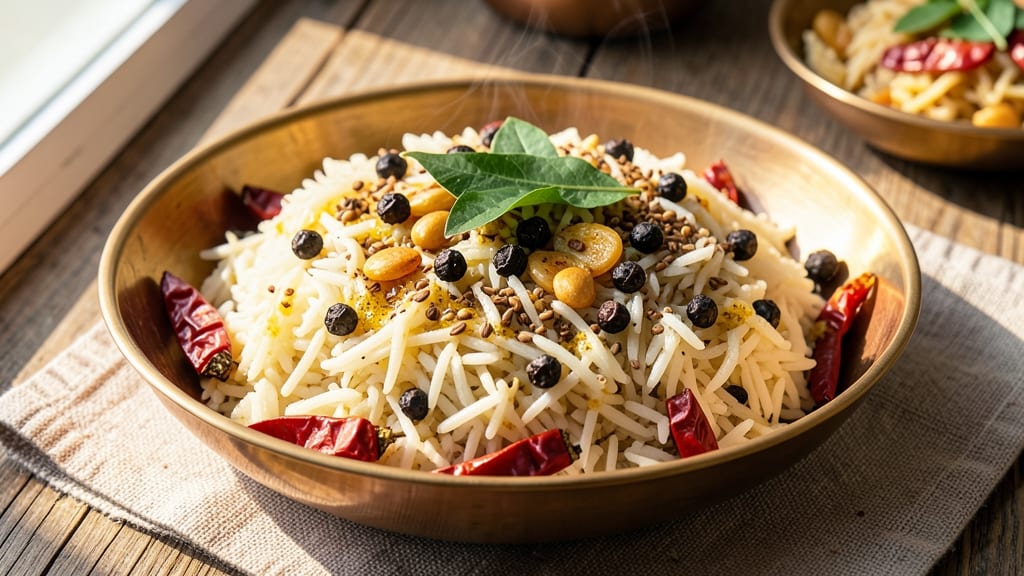
This South Indian black pepper rice transforms simple grains into a fragrant, spice-infused dish with a toasted crunch that lingers on every bite. The secret lies in tempering whole spices in hot oil until they release their aromatic oils, then pressure-cooking the rice with black peppercorns for maximum flavor infusion.
Unlike milder rice dishes, this version delivers bold, peppery heat balanced by the earthy warmth of traditional South Indian spices.
Perfectly paired with sambar or coconut chutney, this vegetarian dish serves as both a satisfying main course and a comforting side. The rice develops a delicate texture—slightly sticky yet distinct from each grain—while the black pepper adds a subtle kick that enhances every bite.
Mastering the tempering technique ensures the spices bloom fully, creating layers of flavor that elevate the dish beyond ordinary rice preparations.
Ingredients for black pepper rice south indian
These aromatic spices and simple grains create South India's signature bold, peppery rice dish.
| Ingredient | Amount | Notes |
|---|---|---|
| Long-Grain Basmati Rice 🍚 | 1 ½ cups | Uncooked, rinsed thoroughly |
| Black Peppercorns 🌶️ | ½ cup | Whole, freshly cracked preferred |
| Mustard Seeds 🌿 | 1 tbsp | Whole, light brown preferred |
| Cumin Seeds 🌿 | 1 tbsp | Whole, toasted for aroma |
| Dried Red Chilies 🌶️ | 4 whole | Kashmiri or red chili preferred |
| Curry Leaves 🌿 | ¼ cup | Fresh, dried as substitute |
| Asafoetida Powder 🌶️ | ¼ tsp | Hing, essential for authentic flavor |
| Ghee 🧈 | ½ cup | Clarified butter, unsalted |
| Vegetable Stock 💧 | 2 cups | Homemade or low-sodium |
| Turmeric Powder 🌿 | ¼ tsp | Freshly ground preferred |
| Salt 🧂 | 1 tsp | Diamond Crystal preferred |
| Fresh Cilantro 🌿 | ¼ cup | Chopped, for garnish |
| Lemon Juice 🍋 | 1 tbsp | Freshly squeezed |
The spices are non-negotiable for authentic flavor. Whole mustard and cumin seeds from Penzeys Spices or your local Indian grocery deliver superior aroma compared to grocery store brands. For black peppercorns, Tellicherry variety from specialty stores provides the most complex flavor profile. Curry leaves are essential—fresh from an Indian market or dried from MDH brand work equally well. The ghee should be 100% pure, unsalted; Gowardhan brand is widely available in Indian stores and ensures authentic flavor. Always toast your whole spices in ghee until they release their oils—this step cannot be skipped for proper flavor development.
No mustard seeds? Replace with 1 tsp ground mustard, but you'll lose the beautiful popping sound and aroma. Running short on curry leaves? Dried leaves at half the amount work, though fresh is superior. Substituting ghee with vegetable oil is possible, but the dish will lack richness and depth. For black peppercorns, pre-ground pepper can be used at half the quantity, though whole peppercorns provide better texture and flavor. The vegetable stock should be homemade with vegetable scraps for maximum flavor, but low-sodium store-bought stock works in a pinch. Always use Diamond Crystal kosher salt—it dissolves completely and doesn't clump, ensuring proper seasoning.
Store the cooked rice in an airtight container for up to 3 days in the refrigerator. The flavors actually improve overnight as the spices meld further. For longer storage, freeze portions in 1-cup servings for up to 3 months. Reheat gently with a splash of water or stock to restore moisture. This dish pairs exceptionally well with homemade sambar or coconut chutney, which should be prepared fresh alongside the rice. The lemon juice should be added just before serving to maintain its bright acidity and prevent the rice from becoming soggy.
Why You'll Love This Recipe
- No Chopping Needed: I swear by this one—just toast the whole spices (mustard, cumin, dried chilies) in oil until they sing, then toss in the peppercorns and rice. Fifteen minutes later, you’re done. My lazy Sundays thank me every time.
- Peppery Magic: That moment when the black peppercorns bloom in the hot oil? Chef’s kiss. The rice ends up with this warm, earthy kick—like a hug for your taste buds. Honestly, it’s the kind of flavor that makes you want to eat it straight from the pot.
- Lunchbox Hero: Between us, this rice is the meal prep MVP. Stays fresh for days in the fridge, reheats beautifully, and pairs with anything—dal, curry, or even just yogurt and cucumbers. My kids pack it for school; my husband brings it to work. It’s that good.
- Pocketbook Friendly: Basmati rice is cheap, spices last forever, and you’re not drowning in ingredients. One batch feeds four, and the leftovers? Even better the next day. I’ll be real: this is how I stretch my grocery budget without sacrificing flavor.
Step-by-step instructions for black pepper rice South Indian style
Transform simple basmati rice into a fragrant, spice-kissed masterpiece with this authentic method.
Toast the Whole Spices for Maximum Flavor
Heat a heavy-bottomed pan over medium heat and add the 0.5 cup black peppercorns, 1 tbsp mustard seeds, 1 tbsp cumin seeds, and 4 whole dried red chilies. Toast for 3-4 minutes until the spices begin to dance and release their aroma—you'll see the peppercorns turn slightly darker and the mustard seeds pop like tiny fireworks.
This step is non-negotiable for authentic flavor. The spices should be sizzling but not burning—if they darken too quickly, reduce the heat slightly. Once fragrant, immediately remove from heat and transfer to a small bowl. Add the 0.25 cup curry leaves and 0.25 tsp asafoetida powder, mixing gently to distribute the heat evenly. The asafoetida will dissolve slightly from the residual heat, releasing its umami depth.
Bloom the Spices in Ghee for Rich Texture
Return the toasted spice mixture to the same pan and add the 0.5 cup ghee. Reduce heat to low and cook for 2-3 minutes, stirring constantly, until the ghee becomes infused with the spices and takes on a golden hue. You'll notice the peppercorns darken further and the ghee develops a nutty aroma—this is when the magic happens.
I press the spices gently with a wooden spoon during this process to ensure even distribution and maximum flavor extraction. If the ghee starts to smoke, immediately reduce the heat further. Once the spices are fully coated and the ghee smells intensely aromatic, add the 1.5 cups long-grain basmati rice and stir to coat each grain evenly in the spiced ghee.
Parboil the Rice for Perfect Texture
Add the 2 cups vegetable stock, 0.25 tsp turmeric powder, and 1 tsp salt to the pan. Bring to a gentle boil over medium-high heat, then immediately reduce to low heat and cover tightly with a lid. Let it simmer for 10 minutes without disturbing—this initial cooking phase is crucial for developing the rice's texture.
After 10 minutes, check the rice by pressing a grain between your fingers. It should be tender but still have a slight bite—what we call "parboiled" in South Indian cooking. If it's still firm, cook for another 2 minutes. The rice should be absorbing the spiced stock and developing that characteristic fragrant aroma. Here's where the real flavor infusion occurs, so don't rush this step.
Steam to Perfection with Closed-Lid Technique
Once the rice is parboiled, transfer the entire contents to a heavy-bottomed pot with a tight-fitting lid. The key here is to create a steam chamber—place the pot on the stove over low heat and let it cook undisturbed for 10-12 minutes. You'll hear the rice sizzling gently as it finishes cooking in its own steam.
I've found that using a heavy pot helps maintain even heat distribution. After 10 minutes, turn off the heat completely but leave the rice sealed in the pot for another 5 minutes. This resting period allows the residual heat to finish cooking the rice gently, preventing any chance of mushiness. The rice should be perfectly tender with each grain distinct and infused with the spice aroma.
Finish with Fresh Herbs and Acidic Brightness
Once the rice has rested, fluff gently with a fork to separate the grains. Stir in the 0.25 cup fresh cilantro and 1 tbsp lemon juice, mixing just until combined. The lemon juice cuts through the richness of the ghee and spices, adding a bright, fresh contrast that balances the dish. Taste and adjust seasoning if needed—you might want to add a pinch more salt or a splash more lemon juice to your preference.
Serve immediately while still warm, garnished with an additional sprinkle of cilantro if desired. The rice should have a delicate crunch from the toasted spices, with each bite delivering layers of peppery heat, nutty ghee, and herbal freshness. This is where the dish truly comes together—the contrast between the toasted spices and fresh herbs creates a symphony of textures and flavors that's uniquely South Indian.
Pro Tips For Making Black Pepper Rice South Indian
- CRUSH THE PEPPERCORNS: After burning my fingers trying to grind them in a mortar, I switched to a spice grinder—just 10 quick pulses until the peppercorns turn into a coarse powder. Too fine, and the flavor gets lost in the rice; too coarse, and you’ll taste every gritty speck. Aim for somewhere in between.
- SALT THE WATER LATE: I used to add salt with the rice, but the flavor gets diluted by the time the grains absorb the water. Instead, wait until the rice has soaked for 15 minutes in the pot, then sprinkle the salt over the surface. This ensures every grain gets that subtle, balanced seasoning—no bland surprises.
- DON’T SKIP THE TEMPERING: That sizzling mustard-cumin-chili dance isn’t just for show—it’s what makes this rice sing. Let the spices bloom in hot oil for at least 30 seconds before adding the rice. Rushed tempering means muted flavors, and nobody wants that. (Yes, even if you’re impatient like me.)
- USE LESS WATER THAN YOU THINK: This isn’t your average rice. Black pepper rice needs just 1.5 parts water to 1 part rice—no more. I learned this the hard way when my first batch turned into a mushy puddle. The peppercorns and spices need room to infuse, not drown. If you’re nervous, start with 1.25 parts and adjust.
Perfect pairings for this dish
Sambar Pairing
This black pepper rice shines when paired with homemade sambar, South India's iconic lentil stew. The earthy, tangy flavors of sambar—made with toor dal, tamarind, and drumsticks—complement the rice's peppery crunch beautifully.
I like to prepare sambar in a pressure cooker for 20 minutes with 1 cup toor dal, 1 cup mixed vegetables, and 1 tbsp tamarind paste.
The contrast between the spicy rice and the slightly sweet, sour sambar creates a balanced meal that's both comforting and vibrant. 🌿
Coconut Chutney
For a lighter, cooling contrast, serve with fresh coconut chutney. Blend 1 cup grated coconut, 1 tbsp roasted cumin powder, 1 green chili, and 2 tbsp lemon juice until smooth.
The creamy texture and citrus notes cut through the richness of the ghee and spices in the rice. I often make a batch ahead and store it in an airtight container for up to 5 days—it’s perfect for quick meals.
The chutney’s mild heat also enhances the black pepper’s kick without overpowering it. 🥥
Raita Accompaniment
Add a cooling yogurt raita to balance the dish’s bold flavors. Mix 1 cup plain yogurt, 1 tbsp grated cucumber, 1 tsp roasted cumin powder, and a pinch of salt. The yogurt’s tanginess and the cucumber’s freshness provide a refreshing counterpoint to the spiced rice.
For extra crunch, top with chopped mint leaves or thinly sliced red onion. This raita is especially effective during hot weather or when serving the rice as a main course. 🥛
Spicy Pickle
For those who love heat, include a South Indian mango pickle on the side. The tangy, fiery flavors of the pickle—made with mango, mustard oil, and red chilies—elevate the dish to new heights. I recommend homemade pickles from local Indian stores, like Kashmiri mango pickle or carrot pickle.
The pickle’s boldness pairs surprisingly well with the rice’s subtle peppery notes, creating a harmonious balance of flavors. Just a small spoonful is enough to transform the meal. 🌶️
Fresh Papadums
Serve with crispy papadums for added texture and a traditional touch. These thin, lentil-based crackers add a satisfying crunch that contrasts with the soft, spiced rice. I love homemade papadums made from urad dal flour, but store-bought varieties like MDH brand work in a pinch.
Heat them in a dry pan for 30 seconds until crispy, then serve alongside the rice. The papadums also help soak up any extra flavors from the sambar or chutney. 🍚
Herbal Tea Pairing
Complete the meal with a cup of masala chai or ginger tea to cleanse the palate. The warm, spiced tea—made with black tea, cardamom, cinnamon, and ginger—complements the rice’s bold flavors without overpowering them.
For a caffeine-free option, try tulsi (holy basil) tea with a touch of honey. The tea’s earthy notes echo the spices in the rice, creating a cohesive dining experience. ☕
Nutrition facts
Frequently asked questions
Why does this black pepper rice taste different from regular rice?
The secret lies in the tempering technique and whole spices. Toasting black peppercorns, mustard seeds, and cumin in ghee releases their essential oils, creating a fragrant base. The peppercorns infuse the rice during cooking, adding a subtle heat and aromatic depth that regular rice lacks. This method is key to authentic South Indian flavor!
Can I make this recipe without ghee?
Yes, but the flavor will differ. Replace ghee with vegetable oil or coconut oil, but reduce the amount by 10% since oils don't coat spices as richly. The rice will still taste delicious, though it may lack the nutty depth ghee provides. For best results, use coconut oil—it complements the peppery notes beautifully.
How do I adjust the spice level?
For milder heat, reduce the black peppercorns to 0.25 cup and remove 1-2 dried chilies before tempering. For extra spice, add 0.25 tsp cayenne pepper with the turmeric. Remember: the peppercorns provide warmth, while the chilies add sharp heat. Adjust gradually to taste!
Can I cook this rice in a rice cooker?
Follow the same tempering steps, then transfer everything to the rice cooker. Add 1.5 cups water instead of stock (since stock is already included in the recipe). Cook on high for 20 minutes, then let it rest for 5 minutes before fluffing. The texture will be slightly different but still delicious.
What's the best way to store leftovers?
Store in an airtight container for up to 3 days in the fridge. Reheat gently with 1 tbsp water in a microwave or pot to restore moisture. For longer storage, freeze portions for up to 3 months. The flavors actually improve overnight as spices meld further!