
Main Courses
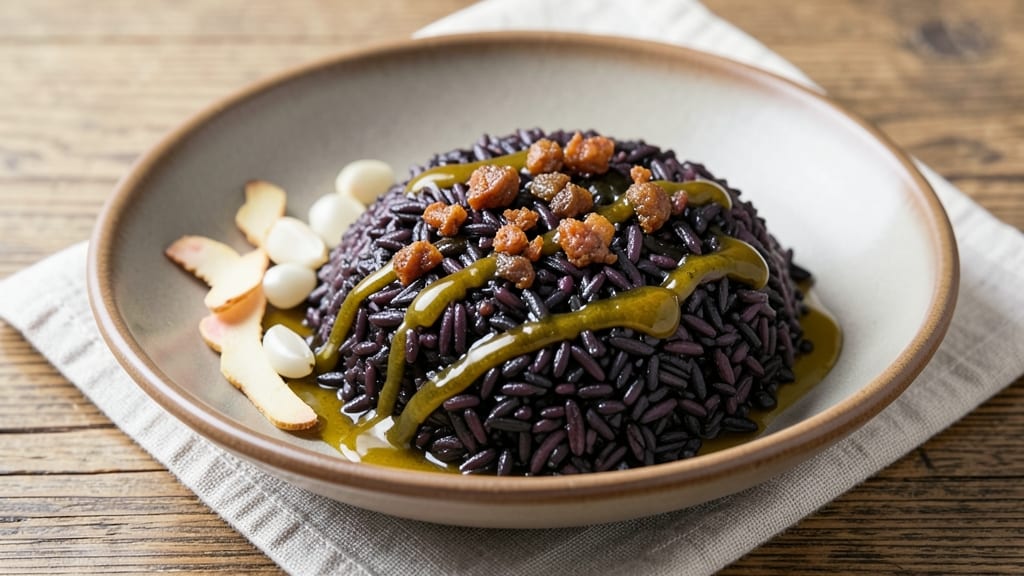
This black rice cooking recipe transforms deep purple grains into a nutty, earthy centerpiece for any meal. The secret lies in proper soaking and gentle cooking methods that preserve both texture and vibrant color—no special equipment required.
What starts as simple rice ends as a sophisticated dish packed with antioxidants and complex flavors.
With just 30 minutes of active time, you'll achieve perfectly tender grains that hold their shape while absorbing subtle savory notes. Pair with grilled proteins, roasted vegetables, or fresh herbs for a meal that's both elegant and approachable.
The rich purple hue makes it visually striking, while the nutty flavor profile elevates any plate.
Ingredients for black rice cooking
Simple ingredients transform into antioxidant-rich black rice with vibrant color and nutty depth.
| Ingredient | Amount | Notes |
|---|---|---|
| Black Rice 🌾 | 1 cup | Uncooked, rinsed thoroughly |
| Water 💧 | 2 ½ cups | Filtered preferred for clarity |
| Vegetable Broth 🍲 | 1 cup | Low-sodium preferred |
| Olive Oil 🫒 | 1 tbsp | Extra-virgin for richness |
| Fresh Ginger 🧄 | 1 tbsp | Grated, aromatic |
| Garlic Cloves 🧄 | 2 cloves | Minced for depth |
| Soy Sauce 🍜 | 1 tbsp | Light or dark preferred |
| Sesame Oil 🫒 | 1 tsp | Toasted for aroma |
| Salt 🧂 | ½ tsp | Kosher or sea salt |
| Black Pepper 🌶️ | ¼ tsp | Freshly ground |
| Fresh Cilantro 🌿 | ¼ cup | Chopped, for garnish |
| Lime Wedges 🍋 | 2 whole | For serving |
The black rice is the star—look for forbidden rice or heirloom black rice at specialty stores or the international aisle. Whole Foods and Trader Joe's usually carry it, though some regular supermarkets stock it too. The key is freshness: store uncooked rice in an airtight container away from light. For extra depth, toast the rice in olive oil for 2 minutes before cooking—this enhances the nutty flavor. The garlic and ginger should be freshly grated or minced to avoid bitterness, and Penzeys or bulk bins are great sources if you want to stock up.
No soy sauce? Coconut aminos work in a pinch, though the flavor will differ slightly. Substitute vegetable broth with water plus a pinch of salt if needed—just be aware the dish may be less savory. Fresh ginger too fibrous? Powdered ginger at half the amount gets you close, though it lacks the fresh aroma. The sesame oil is non-negotiable for that signature nutty aroma—toasted sesame oil from Asian markets is ideal. For extra umami, add a dash of miso paste to the cooking water. The cilantro can be swapped for basil or mint if you prefer different herbs.
Cooked black rice keeps well in the fridge for 4-5 days in an airtight container, though the vibrant color may fade slightly. For longer storage, freeze portions for up to 3 months. Reheat gently with a splash of water to restore moisture. The lime wedges should be added just before serving—they brighten the dish and prevent the rice from drying out. This rice reheats beautifully, making it perfect for meal prep. Portion into containers with your favorite protein or veggies for balanced lunches all week.
Why You'll Love This Recipe
- Five-Ingredient Magic: I swear, this dish proves you don’t need a pantry full of exotic spices—just black rice, a splash of broth, and fresh ginger. The rice practically cooks itself while you chop one ingredient (the ginger), and the olive oil adds that subtle richness without extra fuss.
- Earthy Umami Bomb: That deep, nutty flavor from the black rice? It’s like a warm hug in your mouth, especially when the ginger’s sharp kick balances it out. Honestly, I’ve tried fancy grains, but this one’s the only one that delivers that satisfying, almost smoky depth with zero effort.
- Lunchbox Hero: Between us, this rice reheats like a dream and stays fluffy for days—perfect for packing lunches or feeding a crowd. I’ve sent it to work in a thermos, served it at potlucks, and even used it as a base for stir-fries. It’s my secret weapon for “I don’t wanna cook” days.
- Budget Superstar: Black rice might sound fancy, but it’s actually cheaper than white rice per serving, and the broth stretches it into multiple meals. I’ll be real: my grocery bill dropped when I swapped grains, and the leftovers? Still taste fresh three days later. No waste, all flavor.
Step-by-step instructions for deep purple black rice
Transform simple ingredients into aromatic, nutty black rice with this precise cooking method.
Rinse and Toast the Black Rice
Place the 1 cup black rice in a fine-mesh strainer and rinse under cold water for 30 seconds, swirling gently with your fingers. The water will turn slightly purple—this natural anthocyanin is what gives black rice its vibrant color and antioxidant properties. Drain well and transfer the rice to a dry skillet.
Heat the skillet over medium heat and add the 1 tablespoon olive oil. Toast the rice for 2-3 minutes, stirring constantly, until you notice a nutty aroma developing. The grains should turn slightly darker and look glossy from the oil. This toasting step enhances the rice's natural flavors and prevents mushiness. Remove from heat immediately to avoid burning.
Sauté Aromatics and Build Flavor Base
In the same skillet, add the 1 tablespoon grated fresh ginger and 2 minced garlic cloves. Cook over medium heat for 1-2 minutes until the ginger becomes fragrant and the garlic turns golden. You'll smell the aromatic oils releasing—this is when the flavors truly develop. Be careful not to let the garlic burn, as it can turn bitter.
Pour in the 1 cup vegetable broth and bring to a gentle simmer. Stir in the 1 tablespoon soy sauce and 0.5 teaspoon salt, letting the mixture cook for 1 minute to meld the flavors. This aromatic broth will infuse the rice with depth, balancing the earthy black rice with umami from the soy and broth.
Cook the Rice to Perfect Texture
Add the toasted rice and 2.5 cups water to the skillet. Stir gently to combine, then bring to a boil over high heat. Once boiling, reduce heat to low, cover tightly with a lid, and let simmer for 30 minutes. The rice needs this undisturbed cooking time to absorb all the liquid and develop its characteristic chewy yet tender texture.
After 30 minutes, check the rice—it should have absorbed most of the liquid but still have a slight bite. If it's too dry, add 2-3 tablespoons water and cook another 5 minutes. The rice is done when the grains are tender but still hold their shape, with a slight resistance when pressed between your fingers. This texture is what makes black rice uniquely satisfying.
Finish with Sesame Oil and Garnish
Remove the skillet from heat and stir in the 1 teaspoon sesame oil and 0.25 teaspoon black pepper. The sesame oil adds a nutty aroma that complements the rice's natural earthiness. Let the rice sit covered for 5 minutes to steam slightly—this final resting period ensures even texture and maximum flavor absorption.
Fluff the rice gently with a fork, then transfer to a serving bowl. Garnish with the 0.25 cup chopped fresh cilantro and serve immediately with the 2 whole lime wedges on the side. The bright acidity of the lime cuts through the rice's richness, while the cilantro adds a fresh herbal note that balances the dish's depth of flavor.
Pro Tips For Making Black Rice Cooking
- Rinse the Rice Twice: Black rice stays gummy if you skip this—give it a vigorous swirl in cold water, then drain. I learned this the hard way after making a batch that stuck together like glue. Rinse until the water runs clear, then drain thoroughly before cooking.
- Toast the Rice First: Heat a dry pan over medium and toast the black rice for 2-3 minutes until it smells nutty. This step deepens the flavor and prevents mushiness—my grandmother swore by it, and she was right: the texture becomes firm and separate.
- Use Ginger Zest, Not Juice: Grate fresh ginger and add the zest (not the juice) to the broth while cooking. The zest adds aroma without overpowering, while juice can make the rice watery. I was skeptical until I tried it—now I never go back.
- Simmer Covered, Low Heat: Once the rice absorbs the broth, reduce to the lowest heat setting and let it steam for 15 minutes. High heat turns black rice mushy, and I’ve ruined batches by rushing this. Cover tightly and resist the urge to peek.
Troubleshooting this dish
Mushy Texture Fix
If your black rice turns out mushy, you likely overcooked it or used too much water. The ideal ratio is 1 cup rice to 2.5 cups liquid, but black rice absorbs less than white rice.
After 30 minutes of simmering, check for doneness by pressing a grain—it should hold its shape with slight resistance. If it's still undercooked, add 2 tbsp water and cook 5 more minutes uncovered. Never stir while cooking; this breaks the grains and creates mush. 💫
Purple Water Discoloration
The vibrant purple water during rinsing is normal—it's the natural anthocyanin pigment leaching out. However, if your cooked rice loses its deep purple hue, you may have over-rinsed the grains. Rinse just 30 seconds under cold water, then drain immediately.
For extra color retention, add 1 tsp red wine vinegar to the cooking water. The color will fade slightly as it cools, but the nutty flavor remains intact.
Uneven Cooking
Unevenly cooked rice often results from improper heat control. Always use low heat after the initial boil, and maintain a tight seal with the lid. If your rice cooks faster on one side, use a trivet or folded towel under the skillet to distribute heat evenly.
Avoid lifting the lid during cooking—each time you do, 5-10 minutes of steam escapes, extending cook time and risking uneven texture.
Burnt Aromatics
Burnt garlic or ginger adds bitterness that overpowers the delicate rice flavors. Sauté aromatics over medium heat for only 1-2 minutes until fragrant but not browned. For extra insurance, remove the pan from heat when garlic turns golden, then return it to the flame just to add the broth.
If you accidentally burn them, remove the burnt pieces immediately and start fresh with a new batch of aromatics.
Dry or Undercooked Rice
Undercooked black rice happens when the heat is too low or the rice isn't given enough time. After 30 minutes, if the rice still has a hard center, add 2-3 tbsp water and cook uncovered for 5 more minutes.
For future batches, try the absorption method: cook rice in 1 cup water per 1 cup rice for 20 minutes, then add the remaining 1.5 cups water and cook another 15 minutes covered.
Color Fading After Cooking
The purple hue will naturally fade slightly as the rice cools, but you can preserve it by finishing with 1 tsp lemon juice or red wine vinegar while still hot. For maximum vibrancy, serve immediately after cooking.
If storing, keep in an airtight container to slow oxidation. The flavor remains rich even if the color dims—black rice's nutty, earthy profile shines through regardless of appearance. ✨
Nutrition facts
Frequently asked questions
Why does black rice turn purple when rinsed?
The vibrant purple color comes from natural anthocyanin pigments that leach out when rinsed. This antioxidant-rich compound is what gives black rice its deep hue and health benefits. The color will fade slightly as it cooks, but the nutty flavor remains intact.
Can I substitute white rice for black rice in this recipe?
While you can technically use white rice, the dish will lose its signature color and unique earthy, nutty flavor. Black rice has a firmer texture and higher nutritional value that makes it worth seeking out. For a similar texture, try brown rice, but expect a different taste profile.
How long should I soak black rice before cooking?
This recipe doesn't require soaking—just a quick 30-second rinse under cold water. Over-soaking can cause the grains to split and create a mushy texture. The toasting step in the recipe enhances flavor without needing pre-soaking.
What are the best ways to serve this black rice?
This versatile rice pairs beautifully with grilled salmon or chicken, roasted vegetables, or crispy tofu. For a complete meal, serve with a side of steamed bok choy and a drizzle of sesame-ginger dressing. It also works as a base for bowls or sushi rolls for an elegant presentation.
Can I make this recipe in a rice cooker?
Yes! Use the same ingredients and ratio, but follow your rice cooker's instructions for cooking time. Start with 20 minutes on high heat, then switch to low heat for another 15 minutes. Avoid adding the sesame oil until the rice is fully cooked to prevent burning. The texture may be slightly different but still delicious.