
Main Courses
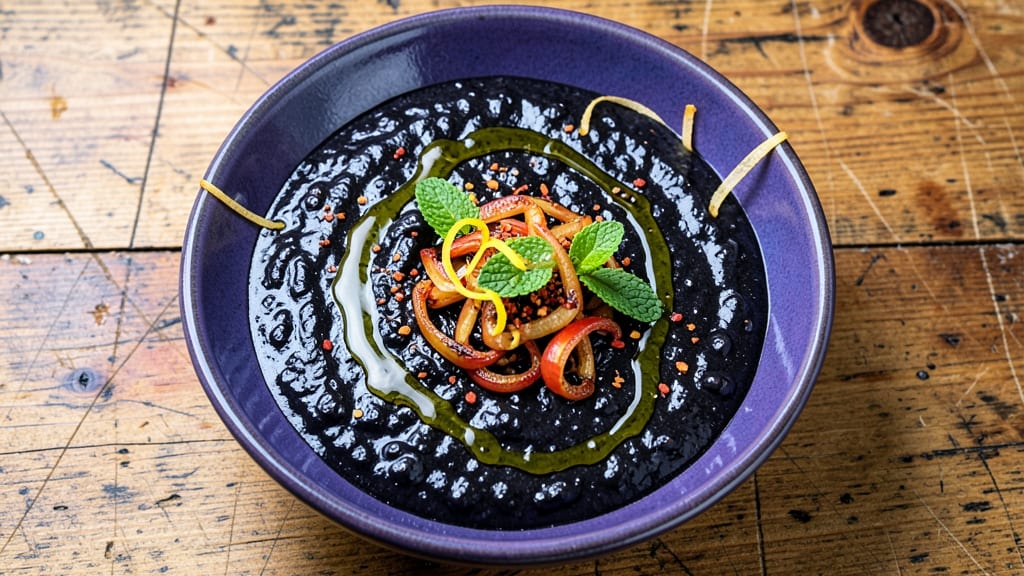
This black rice porridge recipe transforms humble ingredients into a velvety, earthy dish that feels like a warm embrace after a long day. The deep purple hue comes from nutrient-rich black rice, simmered until tender and infused with nutty depth—perfect for both sweet and savory variations.
What makes this porridge special is its simplicity: just rice, water, and a touch of salt or sugar, yet it delivers restaurant-quality comfort in a single bowl.
The secret lies in proper soaking and slow simmering, which breaks down the rice into a silky texture while preserving its natural earthiness.
Top with fried shallots for crunch, a drizzle of honey for sweetness, or a sprinkle of ginger for warmth—each variation offers a different way to enjoy this nourishing dish. Whether you're seeking a light breakfast or a soothing evening meal, this porridge delivers deep, satisfying flavor with minimal effort.
Ingredients for black rice porridge
Just nine ingredients transform into a deeply comforting bowl of earthy black rice porridge.
| Ingredient | Amount | Notes |
|---|---|---|
| Black Rice 🍚 | 1 cup | Uncooked, long-grain preferred |
| Water 💧 | 4 cups | Filtered preferred for purity |
| Shallots 🧅 | 2 whole | Thinly sliced for topping |
| Olive Oil 🫒 | 2 tbsp | Extra-virgin for frying shallots |
| Honey 🍯 | 2 tbsp | Raw preferred for sweetness |
| Ginger 🌿 | 1 tsp | Freshly grated for warmth |
| Sea Salt 🧂 | ½ tsp | Fine grain preferred |
| Sesame Seeds 🌰 | 1 tsp | Toasted for garnish |
| Dark Brown Sugar 🍬 | 1 tbsp | Optional for caramel notes |
The black rice is the star—look for unpolished grains at specialty stores or Asian markets. Lundberg or 365 by Whole Foods carry good quality. Soak the rice for at least 4 hours (overnight is ideal) to break down starches and create that signature silky texture. Freshly ground ginger makes all the difference, but if you're short on time, dried ginger at half the amount works. For the shallots, yellow or red varieties add subtle sweetness when fried—just don't let them burn.
No honey? Maple syrup or agave works beautifully—adjust to taste. Dark brown sugar can be swapped for white sugar, but you'll lose that molasses depth. The olive oil matters here—use extra-virgin for frying shallots, but any neutral oil works for cooking the porridge. For a savory twist, omit the honey and add a pinch of soy sauce or miso paste instead. The sesame seeds? Toast them in a dry pan for 30 seconds—they'll smell amazing and add nutty crunch.
This porridge tastes even better the next day—store leftovers in an airtight container for up to 5 days in the fridge. Freeze portions in single servings for up to 3 months. Reheat gently with a splash of water to restore creaminess. The shallots stay crispy if stored separately, so fry them fresh when ready to eat. For extra richness, stir in a spoonful of coconut milk when reheating.
Why You'll Love This Recipe
- Five-Ingredient Magic: I swear, that’s it—just black rice, water, shallots, olive oil, and honey. No fancy prep, no hidden pantry raids. Honestly, I’ve made this on days when I stared at my fridge and thought, "What’s even in here?" and still ended up with something worth eating.
- Earthy Sweet Crunch: That first bite? The black rice soaks up the honey until it’s just sweet enough, while the shallots caramelize in the olive oil—crisp at the edges, soft in the middle. It’s like dessert sneaking into breakfast, and I’m here for it.
- Weeknight Workhorse: Make a big pot on Sunday, and you’ve got breakfast, lunch, or dinner covered all week. My kids ask for it cold with extra honey, my partner eats it hot with a fried egg on top, and I? I just eat it straight from the pot. No judgment.
- Budget Black Gold: Black rice is pricey, sure, but a single cup stretches into days of portions. I’ll be real: it’s the one ingredient I never skip buying, because even a small bag lasts forever. Plus, shallots and olive oil? Pantry staples that don’t break the bank.
Step-by-step instructions for black rice porridge
This method transforms simple ingredients into a velvety porridge with deep purple hues and nutty complexity.
Rinse and Soak the Black Rice
Place the 1 cup black rice in a fine-mesh strainer and rinse under cold water for 30 seconds. Swirl gently with your fingers to remove surface starch—this prevents the porridge from becoming gummy. The water should run clear after rinsing.
Transfer the rinsed rice to a bowl and cover with 4 cups water. Let it soak at room temperature for 4 hours or overnight in the refrigerator. This extended soaking breaks down the rice's tough outer layer, ensuring a silky texture. The rice should triple in volume and develop a deep purple tint after soaking.
Simmer the Porridge Low and Slow
Drain the soaked rice and transfer it to a heavy-bottomed pot. Add 4 cups fresh water and bring to a boil over medium-high heat. Once boiling, immediately reduce heat to low and maintain a gentle simmer. Stir occasionally to prevent sticking—this is where patience pays off.
Cover the pot and simmer for 45-60 minutes until the rice is completely tender and the liquid reduces to a thick, creamy consistency. You'll know it's ready when the rice grains disappear and the porridge coats the back of a spoon. If it's too thick, add 2 tablespoons water at a time until you reach your desired texture.
Season and Sweeten the Porridge
Remove the pot from heat and stir in the 1 tsp freshly grated ginger and 0.5 tsp sea salt. Let it steep for 5 minutes to infuse the flavors. Then stir in the 2 tbsp honey and 1 tbsp dark brown sugar until fully dissolved. The porridge should have a balanced sweetness with subtle caramel notes from the brown sugar.
Taste and adjust seasoning—black rice has an earthy flavor that pairs beautifully with the sweetness. You might want to add more honey if you prefer a richer taste, or a pinch more salt to enhance the overall flavor profile. Keep the porridge warm over low heat while you prepare the toppings.
Prepare the Shallot Topping
Heat 2 tbsp olive oil in a small skillet over medium heat. Add the 2 whole shallots, sliced thinly, and cook for 5-6 minutes until golden brown and caramelized. The shallots should be tender but still hold their shape—don't let them burn, as this creates bitterness.
Remove the shallots from the skillet and set aside. In the same skillet, toast the 1 tsp sesame seeds over medium-low heat for 1 minute until fragrant and lightly golden. The seeds should release their nutty aroma—this is your signal they're ready. Combine the toasted seeds with the caramelized shallots for a flavorful topping.
Assemble and Serve
Ladle the warm porridge into bowls, creating a smooth, velvety base. Top each serving with the caramelized shallot and sesame seed mixture. The contrast between the deep purple porridge and the golden shallots creates a visually stunning dish. Serve immediately while the porridge is still warm and the toppings are crisp.
This porridge delivers on its promise of comfort with every spoonful. The black rice provides a nutty, earthy depth, while the sweet and savory toppings balance the flavors perfectly. The texture should be silky yet substantial, with each bite offering a harmonious blend of sweet, salty, and umami notes.
Pro Tips For Making Black Rice Porridge
- Soak the Rice First: Black rice stays stubbornly hard if you skip this—give it a 4-6 hour soak (or overnight if you remember) in cold water. The starch breaks down, so the porridge turns creamy instead of gritty, and the deep purple color stays vibrant. Trust me, the extra time pays off.
- Sweat Shallots Low and Slow: I used to rush this step and end up with bitter, browned bits. Instead, cook the shallots in olive oil over medium-low heat until they’re soft and translucent—about 8-10 minutes. If they start to sizzle too fast, pull back the flame. You want them sweet and caramelized, not crispy.
- Simmer Gently, Not Boil: Black rice porridge needs patience—keep the heat at a bare simmer (tiny bubbles at the edges, not a rolling boil) to avoid breaking the rice. If it boils, the texture turns mushy, and the flavor gets watered down. Stir occasionally, and if it’s too thick, add water 1 tablespoon at a time.
- Finish with Honey Last: Adding honey too early makes the porridge gummy and cloying. Wait until the very end, stir it in when the rice is tender, and let it sit for 30 seconds to bloom. This keeps the sweetness bright and the texture smooth—no one wants a gluey mess.
Common mistakes when making this dish
Skipping the Soak
Black rice needs that 4-hour soak (or overnight) to break down its tough outer layer—skipping it results in a grainy, unsatisfying texture. I once rushed this step and ended up with porridge that tasted like chewing on tiny rocks.
The soak transforms the rice into a silky, velvety base that's the heart of this dish. 💫
Boiling Too Fast
Bringing the porridge to a full boil after adding soaked rice is a common mistake. The sudden heat can cause the rice to release too much starch at once, making the porridge gluey.
Instead, start on medium-high heat and immediately reduce to a gentle simmer. This gradual approach prevents gummy texture and ensures even cooking.
Ignoring the Simmer Time
Rushing the 45-60 minute simmer is a recipe for disaster. The rice needs this time to fully tenderize and develop its signature nutty flavor. I've seen people cut this to 20 minutes and end up with porridge that tastes raw and unappetizing.
Patience here is key—don't peek too often, as each time you lift the lid, you lose heat and extend cooking time.
Overcrowding the Pot
Using a pot that's too small forces the rice to cook unevenly. The ideal ratio is 1 cup rice to 4 cups water in a heavy-bottomed pot with at least 2 inches of headspace.
I once tried making this in a narrow saucepan and ended up with porridge that was mushy in the center and dry on the edges. A wider pot allows for even heat distribution and proper stirring.
Burning the Shallots
Caramelizing shallots requires attention—they go from perfect to bitter in seconds. I've burned more shallots than I'd like to admit by walking away for just a minute. Keep the heat at medium and stir frequently.
The goal is golden brown, not blackened. If they start to darken too quickly, remove them immediately and finish cooking in a cooler spot on the stovetop.
Underestimating the Steep Time
After adding ginger and salt, letting the porridge steep for just 5 minutes allows the flavors to meld properly. I've skipped this step in a hurry and found the ginger tasted sharp and unintegrated.
The porridge needs this time to become cohesive—think of it as a flavor infusion, not just a seasoning. This is where the magic happens between the earthy rice and aromatic ginger. 🌿
Nutrition facts
Frequently asked questions
Can I make black rice porridge without soaking the rice overnight?
While overnight soaking is ideal, you can soak for at least 4 hours at room temperature. For faster results, try a 2-hour soak in warm water (not boiling) to help break down the rice's tough outer layer. The texture won't be quite as silky, but it will still be tender. For best results, plan ahead and soak overnight when possible.
What's the difference between sweet and savory black rice porridge?
The base is the same, but sweet versions use honey, brown sugar, or coconut milk, while savory versions swap these for soy sauce, miso, or a splash of broth. For savory, add 1 tbsp soy sauce and ½ tsp miso paste instead of honey, plus a pinch of white pepper. Garnish with fried shallots, sesame seeds, and a sprinkle of scallions. The earthy rice balances both sweet and savory flavors beautifully.
How do I fix porridge that's too thick or too thin?
If too thick, stir in 2 tablespoons water at a time until creamy. For thin porridge, simmer uncovered for 5-10 minutes to reduce the liquid. Pro tip: Use a heavy-bottomed pot to prevent scorching. The perfect consistency should coat the back of a spoon but still be smooth and velvety. Adjust gradually—black rice absorbs liquid differently than white rice.
Can I use black rice flour instead of whole grains?
Yes! For a quicker version, mix ½ cup black rice flour with 1 cup water and simmer for 10-15 minutes until thickened. The texture will be thinner and more like a drinkable porridge, but it's perfect for breakfast or dessert. For a heartier version, blend ½ cup cooked black rice with ½ cup water to make a slurry first, then cook with the remaining ingredients.
Is black rice porridge gluten-free and nut-free?
Yes, this recipe is naturally gluten-free and nut-free! Black rice is a whole grain, and the toppings (shallots, sesame seeds, honey) are all safe for gluten-free diets. For nut-free, omit sesame seeds or use sunflower seeds instead. Always check labels on honey and sugar substitutes to ensure they're processed in nut-free facilities. This makes it a great option for dietary restrictions.