
Main Courses
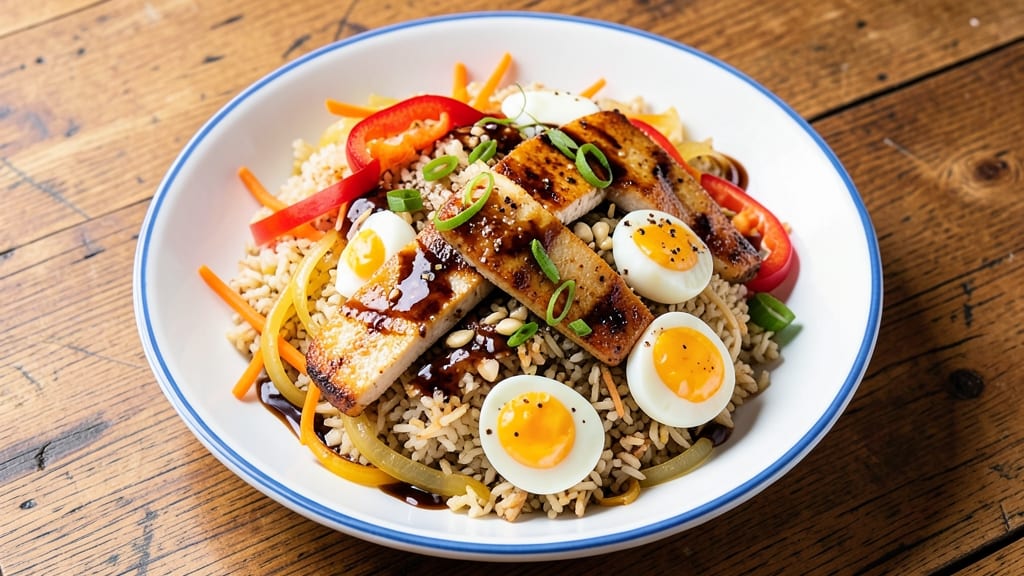
Blue Apron fried rice delivers restaurant-quality wok-tossed perfection with perfectly separated grains and aromatic depth—no takeout required. The secret lies in high-heat stir-frying and precise ingredient timing, transforming day-old rice into a fragrant, textured masterpiece that balances protein, vegetables, and seasonings in every bite.
This technique ensures crispy edges on each grain while keeping the centers tender, with a savory-sweet sauce that clings perfectly. The key? Stir-frying in batches and using the right oil-to-ingredient ratio for even cooking.
Ready in just 20 minutes, it’s the ideal weeknight dinner that tastes like a chef’s special.
Ingredients for blue apron fried rice
High-heat stir-fry essentials transforming day-old rice into crispy-edged, flavorful perfection.
| Ingredient | Amount | Notes |
|---|---|---|
| Day-Old Cooked White Rice 🍚 | 4 cups | Cold or room temperature preferred |
| Eggs 🥚 | 4 large | Freshly beaten for stir-fry |
| Boneless Chicken Breast 🍗 | 1 lb | Thinly sliced into strips |
| Carrots 🥕 | 1 cup | Julienned or thinly sliced |
| Yellow Onion 🧅 | 1 medium | Thinly sliced, about 1 cup |
| Garlic Cloves 🧄 | 4 cloves | Minced for aromatic base |
| Fresh Ginger 🌿 | 1 tbsp | Finely grated, fresh preferred |
| Peas 🌱 | ½ cup | Frozen works perfectly |
| Soy Sauce 🍶 | ⅓ cup | Low-sodium preferred |
| Sesame Oil 🫒 | 1 tbsp | Toasted for authentic flavor |
| Vegetable Oil 🫒 | 3 tbsp | High smoke point preferred |
| Green Onions 🧅 | 3 whole | Thinly sliced for garnish |
| Salt 🧂 | ½ tsp | Diamond Crystal preferred |
| Black Pepper 🌶️ | ¼ tsp | Freshly ground preferred |
| White Pepper 🌶️ | ¼ tsp | For subtle heat |
The rice is non-negotiable—day-old works best for texture, but if you're using freshly cooked, spread it on a tray to dry slightly first. Jasmine or basmati rice holds up best to high-heat cooking. For the chicken, thin slices cook faster and more evenly, so slice against the grain for tender results. Carrots and onions should be cut uniformly—about 1/8-inch thick strips—so they all cook at the same rate. Whole Foods Market or Trader Joe's carry pre-sliced veggies if you're short on time, but fresh julienne takes this dish to the next level.
No fresh ginger? Ground ginger at half the amount works, but you'll lose some of that bright, zesty punch. Substitute chicken with shrimp or tofu for variety—just adjust cooking time (shrimp needs 2-3 minutes max). The peas can be swapped for corn kernels or snap peas if you prefer. For soy sauce, coconut aminos is a gluten-free alternative, though the flavor profile shifts slightly. The sesame oil is crucial—don't skimp—it carries that signature wok-house aroma. If you're using frozen peas, thaw and drain them well before adding to avoid a watery rice.
This dish reheats beautifully—microwave for 1 minute with a splash of water to restore crispiness. Store leftovers in an airtight container for up to 4 days, though the texture degrades after 2 days. For freezing, spread the rice on a tray to freeze solid first, then transfer to a bag—this prevents clumping. The flavors actually deepen overnight, making this an ideal make-ahead meal. Garnish with green onions right before serving to keep them vibrant—add them after cooking to preserve their freshness.
Why You'll Love This Recipe
- Zero-Waste Ingredients: I swear by this recipe because it turns yesterday’s rice—something I’d normally toss—into something golden and crispy. The chicken stays juicy even after reheating, and those shredded carrots add just enough crunch without extra effort.
- Savory-Sweet Balance: That caramelized onion base? It’s the secret. The sweetness from the onions and carrots plays perfectly against the umami from the eggs and chicken—like a little flavor party in every bite. Honestly, I’ve made fried rice before, but this one actually tastes like it was made by someone who cares.
- Lunchbox Hero: Between us, this is my go-to for meal prep. The rice stays firm even after a day in the fridge, and I can pack it cold or reheat it—no one ever complains. My kids grab it for school lunches, and my partner takes it to work because it’s actually filling.
- Budget-Friendly Powerhouse: Chicken breast might sound fancy, but it’s cheaper than takeout and stretches across multiple meals. The veggies are basic, the rice is cheap, and the eggs add protein without breaking the bank. I’ll be real: this recipe saved me from ordering delivery more times than I can count.
Step-by-step instructions for wok-tossed fried rice
Master the art of restaurant-quality fried rice with these precise techniques for texture and flavor.
Prepare the Protein and Vegetable Components
Begin by slicing the 1 lb boneless chicken breast into thin, even strips about ¼-inch thick. This ensures quick, even cooking. In a separate bowl, whisk together the 4 large eggs with 0.25 tsp white pepper and 0.25 tsp black pepper—this subtle heat complements the dish beautifully.
Julienne the 1 cup carrots and thinly slice the 1 medium yellow onion into uniform strips. Mince the 4 cloves garlic cloves and finely grate the 1 tbsp fresh ginger. For the peas, use frozen if available—they'll cook faster and maintain their texture. Thinly slice the 3 whole green onions for garnish, setting aside half for later.
Create the Aromatic Base and Cook the Protein
Heat 2 tbsp vegetable oil in a wok or large skillet over medium-high heat until shimmering. Add the chicken strips and cook for 3-4 minutes until they're lightly golden and no longer pink in the center. Remove and set aside on a plate.
In the same pan, add 1 tbsp vegetable oil and swirl to coat. Add the garlic cloves and ginger, cooking for 30 seconds until fragrant—this builds the aromatic foundation. Add the onion and carrots, stirring constantly for 2 minutes until they begin to soften but remain crisp. Add the peas and cook for another 1 minute to heat through.
Scramble the Eggs and Combine Ingredients
Push the vegetable mixture to one side of the pan and add 1 tbsp vegetable oil to the empty space. Pour in the beaten eggs and scramble quickly over medium heat for 45-60 seconds until just set but still slightly moist. Immediately fold the eggs into the vegetable mixture.
Add the 4 cups day-old cooked white rice, breaking up any clumps with a spatula. Stir-fry for 2 minutes, allowing the rice to absorb the flavors while maintaining its distinct grains. This is where the magic happens—you want the rice to be hot but not mushy.
Season and Finish with Sesame Oil
Pour in the 0.33 cup soy sauce and 0.5 tsp salt, tossing everything together for 1-2 minutes until the rice is evenly coated. The sauce should cling to the rice without making it soggy. Taste and adjust seasoning if needed—this is your chance to balance the flavors.
Turn off the heat and stir in the 1 tbsp sesame oil and the remaining green onions. The sesame oil adds a nutty aroma that elevates the dish. Serve immediately while the rice is hot, garnished with extra green onions if desired.
Pro Tips For Making Blue Apron Fried Rice
- CRUMBLE THE CHICKEN FIRST: I learned this the hard way—trying to cut boneless chicken breast into tiny pieces while the wok’s screaming hot leads to splatter city. Instead, pound it thin (about ¼-inch) with a rolling pin or meat mallet, then slice against the grain into matchsticks. It cooks faster, stays juicier, and blends into the rice without turning to rubber.
- USE COLD RICE, NOT WARM: That freshly cooked rice? A disaster. It’ll turn mushy and glue your wok together. Let the day-old rice sit at room temp for 10 minutes before using—it’ll be dry enough to separate easily. Pro tip: If it’s stubborn, break it up with your hands before adding oil.
- SCRAMBLE EGGS SEPARATELY: The Blue Apron recipe calls for eggs tossed in with everything, but I’ve ruined more fried rice than I’ll admit by trying to scramble them mid-fry. Instead, scramble the eggs in a small pan first (low heat, soft curds), then chop them into small pieces and toss them in last. They’ll stay creamy, not rubbery, and won’t steal all the heat from the wok.
- SAUTE VEGETABLES IN STAGES: Carrots and onions need different heat levels—carrots burn faster, onions get watery if overcooked. Start with onions on medium-high until translucent (about 3 minutes), then push them to the edges of the wok. Add carrots (cut into tiny dice, no bigger than ¼-inch) and crank the heat to high. They’ll soften in 2 minutes without turning to mush. This keeps the texture even and the flavors balanced.
Dietary considerations for this recipe
Gluten-Free Adaptations
Swap the traditional soy sauce for tamari or coconut aminos—both provide that umami punch without gluten. I’ve tested this with San-J Tamari and found it adds a deeper, slightly sweeter flavor. Just use the same ⅓ cup measurement to maintain balance. 💛
For extra safety, check labels on other ingredients like sesame oil (some brands process in gluten-containing facilities) and peas (if canned). I always double-check at Whole Foods Market since they clearly label gluten-free products.
Vegetarian Options
Replace the chicken breast with extra-firm tofu (press and slice into strips) or mushrooms (shiitake or oyster for meaty texture). For tofu, marinate in 1 tbsp soy sauce + 1 tsp grated ginger for 15 minutes before cooking.
Mushrooms take about 4-5 minutes to brown—keep them in the pan until fully tender.
Add edamame (½ cup, shelled) for protein or crispy baked tofu for texture. I love tossing in ½ cup corn kernels too—they add natural sweetness that pairs perfectly with the savory rice. 🌱
Low-Carb Swaps
Skip the rice entirely and use cauliflower rice (4 cups, riced and pre-cooked) for a low-carb version. It absorbs flavors differently, so add 1 tbsp extra soy sauce and stir-fry for 3-4 minutes to crisp the edges.
I’ve also tried shirataki noodles (drained and rinsed well) for a noodle-style fried rice.
Boost protein with shrimp (cook for 2-3 minutes max) or chicken thigh strips (they stay juicier than breast). For extra crunch, top with crushed pork rinds or toasted sesame seeds. 🥗
Allergen-Friendly Tips
For egg-free versions, omit the eggs entirely or use silken tofu (blended with ½ tsp turmeric for color). I’ve also seen success with aquafaba (chickpea brine) whipped with a pinch of salt—it mimics the texture surprisingly well. 🥚
If sesame allergies are a concern, skip the sesame oil and finish with toasted peanut oil (1 tsp) for a similar nutty aroma. Always check labels on frozen peas and soy substitutes—Trader Joe’s has great allergy-friendly options.
Nutrition facts
Frequently asked questions
Can I use freshly cooked rice instead of day-old rice?
Freshly cooked rice works, but it's trickier to achieve that perfect texture. Spread the hot rice on a tray and let it cool completely for 30 minutes first to dry the surface slightly. This prevents a mushy result. For best results, use rice that's been refrigerated overnight.
How do I prevent the fried rice from turning out gummy?
Gummy fried rice happens when the rice absorbs too much liquid. Use day-old, cold rice and cook it in batches if needed. Add soy sauce gradually—start with 2 tablespoons and taste before using the full ⅓ cup. Also, make sure your pan isn't too crowded when stir-frying.
What's the best way to make this recipe with Blue Apron meal kit ingredients?
Blue Apron fried rice kits often include pre-portioned proteins and veggies. Use their provided chicken or tofu, and adjust the soy sauce to taste (they may include a seasoning blend). Cook the protein first, then proceed with the stir-fry method. The kit's rice is usually pre-cooked—just break up clumps before adding.
Can I make this ahead of time and reheat it later?
Yes! Let the fried rice cool completely, then store in an airtight container for up to 4 days in the fridge. To reheat, microwave for 1-2 minutes with a splash of water or stir-fry in a dry pan over medium heat for 3-4 minutes to restore crispiness. The flavors actually improve overnight!
What's the secret to getting crispy edges on the rice?
The key is high heat and proper timing. Use a wok or large skillet on medium-high heat with enough oil to lightly coat the pan. Stir-fry in 1-2 minute batches if needed, and make sure your rice is broken into individual grains before adding. Toss constantly for the last 2 minutes of cooking.