
Main Courses
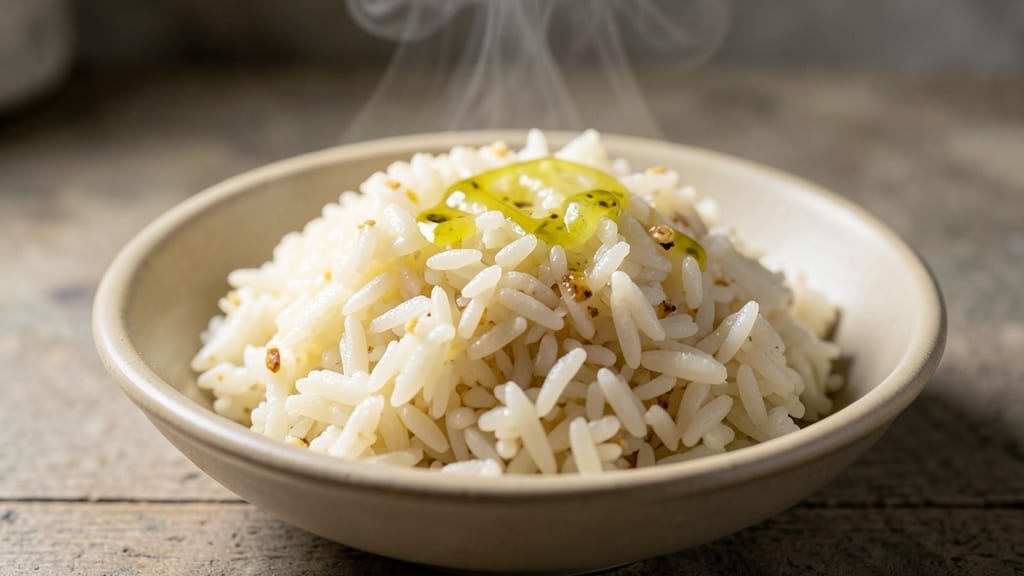
The Blue Apron jasmine rice recipe transforms simple grains into fragrant, fluffy perfection—ideal for pairing with proteins and sauces. This method delivers restaurant-quality texture with minimal effort, using just three ingredients and a precise cooking technique.
The secret lies in rinsing the rice thoroughly to remove excess starch, ensuring each grain stays distinct and tender.
What sets this recipe apart is its versatility—it elevates any dish, from stir-fries to curries, while maintaining a clean, bright flavor profile. With 20 minutes of active prep and 15 minutes of simmering, you’ll have fragrant, slightly sticky grains ready to complement your meal.
The aroma alone makes it worth the effort, turning a basic side into the star of your plate.
Ingredients for blue apron jasmine rice
Three core ingredients plus technique create restaurant-quality jasmine rice every time.
| Ingredient | Amount | Notes |
|---|---|---|
| Jasmine Rice 🌾 | 1 ½ cups | Uncooked, long-grain variety |
| Water 💧 | 3 cups | Room temperature preferred |
| Unsalted Butter 🧈 | 1 tbsp | Cold, for aroma infusion |
| Diamond Crystal Kosher Salt 🧂 | ¼ tsp | Fine grain for even seasoning |
| Fresh Lemon Juice 🍋 | 1 tbsp | Brightens final flavor |
| Garlic Cloves 🧄 | 1 whole | Minced for subtle aroma |
| Extra-Virgin Olive Oil 🫒 | 1 tsp | For even distribution |
Jasmine rice is the star here—look for Thai-grown varieties at specialty markets or the international aisle for maximum fragrance. Lundberg Family Farms or Mahatma brands deliver consistent quality. The butter isn't just for flavor; it carries the garlic's aroma during cooking. Freshly minced garlic (not pre-minced jars) releases more flavor. For water, avoid distilled—it lacks minerals that help rice absorb liquid evenly. Measure both rice and water precisely using the same cup to maintain the perfect 1:2 ratio.
No unsalted butter? Olive oil works equally well—just reduce to 1 tsp. Fresh lemon juice can be swapped for white vinegar at half the amount, though the flavor profile shifts slightly. Pre-minced garlic? Drain and pat dry to prevent excess moisture. For a salt-free version, omit entirely and add flavor through other components of your dish. The rice can be rinsed 2-3 times if you prefer less starch, though the recipe's slight stickiness comes from the butter infusion. For extra fragrance, add a cinnamon stick during cooking and remove before serving.
Cooked rice keeps perfectly for 4 days in the fridge, covered tightly. Reheat gently with a splash of water to restore moisture. For longer storage, freeze portions in airtight containers for up to 3 months. The lemon juice prevents graying, so add it only after cooking. Double the batch—leftover rice makes excellent fried rice or rice pudding. For restaurant-style presentation, fluff with a fork and serve in a wide, shallow dish to showcase the grains.
Why You'll Love This Recipe
- Two-Ingredient Core: That’s right—just rice, water, and maybe a splash of lemon. No fancy spices, no chopping, no stress. The butter and salt transform it into something restaurant-worthy without breaking a sweat.
- Butter-Lemon Magic: Honestly, the lemon juice at the end is the secret weapon. It cuts through the richness of the butter, giving you that bright, clean finish that makes every bite feel special—not heavy, not bland, just right.
- Meal Prep MVP: I make a big batch on Sundays and it lasts all week. Reheat it with a little extra butter, and it’s still fluffy and fragrant. Perfect for lunches, stir-fries, or even as a side for takeout—no one will guess it’s from two days ago.
- Budget Stretch: Jasmine rice is affordable, and this recipe uses it smartly. A single batch feeds four, and the butter and lemon are minimal splurges that make it taste like you spent hours cooking. My wallet thanks me every time.
Step-by-step instructions for Blue Apron jasmine rice
Master this technique and you'll achieve restaurant-quality jasmine rice every time—light, fragrant, and perfectly balanced.
Rinse the Jasmine Rice Thoroughly
Place the 1.5 cups jasmine rice in a fine-mesh strainer and rinse under cold running water for 30-45 seconds. Swirl the rice gently with your fingers to release excess starch—you'll see the water turn cloudy. Continue rinsing until the water runs clear, which typically takes 3-4 minutes. This step removes surface starch that would otherwise make the rice gummy.
Drain well and transfer the rice to a medium saucepan. I like to spread it out in an even layer so it cooks uniformly. The goal is to remove as much starch as possible while keeping the grains intact—this ensures each grain remains distinct and fluffy rather than clumping together.
Toast the Rice with Garlic and Olive Oil
Set the saucepan over medium heat and add the 1 tsp extra-virgin olive oil and 1 whole minced garlic clove. Stir the rice gently for 2-3 minutes until the garlic becomes fragrant and the rice begins to sizzle lightly. You should hear a faint popping sound as the grains release moisture.
This toasting step develops depth of flavor by caramelizing the rice's natural sugars and infusing the garlic aroma. Watch closely—don't let the rice brown. Once you detect a nutty aroma and see the edges of the grains turning slightly translucent, it's time to move to the next step. Remove the pan from heat briefly if needed to prevent over-browning.
Add Butter, Water, and Salt for Perfect Texture
Return the pan to medium heat and add the 1 tbsp cold unsalted butter and 3 cups water. Stir once to distribute the butter evenly, then add the 0.25 tsp diamond crystal kosher salt. Bring the mixture to a gentle boil, then immediately reduce heat to low and cover tightly with a lid.
The butter should melt completely and create a thin, flavorful layer on the surface. This butter coating prevents the rice from drying out during cooking. Once boiling, maintain a gentle simmer—you should see just a few small bubbles at the edges. If the water boils vigorously, reduce the heat further to maintain even cooking.
Steam Cook to Perfect Doneness
Cook the rice for 15 minutes without disturbing it. The steam will build up inside the covered pan, creating ideal conditions for even cooking. After 15 minutes, remove the pan from heat and let it sit covered for 10 minutes. This resting period allows the rice to finish absorbing moisture and develop its signature texture.
During this time, resist the temptation to peek or stir. The residual heat will continue cooking the rice gently. When you finally lift the lid, you should see fluffy, separate grains with a slight sheen—this indicates perfect moisture content. If any liquid remains, cover and let it sit another 5 minutes. If the rice looks dry, you can add 1-2 teaspoons water and stir gently.
Finish with Lemon Juice for Bright Flavor
Once the rice has rested, fluff it gently with a fork, then stir in the 1 tbsp fresh lemon juice. Work the lemon juice through the grains to distribute it evenly. The acidity brightens the rice's natural sweetness and prevents it from becoming bland. Taste a grain—it should be tender with a slight resistance (al dente) and release its aroma when you press it between your fingers.
Serve immediately while still warm. The rice should be light and fluffy with individual grains that don't stick together. Each bite should deliver the delicate floral aroma of jasmine rice along with subtle garlic and butter notes. This method produces rice that's perfect for pairing with proteins, vegetables, or as a standalone side dish.
Pro Tips For Making Blue Apron Jasmine Rice
- USE A TIGHT LID: I learned this the hard way—skipping this step means your rice will steam unevenly and end up dry on top while soggy below. Press that lid down firmly and seal any gaps with a towel if needed. The goal is a sauna, not an open pot.
- SALT THE WATER FIRST: Yes, even if the recipe calls for salt later. Dissolve the kosher salt in the water before adding rice—it distributes evenly and prevents clumping. (And no, you can’t just sprinkle it on top and stir; trust me, it’s noticeable.)
- LEMON JUICE LAST: Add that lemon juice after the rice has rested off heat. If you mix it in too early, the acid will start breaking down the grains while they’re still cooking, turning them mushy. A quick squeeze at the end brightens the flavor without wrecking the texture.
- BUTTER IN SMALL BATCHES: Drizzle the unsalted butter in after the rice is done, not during cooking. If you melt it in with the water, you’ll end up with greasy rice—this recipe relies on the butter’s finish, not its moisture. Swirl it in gently with a fork, and you’ll get those little buttery pockets without overdoing it.
Wine and beer pairings for blue apron jasmine rice
White Wine Pairings
For this fragrant jasmine rice, I reach for dry Riesling from Germany or Alsace—its crisp acidity and subtle floral notes mirror the rice’s delicate aroma.
A 2019 Dr. Loosen Blue Slate Riesling from the Mosel region is my go-to, with its citrus and mineral finish cutting through the butter’s richness. 🍷
If you prefer something lighter, a Sauvignon Blanc from New Zealand or Loire Valley works beautifully. The grapefruit and herbal notes complement the lemon finish in the rice. For a budget-friendly option, La Crema Sauvignon Blanc from California delivers bright acidity without breaking the bank.
Red Wine Options
For heartier pairings, a Pinot Noir with earthy undertones balances the rice’s buttery texture. I love Domaine Serene Pinot Noir from Oregon—its red fruit and subtle spice enhance the garlic and lemon in the dish. Avoid heavy tannins like Cabernet Sauvignon, which can overpower the delicate rice.
Beer Pairings
A crisp lager like Peroni or Heineken cleanses the palate between bites, while a Belgian witbier adds a refreshing citrus twist. For craft beer lovers, try a hazy IPA with tropical notes—Hazy Little Thing from New England Brewing Co. pairs surprisingly well with the rice’s floral aroma. 🍺
Non-Alcoholic Options
For a refreshing non-alcoholic match, sparkling water with lemon (like Topo Chico) enhances the rice’s citrus finish. Alternatively, a ginger beer like Feather’s adds a spicy kick that complements the garlic. For a richer option, coconut water (chilled) highlights the rice’s natural sweetness.
Cocktail Pairings
Sip a gin and tonic with cucumber and lime for a crisp, refreshing contrast. The botanical notes in gin echo the rice’s floral aroma. For something sweeter, a lychee martini (vodka, lychee liqueur, and soda) mirrors the rice’s delicate fragrance. 🍸
Nutrition facts
Frequently asked questions
Why does Blue Apron's jasmine rice recipe rinse the rice so thoroughly?
Rinsing removes excess starch that would otherwise make the rice gummy or sticky. The recipe's 3-4 minute rinse ensures each grain stays distinct and fluffy—key for that restaurant-quality texture. Think of it like washing your hair before styling: you need a clean base to get the best results.
Can I substitute basmati rice for jasmine in this recipe?
While basmati works, it lacks jasmine's signature floral aroma. For the best flavor match, stick with jasmine. That said, if you're in a pinch, use the same 1:2 rice-to-water ratio and add a cinnamon stick during cooking to mimic jasmine's fragrance—remove it before serving.
What if my rice turns out too dry or mushy?
Too dry? Add 1-2 tsp water and cover for 5 more minutes. Mushy? Next time, reduce water by ¼ cup or rinse the rice 1 less time. Remember: the 10-minute rest after cooking is crucial—don't skip it! This lets the rice absorb any remaining moisture perfectly.
How do I make this recipe gluten-free?
This recipe is naturally gluten-free! Just verify your jasmine rice is certified GF (many brands are). The butter, salt, lemon, and garlic are all safe. For extra flavor, add 1 tsp toasted sesame oil when toasting the rice—it complements the garlic beautifully.
Can I cook this rice in a rice cooker instead of a saucepan?
Use the same 1:2 rice-to-water ratio and follow the same steps: rinse, toast with garlic/oil, then cook. Skip the butter until the rice is cooked—add it with the lemon juice at the end. Rice cookers maintain more consistent heat, which can help prevent overcooking.