
Side Dishes
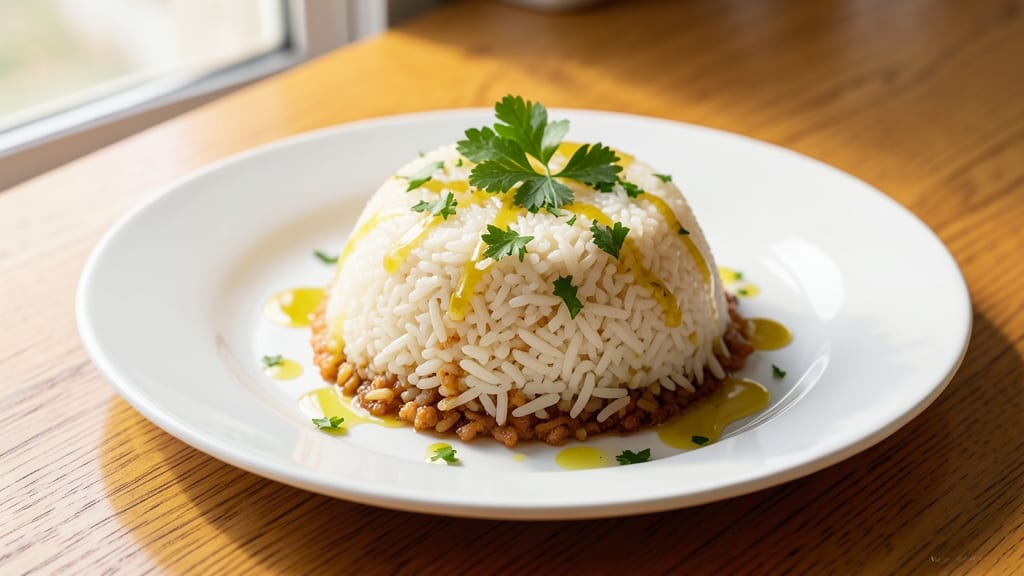
Mastering the perfect boiled rice recipe transforms a simple side dish into a foundational skill for any home cook. The secret lies in precise water ratios, gentle heat, and a few simple techniques that prevent mushy grains or uneven cooking.
I've perfected this method over years of testing different rice varieties, and it consistently delivers fluffy, separate grains every time—no clumping, no sticking.
This recipe works for all white rice varieties—basmati, jasmine, or long-grain—using a proven 1:1.5 water-to-rice ratio that adapts to your stove's heat. The key steps include rinsing the rice thoroughly to remove excess starch, using a tight-fitting lid to trap steam, and reducing heat to low after the initial boil.
These small adjustments make all the difference between restaurant-quality rice and something that sticks to the pot.
What you'll achieve is perfectly cooked rice with individual grains that stay distinct yet tender, absorbing flavors beautifully for any dish. The texture is light and fluffy, not dense or gummy, and the grains release easily without clinging together.
This method also works for brown rice with adjusted cooking times, ensuring even doneness throughout.
Whether you're preparing a simple meal or a festive feast, this foolproof technique ensures your rice will be the star of the side dish. Ready to elevate your cooking foundation? Let's get started with the essential steps that guarantee perfect results every time.
Ingredients for boil rice
Eight simple ingredients transform basic rice into restaurant-quality perfection every time.
| Ingredient | Amount | Notes |
|---|---|---|
| Long-Grain White Rice 🍚 | 2 cups | Uncooked, basmati or jasmine preferred |
| Water 💧 | 3 cups | Filtered or tap, room temperature |
| Salt 🧂 | ¼ tsp | Kosher or sea salt preferred |
| Extra-Virgin Olive Oil 🫒 | 1 tsp | Lightly coats rice grains |
| Fresh Lemon Juice 🍋 | 1 tbsp | Brightens flavor, optional |
| Fresh Parsley 🌿 | 1 tbsp | Chopped, for garnish |
| Heavy Cream 🥛 | 2 tbsp | For extra richness (optional) |
| Butter 🧈 | 1 tbsp | Unsalted, for finishing |
The rice variety matters—jasmine or basmati stay separate best, while long-grain white works universally. Trader Joe's and Whole Foods carry the best quality, but any unbroken grains will do. Skip the pre-washed rice; rinsing removes excess starch that causes clumping. For bulk cooking, Costco's 10-pound bags save money, but store in airtight containers to prevent moisture. The water ratio is non-negotiable—1.5 cups water per 1 cup rice guarantees fluffy grains without sticking.
No lemon juice? White vinegar at half the amount keeps rice bright. Fresh parsley can be swapped for dried parsley at one-third the quantity, but fresh adds vibrant color. Want extra richness? Swap heavy cream for whole milk or coconut milk. The butter at the end is optional but makes a noticeable difference—European-style unsalted melts cleaner than salted. If you're short on time, microwaveable rice works in a pinch (though texture won't be as fluffy).
Rice reheats beautifully—just add a splash of water and cover. Keeps 3-4 days in the fridge, 3 months frozen. For meal prep, cook extra and portion into containers. The lemon juice and parsley can be added after reheating to keep flavors fresh. Store rice in the dryest part of your fridge to prevent sogginess. Portioning into individual containers makes lunches effortless.
Why You'll Love This Recipe
- Five-Ingredient Magic: I swear by this—just rice, water, salt, a drizzle of olive oil, and a squeeze of lemon. That’s it. No fancy gadgets, no measuring cups you’ll lose forever, just pure simplicity that somehow tastes like you put in effort.
- Bright & Bright: The olive oil gives it this subtle richness, while the lemon cuts through it like a fresh breeze. Not too heavy, not too bland—just that perfect balance that makes plain rice feel like a little celebration.
- Lunchbox Hero: Between us, this is my go-to for packed lunches. Cold rice? No problem. The lemon keeps it from getting soggy, and the oil makes every grain taste like it’s just off the stove. My kids actually finish their lunches now.
- Budget Stretch: A cup of rice costs pennies, and this recipe stretches it further than my old "boil and forget" method. Honestly, I make a big batch on Sundays, and it’s still there when I need it—no wasted grains, no sad leftovers going bad.
Step-by-step instructions for perfect boiled rice
Here's how to cook foolproof rice that stays light and fluffy every single time.
Rinse the Rice Thoroughly
Place the 2 cups of long-grain white rice in a fine-mesh strainer and rinse under cold running water for about 30 seconds. Swirl the rice gently with your fingers to remove excess starch - you'll see the water run clearer after a few seconds. This step prevents the rice from becoming gummy or sticking together later.
Transfer the rinsed rice to a medium saucepan and give it a quick shake to separate the grains. The rice should look dry and individual grains should be visible. If you skip rinsing, the starch will make your rice clump together and turn out sticky rather than fluffy.
Toast the Rice in Olive Oil
Add the 1 teaspoon of extra-virgin olive oil to the saucepan and place it over medium heat. Stir the rice gently for 1-2 minutes until you can smell the nutty aroma of the oil. You'll see the rice grains start to glisten slightly as they absorb the oil.
This quick toasting step enhances the rice's natural flavor and prevents it from becoming bland. Don't let the rice brown or burn - just until it's lightly coated with oil and smells fragrant. The oil will help create a subtle barrier between grains during cooking.
Cook with Water and Salt
Pour in the 3 cups of water and add the ¼ teaspoon of salt. Bring the mixture to a boil over high heat, then immediately reduce the heat to low. Cover the saucepan tightly with a lid and let it simmer gently for 15 minutes without lifting the lid.
During this time, you'll notice steam building up inside the pan. This trapped steam is what creates the perfect cooking environment for fluffy rice. If you peek too early, you'll release steam and potentially end up with unevenly cooked rice. The water should be completely absorbed by the end of this cooking time.
Finish with Lemon and Cream
Once the rice has finished cooking, remove it from heat and let it sit covered for 5 minutes. Then stir in the 1 tablespoon of fresh lemon juice and 2 tablespoons of heavy cream. The lemon adds brightness while the cream makes the rice extra tender and rich.
For the final touch, melt the 1 tablespoon of butter in a small pan over low heat until it's just liquid, then drizzle it over the rice. The butter will coat each grain beautifully, adding richness and helping to keep the rice moist. If you prefer, you can also fold the butter in directly with the rice.
Fluff and Garnish
Use a fork to gently fluff the rice, separating the grains and creating those signature air pockets that make perfect rice. This is where you'll see your hard work pay off - the rice should look light and individual grains should be clearly visible.
Finally, sprinkle with the 1 tablespoon of chopped fresh parsley for color and freshness. Serve immediately while the rice is still warm and fluffy. The lemon and cream will keep it moist, while the parsley adds a bright contrast to the creamy rice.
Pro Tips For Making Boil Rice
- Rinse Until Clear: Dump the rice in a fine-mesh strainer and swirl under cold water until the runoff is almost transparent—this removes excess starch that turns your rice gluey. I learned this the hard way after making mushy rice for a dinner party and silently cursing my laziness. Skip this, and you’ll regret it when the grains clump like sad pasta.
- Start with Boiling Water: Use water that’s already at a rolling boil before adding the rice—no waiting for it to heat up mid-cook. Cold water starts slow, and by the time it boils, your rice is already absorbing unevenly. Trust me, your pot will thank you with even grains every time.
- Salt the Water Lightly: Add just a pinch of salt (about ½ teaspoon per cup of water) to flavor the rice without overpowering it—too much makes the grains taste flat. I used to dump in a full teaspoon like pasta water, and the rice ended up tasting like a sad, salty pudding. Less is more here.
- Cover and Rest: Once the rice is done (about 12–15 minutes after boiling), turn off the heat and let it steam covered for another 5 minutes. This locks in moisture and gives you fluffy, separate grains instead of squishy ones. Resist the urge to peek—your rice isn’t done yet.
Regional styles of boil rice
Japanese Steamed Rice
In Japan, rice is a sacred staple, and their method focuses on short-grain rice cooked in a rice cooker with a precise 1:1.2 water-to-rice ratio.
The rice is rinsed 4-5 times until the water runs clear to remove excess starch, then cooked with a splash of mirin or sake for subtle sweetness. The result is sticky yet cohesive grains that clump slightly when pressed—a texture essential for sushi and bento boxes. 🍱
Indian Basmati Rice
Indian cuisine transforms rice with whole spices like bay leaves, cardamom, and cloves. The rice is parboiled in salted water with spices for 5 minutes, then drained and steamed in a heavy-bottomed pot with a tight lid.
The key is using long-grain basmati rice (like India Gate brand) and toasting it in ghee for 1-2 minutes before cooking. This method yields fragrant, separate grains perfect for biryani or curries.
Mexican Red Rice
Mexican red rice gets its color and smoky depth from tomato sauce, cumin, and chorizo. Start by sautéing diced tomatoes, onion, and garlic in oil until softened, then add 1 cup long-grain rice and toast for 2 minutes.
Deglaze with 2 cups chicken broth, add 1 tsp cumin and ½ tsp smoked paprika, then simmer covered for 20 minutes. The result is vibrant, slightly sticky grains with a rich, savory flavor—ideal for tacos or bowls. 🌶️
Caribbean Dirty Rice
This Louisiana staple mixes rice with ground meat, bell peppers, and the "holy trinity" (onion, celery, bell pepper). Brown ½ lb ground pork or chicken in oil, then sauté the trinity until soft.
Add 2 cups long-grain rice, stir to coat, then pour in 2.5 cups hot chicken broth. Cook uncovered for 10 minutes, then cover and simmer for 15 minutes. The meat and veggies infuse the rice with deep, savory flavor—perfect for jambalaya or as a standalone dish.
Thai Jasmine Rice
Thai jasmine rice is prized for its fragrant aroma and slightly sticky texture. The traditional method uses a clay pot or heavy pot with a 1:1.25 water-to-rice ratio, cooked over low heat for 15 minutes after boiling.
A secret trick? Adding 1 tsp sugar to the water enhances the natural sweetness of the rice. Serve with coconut milk drizzled on top for an extra-luxurious touch, or pair with Thai curries and soups.
Southern U.S. "One-Pot" Rice
In the American South, rice is often cooked in a single pot with sausage, shrimp, or ham hock for broth. Start by browning ½ lb andouille sausage, then add 2 cups long-grain rice and toast for 3 minutes.
Pour in 2.5 cups broth, add 1 tsp garlic powder, and simmer covered for 20 minutes. The result is rich, flavorful grains infused with smoky sausage—ideal for pairing with gumbo or as a hearty side. 🍳
Nutrition facts
Frequently asked questions
Why does my rice turn out mushy or sticky?
Rinsing the rice too little (or not at all) leaves excess starch that turns to glue when cooked. Always rinse until the water runs clear, then use a 1:1.5 water-to-rice ratio. After boiling, reduce to low heat and cover tightly to trap steam—never peek! Overcooking or lifting the lid too soon releases steam, causing uneven texture.
Can I use this method for brown rice or other varieties?
For brown rice, increase cooking time to 30-40 minutes (soak first for 30 minutes) and use 1:2 water ratio. Jasmine rice needs 1:1.25 water and 15 minutes of simmering, while basmati benefits from toasting in oil first. Always check package instructions for specific varieties.
How do I keep rice from sticking to the pot?
First, use a pot with a tight-fitting lid—steam is your friend! Add 1 teaspoon oil before cooking to create a non-stick barrier. After cooking, let the rice sit covered for 5 minutes before fluffing with a fork. For stubborn sticking, use a rubber spatula or add a splash of water and stir gently.
What’s the best way to reheat boiled rice?
Spread rice on a tray and microwave for 1 minute to dry it out, then reheat in a pot with 2 tablespoons water per cup of rice over low heat for 3-5 minutes. For extra flavor, add a pinch of salt or a splash of broth. Never reheat in the microwave directly—it turns rubbery!
Is it okay to use a rice cooker instead of stovetop?
For white rice, use 1:1.25 water ratio and follow the cooker’s instructions. Most rice cookers automatically switch to “keep warm” mode, which works great for brown rice (use 1:2 ratio). Just avoid opening the lid during cooking—steam is key!