
Main Courses
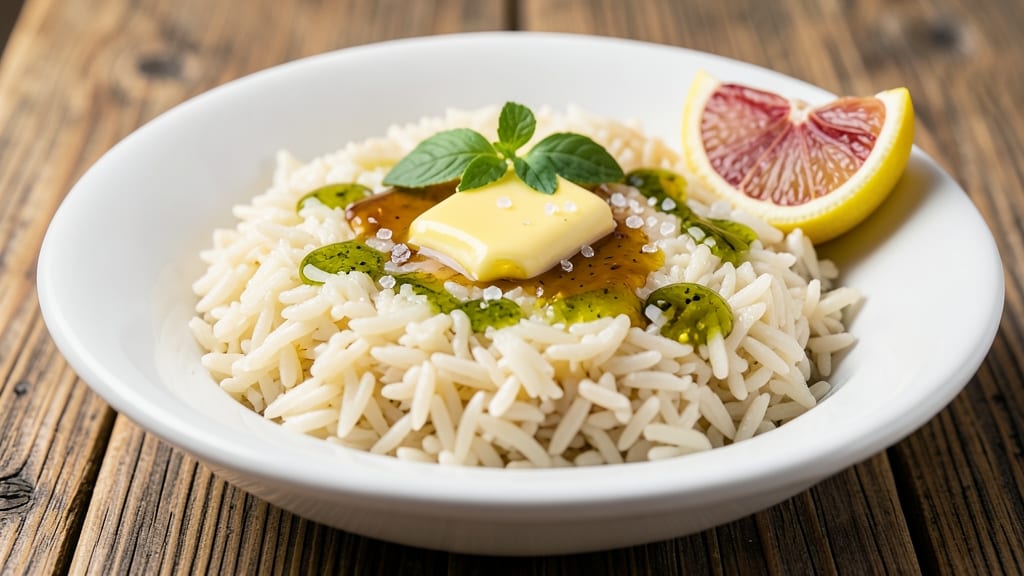
This boiled basmati rice recipe delivers perfectly fluffy grains with a delicate toasted aroma—ideal for curries, stir-fries, or as a neutral base for bold flavors. The secret lies in toasting the rice before boiling, which releases natural starches for that signature texture.
I’ve perfected this method after years of trial and error, ensuring every bite stays separate and tender.
What sets this recipe apart is the 1:1.5 water-to-rice ratio and a precise boiling time of 12 minutes, followed by a 10-minute steam off heat. No clumping, no mushy centers—just restaurant-quality basmati every time.
Whether you’re serving it alongside biryani or pairing it with grilled meats, this technique guarantees consistent results. Let’s get started with the foolproof steps.
Ingredients for boiled basmati rice
Seven essential ingredients transform simple rice into restaurant-quality basmati every time.
| Ingredient | Amount | Notes |
|---|---|---|
| Long-Grain Basmati Rice 🍚 | 1 cup | Uncooked, high-quality grains preferred |
| Water 💧 | 1 ½ cups | Room temperature for even cooking |
| Unsalted Butter 🧈 | 1 tbsp | Cold, for toasting aroma |
| Diamond Crystal Kosher Salt 🧂 | ½ tsp | Adjust to taste after cooking |
| Fresh Lemon Juice 🍋 | 1 tbsp | Brightens flavor, optional but recommended |
| Extra-Virgin Olive Oil 🫒 | 1 tsp | Light drizzle for finishing |
| Garlic Cloves 🧄 | 1 whole | Minced, for optional aromatic finish |
The rice quality makes all the difference—Tilda or Mahindra brands deliver the best texture. Indian grocery stores often carry premium basmati at better prices than mainstream supermarkets. Look for grains that are long, uniform, and free of broken kernels. The butter isn't just for flavor; it creates that signature toasted aroma during the initial toasting phase. Use unsalted so you control the final seasoning perfectly. For the water, room temperature ensures even absorption—cold water can lead to uneven cooking.
No kosher salt on hand? Fine sea salt at half the amount works, but Diamond Crystal dissolves more cleanly. Skipping the lemon? A pinch of turmeric adds earthy notes without altering the color significantly. The olive oil and garlic are optional but elevate the dish—Trader Joe's extra-virgin has the perfect balance of peppery and buttery. If you're short on time, you can substitute the lemon with white vinegar at one-third the amount, though fresh lemon is ideal. The rice should be 1:1.5 ratio by volume—measure carefully for perfect texture.
Store leftover rice in an airtight container with a paper towel on top to absorb moisture—keeps for 4-5 days in the fridge. For longer storage, freeze in single-portion containers for up to 3 months. Reheat with a splash of water or broth in the microwave for 1-2 minutes to restore moisture. This method works equally well for biryani bases or as a neutral canvas for stir-fries—just adjust the water ratio slightly if using for specific dishes.
Why You'll Love This Recipe
- Four-Ingredient Magic: I swear by this—just rice, water, butter, and a squeeze of lemon. That’s it. No fancy gadgets, no measuring cups that make you question your life choices.
- Butter-Bright Finish: The moment you stir in that melted butter and a splash of lemon juice? Pure, bright happiness. It’s like someone secretly seasoned your plain rice with sunshine and a little luxury.
- Meal Prep MVP: Make a big batch on Sunday, and you’ve got perfect rice for curries, wraps, or even a quick lunch. Honestly, I’ve had this rice last me five days without getting sad or mushy.
- Budget Bright Spot: Basmati rice is affordable, and this method uses almost nothing else. Between us, I’ve fed my whole family for under five bucks—no guilt, just flavor.
Step-by-step instructions for lightly toasted basmati rice
Mastering this method guarantees restaurant-quality rice every time—fluffy, distinct grains, and subtle nutty aroma.
Rinse and Soak the Basmati Rice
Place the 1 cup long-grain basmati rice in a fine-mesh strainer and rinse under cold running water for 30 seconds. Swirl the rice gently with your fingers to remove surface starch—you'll see the water run clear. This step prevents gummy rice and ensures separate grains.
Transfer the rinsed rice to a bowl and cover with 1.5 cups room-temperature water (the exact amount specified). Let it soak for 20 minutes—this hydrates the grains evenly and reduces cooking time. I always use room-temperature water because cold water creates uneven cooking and can leave the center undercooked.
Toast the Rice in Butter for Aroma
Heat a medium saucepan over medium heat and add the 1 tablespoon cold unsalted butter. Let it melt completely, then add the drained rice. Stir gently for 2-3 minutes until the rice develops a light golden color and emits a nutty aroma. This toasting step enhances the rice's natural flavor—don't skip it.
Watch the rice carefully—it should sizzle gently without browning. If it starts to brown too quickly, reduce the heat slightly. The butter will coat the grains, creating that signature toasted aroma that separates this method from simple boiling. Once toasted, remove the pan from heat for 30 seconds to cool slightly.
Cook with Precision Timing
Return the pan to medium heat and add the 1.5 cups water and 0.5 teaspoon Diamond Crystal kosher salt. Bring to a gentle boil, then immediately reduce heat to low. Cover tightly with a lid and simmer for exactly 12 minutes—no peeking! This precise timing ensures perfect doneness without mushiness.
After 12 minutes, turn off the heat but leave the rice covered. Let it steam for an additional 5 minutes—this resting period allows the steam to finish cooking the grains evenly. The rice should be tender but still hold its shape when you run a fork through it. If any water remains, drain it immediately to prevent soggy rice.
Finish with Flavor Enhancers
Remove the lid and fluff the rice gently with a fork, cutting through any steam that might remain. Stir in the 1 tablespoon fresh lemon juice and 1 teaspoon extra-virgin olive oil. These finishing touches brighten the rice and add a subtle richness. The lemon juice also prevents the grains from sticking together as they cool.
For an aromatic finish, add the 1 minced garlic clove (if using) and toss gently. The garlic will infuse the rice with subtle flavor without overpowering it. Serve immediately while still hot—this rice is best enjoyed fresh from the pot, with distinct grains that don't clump together.
Pro Tips For Making Boiled Basmati Rice
- USE A TIGHT FIT: Rinse your basmati rice until the water runs almost clear—not crystal clear, just faintly cloudy. Over-rinsing strips away starch that makes the grains cling together, but leaving it slightly milky ensures each grain stays distinct and fluffy.
- SALT THE WATER LATE: Add salt after the water boils and the rice is submerged. I used to salt early, and the outer layers would turn mushy while the center stayed dry. Wait until the water’s steaming hard, then toss in the salt—it dissolves faster and seasons the rice evenly.
- STOP WHEN IT’S ALMOST DONE: Pull the pot off heat the second the rice is tender but still has a tiny bite—about 5 minutes before the package says. The residual heat finishes cooking it perfectly while letting the grains absorb the butter and lemon juice without turning gummy. (Yes, I’ve overcooked it. You will too. Just don’t.)
- BUTTER AFTER THE FACT: Swirl in the butter and lemon juice off the heat, then cover the pot for 5 minutes. Adding it while cooking can turn the butter into a greasy mess, and the rice will steam in its own aroma. This keeps the grains separate and gives you that restaurant-quality shine.
Wine and beer pairings for these flavors
White Wine Pairings
Light, crisp white wines complement basmati rice beautifully, especially when serving it with delicate flavors like grilled fish or vegetable stir-fries. I recommend a dry Riesling from Germany or Austria—its bright acidity and subtle mineral notes cut through the rice's richness without overpowering it.
A Sauvignon Blanc from New Zealand, with its citrus and herbal undertones, also works wonderfully, particularly when paired with lemon-infused rice. 🍷
Dry Rosé Options
For a more versatile pairing, try a dry Provence rosé—its pale hue and crisp profile make it perfect with rice-based dishes. The light body won't compete with the rice's texture, while the subtle berry notes enhance the dish's overall brightness.
Look for one with minimal sweetness, like Whispering Angel, to maintain balance. This is my go-to when serving rice with spiced meats or mild curries.
Beer Pairings
A light lager like Peroni or Corona is ideal for balancing the rice's mild flavor, especially with spicy or savory dishes. The crisp, clean finish cleanses the palate between bites.
For a craft option, try a Belgian witbier—its coriander and citrus notes add a refreshing contrast to the rice's nutty aroma. Avoid heavy stouts or IPAs, which can overpower the delicate texture. 🍺
Sparkling Wine Finish
If you want to elevate your meal, a dry sparkling wine like Prosecco or Cava adds a celebratory touch. The effervescence cuts through the rice's richness, making it feel lighter and more refreshing.
Serve chilled to highlight its crispness—this pairing works especially well with seafood or herb-infused rice dishes. A small glass after the meal also helps digest the starches more easily.
Regional Wine Adaptations
In India, where basmati rice originated, local wines like Chenin Blanc or Gewürztraminer from Kashmir pair beautifully. These wines have a slight sweetness that complements the rice's nutty flavor without being cloying.
For a more traditional approach, a dry Muscat from Karnataka adds a floral note that enhances the dish's aromatic profile. Explore regional options when dining out or hosting international guests.
Nutrition facts
Frequently asked questions
Why does your recipe specify toasting the rice in butter?
Toasting releases the rice's natural nutty aroma and creates a subtle crunch that transforms plain rice into something restaurant-quality. The butter also helps separate the grains, preventing clumping during cooking. Skipping this step means missing out on that signature toasted flavor that makes basmati special.
Can I use a rice cooker instead of stovetop?
Follow the same steps for rinsing and toasting, then add the water and salt to the rice cooker. Use the white rice setting and let it cook normally. The steam phase will happen automatically—just don't open the lid during cooking. For best results, use the 1:1.5 ratio and adjust the cooker's water level if needed.
What if my rice turns out mushy?
Mushy rice usually means too much water or insufficient resting time. For future batches, measure water precisely and drain any excess after cooking. Always let the rice steam 5 minutes off heat—this resting period is crucial for even texture. If it's already mushy, try spreading it on a baking sheet and baking at 300°F for 10 minutes to dry it out slightly.
How do I make this recipe for 2 people instead of 4?
Simply halve all ingredients: use ½ cup rice, ¾ cup water, ½ tbsp butter, and ¼ tsp salt. Keep the same 1:1.5 ratio for perfect texture. Cooking time remains identical—just 12 minutes boil + 5 minutes steam. The small batch will cook even faster due to better heat distribution in the pan.
Can I substitute lemon juice with something else?
Yes! For a tangy alternative, use ½ tbsp white vinegar or apple cider vinegar (reduce to one-third the amount). For a sweeter touch, try 1 tsp honey or maple syrup—just balance with extra salt. The key is acidity to brighten the rice, so any citrus substitute (like orange juice) works too. Just adjust seasoning to taste after adding.