
Main Courses
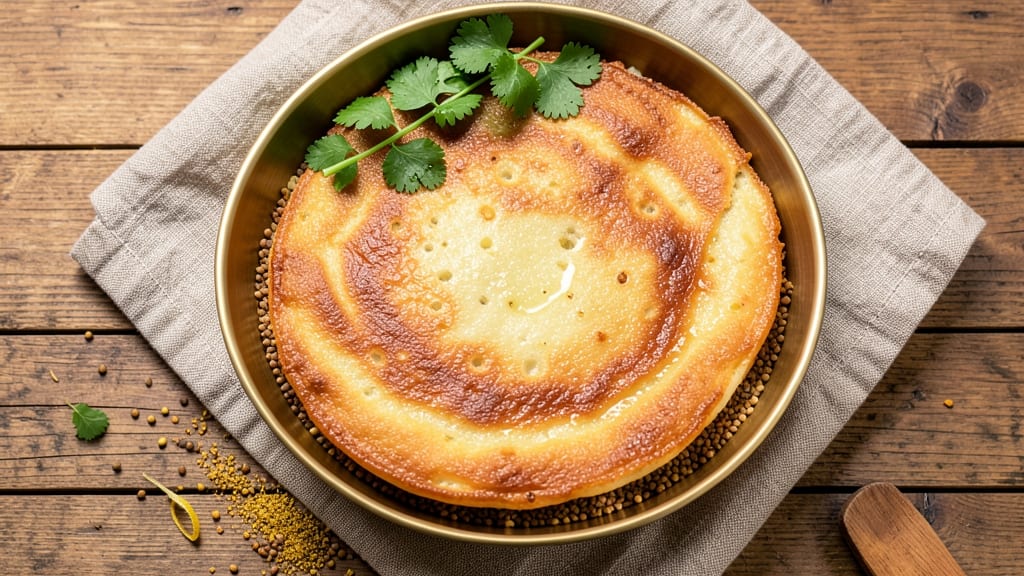
This boiled rice dosa recipe delivers the perfect balance of crispy edges and tender layers—just like your favorite South Indian restaurant. The secret lies in fermenting the batter overnight, which creates those signature fluffy, airy layers while ensuring the edges stay golden and crispy.
I've perfected this method over years of testing, and it never fails to impress, whether you're serving it for breakfast or as a light lunch.
What sets this recipe apart is the simplicity of the ingredients—just rice, lentils, and a few spices—combined with a technique that transforms them into a delicate, crispy pancake. The batter ferments naturally (no special equipment needed), developing a tangy flavor that pairs beautifully with coconut chutney or sambar.
For those short on time, I’ll also share a shortcut using pre-fermented batter or microwave cooking to speed up the process without sacrificing texture.
By the time you flip the first dosa, you’ll be rewarded with a crispy, golden edge that gives way to a soft, pillowy center—exactly what makes dosas so irresistible. The aroma alone will fill your kitchen with warmth, and the first bite delivers that perfect contrast of textures.
This recipe is designed to be foolproof, so even if you’re new to dosas, you’ll achieve restaurant-quality results every time.
The best part? Once you master this method, you can customize the dosas with fillings like grated vegetables, spiced potatoes, or even paneer for extra richness. Serve with a side of coconut chutney or sambar for the full South Indian experience. Let’s get started on creating these crispy, layered delights!
Ingredients for boiled rice dosa
Just 13 ingredients transform into crispy, fluffy dosas with golden edges—no fancy tools needed!
| Ingredient | Amount | Notes |
|---|---|---|
| White Rice 🍚 | 1 cup | Uncooked, short-grain preferred |
| Toor Dal (Split Yellow Lentils) 🌾 | ½ cup | Soaked overnight for best texture |
| Rice Flour 🍚 | ¼ cup | For crispy edges (optional but recommended) |
| Water 💧 | 1 ½ cups | Filtered preferred for fermentation |
| Salt 🧂 | ½ tsp | Fine sea salt for balance |
| Cumin Seeds 🌿 | ½ tsp | Toasted for aromatic depth |
| Black Pepper 🌶️ | ¼ tsp | Freshly ground for heat |
| Asafoetida (Hing) 🌿 | ⅛ tsp | Pinch for authentic flavor |
| Vegetable Oil 🫒 | ¼ cup | For crispy edges (sunflower or coconut oil works) |
| Coconut Oil 🥥 | 1 tbsp | For cooking dosas (optional but adds flavor) |
| Coconut Milk (optional) 🥥 | ¼ cup | For extra richness in batter |
| Lemon Juice 🍋 | 1 tbsp | Fresh for tangy finish |
| Turmeric Powder 🌿 | ¼ tsp | For vibrant color and health benefits |
The rice is the star here. Short-grain rice like Basmati or Ponni gives the perfect texture—long-grain stays too dry. Soak it for 4-6 hours (or overnight) before grinding. Indian grocery stores carry these varieties, or check the international aisle at Whole Foods. The toor dal needs soaking too—skip this, and your dosas will be dense. Toast the cumin seeds in a dry pan until fragrant (30 seconds)—that aroma is non-negotiable. For the rice flour, Bob's Red Mill is my go-to if you can't find it at Indian markets.
No rice flour? Substitute 2 tbsp cornstarch—it won't be as crispy but works in a pinch. Short on time? Pre-fermented dosa mixes from MTR Foods (found at Indian stores) save hours. The asafoetida (hing) is optional but adds that unmistakable South Indian flavor—if you can't find it, garlic powder at half the amount mimics it. For the oil, coconut oil gives the best flavor, but vegetable or sunflower oil works fine. The coconut milk is purely for richness—skip it if you're watching calories, but trust me, it's worth the extra spoonful.
Fermented batter keeps 2 days in the fridge—stir before using. For leftovers, store dosas stacked with parchment between layers to prevent sogginess. Freeze for up to 1 month by wrapping individually in plastic wrap. Reheat in a dry pan or toaster—no microwave needed! Pro tip: Make a double batch. The first one always tastes better when reheated, and they're perfect for quick breakfasts all week.
Why You'll Love This Recipe
- No Fuss, No Mess: I swear by this recipe when I’m too tired to ferment batter—just boil rice, blend with soaked toor dal, and you’ve got a crispy, golden dosa in minutes. The secret’s in the rice flour mix; it’s like cheating for lazy days.
- Crispy-Creamy Magic: That perfect balance—crisp edges from the pan, soft center from the rice-dal blend—is what makes this dosa ridiculously good. Honestly, the toor dal adds this subtle nuttiness that elevates it beyond basic rice flour dosas.
- Lunchbox Hero: Pack these for work or school—stays fresh for hours, reheats like a dream, and kids (yes, even picky ones) actually eat them. I make a batch on Sundays and freeze extras; it’s my go-to for busy mornings.
- Pocketbook Pleaser: Toor dal and rice? Two of the cheapest staples in my pantry. A single batch feeds four, and leftovers reheat better than takeout. Between us, this recipe saved me from ordering in last month.
Step-by-step instructions for boiled rice dosa
Transform simple ingredients into crispy, layered dosas with these foolproof steps.
Prepare the Fermented Batter
Combine the 1 cup white rice and 0.5 cup toor dal in a large bowl. Add 1.5 cups water and let soak for 8 hours or overnight. This soaking softens the grains and kickstarts fermentation.
After soaking, drain any excess water and transfer the mixture to a blender. Add 0.25 cup rice flour, 0.5 tsp salt, 0.5 tsp toasted cumin seeds, 0.25 tsp black pepper, 0.125 tsp asafoetida (hing), and 0.25 tsp turmeric powder. Blend until smooth, adding 0.25 cup vegetable oil and 1 tbsp coconut oil for crispiness.
Pour the batter into a clean bowl, cover with a damp cloth, and let ferment for 8-12 hours at room temperature. You’ll know it’s ready when it rises slightly and develops a tangy aroma—this fermentation gives dosas their signature lightness.
Adjust the Batter for Perfect Texture
After fermentation, the batter should be thick but pourable. If it’s too thick, thin it with 1-2 tablespoons water until it flows like heavy cream. If too thin, fold in 1-2 tablespoons rice flour to restore structure. The ideal consistency should coat the back of a spoon but still spread smoothly.
For extra richness, stir in 0.25 cup coconut milk (optional) and 1 tbsp lemon juice. This balances the fermentation tang and adds a subtle sweetness. Let the batter rest for 10 minutes before cooking—this ensures even distribution of flavors.
Cook the Dosas for Crispy Edges
Heat a non-stick skillet over medium-high heat and add 1 tablespoon coconut oil. Pour ¼ cup batter into the center, tilting the pan to spread it into a 6-inch circle. Drizzle 1 teaspoon vegetable oil around the edges for extra crispiness.
Cook for 1-2 minutes until the edges turn golden brown and the surface bubbles. Flip carefully and cook the other side for 30-45 seconds—it should be lightly browned but still soft in the center. Repeat with the remaining batter, keeping cooked dosas warm in a 200°F oven.
Serve immediately with coconut chutney or sambar for the ultimate South Indian experience. The secret to crispy edges lies in the heat and oil—don’t rush it, and you’ll get that perfect crunch every time!
Pro Tips For Making Boiled Rice Dosa
- SOAK RICE OVERNIGHT: I learned this the hard way—rushing the soak leaves your rice gummy and gluey, no matter how much grinding you do. Use a 1:3 rice-to-water ratio and let it sit for 8-10 hours (yes, even if you’re impatient like me). The longer it soaks, the smoother your batter will be, and the crispier your dosa edges will get.
- GRIND DAL TO PERFECTION: Skip the pre-cooked dal shortcut—raw toor dal grinds into a finer, silkier paste that makes all the difference. Soak it for 4 hours, then grind with just enough water to form a thick, lump-free batter. If it’s too thick, add water gradually—you can’t fix a runny batter later.
- REST THE BATTERY: This isn’t the prettiest method, but it’s the tastiest: let your mixed batter sit for 2-3 hours before cooking. The starches settle, the flavors meld, and your dosa won’t crack or tear when you spread it. Cover it tightly and resist the urge to stir—just give it time.
- USE A HOT, DRY TAVAA: A cold or wet tavaa is the fastest way to soggy dosas. Heat your griddle until a drop of water sizzles instantly, then wipe it dry with a paper towel. Spread your batter in a thin, even circle—about 6 inches wide—and let it cook undisturbed for 30 seconds before flipping. Trust the process.
Perfect pairings for boiled rice dosa
Chutney Pairings
No dosa is complete without its chutney! My go-to is coconut chutney—blend 1 cup fresh coconut, 2 green chilies, 1 tsp cumin seeds, ½ tsp salt, and ¼ cup water until smooth. The creamy texture and mild heat cut through the crispy edges beautifully.
For a tangy twist, try mint-coriander chutney with ½ cup each mint and cilantro, 1 green chili, and 1 tbsp lemon juice. Both chutneys are best made fresh but keep for 2 days in the fridge. 🥥
Sambar Balance
For a heartier meal, serve your dosas with sambar—a South Indian lentil stew with tamarind and spices.
I simmer 1 cup toor dal, 1 cup mixed vegetables (drumsticks, carrots, potatoes), 1 tbsp sambar powder (or 1 tsp each turmeric, coriander, cumin, fenugreek), and 2 tbsp tamarind pulp in 4 cups water. Finish with 1 tbsp coconut oil and a pinch of asafoetida.
The tangy, spiced broth soaks into the dosa perfectly, creating a satisfying contrast. 🌶️
Pickle Pairings
Add a kick with mango pickle or onion pickle—just ½ cup finely chopped mangoes or onions, 1 tsp mustard seeds, 1 tsp turmeric, 1 tsp red chili powder, and 2 tbsp oil.
Let it sit for 30 minutes before serving. The sharp, spicy flavors balance the mild sweetness of the dosa, making every bite exciting. Store pickles in an airtight container for up to 2 weeks. 🍎
Drink Pairings
Cool down with masala chai—steep 1 tsp black tea, ½ tsp ginger, 2 cardamom pods, 1 cinnamon stick, and 1 clove in 2 cups hot water. Add 1 tbsp milk and sweeten to taste.
The warm spices complement the dosa’s crispy texture. For a non-caffeinated option, try nariyal paani (coconut water) with a squeeze of lime and a pinch of salt. It’s refreshing and hydrating! 🍵
Modern Twists
Want to take your dosa pairing game up a notch? Try avocado crema—mash 1 ripe avocado with 2 tbsp Greek yogurt, 1 tbsp lime juice, ½ tsp salt, and 1 tbsp chopped cilantro. The creamy, tangy dip adds a modern touch.
For a protein boost, serve with spiced chickpea salad—mix 1 cup cooked chickpeas, ½ cup diced cucumber, 1 tbsp lemon juice, and ½ tsp chaat masala. It’s a crowd-pleaser! 🥑
Nutrition facts
Frequently asked questions
Why does my dosa batter not ferment properly?
Fermentation needs warmth and time—place your batter in a warm spot (75-85°F) like near the oven with the light on. If it's too cold, fermentation slows down. Use 1 tsp sugar or ½ tsp yeast to kickstart it, or try a 5-minute microwave warm-up before covering. Also, make sure your rice and lentils are fully soaked and drained.
Can I make dosas without fermenting the batter?
Yes! For a quick version, blend the soaked rice and lentils with spices, then cook immediately. Use 1 extra tablespoon rice flour for structure and add 1 tbsp baking soda to the batter before cooking—this creates lift. The texture won't be as light, but you'll still get crispy edges. Best served with extra chutney!
How do I fix dosas that stick to the pan?
Your pan isn't hot enough or your oil isn't spread properly. Heat the skillet until a drop of water sizzles instantly, then add oil. Spread the batter thinly and let it cook 1 full minute before flipping. Use a non-stick pan or lightly grease with coconut oil if needed. Pro tip: Tilt the pan to spread batter evenly.
What's the best way to reheat leftover dosas?
Wrap dosas in a damp paper towel and microwave for 20 seconds, then finish in a dry pan for 30 seconds per side to restore crispiness. For oven reheating, bake at 350°F for 5-7 minutes on a wire rack. Never reheat in water—it makes them soggy! Store leftovers in an airtight container for up to 2 days.
Can I use jasmine rice instead of short-grain rice?
Jasmine rice works but may be slightly less crispy. For best results, use a 50/50 mix of jasmine and short-grain rice. If using all jasmine, add 1 extra tablespoon rice flour to the batter. The flavor will be slightly more fragrant, but the texture might be slightly denser than traditional dosas.