
Salads
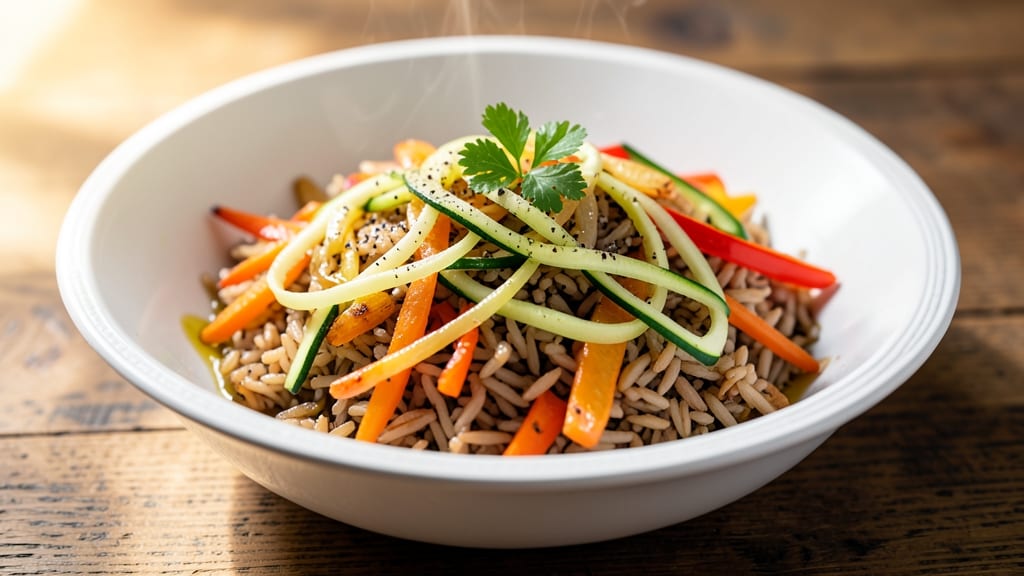
This one-pot brown rice mixed vegetables recipe transforms simple ingredients into a hearty, nutty harvest bowl that’s both satisfying and effortless to prepare. The secret lies in cooking brown rice and vegetables together, allowing their flavors to meld naturally while maximizing convenience.
Perfect for weeknight dinners or meal prep, this dish delivers balanced nutrition without sacrificing depth.
With just one pot and minimal prep, you’ll create a flavorful combination of tender brown rice, crisp-tender vegetables, and aromatic seasonings that elevate every bite. The nutty undertones of brown rice pair beautifully with sautéed or steamed veggies, creating a dish that’s as nourishing as it is delicious.
Ready in under 45 minutes, it’s the ideal solution for a wholesome, plant-based meal.
Ingredients for brown rice mixed vegetables
Simple whole foods that harmonize beautifully in one pot for nutty, satisfying depth.
| Ingredient | Amount | Notes |
|---|---|---|
| Long-Grain Brown Rice 🌾 | 1 cup | Uncooked, rinsed thoroughly |
| Vegetable Broth 💧 | 2 ½ cups | Low-sodium preferred |
| Carrots 🥕 | 1 lb | Medium size, sliced into rounds |
| Yellow Onion 🧅 | 1 whole | Medium size, diced |
| Zucchini 🥒 | 1 lb | Medium size, sliced into half-moons |
| Bell Peppers 🌶️ | 2 whole | Assorted colors, diced |
| Fresh Spinach 🌿 | 4 cups | Packed, roughly chopped |
| Garlic Cloves 🧄 | 4 cloves | Peeled, minced |
| Olive Oil 🫒 | 2 tbsp | Extra-virgin for richness |
| Low-Sodium Soy Sauce 🍶 | 1 tbsp | For umami depth |
| Sesame Oil 🫒 | 1 tsp | Toasted for aroma |
| Toasted Sesame Seeds 🌱 | 1 tbsp | For garnish |
| Salt 🧂 | ½ tsp | Kosher or sea salt |
| Black Pepper 🌶️ | ¼ tsp | Freshly ground |
The brown rice is the foundation—look for long-grain varieties at Whole Foods or your local bulk bin section for optimal texture. Rinsing before cooking removes excess starch, preventing gumminess. For vegetables, farmers market produce delivers the brightest flavors, but store-bought works fine if you choose firm, unblemished pieces. Carrots and zucchini should be crisp when sliced—avoid any with soft spots. Bell peppers in assorted colors add visual appeal while maintaining balanced sweetness. Spinach wilts quickly, so add it last to preserve texture.
No sesame oil? Toasted peanut oil offers a similar nutty profile, though with a different depth. Substitute soy sauce with coconut aminos for a gluten-free option, though the flavor will differ slightly. Fresh garlic is non-negotiable here—pre-minced garlic from jars contains anti-caking agents that mute flavor. For extra protein, add 1 cup cooked edamame or chickpeas at the end. If you're short on time, frozen mixed vegetables work in a pinch, though fresh yields superior texture and flavor.
Store cooked portions in airtight containers for up to 5 days in the refrigerator. Reheat gently with a splash of broth to restore moisture. For meal prep, divide into individual containers—glass with silicone lids maintains freshness best. Freeze for up to 3 months by spreading portions on a tray first to prevent clumping. The nutty flavors actually deepen overnight, making leftovers even more satisfying.
Why You'll Love This Recipe
- One-Pot Magic: I swear by this recipe when I’m too tired to wash a million dishes. Toss everything—rice, veggies, broth—into one pot and let it simmer. No chopping boards left sticky, no pans to scrub. Just done.
- Savory Depth: That caramelized onion and zucchini? It’s where the magic happens. The broth soaks into the rice, turning it into a flavor bomb—earthy, slightly sweet, with a crisp-tender bite from the veggies. Honestly, it’s the kind of dish that makes you pause mid-bite.
- Meal Prep MVP: Between us, this is my lunchbox lifesaver. Cook a big batch on Sunday, and you’ve got four days of effortless lunches. The rice stays fluffy, the carrots hold their bite, and it reheats like a dream—no sad, mushy leftovers here.
- Budget-Friendly Powerhouse: Brown rice and seasonal veggies? Check. Broth from a carton? Double check. This recipe stretches ingredients without sacrificing taste, and the onions and carrots bulk it up so you’re not staring at an empty plate. My wallet and my stomach thank me.
Step-by-step instructions for brown rice mixed vegetables
A single-pot approach that transforms simple vegetables into a flavorful, nutritious bowl with minimal cleanup.
🍳 Step 1: Sauté Aromatics and Hard Vegetables
Heat the 2 tablespoons olive oil in a large, deep skillet or Dutch oven over medium-high heat. Add the diced yellow onion and sliced carrots, cooking for 5-6 minutes until the onions soften and the carrots begin to caramelize at the edges. Stir occasionally to prevent browning.
Next, add the diced bell peppers and sliced zucchini, spreading them evenly in the pan. Cook for another 4-5 minutes until the zucchini softens slightly and the bell peppers release their natural sweetness. The vegetables should be tender but still retain a slight bite—overcooking will turn them mushy.
👨🍳 Step 2: Add Garlic and Seasonings
Push the vegetables to one side of the pan and add the minced garlic cloves to the empty space. Sauté for 30 seconds until fragrant—this prevents burning and ensures the garlic infuses the dish without overpowering it. Stir the garlic into the vegetables, then add the ½ teaspoon salt and ¼ teaspoon black pepper, tossing to coat evenly.
Pour in the 1 tablespoon low-sodium soy sauce, letting it sizzle for 1 minute to deepen its umami flavor. This step builds the foundation for the dish’s savory depth. If the vegetables appear dry, add 1-2 tablespoons vegetable broth to deglaze the pan and create a light sauce.
🥘 Step 3: Combine Rice and Broth
Add the 1 cup long-grain brown rice to the skillet, stirring to coat it in the aromatic vegetable mixture. Pour in the 2½ cups vegetable broth, ensuring the rice is fully submerged. Bring the mixture to a gentle boil, then reduce heat to low-medium and cover with a tight-fitting lid.
Simmer for 30 minutes without lifting the lid—this allows the rice to absorb the broth gradually and develop its signature nutty flavor. Avoid peeking, as steam escape will lengthen cooking time. The rice should be tender but still slightly firm—it will continue cooking as it absorbs residual heat.
⏰ Step 4: Finish with Spinach and Sesame Oil
Once the rice is tender, stir in the 4 cups fresh spinach and cook for 2-3 minutes until just wilted. The spinach should brighten the dish with its freshness while retaining a vibrant green color. Remove the pan from heat and drizzle in the 1 teaspoon sesame oil, tossing gently to distribute its toasty aroma.
Let the bowl rest for 5 minutes off the heat, allowing the flavors to meld. This resting period ensures the rice absorbs any remaining liquid and the seasonings penetrate evenly. The final dish should have a harmonious balance of textures—tender rice, crisp-tender vegetables, and delicate spinach.
🍽️ Step 5: Garnish and Serve
Transfer the brown rice mixed vegetables to serving bowls and sprinkle each portion with 1 tablespoon toasted sesame seeds**. The seeds add a nutty crunch and visual contrast, elevating the dish’s presentation. Serve immediately while the vegetables are still warm and vibrant.
This one-pot method delivers a complete, balanced meal with minimal effort. The nutty depth of the brown rice pairs perfectly with the sweetness of the bell peppers and the earthiness of the spinach, creating a satisfying bowl that’s as wholesome as it is flavorful.
Pro Tips For Making Brown Rice Mixed Vegetables
- TOAST THE RICE FIRST: Brown rice sticks to pans like glue if you skip this. Heat a dry skillet over medium-high, add the rice, and stir for 2-3 minutes until it smells nutty and the grains look slightly translucent. This step prevents mushiness—trust me, I’ve drowned rice enough to know.
- CUT ZUCCHINI SMALL: Big chunks of zucchini turn to soup while carrots stay rock-hard. Dice everything—including onions—into ½-inch pieces. The rice absorbs moisture unevenly, so uniform sizes guarantee even cooking. (Yes, I’ve served you half-mush, half-crunchy veggies before.)
- SIMMER LOW AND LONG: Brown rice needs patience—don’t rush it. After adding broth, bring to a boil, then drop to the lowest heat setting. Cover and simmer for 45 minutes, checking only once. Peeking too often lets steam escape, and you’ll end up with dry rice. (I learned this after a microwave attempt.)
- SAVOR THE BROTH FIRST: Taste the vegetable broth before adding it to the rice. If it’s bland, boost it with a pinch of salt, a splash of soy sauce, or a crushed garlic clove. Flavor compounds early—this isn’t the time to play it safe. (Your taste buds will notice the difference.)
Perfect pairings for this recipe
Protein Boosts
Add ½ cup cooked edamame or ½ cup chickpeas during the final minute of cooking for extra protein. Both options blend seamlessly with the vegetables and rice while adding a satisfying texture.
For a meat-free option, I've found tofu cubes (pressed and pan-fried) work beautifully—toss them in 1 tsp soy sauce and ½ tsp smoked paprika before adding to the pot. 💪
Crunchy Toppings
Fresh toppings add texture contrast that elevates the dish. Try crispy fried shallots (available at Asian markets) for a delicate crunch, or toasted coconut flakes for a tropical twist.
I love keeping a jar of crispy wonton strips on hand—they add a satisfying crunch with minimal effort. Sprinkle just before serving to maintain crispness.
Bright Citrus Dressing
Drizzle with a simple citrus dressing made from 1 tbsp rice vinegar, 1 tsp honey, ½ tsp grated ginger, and a pinch of red pepper flakes. The acidity cuts through the richness while enhancing the nutty rice flavors.
For extra brightness, add 1 tsp lime zest and a splash of fresh lime juice right before eating. 🍋
Warm Sauce Options
Serve with a side of spicy peanut sauce for dipping—mix 2 tbsp smooth peanut butter, 1 tbsp soy sauce, 1 tsp sriracha, and 1 tsp honey.
Alternatively, a miso-ginger dressing (whisk 1 tbsp white miso with 1 tbsp rice vinegar and 1 tsp grated ginger) adds umami depth. Warm sauces complement the dish's nutty profile beautifully.
Herb Garnishes
Fresh herbs brighten the dish and add visual appeal. Try thinly sliced scallions or cilantro leaves for a fresh finish. For a more robust flavor, add chopped Thai basil or mint leaves—both pair wonderfully with the sesame notes.
I keep a small pot of fresh herbs on my windowsill specifically for garnishes like this. 🌿
Beverage Pairings
Pair this dish with a jasmine green tea for a light, refreshing contrast to the nutty rice. For something heartier, try a lightly chilled sake or a dry Riesling—both wines complement the umami flavors while cleansing the palate.
If you prefer non-alcoholic options, hibiscus iced tea adds a tart brightness that balances the dish perfectly. 🍶
Nutrition facts
Frequently asked questions
Can I use frozen mixed vegetables instead of fresh?
Yes, but with a few adjustments! Frozen veggies work well for convenience, but thaw them first and pat dry to avoid excess moisture in your pot. For best results, use a mix with similar-sized pieces (like peas, carrots, and corn) and add them during the last 5 minutes of cooking to prevent mushiness. Avoid pre-seasoned frozen veggies—they may overpower the dish's natural flavors.
How do I make this dish gluten-free?
Swap the soy sauce for tamari or coconut aminos—both are gluten-free alternatives that add umami depth. Also check your vegetable broth label for gluten content, opting for certified gluten-free versions if needed. The rest of the recipe remains naturally gluten-free, including the brown rice and fresh vegetables.
Is this recipe vegan?
This dish is completely plant-based as written. The ingredients list includes only vegetables, grains, and pantry staples that are naturally vegan. For extra protein, consider adding ½ cup cooked lentils or tofu cubes (pressed and pan-fried) during the final cooking stage.
Why does my brown rice turn out mushy?
Mushy rice usually happens from overcooking or insufficient liquid absorption. Always rinse the rice first to remove excess starch, and use the 1:2.5 ratio of rice to broth as specified. If your rice still turns out mushy, try reducing the broth by ¼ cup next time, or use a heavy-bottomed pot to prevent scorching.
Can I make this ahead of time for meal prep?
Perfect for meal prep! Store cooked portions in airtight containers for up to 5 days in the fridge. For reheating, add a splash of broth or water and cover with a damp paper towel to restore moisture. The flavors actually deepen overnight, making leftovers even more satisfying. Freeze for up to 3 months by spreading portions on a tray first to prevent clumping.