
Main Courses
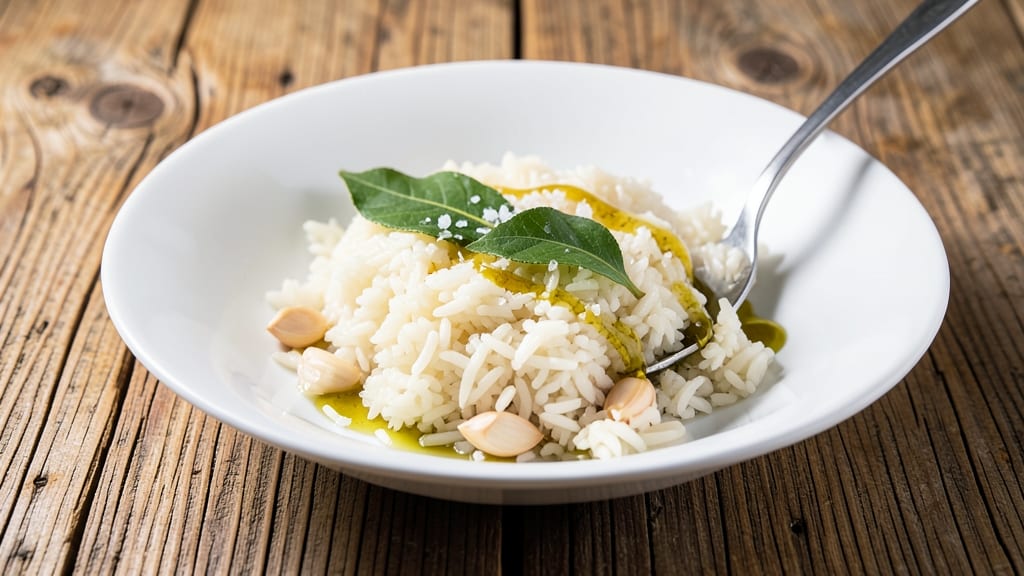
A boiled rice recipe offers endless ideas, and mastering this simple technique transforms ordinary grains into a fluffy, aromatic base for everything from stir-fries to tacos.
The secret lies in the water ratio—use 1 cup of rice to 1.5 cups of water—and let it simmer undisturbed for 15 minutes after boiling. This method ensures every grain absorbs moisture evenly, resulting in perfectly tender, separate kernels without sticking.
Once cooked, the possibilities are endless: serve as a side for grilled proteins, a bed for stir-fried vegetables, or even as a base for rice bowls with toppings like avocado, pickled ginger, or a drizzle of soy sauce.
The key to keeping rice fluffy lies in spreading it out on a tray after cooking to prevent clumping. For added flavor, consider infusing the water with a bay leaf, garlic clove, or pinch of salt before cooking—subtle enhancements that elevate the dish without overpowering.
Ingredients for boiled rice recipe ideas
Mastering this fluffy rice technique unlocks 10 versatile meal foundations—simple yet transformative.
| Ingredient | Amount | Notes |
|---|---|---|
| Long-Grain White Rice 🍚 | 4 cups | Uncooked, rinsed thoroughly |
| Water 💧 | 6 cups | Room temperature preferred |
| Bay Leaves 🌿 | 2 whole | Fresh or dried, removed after cooking |
| Garlic Cloves 🧄 | 3 cloves | Smashed lightly for infusion |
| Kosher Salt 🧂 | 1 ½ tsp | Diamond Crystal preferred |
| Extra-Virgin Olive Oil 🫒 | ¼ cup | For finishing drizzle |
| Soy Sauce 🍶 | ½ cup | For flavor variations |
| Avocado 🥑 | 2 whole | Ripe, sliced for toppings |
| Pickled Ginger 🍋 | ¼ cup | Thinly sliced for garnish |
| Sesame Seeds 🌱 | 1 tbsp | Toasted for crunch |
| Fresh Cilantro 🌿 | ¼ cup | Chopped for garnish |
| Lime Wedges 🍋 | 2 whole | For serving |
The rice quality is non-negotiable—jasmine or basmati from Whole Foods bulk bins delivers the best texture. Rinse each grain individually until water runs clear to remove excess starch, which prevents clumping. For the infusion, garlic cloves should be lightly smashed to release flavor without turning bitter. Bay leaves add depth without overpowering; remove them promptly to avoid bitterness. If using dried bay leaves, one leaf equals two fresh—adjust accordingly. The water-to-rice ratio is critical: 1.5 cups water per 1 cup rice ensures even cooking without mushiness.
No fresh bay leaves? Dried works at half the amount, but toast them briefly in a dry pan first to enhance aroma. Running short on garlic? Garlic powder at one-third the amount suffices, though fresh is ideal. For the soy sauce, low-sodium versions prevent over-salting the rice base. Avocados should be ripe but firm—press gently near the stem; if it yields slightly, it's perfect. Pickled ginger can be substituted with quick-pickled cucumbers for a tangy crunch. Sesame seeds need toasting: heat in a dry skillet for 1-2 minutes until golden for maximum flavor. Fresh cilantro can be swapped for dried at one-tenth the amount, though fresh is brighter.
Cooked rice stays fluffy for up to 45 minutes if spread on a tray to cool. For longer storage, refrigerate in an airtight container for 4-5 days or freeze for 3 months—reheat with a splash of water to restore texture. The infused water can be saved for soups or sauces, but discard the bay leaves and garlic after use. To maintain crispness, store toppings like avocado separately and add just before serving. For meal prep, cook the rice base first, then portion toppings in small containers to assemble fresh.
Why You'll Love This Recipe
- Pantry Magic: I swear by this recipe when I’ve got nothing but basics. Two ingredients—rice and water—plus a couple of pantry staples (bay leaves, garlic) turn into something that tastes like it was simmered for hours. No fancy ratios, no guesswork—just measure, boil, and let the rice do its thing.
- Garlic Kiss: That first whiff of garlic and bay leaves steeping in the water? Pure aroma therapy. The rice soaks up just enough flavor to be interesting but not overpowering—like a warm hug for your taste buds. Honestly, I’ll add extra garlic if I’m feeling bold.
- Leftovers Rescue: This rice keeps like a champ. Reheat it for fried rice the next day, toss it into a burrito bowl, or serve it alongside anything. It’s my go-to when I’ve cooked too much protein and need something neutral but satisfying to balance the plate.
- Budget Blank Canvas: Between us, rice is the ultimate cheap flex. A single batch feeds my family of four and costs less than takeout. The bay leaves and garlic elevate it without breaking the bank—proof that flavor doesn’t need a price tag. (Yes, even on a Tuesday night.)
Step-by-step instructions for perfectly fluffy boiled rice
Master this foundational technique once, then transform it into 10 distinct meals.
Prepare the Rice and Aromatics
Rinse the 4 cups of long-grain white rice under cold water in a fine-mesh strainer until the water runs clear. This removes excess starch that would make the rice gummy. In a medium saucepan, combine the rinsed rice with the 6 cups of water, the 2 whole bay leaves, and the 3 smashed garlic cloves. Bring to a boil over high heat.
Once boiling vigorously, immediately reduce heat to low and maintain a gentle simmer. The key here is consistent heat—too high will cook the rice unevenly, too low will leave it undercooked. You'll see small bubbles breaking the surface, but not a rolling boil. This simmering phase is where the rice absorbs water evenly and develops its signature fluffiness.
Season and Simmer to Perfection
Add the 1.5 teaspoons of kosher salt to the simmering rice. Stir gently once to distribute the seasoning, then let it cook undisturbed. Cover the saucepan tightly with a lid and cook for 15 minutes. This initial cooking time allows the rice to absorb most of the water and begin gelatinizing.
After 15 minutes, check the rice by lifting a grain with a fork. It should be tender but still slightly firm in the center with a tiny bite of resistance. If it's already too soft, reduce the cooking time slightly next time. The rice should never be mushy at this stage—proper texture comes from the final resting period. Keep the lid on during this entire process to trap steam and prevent water evaporation.
Rest and Fluff the Rice
Remove the saucepan from heat and let the rice sit covered for 10 minutes. This resting period is absolutely critical—it allows the steam to redistribute and the starches to fully set, resulting in perfectly separate grains with a light, airy texture. Resist the urge to peek or stir during this time, as it disrupts the steam circulation.
After resting, gently fluff the rice with a fork, being careful not to mash the grains. The rice should now be completely tender with no hard centers, and each grain should be distinct and separate. If you find any grains sticking together, simply separate them with your fingers—they'll come apart easily at this stage. Transfer the rice to a serving bowl and set aside for your meal preparations.
Prepare Garnishes and Toppings
While the rice rests, prepare the toppings that will transform this basic rice into 10 different meals. Toast the 1 tablespoon of sesame seeds in a dry skillet over medium heat for 2 minutes until golden and fragrant. Chop the 0.25 cup of fresh cilantro and slice the 0.25 cup of pickled ginger. Keep these toppings separate until ready to serve.
Slice the 2 whole avocados and arrange them on a plate with the 2 lime wedges. These will serve as fresh, vibrant components for your rice bowls. The 0.25 cup of extra-virgin olive oil can be drizzled over finished dishes for richness, while the 0.5 cup of soy sauce can be used for seasoning variations. Each topping adds a different dimension—creamy avocado, tangy lime, crunchy sesame, fresh cilantro, and the bright acidity of pickled ginger.
Assemble Your Rice Bowls
Divide the fluffy rice among 10 serving bowls. For each bowl, you'll use approximately 0.4 cups of rice. Add your choice of protein, vegetables, or other main components first, then top with the rice to prevent it from becoming soggy. For example, a simple bowl might feature rice topped with sliced avocado, pickled ginger, sesame seeds, and a drizzle of soy sauce.
Finish each serving with a squeeze of lime juice from the lime wedges, a sprinkle of sesame seeds, and fresh cilantro. The lime brightens the flavors, the sesame adds texture, and the cilantro provides a fresh herbal note. This basic rice preparation can now serve as the foundation for countless meals—from Asian-inspired bowls to Mexican-style plates—simply by changing the toppings and proteins you pair with it.
Pro Tips For Making Boiled Rice Recipe Ideas
- Boil Water First: Fill your pot with water, salt it before adding rice, and bring it to a rolling boil—no half-measures. Cold water + rice = uneven cooking and gummy grains. I learned this the hard way after a batch of sad, clumpy rice that tasted like glue.
- Toast the Garlic: Smash those garlic cloves flat, then fry them in a dry pan for 30 seconds until fragrant and just golden. Toss them into the rice pot with the bay leaves—this adds depth instead of just a raw garlic punch. (Yes, even if you’re impatient like me.)
- Don’t Stir the Rice: The moment you add rice to boiling water, walk away. Stirring breaks the grains and turns them mushy. Let it cook undisturbed for the first 10 minutes, then gently fluff with a fork at the end. Your future self will thank you.
- Use a Pinch of Oil: Toss in 1 teaspoon of neutral oil (like vegetable or canola) with the salted water—it prevents the rice from sticking to the pot and keeps each grain separate. Sounds weird, but it works: no scraping burnt rice off the bottom ever again.
Dietary considerations for these flavors
Gluten-Free Adaptations
This boiled rice recipe is naturally gluten-free, making it perfect for those with celiac disease or gluten sensitivity. Stick to certified gluten-free rice varieties like jasmine or basmati from trusted brands like Lundberg Family Farms or Whole Foods bulk section.
Always check labels for cross-contamination warnings, especially if using pre-packaged rice. The aromatics—bay leaves, garlic, and salt—are also gluten-free, so no substitutions are needed here. 🌱
Low-Carb Options
For a lower-carb version, consider using cauliflower rice instead of traditional white rice. The ratio remains the same—1 cup cauliflower rice to 1.5 cups water—but cook it for only 8-10 minutes over medium-low heat.
Rinse the cauliflower rice thoroughly to remove excess moisture, then proceed with the same aromatics. This swap cuts carbs dramatically while keeping the dish light and flavorful.
Allergen-Friendly Swaps
If you're avoiding soy, replace the soy sauce with coconut aminos or a tamari (gluten-free soy sauce alternative). For those with sesame allergies, omit the sesame seeds and swap for toasted pumpkin seeds or crushed pistachios for crunch.
Always double-check labels on pre-packaged ingredients like pickled ginger or avocado slices (some brands add soy or sesame).
Dairy-Free and Vegan
This recipe is already dairy-free and vegan-friendly, but you can enhance it further by using nutritional yeast for a cheesy flavor in bowls. For extra richness, drizzle with tahini instead of olive oil.
All the toppings—avocado, lime, cilantro, and pickled ginger—are naturally plant-based, so no adjustments are needed beyond your preferred protein (e.g., tofu, tempeh, or grilled mushrooms).
Protein-Packed Additions
Boost the nutritional profile by mixing in black beans, lentils, or chickpeas while cooking. Use a 1:1 ratio (e.g., 2 cups rice + 2 cups cooked beans). For extra protein, top with grilled chicken, shrimp, or edamame.
If you're vegetarian, crumbled tofu or marinated seitan work beautifully. These additions keep the dish hearty while maintaining the fluffy texture of the rice base. 💪
Kid-Friendly Variations
Make this rice more appealing to picky eaters by adding steamed carrots, peas, or corn to the pot during the last 5 minutes of cooking. For a fun twist, let kids assemble their own bowls with colorful toppings like shredded cheese, diced ham, or sweet corn.
Serve with mild sauces like honey mustard or ketchup on the side for dipping. The mild flavors of the infused rice make it a great canvas for kid-friendly customization.
Nutrition facts
Frequently asked questions
Why does my boiled rice turn out mushy?
The most common causes are using too much water (1.5 cups per 1 cup rice is key) or lifting the lid while cooking. Always let the rice rest 10 minutes covered after cooking—this crucial step lets steam redistribute for perfect texture. For extra insurance, fluff with a fork immediately after resting.
Can I cook rice in a rice cooker instead of a pot?
Use the same 1:1.5 rice-to-water ratio and follow your cooker's instructions. Most rice cookers have a "white rice" setting that automatically handles the timing. For infused flavor, add aromatics like bay leaves or garlic to the water before starting. The cooker's even heat distribution makes it perfect for foolproof results.
How do I prevent rice from sticking together?
Rinse the rice thoroughly before cooking to remove excess starch—the main culprit for clumping. After cooking, spread the rice on a tray to cool instead of keeping it in the pot. For extra separation, add a pinch of salt to the water (it helps break down starch). If grains do stick, gently fluff with a fork while still warm.
What are the best proteins to pair with boiled rice?
Grilled chicken, shrimp, or tofu work beautifully with this versatile base. For Mexican-inspired bowls, try black beans and corn. Asian-style pairings could include teriyaki-glazed salmon or crispy pork belly. The key is to cook proteins separately and add them to bowls after the rice is ready to keep it fluffy.
How long can I store cooked rice?
Keep cooked rice fresh for 4-5 days in an airtight container in the refrigerator. For longer storage, freeze for up to 3 months. When reheating, add a splash of water and cover to restore moisture. Never reheat rice more than once to prevent bacterial growth.