
Main Courses
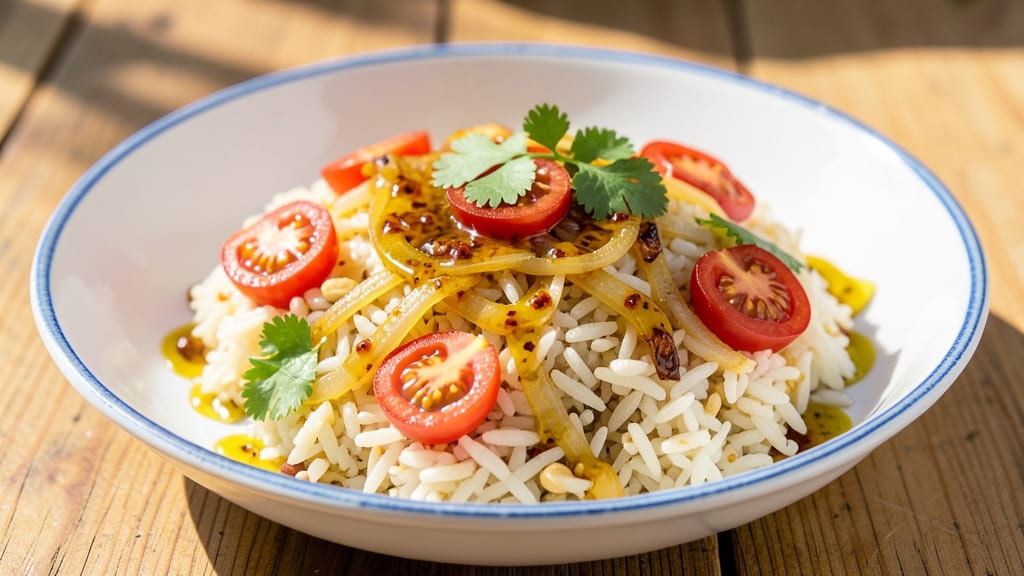
This Bolivian rice recipe transforms humble ingredients into a vibrant, one-pot dish where aji amarillo—a bright yellow chili paste—infuses every grain with zesty depth. The secret lies in slow-toasting spices until fragrant, then simmering rice with tomatoes, garlic, and cilantro until tender and infused with earthy cumin.
What starts as a simple pot of rice becomes a flavor-packed centerpiece that pairs perfectly with grilled meats or stands alone as a hearty meal.
The magic happens in layers: first, the spices bloom in oil until aromatic, then the rice absorbs the rich tomato-chili base as it cooks. By the final stir, you’ll have golden, fragrant rice with a subtle heat that lingers—just like the dishes served in Bolivian kitchens.
This recipe delivers restaurant-quality results in one pot, with minimal cleanup and maximum flavor. Ready to bring a taste of the Andes to your table?
Ingredients for bolivian rice
Golden rice infused with aji amarillo's vibrant heat—where simple grains transform into a complex, aromatic dish.
| Ingredient | Amount | Notes |
|---|---|---|
| Long-Grain White Rice 🍚 | 1 ½ cups | Uncooked, rinsed thoroughly |
| Aji Amarillo Paste 🌶️ | 2 tbsp | Authentic Bolivian chili paste |
| Ripe Tomatoes 🍅 | 2 medium | OR 1 cup diced canned tomatoes |
| Extra-Virgin Olive Oil 🫒 | ½ cup | For toasting spices |
| Yellow Onion 🧅 | 1 medium | Diced, about 1 cup |
| Garlic Cloves 🧄 | 4 cloves | Minced, for aromatic base |
| Ground Cumin 🌿 | 1 tbsp | Toasted for earthy depth |
| Ground Coriander 🌿 | 1 tbsp | For citrusy brightness |
| Fresh Cilantro 🌿 | ¼ cup | Chopped, stems removed |
| Fresh Parsley 🌿 | 0.15 cup | Chopped, for garnish |
| Chicken Broth 💧 | 2 cups | Low-sodium preferred |
| Bay Leaves 🍃 | 2 whole | For subtle herbal notes |
| Salt 🧂 | 1 ½ tsp | Diamond Crystal preferred |
| Black Pepper 🌶️ | ½ tsp | Freshly ground for heat |
The aji amarillo paste is non-negotiable for authentic flavor—La Costena or La Chola brands are available at Latin markets or online, but don't substitute with regular chili powder. For tomatoes, San Marzano canned tomatoes work beautifully if fresh aren't available, but their sweetness complements the chili's heat perfectly. The rice should be long-grain white—jasmine or basmati won't absorb the flavors the same way. Toast your spices in the olive oil until fragrant; this step develops their full complexity and forms the aromatic base for the entire dish. If you're short on time, pre-toasted cumin and coriander blends from specialty stores work too.
No aji amarillo? Combine 1 tbsp yellow chili powder with 1 tsp turmeric for a pale approximation, though the flavor won't be identical. Substituting canned tomatoes? Drain them well to avoid a watery rice. Fresh cilantro and parsley can be swapped for 1 tbsp dried cilantro and parsley combined, but fresh is preferred for that bright finish. The chicken broth can be replaced with vegetable broth for a vegetarian version, though the flavor will be slightly different. For extra richness, add 1 tbsp tomato paste with the tomatoes—it deepens the color and concentration of flavors without overpowering the dish.
This rice reheats beautifully—simply add a splash of water or broth and cover until warmed through. It keeps well in the fridge for 4-5 days in an airtight container, though the flavors deepen after the first day. For longer storage, freeze portions for up to 3 months. The aji amarillo paste can be stored in the fridge for up to 6 months once opened, so buy a larger quantity if you plan to make this recipe frequently. Garnish with extra cilantro and parsley just before serving to maintain those bright, fresh notes that make this dish so vibrant.
Why You'll Love This Recipe
- One-Pot Magic: That’s right—just rice, tomatoes, and a little fire from the aji amarillo. No separate pans, no constant stirring. I toss everything in, let it simmer, and walk away. The rice soaks up that smoky paste like a sponge, turning into something rich without a single extra dish.
- Smoky Secret Weapon: Honestly, the aji amarillo is the star. It’s not spicy in the heat way—more like a warm, earthy hug with a hint of citrus. Pair that with ripe tomatoes and olive oil, and you’ve got a sauce that clings to every grain. My husband licks his plate. (Yes, even on a Tuesday night.)
- Weeknight Workhorse: This rice is my go-to when I’m feeding a crowd or just myself. Double the batch, and it’s still perfect for lunches—cold or reheated. It’s the kind of dish that makes you look like a pro, even when you’re winging it.
- Budget-Friendly Luxury: Long-grain rice and tomatoes? Check. A small jar of aji amarillo paste lasts forever. I’ve made this for $2 a serving, and it tastes like I spent hours in the kitchen. The kind of deal that makes you want to cook more.
Step-by-step instructions for Bolivian aji amarillo rice
Master this vibrant Bolivian dish with its signature zesty aji amarillo sauce in a single pot.
Toast the Spices and Build the Aromatic Base
Heat the 0.5 cup extra-virgin olive oil in a heavy-bottomed pot over medium heat. Add the 1 medium diced yellow onion and cook for 5 minutes until soft and translucent. The onions should release their sweetness and begin to caramelize slightly at the edges.
Add the 4 minced garlic cloves and cook for 30 seconds until fragrant—don't let them brown, or they'll turn bitter. Stir in the 1 tbsp ground cumin and 1 tbsp ground coriander, toasting them for 1 minute until aromatic. This step develops the complex earthy flavors that define Bolivian cuisine. The spices should smell warm and inviting, not burnt.
Develop the Aji Amarillo Sauce
Lower the heat to medium-low and add the 2 tbsp aji amarillo paste, stirring constantly for 2 minutes to fully incorporate. The paste will darken slightly as it melts into the oil. Add the 2 medium ripe tomatoes (or 1 cup diced canned tomatoes) and cook for 5 minutes until they break down into a chunky sauce.
Here's the thing—aji amarillo has a distinct citrusy heat that's milder than chili powder but more complex. If you're using fresh tomatoes, crush them slightly with your hands before adding to help them dissolve faster. The sauce should thicken slightly but remain vibrant, not dry or pasty.
Cook the Rice with Perfect Texture
Add the 1.5 cups long-grain white rice (previously rinsed thoroughly) and stir to coat evenly with the sauce. Pour in the 2 cups chicken broth, add the 1.5 tsp salt, 0.5 tsp black pepper, and 2 whole bay leaves, then bring to a gentle boil. Once boiling, reduce heat to low and cover tightly with a lid.
Cook for 15 minutes undisturbed—this allows the rice to absorb liquid evenly without sticking. After 15 minutes, check the rice. It should be nearly tender but still slightly firm in the center. If the rice is too dry, add 2 tablespoons hot chicken broth through the lid to maintain moisture.
Finish with Fresh Herbs and Rest
Remove the pot from heat and let it sit covered for 5 minutes. This resting period allows the rice to finish steaming and develop its signature fluffy texture. Stir in the 0.25 cup chopped fresh cilantro and 0.15 cup chopped fresh parsley, reserving a small amount for garnish. The herbs should be distributed evenly throughout the rice.
For the best results, serve immediately while the rice is still warm. The aji amarillo sauce should coat each grain, delivering a bright, slightly spicy kick with every bite. The bay leaves can be removed before serving if desired, though they add subtle herbal depth.
Pro Tips For Making Bolivian Rice
- SOFTEN THE ONION FIRST: I learned this the hard way—raw onion in the aji amarillo sauce makes the whole dish taste bitter. Finely chop the onion and cook it in olive oil until it’s translucent and slightly sweet before adding tomatoes or paste. This step actually changes the flavor profile, turning harshness into depth.
- USE A SPLASH OF WATER: The aji amarillo paste is potent, and if you skip this, your rice can turn mushy or overly acidic. After mixing the paste with tomatoes and onions, add just ¼ cup of water to the sauce—enough to loosen it without thinning it out. This guarantees even distribution when you stir it into the rice later.
- COOK THE RICE IN TWO STAGES: Start with high heat to toast the rice for 2 minutes—this locks in flavor. Then lower to medium-low and cover with a tight lid, letting it steam for 15 minutes. The first stage prevents soggy rice, while the second ensures even cooking without burning.
- STIR IN THE SAUCE AT THE END: I was skeptical until I tried it—adding the aji amarillo-tomato mixture to the rice at the very end (after the initial 15 minutes of cooking) keeps the grains distinct and prevents them from turning gluey. Just fold it in gently with a fork right before serving.
Creative variations of this dish
Protein-Packed Additions
Transform this rice into a complete meal by stirring in 1 cup cooked chicken breast or ½ lb shredded beef during the final 5 minutes of cooking. For extra richness, add ½ cup black beans or ½ cup corn kernels—both are staples in Bolivian cuisine.
I like to use leftover grilled chicken to keep prep simple while adding hearty texture. 🍗
Vegetarian Twist
Skip the meat entirely and boost this dish with 1 cup roasted bell peppers and ½ cup diced zucchini cooked down with the onions. Add ½ cup crumbled feta cheese at the end for a Greek-Bolivian fusion that’s surprisingly balanced.
The aji amarillo’s citrusy heat pairs beautifully with the tangy feta. 🌱
Spicy Variations
For extra heat, add ½ tsp cayenne pepper with the spices or top with 1 tbsp sliced jalapeños before serving. If you love smoky flavors, stir in 1 tsp smoked paprika during the spice toasting step.
I find that aji amarillo’s natural warmth stands up well to additional heat, so go bold! 🌶️
Regional Adaptations
In the highlands, Bolivians often add ½ cup dried peas or habas (broad beans) for a rustic touch. For a coastal-inspired version, swap the chicken broth for 2 cups seafood stock and stir in ½ cup shrimp after cooking. The briny notes complement the aji amarillo beautifully. 🌊
Herb Swaps
No cilantro? Use ¼ cup chopped mint or 2 tbsp dried oregano for a different but equally vibrant finish. For a sweeter note, stir in 1 tbsp honey with the aji amarillo paste before adding tomatoes. The honey mellows the heat while adding depth. 🌿
Make-Ahead Magic
This rice reheats like a dream—simply add 2 tbsp water per cup of rice and cover for 5 minutes on the stove. For extra flavor, reheat with 1 tbsp butter or a splash of broth.
I love making a big batch on Sundays to use all week in tacos, bowls, or alongside grilled meats. ✨
Nutrition facts
Frequently asked questions
What makes Bolivian rice different from other Latin American rice dishes?
The star ingredient is aji amarillo, a bright yellow chili paste that gives this rice its signature citrusy heat and vibrant color. Unlike Mexican or Puerto Rican rice, Bolivian versions use cumin and coriander for earthy depth, plus fresh herbs like cilantro and parsley for brightness. The slow-toasted spices create a complex aromatic base that's distinct from simpler tomato-based Latin rice dishes.
Can I substitute aji amarillo with regular chili powder?
Not ideally—aji amarillo has a unique citrusy, slightly sweet heat that chili powder can't replicate. For a pale substitute, mix 1 tbsp yellow chili powder with 1 tsp turmeric for color, but the flavor won't be identical. The dish will still be spicy, but it'll lack the signature Bolivian brightness. If you're determined to substitute, use ½ tsp smoked paprika instead of turmeric for a deeper flavor.
How do I prevent Bolivian rice from becoming mushy?
Rinse the rice thoroughly before cooking to remove excess starch, then use low heat and long-grain white rice (not basmati or jasmine). After the initial 15 minutes of cooking, check the rice—if it's too dry, add 2 tbsp hot broth through the lid rather than lifting it. The resting period of 5 minutes off the heat is crucial for developing the perfect texture. Never stir the rice while cooking!
What's the best way to store leftover Bolivian rice?
Store in an airtight container in the fridge for 4-5 days or freeze for 3 months. To reheat, add 2 tbsp water per cup of rice and cover for 5 minutes on the stove. For extra flavor, stir in 1 tbsp butter or a splash of broth. The flavors actually improve after the first day as the spices meld further.
Can I make this rice vegetarian?
Swap the chicken broth for vegetable broth and add ½ cup black beans or ½ cup corn during cooking. For extra protein, stir in ½ cup crumbled feta cheese at the end. The aji amarillo's citrusy heat pairs beautifully with roasted bell peppers and zucchini—just cook them down with the onions for a complete vegetarian bowl.