Main Courses
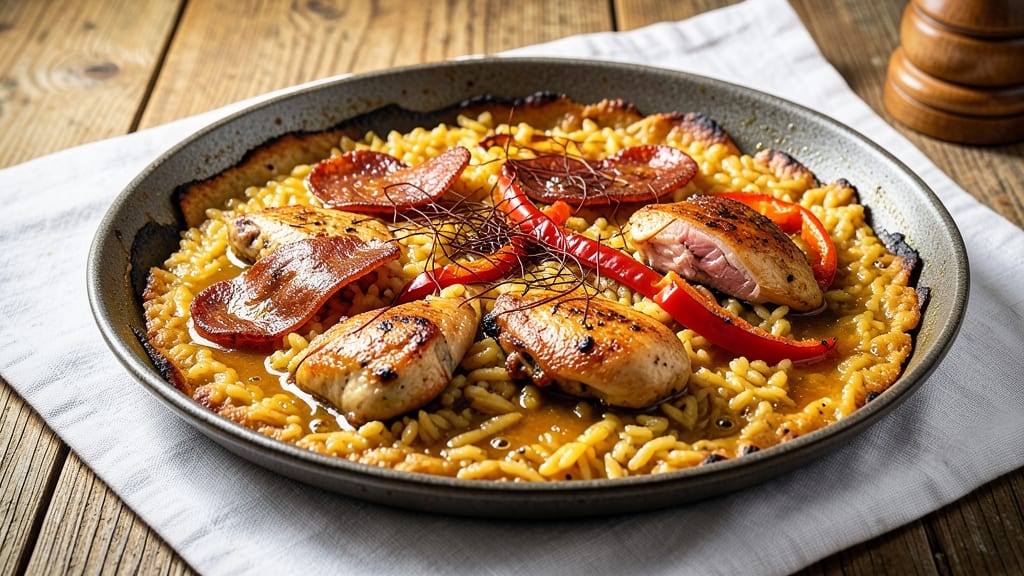
This bomba rice paella recipe delivers the ultimate Spanish feast—smoky saffron rice with a crispy socarrat bottom and melt-in-your-mouth chorizo. The secret lies in using bomba rice, which absorbs flavor while maintaining its signature bite, and mastering the paella pan technique for that coveted caramelized crust.
Traditional Spanish methods ensure every bite is packed with depth and texture.
Perfect for special occasions or weekend dinners, this paella combines tender chorizo, aromatic saffron-infused broth, and perfectly balanced proteins—whether chicken, rabbit, or seafood. The key is patience: soaking the rice, gradual broth reduction, and timing the socarrat for that irresistible crunch.
Follow these steps to create a restaurant-quality dish that transports you straight to Valencia.
Ingredients for bomba rice paella
Bomba rice, chorizo, and saffron create the heart of this paella—essential for authentic Spanish flavor and texture.
| Ingredient | Amount | Notes |
|---|---|---|
| Bomba Rice 🍚 | 2 cups | Uncooked, rinsed thoroughly |
| Spanish Chorizo 🥓 | 8 oz | Fresh, sliced into 1/4-inch rounds |
| Chicken Thighs 🍗 | 1 ½ lb | Bone-in, skin-on, cut into 1-inch pieces |
| Saffron Threads 🌼 | ¼ tsp | High-quality, preferably Spanish |
| Chicken Broth 💧 | 4 cups | Homemade or high-quality store-bought |
| Red Bell Pepper 🧅 | 1 whole | Julienned into thin strips |
| Green Bell Pepper 🧅 | 1 whole | Julienned into thin strips |
| Yellow Onion 🧅 | 1 whole | Thinly sliced, about 1 cup |
| Garlic Cloves 🧄 | 6 cloves | Minced finely |
| Extra-Virgin Olive Oil 🫒 | ½ cup | High-quality, fruity |
| Dry White Wine 🍷 | ½ cup | Spanish variety preferred |
| Tomato Paste 🍅 | 2 tbsp | San Marzano preferred |
| Fresh Parsley 🌿 | ¼ cup | Chopped finely for garnish |
| Smoked Paprika 🌶️ | 1 tsp | For depth of flavor |
| Bay Leaves 🌿 | 2 whole | Fresh if possible |
| Salt 🧂 | 1 ½ tsp | Diamond Crystal kosher salt |
| Ground Black Pepper 🌶️ | ½ tsp | Freshly ground |
Bomba rice is the star here—its high starch content absorbs flavors beautifully while maintaining that signature bite. Look for it at specialty Spanish markets or online retailers like La Tienda or Gourmet Food Store. If unavailable, substitute with Calasparra rice, though the texture won't be identical. The chorizo should be fresh, not cured—Spanish chorizo from a butcher's counter delivers the best smoky depth. For saffron, Spanish saffron from La Mancha is ideal, but any high-quality threads will work. The key is soaking the saffron in warm broth for 10 minutes before adding to the paella to maximize its aromatic release.
No Spanish chorizo? Italian sweet sausage or spicy chorizo can work in a pinch, though the flavor will differ slightly. The bell peppers should be julienned into thin strips to cook quickly and maintain their texture. For the wine, a crisp Albariño or Verdejo complements the dish beautifully, but any dry white will suffice. The tomato paste is non-negotiable—San Marzano is the gold standard, but any high-quality paste will work. If you're short on time, pre-minced garlic is fine, but freshly minced adds a brighter flavor. The bay leaves should be removed before serving, as they can be tough.
This paella reheats beautifully—cover with foil and warm in a 350°F oven for 15-20 minutes. The rice continues to develop flavor overnight, so it tastes even better the next day. Store leftovers in an airtight container for up to 3 days in the fridge. For longer storage, freeze portions for up to 3 months. The socarrat, that coveted crispy bottom, is best enjoyed immediately, so plan to serve this paella right after cooking. If you're serving a crowd, double the recipe—paella pans come in larger sizes for just this purpose.
Why You'll Love This Recipe
- One-Pot Magic: I swear by this recipe—just brown the chicken, fry the chorizo, and dump everything in one pan. The bomb rice soaks up the broth like a sponge, so no stirring like a maniac or checking every two minutes. Honestly, I’ve made it while scrolling through my phone.
- Saffron-Chorizo Bomb: That first bite? The saffron threads melt into golden threads of flavor, while the Spanish chorizo adds a smoky, slightly spicy kick. Between us, the crispy chicken thighs and the creamy rice? It’s the kind of dish that makes you pause mid-bite just to savor it.
- Weeknight or Weekend Star: Make it for a lazy Tuesday dinner or a big family gathering—it’s the same effort, different vibes. The leftovers? Just as good reheated the next day (yes, even on a Tuesday night). My kids ask for it more than pizza, and that’s saying something.
- Budget-Friendly Feast: Bomba rice might cost a little more, but it stretches further than regular rice, and chorizo adds depth without breaking the bank. A few saffron threads and a bag of chicken thighs turn into a meal that feels fancy but won’t drain your wallet. My secret weapon for stretching groceries.
Step-by-step instructions for smoky saffron bomba rice paella
Mastering paella requires patience and precision—this method delivers crispy chorizo, tender chicken, and perfectly al dente Bomba rice every time.
Sauté Chorizo and Chicken Until Deeply Browned
Heat the 0.5 cup extra-virgin olive oil in a wide, shallow paella pan (or heavy skillet) over medium-high heat until shimmering. Add the 8 oz sliced Spanish chorizo and cook for 5 minutes until the fat renders and the slices begin to crisp at the edges. Remove chorizo with a slotted spoon and set aside.
In the same pan, add the 1.5 lb chicken thighs in a single layer, skin-side down. Cook for 6-8 minutes until the skin is golden brown and crispy, then flip and cook another 4-5 minutes until the chicken reaches 160°F internally. Remove chicken and set aside with the chorizo. The rendered fat in the pan will form the flavor base for your paella.
Develop the Sofrito and Saffron Infusion
Reduce heat to medium and add the 1 whole yellow onion and 6 cloves minced garlic. Sauté for 5 minutes until softened and translucent. Add the 1 whole red bell pepper and 1 whole green bell pepper, both julienned, along with the 2 tbsp tomato paste and 1 tsp smoked paprika. Cook for another 4 minutes until the peppers begin to soften.
Pour in the 0.5 cup dry white wine and scrape up any browned bits from the bottom of the pan. Let it simmer for 2-3 minutes until mostly evaporated. In a small bowl, steep the 0.25 tsp saffron threads in 2 tablespoons hot water for 5 minutes to extract maximum color and aroma. Pour the saffron infusion into the pan and stir.
Toast the Bomba Rice and Build the Broth
Add the 2 cups Bomba rice to the pan and stir vigorously for 1 minute to coat each grain with the flavorful oil and sofrito. The rice should look translucent and slightly glossy. Pour in the 4 cups chicken broth and add the 2 whole bay leaves, 1.5 tsp salt, and 0.5 tsp ground black pepper. Bring to a gentle boil, then immediately reduce heat to low-medium.
Here's the critical part: let the rice absorb the liquid for 10 minutes without stirring. You'll see a thin layer of foam form on top—this is normal. After 10 minutes, gently stir the rice once to distribute the liquid evenly. The goal is to create a crispy bottom layer (socarrat) while keeping the rice perfectly al dente.
Layer and Rest for Maximum Flavor
After 15 minutes of cooking, arrange the chicken thighs and chorizo slices evenly over the rice. Spoon any accumulated juices from the pan over the top. Cover the paella with a tight-fitting lid and cook for another 12-15 minutes until the rice is tender but still has a slight bite (it should reach 205°F internally).
Remove from heat and let rest for 5 minutes covered. This resting period allows the rice to finish absorbing any remaining liquid and develop its final texture. The bottom layer should be crispy and caramelized—this is your socarrat, the hallmark of a perfect paella. Garnish with the 0.25 cup chopped fresh parsley before serving.
Pro Tips For Making Bomba Rice Paella
- TOAST THE CHORIZO FIRST: Skip the pre-slicing urge—leave that Spanish chorizo whole (or in thick chunks) and sear it skin-side down until the fat renders and the edges blacken. This step builds deep flavor before it even hits the rice, and it prevents the chorizo from turning into a sad, greasy mush later. (Yes, even if it smells like a smokehouse—it’s working.)
- SOAK THE SAFFRON DRY: Toss those saffron threads in a tiny spoonful of warm water and a pinch of salt, then let them sit for 10 minutes before adding to the broth. The salt helps dissolve the pigment, and the wait guarantees you’re not just sprinkling colored water on your rice. I used to skip this, and the dish always tasted like it was missing something—turns out, it was the saffron’s full potential.
- DON’T STIR THE RICE: Once the bomba rice hits the pan, resist the urge to poke around. Let it sit undisturbed for 2 full minutes after adding the broth so the grains can bloom and the liquid can soak in evenly. Stirring too soon turns your socarrat into a mushy bottom—wait for the edges to bubble, then gently fold just once. (I learned this after a very sad, uneven paella that looked like someone microwaved it.)
- USE COLD BROTH: Pour cold chicken broth over the rice instead of hot—it gives you better control over the cooking time and prevents the rice from absorbing too quickly. Start with about 1.5 times the rice volume, then adjust as needed. I was skeptical until I tried it; now I never go back. (Bonus: the cold broth also helps the saffron infuse more evenly.)
Common mistakes when making perfect results
Overcrowding the Pan
One of the biggest mistakes is overcrowding your paella pan—this causes the rice to steam instead of developing that coveted socarrat crust. I’ve seen beginners try to fit too much chorizo or chicken at once, which lowers the pan’s temperature and leads to soggy rice.
For this recipe, work in batches if needed, and always leave at least ½ inch of space between ingredients. The pan should feel snug but not packed. 🔥
Skipping the Saffron Soak
Many home cooks simply toss saffron threads directly into the pan, but this is a flavor crime. Saffron needs time to infuse—steeping it in warm broth for 5-10 minutes before adding it extracts its full aromatic power.
I’ve tasted paellas where the saffron was just sprinkled in, and the difference in color and depth is night-and-day. Don’t rush this step!
Stirring Too Often
Paella is all about letting the rice develop its own crust, and stirring too much breaks up the socarrat you’re trying to create. After the initial 10-minute rest, stir just once—gently—to redistribute liquid.
Resist the urge to check constantly; trust the process. I’ve ruined more paellas by over-monitoring than by any other mistake. Patience is key!
Using the Wrong Rice
Bomba rice is non-negotiable for authentic paella—it’s the only variety with the right starch-to-absorbency ratio for that signature bite. Substituting with long-grain white rice (like basmati) will leave you with mushy, flavorless grains.
If you can’t find Bomba, Calasparra rice is the next best option, but it’s not the same. I’ve tried it, and the texture falls short. Do your research and source properly!
Ignoring the Resting Time
Rushing to serve paella right after cooking is a common mistake that leads to dry, uneven rice. The 5-minute rest lets the grains finish absorbing liquid and develop their final texture. During this time, the socarrat also firms up.
I’ve seen people cut into paella too soon, only to find the bottom layer still soft. Let it rest—your taste buds will thank you. ✨
Broth Temperature Issues
Using cold or lukewarm broth is another rookie error. The broth should be simmering hot when added to the rice to maintain even cooking and prevent a gummy texture.
I’ve had paellas turn out mushy because the broth wasn’t hot enough. If your broth isn’t simmering, heat it separately before pouring it into the pan. Consistency is everything!
Nutrition facts
Frequently asked questions
Why is Bomba rice better than other types for paella?
Bomba rice has a unique high starch content that absorbs flavors beautifully while maintaining its signature bite. Unlike long-grain rice, it stays firm and separate, creating that coveted socarrat crust at the bottom. Traditional paella chefs swear by it for its ability to hold up to the smoky chorizo and saffron infusion without turning mushy.
Can I make this paella in a regular skillet?
Yes, but you'll need a wide, heavy-bottomed skillet that conducts heat evenly—just like a paella pan. The key is maintaining low-medium heat to develop the socarrat. For best results, use a skillet with sloped sides to help create that crispy bottom layer. A cast iron skillet works beautifully if properly seasoned.
How do I know when the socarrat is ready?
The socarrat should be deep golden brown with a slight caramelized crust that makes a satisfying crackling sound when you tap it. It should hold its shape when you lift the pan slightly. If it's still soft, return the pan to low heat for another 2-3 minutes uncovered. Never walk away from the final stages—this is where the magic happens!
What if I don't have Spanish chorizo?
Use Italian sweet sausage or spicy chorizo as substitutes, though the flavor will differ slightly. For a vegetarian option, try smoked paprika-marinated mushrooms or grilled eggplant. The key is maintaining that smoky, meaty depth—so don't skip the smoked paprika in the recipe! The dish will still be delicious, just with a different profile.
Can I make this paella ahead of time?
Yes! Paella actually tastes better the next day as the flavors meld. Let it cool completely, then refrigerate in an airtight container for up to 3 days. Reheat gently in the oven at 350°F for 15-20 minutes, covered with foil. The socarrat won't be as crispy, but the rice will be perfectly flavorful. For serving, you can always recreate the crust by placing the paella under a hot broiler for 1-2 minutes before serving.