
Main Courses
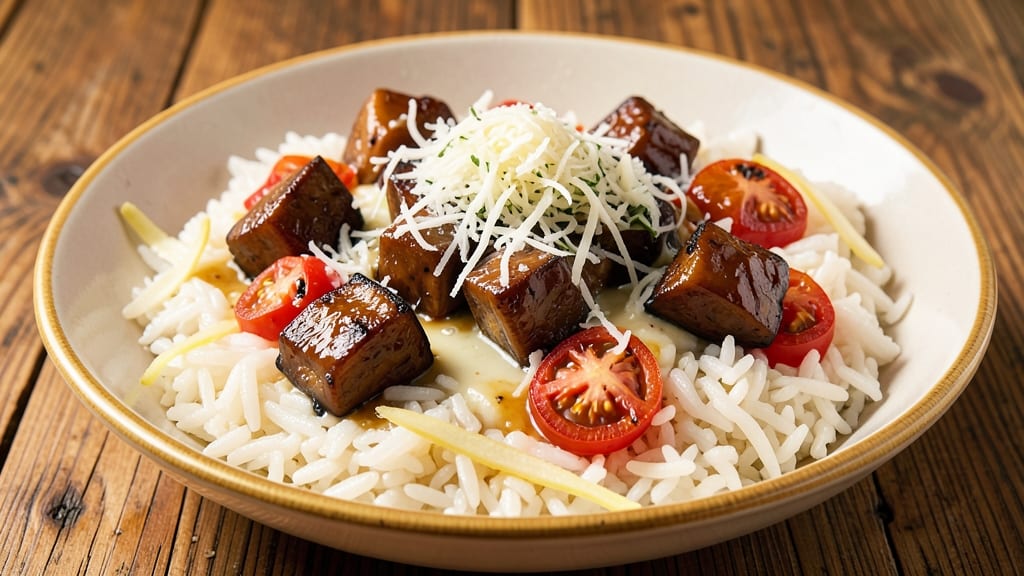
This brinjal rice recipe in Tamil transforms simple ingredients into a fragrant, one-pot masterpiece that captures the heart of South Indian home cooking. The secret lies in slow-cooked eggplant infused with coconut and aromatic spices, simmered until tender and smoky—just like your ammu used to make.
Every bite delivers the perfect balance of creamy coconut, earthy brinjal, and the subtle tang of tamarind.
The beauty of this dish is its simplicity: rice and eggplant cook together in a single pot, absorbing flavors as they go. No complicated techniques—just a few key steps that result in a meal so satisfying it becomes your new weeknight staple.
The tempering at the end adds that signature South Indian crunch, making each mouthful unforgettable. Ready to bring this classic home?
Ingredients for brinjal rice recipe in tamil
Simple yet transformative ingredients that create South Indian comfort in one aromatic pot.
| Ingredient | Amount | Notes |
|---|---|---|
| Long-Grain White Rice 🍚 | 1 cup | Uncooked, rinsed thoroughly |
| Brinjal (Eggplant) 🍆 | 1 ½ lb | Medium-sized, peeled and cubed |
| Coconut Milk 🥥 | 1 can (13.5 oz) | Full-fat, unsweetened preferred |
| Medium Tomatoes 🍅 | 2 whole | Roughly chopped, skin removed |
| Fresh Coconut (Grated) 🥥 | ½ cup | Freshly grated or frozen |
| Ginger 🧄 | 1 inch | Fresh, peeled and grated |
| Green Chilies 🌶️ | 2 whole | Slit lengthwise, seeds removed |
| Mustard Seeds 🌱 | ½ tbsp | For tempering, optional |
| Curry Leaves 🌿 | ¼ cup | Fresh, torn, not chopped |
| Tamarind Paste 🍈 | 1 tbsp | Adjust for tanginess |
| Turmeric Powder 🌶️ | ½ tsp | Freshly ground preferred |
| Cumin Seeds 🌿 | ½ tsp | Toasted for aroma |
| Salt 🧂 | 1 tsp | Adjust to taste |
| Asafoetida (Hing) 🌿 | ⅛ tsp | Pinch for authentic flavor |
The brinjal should be medium-sized—about 1.5 lbs—for that perfect tender texture without turning mushy. Local markets often carry fresh, organic eggplants that hold up better to slow cooking. If using store-bought, look for firm, glossy skin with no soft spots. The coconut milk is non-negotiable here—full-fat versions like Goya or Thai Kitchen brands deliver the richest flavor. For the fresh coconut, pre-shredded works in a pinch, but freshly grated (or frozen) gives that authentic, vibrant taste. Indian grocery stores usually stock both options.
No fresh curry leaves? Dried leaves at half the amount work, though the aroma won’t be as vibrant. Substitute tamarind paste with lemon juice if needed, but reduce to 0.5 tbsp—it’s tangier. The ginger must be fresh; bottled paste lacks the zing. For the green chilies, adjust based on heat preference—remove all seeds for mild, leave some for medium heat. Mustard seeds can be skipped entirely if you dislike their bite, but they add that signature South Indian crunch when tempered. Trader Joe’s often carries pre-slit chilies if you’re short on time.
This dish tastes even better the next day as flavors meld. Store in an airtight container for up to 4 days in the fridge. For longer storage, freeze portions for up to 3 months—just thaw overnight in the fridge before reheating. The rice absorbs flavors beautifully, so reheat with a splash of water or coconut milk to restore creaminess. Double the batch and freeze half; it’s perfect for lazy weeknights when you crave that smoky, comforting taste of home.
Why You'll Love This Recipe
- One-Pot Magic: The moment you toss sliced brinjal, rice, and coconut milk together in a single pot, you’ve won half the battle. No chopping boards full of mess—just stir, simmer, and let the flavors meld while you prep something else.
- Coconut-Tomato Crunch: That first bite? The smoky brinjal meets the creamy coconut milk, then—boom—the bright acidity of tomatoes cuts through it all. Honestly, it’s the kind of balance that makes you reach for seconds without thinking.
- Lunchbox Hero: Pack this the next day and watch it transform into a satisfying office meal. The rice stays fluffy, the brinjal holds its shape, and the coconut milk keeps it rich—no sad, soggy leftovers here.
- Budget Bright Spot: Fresh coconut and brinjal might sound fancy, but they stretch farther than you’d expect. A single grated coconut covers two servings, and brinjal absorbs flavors like a sponge—meaning less waste, more flavor per rupee.
Step-by-step instructions for brinjal rice in Tamil-style one-pot
This traditional Tamil preparation transforms humble eggplant into a fragrant, smoky rice dish using just one pot.
Prepare the Brinjal and Tempering Base
Begin by peeling and cubing the 1.5 lb brinjal (eggplant) into 1-inch pieces. Toss them with 0.5 tsp turmeric powder and 1 tsp salt, then set aside. In a heavy-bottomed pot, heat 1 tablespoon oil over medium heat. Add 0.5 tsp cumin seeds and let them sizzle for 30 seconds until fragrant.
Add the 0.5 tbsp mustard seeds and 0.125 tsp asafoetida (hing). The mustard seeds should pop audibly—this indicates they're ready. Immediately stir in the 0.25 cup curry leaves and 2 slit green chilies. The leaves will darken slightly and release their aromatic oils. Cook for 30 seconds until the raw smell disappears.
Cook the Aromatics and Tomatoes
Add the 1-inch grated ginger and sauté for 1 minute until the raw aroma fades. Pour in the 1 tbsp tamarind paste and mix well to dissolve. This step builds the tangy foundation of the dish.
Add the 2 roughly chopped tomatoes and cook for 5-6 minutes until they soften and release their juices. Stir frequently to prevent burning. The mixture should reduce slightly and develop a glossy sheen—this indicates the tomatoes are fully broken down and ready for the next stage.
Combine Brinjal and Coconut Elements
Add the turmeric-marinated brinjal cubes to the pot. Stir gently to coat them in the aromatic masala. Pour in the 1 can (13.5 oz) coconut milk and bring to a gentle simmer. Cover and cook for 10 minutes on medium-low heat, stirring occasionally to prevent sticking.
The brinjal should soften but retain some texture—it should be tender when pierced with a fork but not mushy. Stir in the 0.5 cup grated fresh coconut and cook for an additional 3 minutes. The coconut will release its sweet aroma, blending beautifully with the smoky eggplant.
Cook the Rice to Perfection
Add the 1 cup rinsed long-grain white rice to the pot. Stir gently to distribute the rice evenly among the brinjal and coconut mixture. Pour in 2 cups water (measured separately) and bring to a boil over high heat. Once boiling, reduce heat to low and cover tightly.
Cook for 15 minutes without disturbing. Then reduce heat to lowest setting and cook for another 10 minutes. The rice should be tender with minimal liquid remaining—this indicates proper absorption. If any liquid remains, cover and let it steam for 5 more minutes. The finished dish should have a moist but not soupy texture.
Pro Tips For Making Brinjal Rice Recipe In Tamil
- Salt the Brinjal First: I learned this the hard way—slicing eggplant and tossing it straight into the pan without salting first means soggy, watery brinjal rice. Sprinkle salt on the slices, let them sit for 10 minutes, then rinse and pat dry. This removes bitterness and keeps the texture firm.
- Char the Tomatoes Properly: Medium tomatoes need more than a quick sear—they should darken and split open slightly for depth. Cook them on medium-high heat for 5-6 minutes, stirring occasionally, until they’re almost blackened. This isn’t about burning; it’s about caramelizing the sugars to balance the coconut milk’s sweetness.
- Use Two Coconuts: Skip the pre-shredded coconut flakes—fresh grated coconut makes all the difference. For a full bowl of rice, use half a fresh coconut (about ½ cup grated) plus ¼ cup coconut milk. The fresh coconut adds texture, while the milk keeps the rice from drying out. (Yes, even if you’re impatient like me.)
- Layer the Rice Right: Don’t just dump everything together. After sautéing the brinjal and tomatoes, spread half the rice in the pot, then add the coconut milk and remaining ingredients. Top with the rest of the rice—this ensures even cooking and prevents a gummy bottom. Cover and cook on low heat; resist the urge to peek.
Serving suggestions for this brinjal rice recipe in tamil
Garnish Like a Pro
Top your brinjal rice with freshly chopped cilantro and a sprinkle of toasted coconut flakes for that restaurant-quality finish. I like to add a few red chili threads on the side for guests who crave extra heat.
The coconut flakes should be lightly toasted in a dry pan for 2-3 minutes until golden—this brings out their natural sweetness. 🌿
Side Dish Pairings
A simple mango pickle or carrot salad cuts through the richness of the coconut and eggplant. For a protein boost, serve with spicy paneer cubes or boiled chickpeas.
I often pair this dish with a tangy tomato-onion salad—just mix 1 cup diced tomatoes, ½ cup finely chopped onions, and 1 tbsp lemon juice with a pinch of salt. 🥕
Beverage Recommendations
Nothing complements this dish better than a cool glass of coconut water or filter coffee—the traditional South Indian pairing. For a refreshing twist, try sugarcane juice with a pinch of black pepper. If you prefer tea, a masala chai with cardamom and ginger enhances the dish’s aromatic profile. 🍵
Presentation Tips
Serve brinjal rice in a wide, shallow bowl to showcase its vibrant colors. Garnish with a lemon wedge on the side for that final zing. For extra flair, drizzle a few drops of mustard oil (lightly heated) over the top—it adds a smoky depth that’s pure Tamil tradition. 🍽️
Leftovers Reinvented
Transform leftover brinjal rice into crispy fritters by mixing with 1 egg, 2 tbsp cornstarch, and shallow-frying in oil. Or, blend it into a creamy soup by adding 1 cup coconut milk** and simmering with a pinch of turmeric.
Both ideas bring new life to this comforting dish! 💡
Nutrition facts
Frequently asked questions
Why does my brinjal rice turn out too watery?
The most common reason is using too much liquid when cooking the rice. For 1 cup rice, stick to 2 cups water—no more. If your rice absorbs all the liquid too quickly, reduce the water by 0.25 cup next time. Also, ensure you're using a heavy-bottomed pot to prevent burning, which can release extra moisture.
Can I make this brinjal rice without coconut milk?
Yes, but the dish will lose its signature creamy, rich texture. Substitute with 1 cup yogurt or milk for a similar effect, though the flavor will be slightly different. For a closer match, use ½ cup coconut milk + ½ cup water. The coconut's aroma is key to authentic Tamil-style preparations, so try to include it if possible.
How do I prevent the brinjal from turning mushy?
Cut the eggplant into 1-inch cubes and parboil for 2 minutes before adding to the pot. This softens it slightly without overcooking. Also, reduce the cooking time with coconut milk to 8-10 minutes on medium-low heat. Stirring occasionally prevents sticking, which can lead to mushiness.
What's the secret to making this dish extra flavorful?
Use freshly grated coconut and toast your spices! Lightly fry cumin seeds and mustard seeds until they pop, and toast curry leaves for 30 seconds before adding. Add a pinch of asafoetida (hing) when tempering—it adds depth. For extra aroma, simmer the dish uncovered for 2 minutes at the end to let flavors concentrate.
Can I make this recipe in a pressure cooker?
Follow the same steps until adding rice. Then, add 1.5 cups water (instead of 2) and pressure cook for 2 whistles. Let the pressure release naturally for 10 minutes before opening. The rice will be perfectly fluffy, and the brinjal will retain its texture beautifully. This method cuts cooking time by nearly half!