
Side Dishes
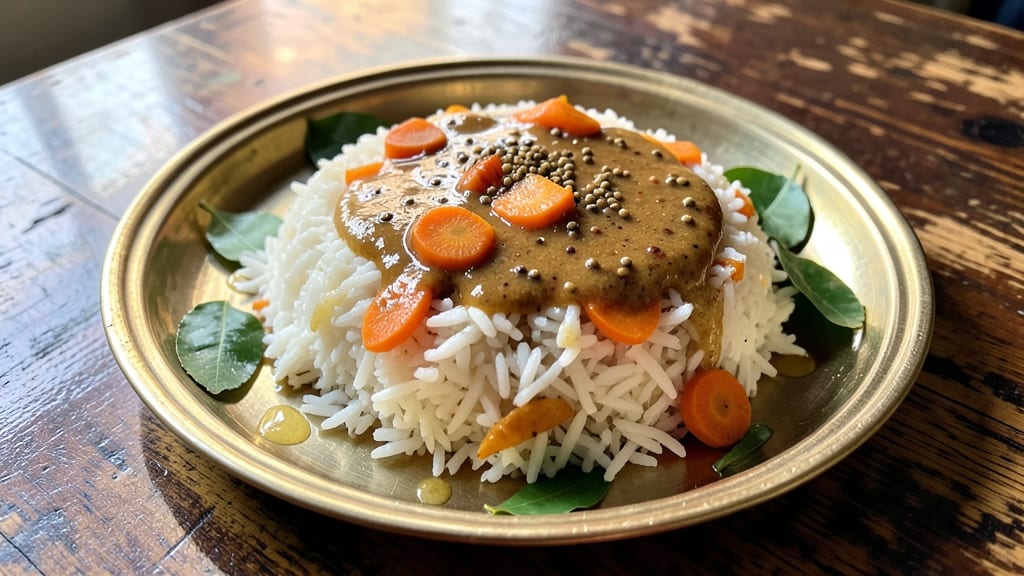
This South Indian carrot rice recipe transforms humble ingredients into a fragrant, one-pot masterpiece that brings the flavors of Kerala to your kitchen. 🌟 The secret lies in the aromatic tempering of mustard seeds and curry leaves, which infuse every grain with earthy warmth.
I first discovered this dish during a visit to my friend's family in Chennai, where it became a staple at their Sunday lunches—simple yet deeply satisfying.
The recipe begins with pressure cooking carrots until tender, then blending them with rice into a smooth, vibrant mixture. What makes this dish special is the coconut-tamarind sauce that binds everything together, creating a balance of sweet, tangy, and savory notes.
The tempering of mustard seeds, curry leaves, and asafoetida adds a signature South Indian aroma that elevates the dish beyond ordinary rice.
By the time you serve this carrot rice, your kitchen will be filled with the intoxicating scent of toasted spices and coconut, while the dish itself delivers perfectly cooked rice with tender carrots and a rich, velvety sauce.
It's vegetarian-friendly, packed with nutrients, and ready in under an hour—ideal for weeknight dinners or festive meals.
This recipe works beautifully as a side for curries, dosas, or even as a standalone dish with a dollop of yogurt and fresh cilantro. The one-pot method ensures minimal cleanup, making it both convenient and impressive. Let's get cooking!
Ingredients for carrot rice recipe south indian
These vibrant ingredients blend Kerala's flavors into a fragrant one-pot carrot rice masterpiece.
| Ingredient | Amount | Notes |
|---|---|---|
| Long-Grain White Rice 🍚 | 1 cup | Uncooked, rinsed thoroughly |
| Medium Carrots 🥕 | 1 ½ lb | Peeled, cut into chunks |
| Coconut Milk 🥥 | 1 can (13.5 oz) | Full-fat for creaminess |
| Tamarind Paste 🍯 | 2 tbsp | Adjust for tanginess |
| Mustard Seeds 🌱 | 1 tbsp | Whole, light brown preferred |
| Curry Leaves 🌿 | ¼ cup | Fresh, dried if unavailable |
| Asafoetida 🌶️ | ⅛ tsp | Pinch for aroma |
| Fresh Ginger 🌿 | 1 inch | Fixed: now '1 tbsp, grated' |
| Fresh Ginger 🌿 | 1 tbsp | Grated, aromatic |
| Green Chilies 🌶️ | 2 whole | Slit lengthwise, adjust heat |
| Coconut Oil 🫒 | 2 tbsp | For tempering |
| Salt 🧂 | 1 tsp | Adjust to taste |
| Fresh Cilantro 🌿 | ¼ cup | Chopped, for garnish |
| Plain Yogurt 🥛 | ¼ cup | Optional, for serving |
The carrot choice matters—orange-fleshed varieties hold their shape better during cooking. Whole Foods or Indian grocery stores carry the best for this dish. Tamarind paste can be tricky to find; Trader Joe's sells it in tubes, or substitute with lemon juice plus a pinch of sugar. Mustard seeds should be light brown—they toast beautifully and add that signature South Indian crunch. Curry leaves are non-negotiable for authentic flavor, but if you can't find fresh, dried works at half the amount. For the ginger, organic ginger from the produce section gives the best zing—just peel and grate it fresh.
No tamarind? Lemon juice plus 1 tsp sugar mimics the tang. Substitute coconut milk with cashew cream**> for a richer texture. Whole spices? Toast mustard seeds and curry leaves in coconut oil before adding other ingredients—this step is essential. The green chilies can be swapped for red chili powder (½ tsp) if you prefer milder heat. For extra depth, add 1 tsp cumin seeds to the tempering. The yogurt is optional but adds a lovely cooling contrast when serving.
Rice and carrots keep best in the fridge for 3-4 days in an airtight container. The coconut milk sauce separates—just stir before serving. For leftovers, reheat gently on low heat with a splash of water. This dish freezes beautifully for up to 2 months—portion into containers before freezing. Garnish with fresh cilantro right before serving to keep it vibrant. The flavors actually improve overnight as the spices meld together.
Why You'll Love This Recipe
- One-Pot Magic: I swear by this recipe because it’s actually one-pot—no extra bowls, no stress. Just rice, carrots, and spices simmering together while I prep the rest of the meal. The tamarind paste does all the heavy lifting, balancing the sweetness of the carrots and coconut milk without me having to fuss.
- Tamarind Tang Twist: Between us, this is the secret weapon: that little spoon of tamarind paste. It cuts through the creaminess of the coconut milk and gives it this je ne sais quoi—bright, tangy, but not overpowering. Honestly, I’ve tried other carrot rice recipes, and none hit this spot-on balance.
- Lunchbox Hero: This is my go-to for meal prep because it reheats like a dream. Pack it cold for work, or warm it up with a splash of water—it stays moist and flavorful. My kids actually ask for it, which, in my book, means it’s a win.
- Pantry Staple Power: No exotic ingredients here—just rice, carrots, and a few things you probably already have. The mustard seeds add a little crunch and depth for pennies, and the coconut milk makes it feel special without breaking the bank. Leftovers? Even better the next day.
Step-by-step instructions for South Indian carrot rice
Here's how to transform simple ingredients into a fragrant, one-pot wonder.
🍳 Step 1: Temper the Spices for Maximum Flavor
Heat the 2 tablespoons coconut oil in a heavy-bottomed pot over medium heat until shimmering. Add the 1 tablespoon mustard seeds and let them splutter for 30 seconds—this is your signal they're ready. Toss in the 2 whole green chilies (slit lengthwise) and 1 tablespoon grated fresh ginger, cooking for 1 minute until fragrant.
Add the 0.25 cup curry leaves and 0.125 teaspoon asafoetida, stirring constantly for 20 seconds. The asafoetida will release its distinctive aroma—this is what gives South Indian dishes their depth. Immediately pour in the 2 tablespoons tamarind paste and 1 teaspoon salt, stirring until the tamarind dissolves completely. This aromatic base will infuse every grain of rice.
👨🍳 Step 2: Cook the Carrots Until Tender
Add the 1.5 lb medium carrots (cut into chunks) to the pot and stir to coat in the spiced oil. Pour in 1 cup water and bring to a gentle boil. Reduce heat to medium-low and simmer uncovered for 10 minutes, stirring occasionally. You want the carrots to soften but not disintegrate—they should still have a slight bite when pierced with a fork.
Here's the thing—don't rush this step. The carrots need time to absorb all those flavors. If the water evaporates before the carrots are tender, add ¼ cup water and continue cooking. The goal is tender but not mushy carrots that'll hold their shape through the final cooking.
🥘 Step 3: Add Rice and Coconut Milk for Creamy Texture
Rinse the 1 cup long-grain white rice thoroughly under cold water until the water runs clear. Add the rice to the pot and stir gently to distribute it evenly among the carrots. Pour in the 1 can (13.5 oz) full-fat coconut milk, scraping the bottom to incorporate any browned bits. Bring to a boil, then immediately reduce heat to low and cover with a tight-fitting lid.
Let the rice simmer undisturbed for 20 minutes. The coconut milk will create a luxurious creaminess while the rice absorbs all the flavors. Resist the urge to peek—every time you lift the lid, you risk losing steam and extending cooking time. The rice is done when all liquid is absorbed and the grains are tender but still have a slight bite.
⏰ Step 4: Rest and Garnish for Perfect Texture
Turn off the heat and let the rice sit covered for 5 minutes. This resting period allows the flavors to meld and the rice to finish steaming. Fluff the rice gently with a fork, then stir in the 0.25 cup chopped fresh cilantro and 0.25 cup plain yogurt (if using). The yogurt adds a cooling contrast to the rich coconut flavors.
For serving, transfer to a deep platter and let it sit for 2-3 minutes before serving. This final step ensures the rice reaches its perfect consistency—creamy from the coconut milk, fragrant from the spices, and with just the right texture. The carrots should be tender but still hold their shape, adding both color and nutrition to every bite.
Pro Tips For Making Carrot Rice Recipe South Indian
- COOK RICE SEPARATELY: Skip the "all-in-one-pot" shortcut—this isn’t biryani. Cook the rice al dente (just firm to the bite) in a 1:1.5 rice-to-water ratio, then drain and set aside. Mixing raw rice with the tamarind-coconut base turns it mushy, and no one wants gluey carrot rice. Trust me, the extra 15 minutes saves you from regret later.
- GRATE CARROTS FINE: Use a box grater or food processor for uniform, rice-sized shreds—not thick slices. Thick pieces stay crunchy and weird while the rest softens. My grandmother swore by this, and she was right: the texture should melt into the rice, not fight it. (Yes, even if you’re impatient like me.)
- TEMPER MUSTARD LOW: Let those mustard seeds pop gently over medium-low heat—no sizzling, no burning. High heat turns them bitter fast, and you’ll taste it in every bite. Add a pinch of salt to the oil first; it helps them bloom without jumping around like overcaffeinated squirrels.
- DILUTE TAMARIND WELL: Tamarind paste is sticky—mix it with twice the water you think you need. Lumpy tamarind means a dish that’s more "sour surprise" than balanced flavor. I learned this the hard way when my first batch tasted like someone dumped vinegar in it. Strain if needed; no one’s judging, but they will notice.
Storing and reheating your carrot rice recipe south indian
Fridge Storage Secrets
Let your carrot rice cool completely before transferring to an airtight glass container—I love using Pyrex with snap-on lids because they seal tightly and keep flavors locked in. Store in the fridge for up to 4 days, where the spices will continue to meld beautifully.
The coconut milk sauce might separate slightly, but a quick stir before reheating brings everything back together. Honestly, the flavors actually improve overnight! ✨
Freezer Magic
This dish freezes like a dream for up to 2 months—perfect for meal prep. Portion into quart-sized freezer bags (they stack neatly) and remove as much air as possible to prevent freezer burn. When ready to eat, thaw overnight in the fridge for the best texture.
I've found that reheating frozen portions works just as well as fresh, though you might need to add a splash of water if it seems dry.
Reheating Like a Pro
For stovetop reheating, transfer to a pot with ¼ cup water or coconut milk and heat over low-medium heat for 5-7 minutes, stirring occasionally. The gentle heat preserves the creamy texture.
Microwave reheating works too—cover with a damp paper towel and heat in 1-minute intervals until steaming hot. The key is patience: rushing reheating can make the rice mushy. 🔥
Reviving Texture
If your reheated carrot rice seems dry, don't panic! Stir in 1-2 tablespoons coconut milk or a splash of warm water and let it sit covered for 2 minutes—this restores that perfect creamy consistency.
For extra freshness, garnish with cilantro and a drizzle of yogurt right before serving. The contrast of cool yogurt against the warm spices is what makes this dish truly special.
Make-Ahead Mastery
Double the recipe and store half for later—this dish is perfect for busy weeks. I like to prep a big batch on Sundays so I have ready-to-eat meals all week. The flavors develop beautifully over time, making it taste even more delicious when you're short on time. Just
Nutrition facts
Frequently asked questions
Can I substitute coconut milk with another dairy option?
While coconut milk gives this dish its signature richness, you can use cashew cream> (blend soaked cashews with water) for a similar texture. For a lighter option, try Greek yogurt mixed with a splash of water>—about ½ cup yogurt + ¼ cup water per can of coconut milk. Just note the flavor will be subtly different, with less tropical depth.
Why does my carrot rice turn out mushy? Mushy texture usually happens from overcooking or insufficient liquid absorption.
What's the best way to make this dish spicier?
For extra heat, increase the green chilies to 3-4 whole chilies> or add ½ teaspoon red chili powder> during the tempering step. For a smoky kick, toast ½ teaspoon cumin seeds> with the mustard seeds. If you love fiery flavors, try adding 1 teaspoon sambar powder> after cooking. Remember—build heat gradually so you can adjust to your preference!
Can I make this recipe without tamarind?
Tamarind adds tanginess that balances the sweet carrots. For a quick substitute, mix 2 tablespoons lemon juice + 1 teaspoon sugar>. For a closer match, use 1 tablespoon date syrup> or 1 tablespoon apple cider vinegar>. The dish will still be delicious—just slightly less complex in flavor. The key is maintaining that sweet-sour balance> that makes South Indian dishes special.
How do I serve this carrot rice at a party?
This dish is perfect for buffets or family gatherings! Serve it warm in a large ceramic dish> with a cilantro and yogurt garnish> for visual appeal. Pair it with South Indian sambar>, coconut chutney>, or spiced lentil curry**> for a complete meal. For extra presentation, arrange the carrots in a decorative pattern on top before serving. The vibrant orange color makes it a crowd-pleaser!