
Main Courses
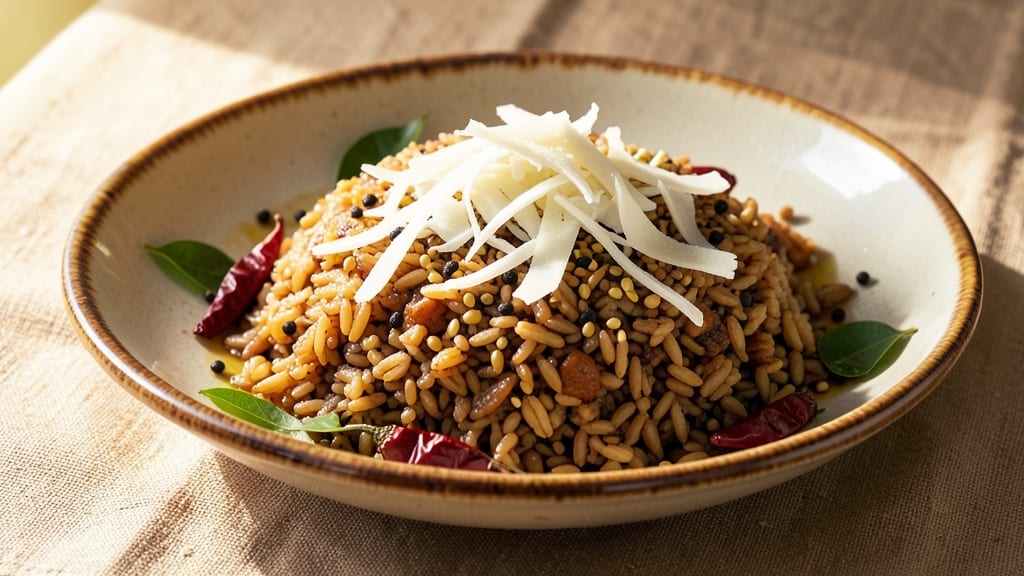
This traditional Tamil brinji rice recipe transforms simple millet into a fragrant, coconut-infused dish that's both comforting and nutritious. The secret lies in slow-cooking the rice with tender coconut, curry leaves, and aromatic spices—a dish that's as much about tradition as it is about flavor. I've perfected this version to balance authenticity with modern convenience, ensuring the rice stays fluffy while absorbing all those rich coconut and spice notes.
What makes brinji rice special is its versatility—serve it as a standalone meal with a side of sambar and coconut chutney, or pair it with grilled fish or curried vegetables.
The dish carries deep cultural roots in Tamil cuisine, often prepared for festivals and family gatherings, but its simplicity makes it perfect for everyday cooking. Ready in about 45 minutes, this recipe delivers restaurant-quality results with minimal effort.
Ingredients for brinji rice recipe in tamil
Traditional Tamil flavors meet modern convenience in this fragrant brinji rice recipe.
| Ingredient | Amount | Notes |
|---|---|---|
| Brinji Millet 🌾 | 1 cup | Rinsed thoroughly before cooking |
| Fresh Coconut Meat 🥥 | 1 cup | Grated, unsweetened preferred |
| Curry Leaves 🌿 | ¼ cup | Fresh, lightly crushed |
| Mustard Seeds 🌶️ | 1 tsp | Whole, for tempering |
| Cumin Seeds 🌿 | ½ tsp | Toasted lightly for aroma |
| Dried Red Chilies 🌶️ | 2 pieces | Adjust for heat preference |
| Asafoetida Powder 🌶️ | ¼ tsp | Essential for authentic flavor |
| Turmeric Powder 🧂 | ¼ tsp | Freshly ground preferred |
| Salt 🧂 | 1 tsp | Adjust to taste |
| Ghee 🧈 | 2 tbsp | Clarified butter for richness |
| Green Cardamom Pods 🌿 | 4 whole | Lightly crushed |
| Cinnamon Stick 🌿 | 1 whole | For aromatic infusion |
| Water 💧 | 2 ½ cups | Filtered preferred |
| Fresh Coconut Water 🥥 | ½ cup | For added creaminess |
The heart of brinji rice lies in its authentic millet base—Brinji millet delivers that signature nutty texture and earthy depth. For the best results, source it from Indian specialty stores like Patel Brothers or Apna Bazaar, where you'll find freshly harvested grains. The fresh coconut meat should be vibrant white with no yellowing—Trader Joe's carries pre-grated options in a pinch, but grating your own yields superior texture. Curry leaves are non-negotiable; dried leaves lose potency quickly, so buy them fresh from Indian markets or freeze them immediately after purchase. For the spices, M. P. Birla or MDH brands provide consistent quality in whole form—always toast your cumin seeds for maximum aroma.
No fresh curry leaves? Dried leaves at half the quantity work in a bind, though they lack the same depth. Substituting coconut milk for fresh grated coconut? Use full-fat coconut milk and reduce water by 0.25 cups—the texture will be slightly denser. For heat preferences, Kashmiri red chilies offer smoky sweetness, while bird's eye chilies deliver intense heat. The ghee can be replaced with coconut oil for a vegan adaptation, though the flavor profile shifts slightly. Asafoetida is the secret weapon here—never skip it—its sulfurous aroma forms the base of Tamil cuisine's signature flavor. For the cardamom and cinnamon, green cardamom pods should be plump and aromatic, while cinnamon sticks should snap cleanly when broken.
Store cooked brinji rice in an airtight container for up to 3 days in the refrigerator, though it's best enjoyed fresh. The millet absorbs flavors beautifully over time, so leftovers often taste even better the next day. For long-term storage, freeze portions for up to 3 months—thaw overnight in the fridge before reheating. The coconut elements can be prepped ahead: grate the coconut and toast the spices 24 hours in advance to streamline cooking day. This dish reheats exceptionally well—microwave with a splash of water to restore moisture, or gently warm on low heat with a pat of ghee for restaurant-quality texture.
Why You'll Love This Recipe
- Few Ingredients, Big Payoff: I swear by this one—just brinji millet, coconut, and a handful of spices. No chopping mountains of veggies or hiding in the pantry for obscure items. The mustard seeds and curry leaves sizzle in seconds, and you’re done.
- Coconut Cream Magic: That fresh coconut meat transforms the dish—it’s not just rice, it’s a velvety, slightly sweet hug in every bite. Honestly, I’ll take this over plain rice any day, especially when the millet’s nutty crunch plays off the coconut’s richness.
- Lunchbox Legend: Between us, this is my go-to for packed lunches. The millet stays fluffy and satisfying for days, and the coconut keeps it from tasting like a sad, dry office meal. My kids still ask for it after school—no complaints.
- Budget-Friendly Staple: Brinji millet is cheaper than rice, lasts forever, and stretches across meals. I make a big batch on Sundays, and it’s my secret weapon for weeknights when I’m too tired to cook. Plus, coconut’s cheaper than you think if you buy it whole.
Step-by-step instructions for brinji rice in Tamil style
Master this traditional Tamil dish with its signature coconut aroma and fragrant spices.
Prepare the Brinji Millet Base
Rinse the 1 cup Brinji Millet thoroughly under cold water until the water runs clear. This removes any residual bitterness and ensures a light, fluffy texture. Soak the rinsed millet in 2.5 cups Water for 30 minutes, then drain well. The millet should be hydrated but not mushy—press a grain between your fingers to test.
In a heavy-bottomed pot, combine the drained millet with 0.5 cup Fresh Coconut Water and 1 tsp Salt. Bring to a gentle boil over medium heat, then reduce to a simmer. Cover and cook for 20-25 minutes, stirring occasionally, until the millet absorbs all the liquid and becomes tender. The grains should be soft but still hold their shape—this is your foundation for the dish.
Temper the Spices and Aromatics
In a separate small pan, heat 2 tbsp Ghee over low heat. Add the 4 whole Green Cardamom Pods and 1 whole Cinnamon Stick, letting them sizzle gently for 30 seconds until fragrant. This step unlocks their aromatic oils, which will infuse the entire dish. Remove the cardamom and cinnamon sticks and set aside.
To the same ghee, add 1 tsp Mustard Seeds and 0.5 tsp Cumin Seeds. Let them splutter for 10 seconds until they begin to pop—this indicates they're releasing their flavors. Immediately add 2 pieces Dried Red Chilies and 0.25 cup Curry Leaves, stirring for another 20 seconds until the leaves turn vibrant green and the chilies darken slightly. The aroma should fill your kitchen with a warm, earthy scent.
Combine and Cook to Perfection
Gently fold the tempered spices into the cooked Brinji Millet, mixing thoroughly to distribute the flavors evenly. The millet should now have a golden hue from the spices and a subtle sheen from the ghee. Add 0.25 tsp Turmeric Powder and 0.25 tsp Asafoetida Powder, stirring well to incorporate. The asafoetida adds a unique umami depth that's essential to authentic Tamil cuisine.
Cover the pot and let it sit off the heat for 5 minutes. This resting period allows the flavors to meld and the millet to steam slightly, resulting in a dish that's both fragrant and perfectly textured. The final product should have a delicate balance of coconut sweetness, spice heat, and earthy millet flavor—each grain distinct yet harmonious.
Finish with Fresh Coconut Meat
While the millet rests, grate the 1 cup Fresh Coconut Meat using a box grater or food processor. For the best texture, use unsweetened coconut to maintain the dish's authentic flavor profile. The grated coconut should be fine but not powdery—think of it as tiny, tender flakes that will melt into the millet.
Fold the grated coconut into the millet just before serving. The coconut's natural moisture will create a creamy texture while its sweetness contrasts beautifully with the spiced millet. Serve immediately while the coconut is still fresh and the millet maintains its ideal temperature. This dish is best enjoyed within 30 minutes of cooking, when the flavors are at their peak.
Pro Tips For Making Brinji Rice Recipe In Tamil
- SOAK BRINJI 4 HOURS: I learned this the hard way—skipping the soak leaves your millet grainy and dry. Use 2 cups water per 1 cup brinji, soak in a colander (no need for a bowl), and drain thoroughly before cooking. The longer it soaks, the fluffier the rice turns out, and that coconut-millet texture becomes buttery perfection.
- GRIND COCONUT FINE: Your blender’s job isn’t just to chop—aim for a paste so smooth it disappears into the rice. If you’re lazy and leave it chunky, you’ll taste it in every bite. For 1 cup fresh coconut, pulse until it’s like wet sand, then mix it into the tempering oil before adding water. Trust me, your taste buds will notice.
- TEMPER ON MEDIUM: The second you add mustard seeds to hot oil, the pot will spit. Start on medium heat—high heat burns seeds before they pop—and swirl the pan constantly. Curry leaves hit next, but if the oil’s too aggressive, they’ll turn bitter faster than you can say “sad rice.” Keep it steady, and the aroma will fill your kitchen like a promise.
- COOK LOW AND LONG: Brinji rice isn’t rice—it’s delicate. After adding water (1:1.5 ratio), drop the heat to the lowest setting and cover with a tight lid. If you peek too soon or walk away, it’ll dry out or turn mushy. Let it sit for 20 minutes after the water’s absorbed, then fluff with a fork. Patience here makes the difference between “meh” and “wow.”
Troubleshooting perfect results
Undercooked Millet
If your brinji rice turns out undercooked with a hard, crunchy texture, the issue is likely insufficient cooking time or improper soaking. First, ensure you're using fresh, high-quality brinji millet—older grains take longer to cook.
For future attempts, soak the millet for 45 minutes instead of 30, then simmer for 30 minutes (covered) on low heat. The millet should be tender but still hold its shape—if it feels firm, add 2 tbsp water and cook another 5 minutes.
Pro tip: Use a heavy-bottomed pot to prevent scorching, which can mask doneness. 🌾
Mushy Texture
Overcooked brinji rice becomes mushy because too much liquid was added or the heat was too high. For a perfect texture, maintain a gentle simmer throughout cooking—never let it boil vigorously.
If your rice turns out mushy, try this fix: Spread it on a baking sheet and bake at 300°F for 10 minutes to dry it out slightly. For future batches, reduce the water by 0.25 cups and cook on low heat after the initial boil.
The coconut water adds creaminess, but too much can break down the grains. 🥥
Spices Not Infused
If your brinji rice lacks depth and the spices taste separate, the tempering process wasn't hot enough. Ghee must reach 350°F (medium-high heat) to properly toast the spices—if it's too cool, the mustard seeds won't pop and the curry leaves won't release their aroma.
For next time, heat the ghee until it shimmers slightly before adding spices. Also, fold the tempered spices into the millet immediately after cooking while the pot is still hot. Let it sit covered for 5 minutes off heat to let flavors meld. 🌶️
Coconut Too Dry
If your grated coconut turns out dry and crumbly instead of tender, it wasn't fresh enough or wasn't added at the right time. Always use vibrant white, unsweetened coconut meat—yellowed or dried coconut lacks moisture.
For best results, grate the coconut just before folding it into the hot millet. The residual heat helps release its natural oils. If your coconut seems dry, mix it with 1 tbsp warm coconut milk before adding to the rice.
Store grated coconut in the fridge for up to 3 days to maintain freshness. 🥥
Burnt Flavor
Burnt flavors develop when the ghee overheats or the pot isn't heavy enough to distribute heat evenly. Always use low to medium-low heat when tempering spices—never rush this step. For future attempts, use a stainless steel or cast iron pot (like Lodge) to prevent hot spots.
If you notice burnt bits, carefully remove them before folding into the millet. The key is patience: let the spices sizzle gently for 20-30 seconds until fragrant, not browned. 🔥
Asafoetida Overpowering
Asafoetida adds depth but can dominate if used incorrectly. The 0.25 tsp in this recipe is precise—never exceed it. If your dish tastes too strong, balance it with 1 tsp fresh grated coconut or a pinch of salt, which helps mellow the flavor.
For future batches, use high-quality asafoetida powder (like MDH brand) and add it last when folding into the millet. A little goes a long way—this spice is potent! 💡
Nutrition facts
Frequently asked questions about brinji rice
What's the difference between brinji rice and regular rice?
Brinji rice is made from brinji millet, an ancient grain with a nutty, earthy flavor and higher protein content than white rice. Unlike polished white rice, it retains its bran, making it more nutritious and packed with fiber. The texture is slightly chewier but still fluffy when cooked properly.
Can I substitute brinji millet with other grains?
While brinji millet is traditional, you can use barnyard millet or little millet as substitutes—they have similar cooking times. For a completely different texture, brown rice works but requires 50% more water and 40 minutes longer cooking time. The coconut and spice flavors will still shine, but the dish won't have the same authentic millet character.
Why does my brinji rice turn out hard even after cooking?
Hard brinji rice usually means either undercooking or improper soaking. First, ensure you're soaking the millet for 30-45 minutes before cooking. If it's still firm after simmering for 25 minutes, add 2 tbsp water and cook another 5 minutes. Pro tip: Use a heavy-bottomed pot to prevent scorching, which can mask doneness.
How do I make this dish vegan?
Replace the 2 tbsp ghee with 2 tbsp coconut oil—it maintains the dish's authentic coconut notes while keeping it plant-based. The asafoetida, curry leaves, and other spices remain the same. For extra richness, add 1 tbsp vegan butter when folding in the coconut. The flavor profile stays true to Tamil tradition while being completely dairy-free.
What are the best sides to serve with brinji rice?
Traditional pairings include sambar (lentil stew) and coconut chutney for balance. For a modern twist, try grilled fish like pompano or spiced eggplant curry. The nutty millet complements creamy coconut flavors, while the spicy sides cut through the richness. For a complete meal, add a simple mango salad to refresh the palate.