
Main Courses
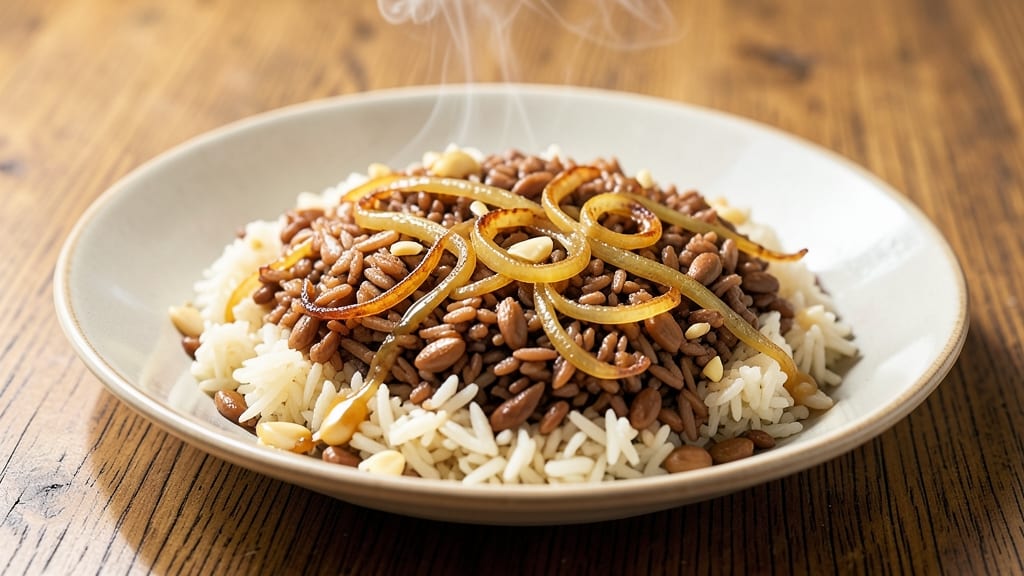
This brown and white rice recipe transforms ordinary grains into a fragrant, nutty pilaf with toasted aromatics that elevate any meal.
The key lies in cooking the two rice varieties separately—brown rice for chewy texture and white rice for quick absorption—before combining them with warm spices and rich broth for a dish that’s both hearty and balanced.
The result is a fragrant, two-toned pilaf where the brown rice retains its earthy bite while the white rice soaks up the savory broth and herbs.
Perfect as a side for grilled meats or as a standalone vegetarian bowl, this method ensures even cooking and maximum flavor in just 30 minutes. Let’s get started.
Ingredients for brown and white rice
Transform two simple grains into a sophisticated pilaf with these aromatic essentials.
| Ingredient | Amount | Notes |
|---|---|---|
| Long-Grain White Rice 🍚 | 1 cup | Uncooked, rinsed thoroughly |
| Brown Rice 🌾 | 1 cup | Uncooked, rinsed thoroughly |
| Vegetable Broth 💧 | 2 ½ cups | Low-sodium preferred, homemade or quality store-bought |
| Unsalted Butter 🧈 | 2 tbsp | Cold, cut into small pieces |
| Yellow Onion 🧅 | 1 whole | Diced finely, about 1 cup |
| Garlic Cloves 🧄 | 4 cloves | Minced finely, about 1 tbsp |
| Ground Cumin 🌿 | ½ tsp | Freshly toasted for aroma |
| Ground Coriander 🌿 | ½ tsp | Freshly ground preferred |
| Ground Turmeric 🍃 | ¼ tsp | Bright yellow color indicator |
| Fresh Cilantro 🌿 | ¼ cup | Chopped finely, stems removed |
| Extra-Virgin Olive Oil 🫒 | 1 tbsp | For toasting aromatics |
| Salt 🧂 | ¾ tsp | Diamond Crystal preferred |
| Black Pepper 🌶️ | ¼ tsp | Freshly ground for heat |
The rice selection is critical—long-grain white rice ensures fluffy texture while brown rice delivers chewy substance. Rinse both thoroughly to remove excess starch, which prevents clumping. For the best quality, Whole Foods bulk bins or Trader Joe's offer reliable options. The broth should be rich but not salty—Pacific Foods or Imagine brands are excellent choices, or make your own with vegetable scraps. Toasting the spices in butter before adding liquid unlocks their full potential; don't skip this step—it's what builds that nutty aroma.
No fresh cilantro? Dried cilantro works at half the amount, though it lacks brightness. Substitute coriander with 1 tsp dried lemon peel for a citrusy note. Running short on vegetable broth? Chicken broth works equally well, and low-sodium bouillon cubes can be dissolved in hot water as a pinch-hitter. The olive oil should be extra-virgin—cheap oils won't toast properly. For extra depth, add 1 tsp lemon juice at the end, but it's not mandatory. The spices should be freshly ground if possible; pre-ground spices lose potency quickly.
Rice keeps best in airtight containers for up to 5 days in the fridge, though flavor peaks within the first two days. Freeze portions for up to 3 months—just thaw overnight in the fridge. For reheating, cover with a damp paper towel and microwave for 1-2 minutes, stirring halfway. This method preserves texture better than oven reheating. Double the batch and freeze half for quick weeknight meals—it reheats beautifully.
Why You'll Love This Recipe
- Double the Texture: I swear by the contrast—fluffy white rice meets chewy brown rice in every bite. That buttery onion base ties it all together like a warm hug for your taste buds.
- One-Pot Magic: Honestly, this is my lazy-day hero. Toss both rices in a pot with broth, let it simmer, and boom—done. No fancy steps, no stress, just golden-brown perfection with minimal effort.
- Budget Meal Prep: Between us, this feeds my family for days. Brown rice adds fiber, white rice keeps it filling, and the broth stretches into multiple servings. I make it on Sundays and forget about lunches all week.
- Weeknight Reliable: Here’s what sold me—the simplicity. No chopping mountains of veggies, no last-minute ingredient hunts. Just onions, butter, and two types of rice. It’s my go-to when I’m too tired to think past dinner.
Step-by-step instructions for fragrant two-grain pilaf
This method delivers perfectly balanced texture and aromatic depth through precise timing and layering.
Toast the Aromatics for Maximum Flavor
Heat the 1 tablespoon extra-virgin olive oil in a large, heavy-bottomed pot over medium heat. Add the 1 whole yellow onion and cook for 5-6 minutes until softened and beginning to caramelize at the edges. This slow cooking develops sweetness that forms the pilaf's foundation.
Add the 4 cloves garlic cloves and stir for 30 seconds until fragrant but not browned. Immediately add the 2 tablespoons cold unsalted butter and the 0.5 teaspoon ground cumin, 0.5 teaspoon ground coriander, and 0.25 teaspoon ground turmeric. Stir constantly for 1 minute until the spices bloom and the butter melts completely. The pot should smell warmly aromatic—this is your flavor base.
Rinse and Toast the Rice Separately
While the aromatics toast, rinse the 1 cup long-grain white rice and 1 cup brown rice separately in cold water until the water runs clear. This removes excess starch that would make the grains gummy. Spread each type of rice on separate baking sheets and toast in a 375°F oven for 10-12 minutes, stirring halfway, until the grains are lightly golden and fragrant. The white rice will toast faster than the brown.
This toasting step creates nutty depth in the brown rice and enhances the texture of the white rice. Don't skip it—it's what transforms ordinary rice into aromatic pilaf. Remove the rice from the oven and set aside in separate bowls.
Layer and Simmer the Pilaf
Return the pot with toasted aromatics to the stove over medium-low heat. Add half of the toasted brown rice and stir to coat in the butter and spices. Pour in 1.25 cups vegetable broth and bring just to a simmer. Cover tightly with a lid and cook for 5 minutes to let the rice absorb the liquid.
Uncover and stir gently, then add the remaining brown rice and another 1.25 cups vegetable broth. Bring to a simmer again, then cover and cook for 15 minutes. The brown rice should be tender but still slightly firm to the bite. Remove from heat and set aside, keeping the pot covered.
Cook the White Rice Layer
In the same pot (no need to clean it—the fond adds flavor), add the toasted white rice and stir to combine with any remaining aromatics. Pour in the final 1 cup vegetable broth and bring to a gentle simmer. Cover tightly and cook for 12-14 minutes until the white rice is tender and the liquid is fully absorbed. The grains should be separate with a slight bite—this indicates perfect doneness.
Real talk: If the white rice seems undercooked after 14 minutes, add 2-3 tablespoons more broth and cook another 2 minutes. Overcooking turns white rice mushy. You want al dente texture in both rice types for the best pilaf.
Finish with Fresh Herbs and Seasoning
Remove the pot from heat and let it sit covered for 5 minutes. This resting period allows the rice to fully absorb any remaining moisture and develop its final texture. Stir in the 0.25 cup chopped fresh cilantro, 0.75 teaspoon salt, and 0.25 teaspoon black pepper. The cilantro should be evenly distributed throughout.
For serving, fluff the pilaf gently with a fork to separate the grains. The finished dish should have distinct layers of nutty brown rice and delicate white rice, with vibrant green cilantro peeking through. Each bite should deliver complex aromatics from the toasted spices and herbs, balanced by the savory broth and buttery richness.
Pro Tips For Making Brown And White Rice
- COOK BROWN FIRST: Brown rice takes twice as long as white—start it in a separate pot with the same broth-to-rice ratio, then transfer it to the main pot once the white rice is halfway done. This way, you’re not staring at a stove for 45 minutes while the white rice turns to mush.
- SOFTEN ONIONS IN BROTH: Instead of sautéing the onion until it’s golden, chop it small and simmer it in the broth for 5 minutes before adding the rice. It’ll mellow out the sharpness and infuse the grains without burning—no extra oil, no sticking, just flavor.
- STIR WHITE RICE ONCE: After the initial boil, resist the urge to check on the white rice constantly. Stir it just once after 5 minutes, then leave it alone until it’s done. Over-stirring breaks the grains and turns them gummy—like trying to fix a haircut you’ve already ruined.
- BUTTER AT THE END: Add the unsalted butter in the last 2 minutes of cooking, not at the start. Cold butter mixed with hot broth can make the rice greasy, and you’ll lose that perfect toasty aroma. A quick swirl at the end coats every grain evenly—simple, but it makes a real difference.
Common mistakes when making your brown and white rice
Skipping the Rinse
I cannot stress enough how critical it is to rinse both the brown and white rice thoroughly before cooking. Skipping this step means excess starch will release into the cooking liquid, causing your pilaf to turn gummy and gluey.
I've seen home cooks assume "it's just rice" and skip rinsing—big mistake! For white rice, rinse until the water runs completely clear. Brown rice needs slightly more agitation since it has more starch, but still rinse until the water is translucent. 💧
Uneven Cooking Times
The biggest mistake I see is treating both rice types the same way. Brown rice needs 15 minutes of simmering to become tender, while white rice cooks in just 12-14 minutes. If you combine them at once, the white rice will turn mushy while the brown stays undercooked.
The layered cooking method in this recipe solves this by cooking them separately at their optimal times. Trust the process—don't rush either rice type.
Overcrowding the Pot
Using a pot that's too small forces the rice to steam instead of simmer gently in the broth. This leads to uneven cooking and potentially mushy texture. Your pot should have at least 1 inch of headspace above the rice when liquid is added.
I recommend using a 3-quart heavy-bottomed pot for this recipe—it's the perfect size. If your rice looks crowded after adding broth, use a larger pot or reduce the recipe by half.
Ignoring the Toasting Step
The toasting step isn't optional—it's what transforms ordinary rice into aromatic pilaf. Skipping it means you'll miss out on that nutty depth and complex flavor profile. Toast both rice types separately in the oven at 375°F for 10-12 minutes until they're lightly golden.
This step also helps prevent the rice from becoming gummy by removing surface moisture. I've made this recipe both ways, and the difference is night and day. 🌾
Adding All Broth at Once
Pouring all the broth into the pot at the beginning is a common mistake that leads to uneven cooking. The layered approach in this recipe—adding broth in stages—ensures both rice types absorb liquid perfectly.
Start with 1.25 cups for half the brown rice, then another 1.25 cups for the remaining brown rice, and finally 1 cup for the white rice. This gradual addition prevents steaming and creates that beautiful two-toned pilaf.
Underseasoning or Over-Salting
Seasoning is all about balance. Too little salt makes the dish taste bland, while too much can overwhelm the delicate flavors. The recipe calls for 0.75 teaspoon salt—this is perfect for the entire dish. Taste as you go!
If using low-sodium broth, you might need to add a pinch more salt at the end. Remember, you can always add more salt, but you can't remove it once it's there. The spices should be toasted in butter first to bloom their flavors—this is where the magic happens. 🧂
Nutrition facts
Frequently asked questions
Why cook brown and white rice separately?
Brown rice needs 15 minutes to cook while white rice only requires 12-14 minutes. Cooking them separately ensures perfect texture—brown rice stays chewy while white rice remains fluffy. The layered method also creates that beautiful two-toned presentation!
Can I substitute short-grain rice?
Short-grain rice absorbs more liquid and becomes sticky, which isn't ideal for this pilaf. Stick with long-grain white rice for the best texture. For brown rice, use long-grain varieties like basmati or jasmine to maintain separation. The key is keeping grains distinct!
How do I adjust this for fewer servings?
For 2 servings, halve all ingredients: ½ cup each rice, 1¼ cups broth, and reduce butter/spices proportionally. Use a 1.5-quart pot to maintain proper headspace. The cooking times stay the same—just scale down the quantities!
What's the best way to reheat leftovers?
Cover with a damp paper towel and microwave for 1-2 minutes, stirring halfway. The moisture prevents drying while the towel traps steam. For stovetop reheating, add 1-2 tablespoons broth per cup of rice and simmer covered for 3-5 minutes. Never reheat dry!
Can I make this vegetarian?
The recipe is already vegetarian, but you can boost flavor with 1 tbsp soy sauce or ½ tsp smoked paprika for depth. For extra protein, stir in ½ cup cooked chickpeas or ¼ cup toasted pine nuts at the end. The pilaf works perfectly with roasted veggies too!