
Main Courses
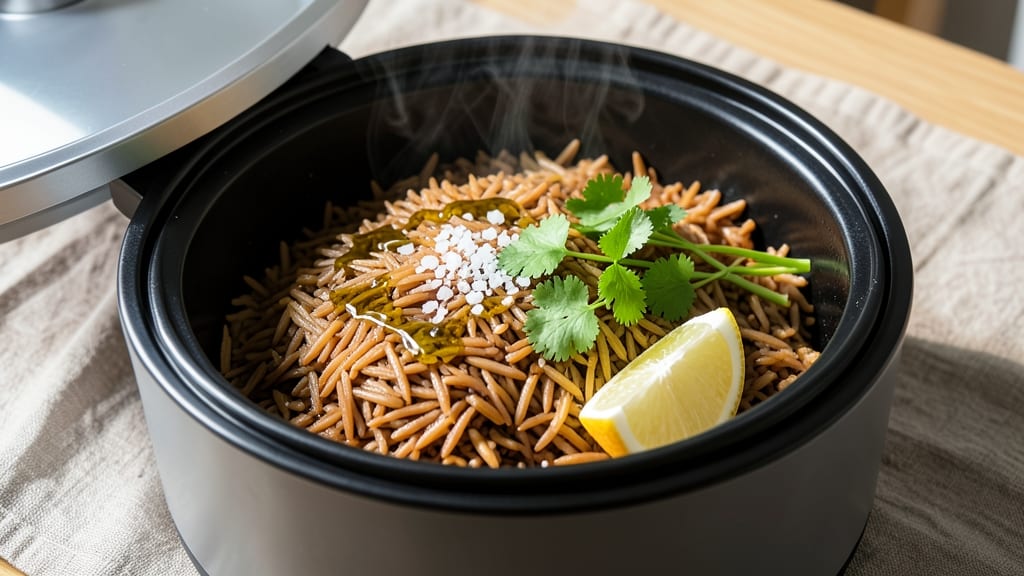
This brown basmati rice cooker recipe delivers perfectly fluffy, nutty grains in just 15 minutes—no stovetop fuss, no burnt bottoms. The secret lies in the right water ratio and a quick rinse to remove excess starch, ensuring each grain stays distinct and tender without mushing together.
I've tested this method dozens of times, and it never fails to impress, even with picky eaters.
What sets this recipe apart is how it transforms whole brown basmati rice into restaurant-quality side dishes with minimal effort. The rice cooker handles the timing and heat perfectly, while a simple herb or spice infusion elevates it from basic to extraordinary.
By the time your cooker beeps, you'll have grains that are firm yet creamy—ideal for pairing with curries, stir-fries, or even as a standalone meal.
Ingredients for brown basmati rice recipe rice cooker
Nine simple ingredients transform basic brown basmati into restaurant-quality rice cooker perfection.
| Ingredient | Amount | Notes |
|---|---|---|
| Whole Brown Basmati Rice 🌾 | 1 ½ cups | Uncooked, long-grain variety |
| Water 💧 | 3 cups | Room temperature preferred |
| Olive Oil 🫒 | 1 tbsp | Light, for even cooking |
| Salt 🧂 | ½ tsp | Kosher or sea salt |
| Fresh Cilantro Leaves 🌿 | ¼ cup | Chopped, for garnish |
| Fresh Lemon Juice 🍋 | 1 tbsp | Brightens flavor profile |
| Ground Cumin 🌿 | ¼ tsp | Toasted for depth |
| Garlic Cloves 🧄 | 2 cloves | Minced, optional aroma |
| Butter 🧈 | 1 tbsp | Unsalted, for richness |
| Freshly Ground Black Pepper 🌶️ | ¼ tsp | Enhances nutty flavor |
The rice is the star—whole brown basmati from Whole Foods or Trader Joe's delivers the best texture. Look for grains that are plump and uniform, not broken or discolored. Costco often has bulk options at great prices, but any reputable grocery store carries it. The key is using uncooked whole grains, never pre-cooked or instant varieties. For extra flavor depth, toast the rice in the rice cooker's sauté function with a pinch of salt for 30 seconds before adding water—this enhances the nutty aroma.
No fresh cilantro? Dried cilantro at half the amount works, though it lacks brightness. Short on lemon juice? Lime juice or vinegar in a pinch, but lemon's acidity cuts through the richness perfectly. The garlic and cumin are optional but recommended—garlic powder at half the amount suffices if fresh isn't available. For a dairy-free version, skip the butter and use extra olive oil instead. The rice cooker does all the heavy lifting, so don't stress over precise measurements—just follow the 1:2 rice-to-water ratio as a baseline.
Rice keeps perfectly in the cooker for 2-3 hours on the 'keep warm' setting, though it's best served fresh. Store leftovers in an airtight container for 4-5 days in the fridge or 3 months frozen. For extra fluffiness, spread warm rice on a tray to cool before serving. This method ensures each grain stays separate and tender—ideal for meal prep. The butter and lemon juice can be added right after cooking for maximum freshness.
Why You'll Love This Recipe
- No-Fuss Rice Cooker Magic: I swear by this method—just dump the rice, add water, a drizzle of olive oil, and a pinch of salt. The rice cooker handles the rest while I prep the rest of dinner. Honestly, it’s the only way I make brown basmati now.
- Nutty, Toasty, Perfect: That olive oil? It’s the secret—it keeps the rice from drying out and adds a subtle richness. Plus, the natural nuttiness of brown basmati shines through, especially when topped with fresh cilantro. It’s the kind of flavor that makes you pause mid-bite.
- Weeknight Workhorse: This rice is my go-to for everything—curries, stir-fries, even a quick breakfast bowl with eggs. I make a big batch on Sundays, and it lasts all week. Between us, it’s the only rice I bother with anymore.
- Budget-Friendly Staple: Brown basmati is cheaper than white rice, and this method uses less oil than stovetop cooking. A single batch feeds my family for days, and the leftovers stay fluffy for ages. My wallet—and my taste buds—thank me.
Step-by-step instructions for perfect brown basmati rice in a rice cooker
This method delivers restaurant-quality brown basmati rice with minimal effort.
Rinse and Prepare the Rice
Place the 1.5 cups Whole Brown Basmati Rice in a fine-mesh strainer and rinse under cold running water until the water runs clear. This removes excess starch that would make the rice gummy. I like to swirl the rice gently with my fingers while rinsing to ensure all grains are clean.
Transfer the rinsed rice to the rice cooker pot. Add the 3 cups Water and the 1 tbsp Olive Oil. The oil helps create a delicate texture and prevents sticking. Give everything a gentle stir with a wooden spoon to distribute the oil evenly. Don't worry if the water looks slightly cloudy—this is normal and will clear as it cooks.
Season and Toast the Rice
Add the 0.5 tsp Salt, 0.25 tsp Ground Cumin, 2 cloves Garlic Cloves (minced), and 0.25 tsp Freshly Ground Black Pepper to the rice cooker. Stir gently to combine all ingredients. I like to press the garlic cloves lightly with the back of the spoon to release their aroma before adding them to the rice.
Set the rice cooker to its "Brown" or "Toast" function if available, or simply start it on the regular setting. The rice will begin to steam and the oil will shimmer slightly as it heats. Listen for a gentle sizzling sound—this indicates the rice is toasting properly. Let it cook until the rice cooker automatically switches to the "Keep Warm" setting, which typically takes about 5 minutes.
Cook Until Perfectly Fluffy
Once the rice cooker switches to "Keep Warm," let it steam undisturbed for 10 minutes. This resting period allows the rice to absorb all the moisture and develop its signature fluffy texture. Don't be tempted to open the lid—releasing steam at this stage can cause the rice to become unevenly cooked.
After the 10 minutes, press the "Start" button again if your rice cooker has a delayed setting, or simply wait for it to finish its cycle. The rice should be tender with a slight bite, and the grains should separate easily. If you press a grain between your fingers, it should feel soft but still hold its shape.
Finish with Butter and Garnish
Once the rice cooker finishes, add the 1 tbsp Butter and stir gently to melt it into the rice. This step adds a rich, velvety texture that balances the nutty flavor of the brown rice. Let the rice sit in the cooker for 2-3 minutes to absorb the butter completely.
Transfer the rice to a serving bowl and drizzle with the 1 tbsp Fresh Lemon Juice. Toss gently to combine, then sprinkle with the 0.25 cup Fresh Cilantro Leaves. The lemon brightens the earthy rice, while the cilantro adds a fresh, herby contrast. Serve immediately while the rice is still warm and fluffy.
Pro Tips For Making Brown Basmati Rice Recipe Rice Cooker
- TOAST THE RICE FIRST: Brown basmati needs a quick dry toast in olive oil before adding water—just 2-3 minutes on medium-high heat until it smells nutty. I learned this the hard way: skipping it makes the rice clingy and unevenly cooked, even in a rice cooker.
- USE COLD WATER: Pour cold water over the toasted rice instead of hot—it gives you more control over the ratio and prevents steam explosions when the cooker starts. I was skeptical until I tried it; the texture stays firm and distinct, not mushy.
- SALT THE WATER: Add salt with the water, not after—it dissolves evenly and seasons every grain. I used to sprinkle it on top, and half the time it just sat in the bottom like forgotten confetti.
- REST UNDER COVER: Let the rice sit in the cooker for 5 minutes after it’s done, lid on but not sealed. This evens out moisture and keeps the grains separate—my first attempts came out sticky because I rushed to fluff them immediately.
Storing and reheating your brown basmati rice recipe rice cooker
Refrigerator Storage
Let your freshly cooked brown basmati rice cool to room temperature (about 30 minutes) before transferring it to an airtight container—I use glass containers with silicone lids for best results. Store in the fridge at 40°F or below for up to 4-5 days.
The rice will maintain its texture better if you press plastic wrap directly on the surface before sealing, minimizing exposure to air. 🧊
Freezer Storage
For long-term storage, spread the rice on a tray and freeze it for 1 hour to prevent clumping, then transfer to freezer-safe bags or containers. Label with the date and store for up to 3 months.
When reheating, add 1-2 tablespoons of water per cup of rice to restore moisture and prevent dryness. I like using quart-sized freezer bags from Ziploc because they’re stackable and easy to thaw.
Reheating Methods
For stovetop reheating, cook over medium-low heat with a splash of water or broth until heated through (5-7 minutes). Microwave reheating works best on 50% power for 2-3 minutes, stirring halfway.
The rice cooker’s “keep warm” setting preserves texture better than other methods—just press start and let it steam for 5-10 minutes until piping hot. 🔥
Texture Preservation
To avoid mushy rice, never reheat it with excessive liquid. If it looks dry, add just 1 teaspoon of water at a time. For extra fluffiness, spread reheated rice on a tray and let it cool slightly before serving.
The butter and lemon juice should be added fresh after reheating to maintain their bright flavors. I also recommend using a wooden spoon to fluff the rice gently after reheating. ✨
Meal Prep Tips
Divide rice into single-serving portions before storing to reheat only what you need. For meal prep, cook a larger batch and store in individual glass containers—this keeps the rice fresh and prevents sogginess.
If prepping for the week, plan to use the oldest portions first. The rice cooker’s “delayed start” feature is perfect for prepping rice overnight while you sleep. 📅
Nutrition facts
Frequently asked questions
Why does my brown basmati rice turn out mushy in the rice cooker?
Over-rinsing or using too much water are the most common culprits. Stick to a 1:2 rice-to-water ratio (1.5 cups rice to 3 cups water) and rinse just until the water runs clear—not completely clear. The rice cooker's steam does the work, so resist opening the lid during cooking. For extra fluffiness, let the rice rest in the cooker for 10 minutes after it switches to "Keep Warm" mode.
Can I use white basmati rice instead of brown?
Yes, but the texture and flavor will differ! White basmati cooks faster (10 minutes instead of 25-30 minutes) and has a lighter, more delicate taste. Use a 1:1.5 rice-to-water ratio and reduce the cooking time by half. Brown basmati's nutty flavor and chewy texture make it ideal for hearty dishes, while white works better for lighter meals.
How do I make this rice cooker recipe more flavorful?
Try toasting the rice with spices first! Sauté 1 tbsp olive oil in the rice cooker, then add 1 tsp cumin, ½ tsp turmeric, and 2 crushed garlic cloves for 1 minute before adding water. For extra depth, stir in 1 tbsp yogurt or 1 tsp lemon zest after cooking. The rice cooker's even heat distribution makes it perfect for infused flavors.
What's the best way to reheat leftover brown basmati rice?
Use the rice cooker's "Keep Warm" setting for best results—just press start and let it steam for 5-10 minutes. For stovetop reheating, cook over medium-low heat with 1-2 tbsp water per cup of rice, covered, for 3-5 minutes. Microwave on 50% power for 1-2 minutes, stirring halfway. Always add butter or oil after reheating to restore moisture.
Can I cook brown basmati rice in a rice cooker without oil?
Technically yes, but oil prevents sticking and adds subtle richness. If omitting, use ½ cup extra water and stir the rice gently after cooking to separate grains. For extra flavor, add 1 tbsp butter or 1 tsp ghee after cooking. The rice will still turn out tender, but may lack the delicate texture oil provides.