
Main Courses
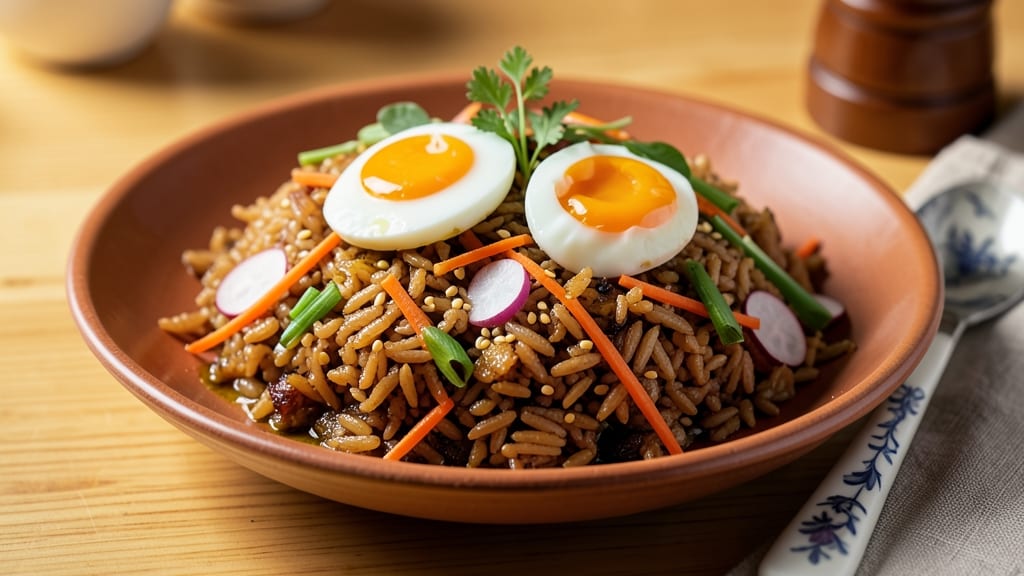
This healthy brown fried rice recipe delivers all the satisfying crunch and savory flavor you love—without the heavy oil or guilt.
The secret lies in using brown rice for fiber and protein, stir-frying with just 1 teaspoon of oil, and packing in vegetables and lean protein for a balanced, restaurant-quality dish that still feels indulgent.
What makes this version truly special is how it transforms simple ingredients into a vibrant, nutrient-packed meal. The rice cooks up nutty and firm, while the vegetables stay crisp-tender and the protein adds satisfying texture.
With 20 minutes of active prep and a focus on bright flavors, this recipe proves healthy eating can be both delicious and easy to execute.
Ingredients for brown fried rice recipe healthy
These carefully selected ingredients transform simple brown rice into a vibrant, nutrient-packed dish with satisfying texture and bold flavor.
| Ingredient | Amount | Notes |
|---|---|---|
| Long-Grain Brown Rice 🍚 | 1 ½ cups | Uncooked, rinsed thoroughly |
| Eggs 🥚 | 2 whole | Large, room temperature |
| Extra-Virgin Olive Oil 🫒 | 1 tsp | Light, fruity variety |
| Garlic Cloves 🧄 | 3 cloves | Minced finely for aroma |
| Fresh Ginger 🌿 | 1 tsp | Grated finely for zing |
| Carrots 🥕 | ½ cup | Julienned into thin strips |
| Bell Peppers 🧅 | ½ cup | Diced, any color variety |
| Green Onions 🧅 | ¼ cup | Sliced thinly, whites separated |
| Frozen Peas 🌱 | ½ cup | Thawed briefly for texture |
| Low-Sodium Soy Sauce 🍶 | 1 ½ tbsp | For umami depth |
| Sesame Oil 🫒 | ½ tsp | For nutty aroma finish |
| Diamond Crystal Kosher Salt 🧂 | ½ tsp | Adjust to taste |
| Black Pepper 🌶️ | ¼ tsp | Freshly cracked for heat |
| Optional Protein 🍗 | ½ cup | Chickpeas or diced chicken |
The brown rice is the foundation—jasmine or short-grain varieties work best for that sticky, restaurant-style texture. Rinse it thoroughly before cooking to remove excess starch. For the protein, I recommend chickpeas for vegan or lean chicken breast for meat-eaters—both add satisfying bite without heaviness. The frozen peas are a game-changer; they stay bright and add natural sweetness without wilting during stir-fry. Fresh ginger and garlic should smell vibrant—if they're musty, skip them. Whole Foods or local Asian markets carry the freshest versions, but the regular grocery store works too.
No sesame oil? Toasted peanut oil at half the amount gives similar richness. Substitute soy sauce with coconut aminos for a gluten-free option. The carrots and bell peppers can be swapped for broccoli florets or snap peas—whatever's in season. For extra crunch, add crushed peanuts or cashews at the end. The optional protein can be omitted entirely for a vegetarian version. If using chicken, marinate in soy sauce and a touch of honey for 10 minutes beforehand. The rice should be day-old for best texture—fresh rice turns mushy during stir-fry.
Store cooked rice in an airtight container for 4-5 days in the fridge. For longer storage, freeze portions for up to 3 months. Reheat gently in a skillet with a splash of water to restore texture. The vegetables lose crispness after reheating, so I always make a fresh batch for lunches. Sesame oil separates when refrigerated—just shake before using. For meal prep, portion into containers with the protein and veggies on top to keep everything separate until ready to eat.
Why You'll Love This Recipe
- One-Pan Magic: I swear by this—just brown the rice, scramble the eggs in the same pan, and toss everything together. No extra dishes, no stress, and that nutty olive oil caramelizes the edges while keeping it light.
- Ginger-Garlic Kick: Honestly, the combo of fresh ginger and garlic in olive oil is chef’s kiss—bright, warm, and just a little spicy. It cuts through the richness of the eggs without needing soy sauce or heavy sauces.
- Lunchbox Hero: Between us, this is my go-to for meal prep. Cold or reheated, it’s still solid—pack it with roasted veggies for extra crunch, or keep it simple. My kids grab it before school; I eat it at my desk. No judgment.
- Budget Win: Brown rice is cheaper than white, eggs stretch further, and olive oil lasts forever. I make a big batch on Sundays, and it feeds the family for days without breaking the bank. Plus, no takeout guilt.
Step-by-step instructions for lightened-up brown fried rice
Here's how to transform simple ingredients into a nutritious, flavor-packed fried rice with perfect texture.
Prepare the Brown Rice Base
Rinse the 1.5 cups long-grain brown rice thoroughly under cold water until the water runs clear. This removes excess starch that can make the rice gummy. Transfer the rinsed rice to a pot and add 3 cups water (the standard 1:2 rice-to-water ratio). Bring to a boil over high heat, then reduce to a simmer, cover, and cook for 40-45 minutes until the rice is tender and all liquid is absorbed.
Here's the thing—brown rice needs more time than white rice. You'll know it's done when the grains are firm but no longer chalky in the center. Let the rice cool completely before proceeding; warm rice will steam and make your stir-fry soggy. Spread it on a tray to cool faster if needed.
Sauté Aromatics and Vegetables
Heat a large skillet or wok over medium-high heat and add the 1 teaspoon extra-virgin olive oil. Once shimmering, add the 3 cloves minced garlic and 1 teaspoon grated ginger, cooking for 30 seconds until fragrant but not browned. Add the 0.5 cup julienned carrots and 0.5 cup diced bell peppers, stirring for 3-4 minutes until the vegetables soften but retain their color.
Don't overcrowd the pan—this is where you build flavor. If the pan gets too crowded, the vegetables will steam instead of develop that caramelized texture. Push the vegetables to one side and add the 0.5 cup thawed frozen peas to the empty space, tossing them with the aromatic oils for 1 minute until heated through.
Cook the Eggs and Protein
Push the vegetable mixture to one side of the pan and add the 2 whole room-temperature eggs to the empty space. Let them sit undisturbed for 20-30 seconds until the edges begin to set, then gently scramble with a spatula, folding the eggs until just set but still slightly runny in the center. Transfer the eggs to the vegetable mixture and add the 0.5 cup optional protein (chickpeas or chicken), cooking for 2-3 minutes until heated through.
This is where texture matters most. The eggs should be softly set but still creamy—overcooking will make them rubbery. If using chicken, make sure it reaches 165°F internally. Chickpeas will add hearty texture without extra fat.
Combine and Season
Add the cooled brown rice to the skillet, breaking up any clumps with your spatula. Drizzle the rice with the 1.5 tablespoons low-sodium soy sauce and toss everything together for 2-3 minutes until the rice absorbs the flavors and becomes evenly coated. Sprinkle with the 0.5 teaspoon sesame oil, 0.5 teaspoon kosher salt, and 0.25 teaspoon cracked black pepper, tossing once more to distribute.
Here's the moment that matters: taste as you go. The rice should be seasoned but not salty—adjust with more soy sauce if needed. The sesame oil adds depth, but don't overdo it; a little goes a long way. The final texture should be firm yet slightly sticky, with each grain distinct.
Finish with Fresh Herbs
Remove the fried rice from heat and stir in the 0.25 cup sliced green onions, reserving the white parts for garnish. The bright green color and fresh flavor cut through the richness of the dish. Taste one last time and adjust seasoning if necessary—this is your quality control step.
Serve immediately while the rice is hot, garnished with the reserved green onion whites. The dish should be vibrant in color, with distinct textures from the rice, vegetables, protein, and eggs. Each bite should deliver balanced flavors—savory from the soy sauce, fresh from the herbs, and nutty from the brown rice.
Pro Tips For Making Brown Fried Rice Recipe Healthy
- USE COLD RICE: Brown rice dries out fast in stir-fries, so cook it the night before and refrigerate. Cold, firm grains absorb flavors better and won’t turn mushy—just break up clumps with your hands before frying.
- MINCE GINGER FINE: Skip the big chunks. Fresh ginger loses its punch when fried in big pieces—grate it or mince it super fine (like for sushi) so it melts into the oil and infuses every bite. (Yes, it’ll disappear fast, but that’s the point.)
- SCRAMBLE EGGS FIRST: Push the eggs to one side of the pan and let them set slightly before stirring. This keeps them creamy instead of rubbery, and they’ll coat the rice better than if you toss them in raw. (I used to rush this and got sad, dry eggs every time.)
- STOP WHEN IT LOOKS DONE: Brown fried rice is ready when the edges are crispy and the rice is hot through—not when it’s a golden brick. Overcooking burns the olive oil and turns the rice dry. Taste-test at the 2-minute mark. (Your future self will thank you.)
Troubleshooting great brown fried rice recipe healthy
Rice Too Dry
If your fried rice turns out dry, you likely cooked the brown rice too long or used too much heat. Brown rice absorbs more water than white rice—stick to the 40-45 minute cook time and use 3 cups water for 1.5 cups uncooked rice.
For extra moisture, add 1 tablespoon water or low-sodium chicken broth when combining with the other ingredients. 💫
Mushy Texture
Mushy fried rice almost always comes from using fresh-cooked rice that releases too much steam. Always use day-old rice—it's firmer and absorbs flavors better. If you must use fresh rice, spread it on a tray to cool completely before stir-frying.
For an extra crunch, add ½ cup toasted cashews or peanuts at the end.
Vegetables Overcooked
Vegetables lose their crispness when overcooked in high heat. Stir-fry them in batches—start with garlic and ginger for 30 seconds, then add harder veggies (carrots) for 3 minutes, and softer ones (peas) last for 1 minute.
A 12-inch cast iron skillet or wok gives you the best heat control. If your pan isn't hot enough, the veggies will steam instead of sear.
Eggs Too Rubbery
Overcooked eggs are the #1 texture killer in fried rice. Scramble them just until set—about 20-30 seconds off heat after they start to firm up. For extra creaminess, use room-temperature eggs and fold them gently with a spatula.
If they turn out rubbery, try adding 1 teaspoon water to the pan when cooking the rice to restore moisture.
Flat Flavor
Flat flavor usually means insufficient seasoning or underdeveloped aromatics. Boost umami by using 2 tablespoons soy sauce (instead of 1.5) and adding ½ teaspoon fish sauce for depth.
For extra aroma, toast ½ teaspoon sesame seeds in the pan before adding oil. Fresh ginger and garlic should sizzle loudly—if they don't, they're not hot enough.
Protein Undercooked
If using chicken, cut it into ½-inch cubes and cook until it reaches 165°F internal temperature. For chickpeas, drain and rinse them well to remove excess starch.
Pre-cook proteins separately to avoid overcrowding the pan. A meat thermometer is your best friend here—no one wants dry, tough chicken in their fried rice. 🔥
Nutrition facts
Frequently asked questions
Why use brown rice instead of white rice for fried rice?
Brown rice adds fiber and nutrients while maintaining a firm texture perfect for stir-frying. It has a nutty flavor and higher protein content than white rice, making this version more satisfying and balanced. Plus, it keeps you full longer—ideal for a healthy meal!
Can I make this recipe without eggs?
Omit the eggs or replace them with ½ cup crumbled tofu for a plant-based option. The tofu will absorb flavors beautifully—just press it to remove excess water first. For extra protein, add ½ cup shredded chicken or shrimp instead.
How do I prevent my fried rice from getting soggy?
Use day-old rice that's completely cooled and slightly dry. Fresh rice releases too much steam. Also, stir-fry in batches over medium-high heat with just 1 teaspoon oil—overcrowding causes steaming instead of crisping.
What's the best way to add extra protein?
For lean options, try chickpeas (½ cup), shrimp (½ lb), or grilled chicken breast (½ cup diced). Pre-cook proteins separately to avoid overcrowding. For vegetarian versions, add edamame or extra tofu—they hold up well to stir-frying.
Can I make this ahead of time?
Yes! Cook the rice and store it in an airtight container for up to 5 days. Reheat gently in a skillet with 1 teaspoon oil and a splash of water. For best texture, add fresh veggies and protein when reheating—this keeps everything crisp and vibrant.