
Main Courses
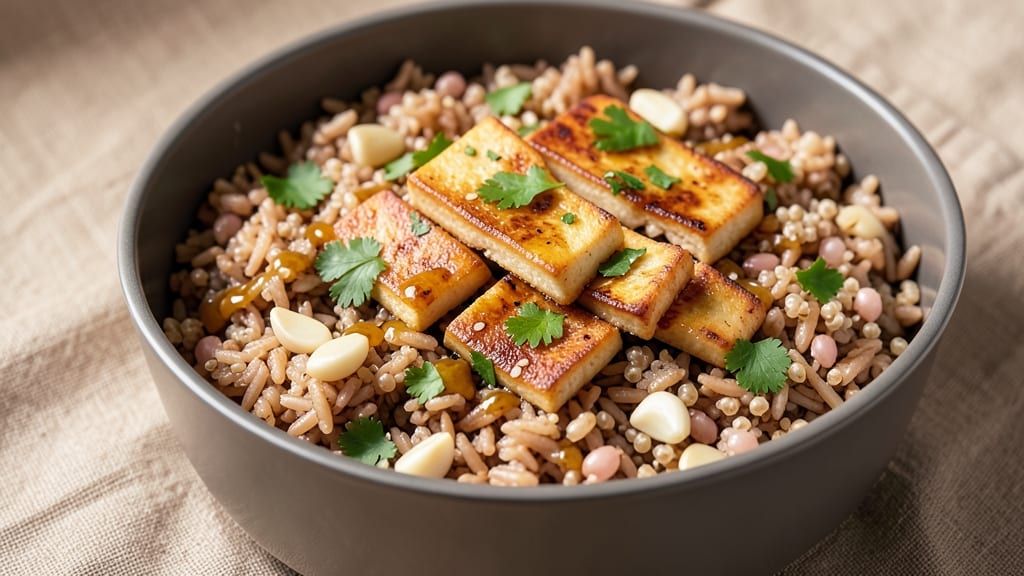
Cooking brown rice and quinoa in a rice cooker transforms a simple side into a protein-packed, hands-off grain bowl that’s ready in under 40 minutes.
The rice cooker’s even heat ensures perfectly tender grains with minimal effort, while the combination of brown rice and quinoa delivers a satisfying texture and balanced nutrition. This method eliminates the guesswork of stovetop cooking, making it ideal for meal prep or busy weeknights.
The secret to success lies in rinsing the grains thoroughly before cooking to remove excess starch, which prevents gumminess. Combine them in your rice cooker with a 1:1.5 grain-to-liquid ratio (water or broth) and let the appliance do the work—no stirring or monitoring required.
Once cooked, fluff gently with a fork for a light, separate texture, then customize with garlic, herbs, or citrus zest for extra flavor. Serve as a base for bowls, salads, or alongside proteins for a complete meal.
Ingredients for brown rice and quinoa recipe rice cooker
Simple grains, smart prep, and a rice cooker turn this into a protein-rich vegan meal base.
| Ingredient | Amount | Notes |
|---|---|---|
| Brown Rice 🌾 | 1 cup | Uncooked, long-grain preferred |
| Quinoa 🌾 | 1 cup | Uncooked, rinsed thoroughly |
| Water 💧 | 2 ½ cups | Or vegetable broth for flavor |
| Extra-Firm Tofu 🥬 | ½ lb | Cubed for protein boost |
| Garlic Cloves 🧄 | 3 cloves | Minced for aroma |
| Fresh Parsley 🌿 | ¼ cup | Chopped for freshness |
| Lemon Juice 🍋 | 1 tbsp | Freshly squeezed |
| Olive Oil 🫒 | 1 tbsp | Extra-virgin preferred |
| Sea Salt 🧂 | ½ tsp | To taste |
| Black Pepper 🌶️ | ¼ tsp | Freshly ground |
| Nutritional Yeast 🧀 | 1 tbsp | For cheesy flavor |
| Vegetable Broth 💧 | ½ cup | Optional for extra flavor |
| Sesame Seeds 🌰 | 1 tsp | Toasted for garnish |
The grains are the foundation—brown rice and quinoa together give you fiber, protein, and texture. Rinse them well before cooking to remove excess starch, which is key for avoiding gumminess. For the best results, use uncooked long-grain brown rice and rinsed quinoa—both are available at Whole Foods or any well-stocked grocery store. If you're short on time, pre-rinsed quinoa from the bulk section at Trader Joe's works perfectly. The extra-firm tofu adds protein without overpowering the grains, so don't skip it—it holds its shape when cubed and lightly seasoned.
No fresh parsley? Dried parsley at half the amount works in a pinch, though fresh is ideal. The vegetable broth is optional but adds depth—Pacific Foods or Imagine brands are reliable for flavor. If you're using water, add a pinch of salt to compensate. For the garlic, pre-minced jars save time, but fresh has more flavor. The nutritional yeast gives that cheesy note without dairy, and Bob's Red Mill is a trusted brand for quality. Swap sesame seeds for toasted pumpkin seeds if you prefer a different crunch—both add texture and nutrients.
Store cooked grains in an airtight container in the fridge for up to 5 days, or freeze for 3 months. The tofu can be prepped ahead and stored separately. For meal prep, divide into portions and reheat with a splash of water or broth to restore moisture. The lemon juice and herbs can be added fresh when serving to keep flavors vibrant. This keeps well for 4-5 days in the fridge, making it perfect for busy weeks.
Why You'll Love This Recipe
- Rice Cooker Magic: I swear by this method—just toss the grains in with water, press start, and walk away. No stirring, no timing, no burnt rice. The tofu and garlic steam right in, so you’re not stuck chopping or prepping separately.
- Garlic-Tofu Crunch: That crispy tofu edge with the creamy center? Chef’s kiss. The garlic cloves soften just enough to infuse the grains without overpowering, and honestly? It’s the kind of flavor that makes you reach for seconds without thinking.
- Meal Prep MVP: Between us, this is my go-to for lunches all week. The texture holds up perfectly—no mushy rice here—and it reheats like a dream. Pack it in containers, grab it on the go, or just keep it in the fridge for lazy nights.
- Budget-Friendly Powerhouse: Brown rice and quinoa bulk up fast, and tofu stretches further than you’d expect. I’ve fed four people for under $10, and the leftovers? Even better the next day. Plus, it’s one of those recipes where you actually use what you buy.
Step-by-step instructions for hands-off protein-packed grain bowl
This rice cooker method delivers perfectly cooked grains and crispy tofu with minimal effort.
Prepare the Grains and Tofu
Rinse the 1 cup quinoa thoroughly under cold water in a fine-mesh strainer until the water runs clear. This removes bitterness and ensures light, fluffy grains. Drain well and transfer to the rice cooker inner pot. Add the 1 cup brown rice and give everything a gentle stir to combine.
While the grains soak up moisture, press the 0.5 lb extra-firm tofu between two paper towels or clean kitchen towels. Place another dry towel on top and press firmly for 5 minutes to remove excess water. Cut the tofu into ½-inch cubes and set aside. The pressing step is crucial—it prevents soggy tofu and helps develop crispy edges when cooked.
Season and Cook the Tofu
Heat 1 tablespoon olive oil in a nonstick skillet over medium-high heat. Add the cubed tofu in a single layer and let it cook undisturbed for 3-4 minutes until the bottom develops a golden crust. Flip carefully and cook another 3-4 minutes until all sides are evenly browned. Transfer to a plate and set aside.
In the same skillet, add the 3 cloves minced garlic and cook for 30 seconds until fragrant. Immediately remove from heat and stir in 1 tablespoon lemon juice, 1 tablespoon nutritional yeast, 0.5 teaspoon sea salt, and 0.25 teaspoon black pepper. Pour this flavorful mixture over the cooked tofu and toss gently to coat. This step infuses the tofu with bright, savory flavors that complement the grains.
Cook the Grains in the Rice Cooker
Add 2.5 cups water (or 0.5 cup vegetable broth plus 2 cups water for extra flavor) to the rice cooker pot with the grains. Stir gently to distribute evenly. Close the lid and select the white rice setting—this typically cooks for 30-40 minutes on high heat. The grains are done when the rice cooker switches to "keep warm" mode and the grains are tender with no hard centers.
While the grains cook, toast the 1 teaspoon sesame seeds in a dry skillet over low heat for 1-2 minutes until fragrant. Keep them nearby for garnishing later. The sesame seeds add a nutty crunch that balances the soft texture of the grains and tofu.
Assemble and Garnish
Once the grains are fully cooked, fluff them gently with a fork to separate any clumps. Divide the grains evenly among 4 bowls. Top each serving with ¼ of the tofu cubes and their flavorful sauce. Sprinkle with 1 tablespoon chopped fresh parsley for freshness and brightness.
Finally, drizzle each bowl with a light stream of olive oil and finish with the toasted sesame seeds. The combination of chewy grains, crispy tofu, and aromatic toppings creates a balanced, protein-rich meal that's ready in under 45 minutes with minimal active time.
Pro Tips For Making Brown Rice And Quinoa Recipe Rice Cooker
- Rinse Both Grains: I used to skip this step, but rinsing brown rice and quinoa—separately—removes excess starch that turns your rice cooker’s finished dish into a gluey mess. Swirl each in a fine-mesh strainer under cold water until the water runs clear, then drain well. (Yes, even if the package says "pre-washed.")
- Toast Quinoa First: My grandmother swore by this, and she was right: Lightly toasting quinoa in a dry pan for 2-3 minutes before adding it to the rice cooker brings out its nutty flavor and prevents that chalky bite. Just watch it like a hawk—it burns faster than you’d think.
- Use 1:1.5 Water Ratio: The rice cooker’s default settings are usually wrong for brown rice and quinoa mixed. Aim for 1.5 cups water per cup of combined grains (adjust slightly based on your cooker’s quirks). Too little? You’ll get undercooked quinoa. Too much? Mushy rice. Taste-test after 20 minutes if unsure.
- Press Tofu Before Cooking: Extra-firm tofu still holds water like a sponge, and that means soggy, flavorless cubes in your dish. Wrap the block in a clean towel, place a heavy pan on top, and let it sit for 10 minutes. Then cube it—it’ll hold up better and absorb seasonings like a champ. (No towel? Use paper towels, but change them halfway.)
Troubleshooting perfect results
Grain Not Cooking Evenly
If your grains turn out unevenly cooked—some mushy, others hard—it’s likely due to improper liquid distribution. Always use the 1:1.5 grain-to-liquid ratio (e.g., 2.5 cups liquid for 2 cups total grains). Stir the grains and liquid gently after adding them to the rice cooker to ensure even moisture.
For stubborn hard spots, try adding ½ cup extra water next time and check your rice cooker’s manual for specific settings—some models need slightly more liquid for brown rice. 💧
Burnt or Stuck Grains
Burnt grains or a stuck pot usually means the rice cooker overheated. First, ensure your pot isn’t overfilled—never exceed the maximum fill line marked inside most rice cooker pots. If this happens, rinse the grains thoroughly before cooking to remove excess starch, which can cause sticking.
For future batches, reduce the heat setting if your model allows, or consider using the "quick cook" function for smaller portions. ⚡
Quinoa Too Bitter
Quinoa’s natural bitterness comes from saponins, a protective coating. Always rinse it thoroughly under cold water in a fine-mesh strainer until the water runs clear. If you’re short on time, pre-rinsed quinoa (like the bulk section at Trader Joe’s) skips this step entirely.
For extra flavor, add ½ cup vegetable broth instead of water—brands like Pacific Foods enhance the natural taste without bitterness. 🌿
Rice Cooker Leaking
Leaks happen when the lid isn’t sealed properly or the pot is overfilled. Double-check that the lid locks securely—some rice cookers have a small rubber gasket that may need cleaning if dried or dirty. Avoid overfilling; 2.5 cups liquid for 2 cups grains is ideal.
If leaks persist, try a silicone lid mat (available at Amazon) to create a tighter seal. Never force the lid shut—this can damage the mechanism. 🔧
Grains Still Crunchy After Cooking
Undercooked grains often mean insufficient liquid or cooking time. Increase the liquid by ¼ cup and extend the cook time by 5–10 minutes if your rice cooker has a manual setting. For brown rice, which takes longer than white, select the "brown rice" setting if available.
If using an older model, check the pot’s bottom—some rice cookers need a gentle stir halfway through cooking to ensure even heat distribution. ✨
Tofu Too Soggy
Soggy tofu usually means it wasn’t pressed long enough or cooked at the right temperature. Press it for 10 minutes (not just 5) and pat it dry with a paper towel before cubing.
Cook in a nonstick skillet over medium-high heat—too low a heat steams the tofu instead of browning it. For extra crispiness, let the tofu rest on a wire rack for 5 minutes after cooking to drain excess moisture. 🥬
Nutrition facts
Frequently asked questions
Can I cook brown rice and quinoa together in a rice cooker?
This combination works perfectly in a rice cooker. The key is using the 1:1.5 grain-to-liquid ratio—so for 1 cup each of brown rice and quinoa, use 2.5 cups water or broth. The rice cooker's even heat ensures both grains cook evenly without sticking. Rinse them thoroughly first to remove excess starch and prevent gumminess.
How do I adjust this recipe for a smaller rice cooker?
For smaller batches, maintain the same 1:1.5 grain-to-liquid ratio. If your rice cooker holds only 1 cup total grains, use 1.5 cups liquid. For example, ½ cup brown rice + ½ cup quinoa = 1 cup liquid. Always check your rice cooker's manual for maximum capacity—overfilling can cause leaks or uneven cooking.
Can I substitute white rice for brown rice in this recipe?
Yes, but the cooking time will differ. White rice cooks faster—reduce the liquid by ¼ cup and check for doneness at 20 minutes instead of 30-40 minutes. Brown rice needs more time to soften properly. The texture will be lighter, but the flavor profile remains similar. For best results, stick with brown rice for that nutty, hearty taste.
Why does my quinoa turn out mushy in the rice cooker?
Mushy quinoa usually means too much liquid or overcooking. Stick to the 1:1.5 ratio and avoid stirring during cooking. If your rice cooker has a "quick cook" setting, use it for quinoa (about 15-20 minutes total). For extra insurance, drain any excess water after cooking—quinoa absorbs all its liquid quickly. Fluff gently with a fork to separate grains.
Can I make this ahead of time for meal prep?
Perfect for meal prep! Cook the grains and tofu as directed, then store in an airtight container in the fridge for up to 5 days. Reheat with a splash of water or broth to restore moisture. Keep toppings like parsley and sesame seeds separate until serving to maintain freshness. For freezing, portion grains and tofu separately—they reheat best when thawed overnight in the fridge.