
Main Courses
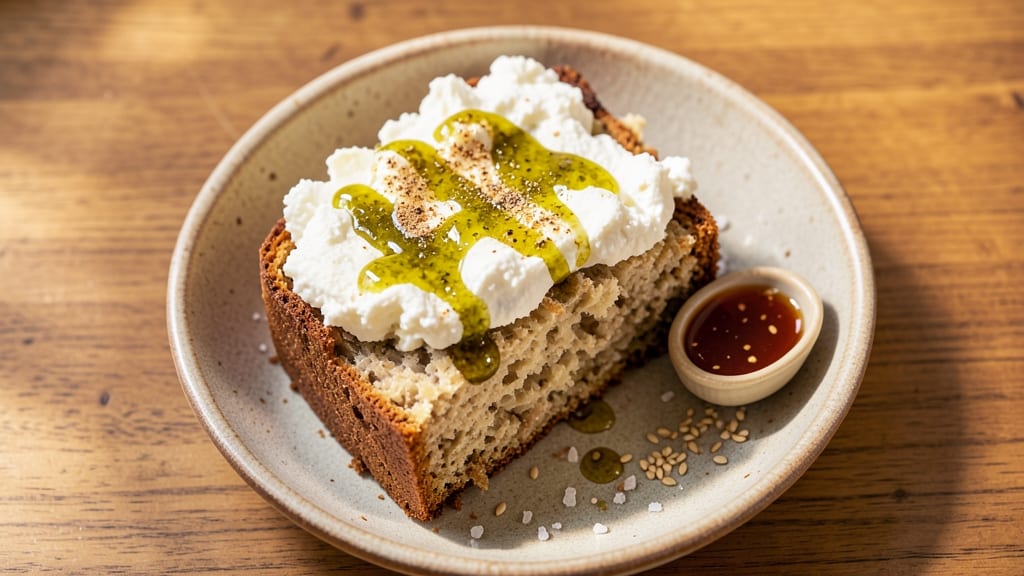
This gluten-free brown rice bread recipe delivers a surprisingly fluffy, chewy loaf without yeast—perfect for those avoiding gluten or yeast-based baking. The secret lies in a precise blend of aquafaba and baking soda, creating lift and structure while keeping the texture tender yet satisfying.
What makes this recipe stand out is its simplicity: no kneading, no waiting for yeast to rise, and a one-hour total time from start to finish.
What you’ll end up with is a golden-brown crust and a moist, slightly sweet crumb that’s rich in fiber and nutrients. The bread holds its shape beautifully when sliced and stays fresh for days, making it ideal for sandwiches, toast, or simply enjoying with butter.
This recipe proves that gluten-free baking can be both practical and delicious, without sacrificing texture or flavor.
Ingredients for brown rice bread recipe without yeast
Precision-measured dry ingredients meet a magic blend of aquafaba and vinegar for a gluten-free loaf that rises without yeast.
| Ingredient | Amount | Notes |
|---|---|---|
| Brown Rice Flour 🌾 | 2 ½ cups | Finely milled, gluten-free certified |
| Aquafaba 🥫 | ½ cup | Chickpea brine, unsalted, fresh |
| Granulated Sugar 🍚 | ¼ cup | Organic preferred for purity |
| Baking Soda 🧂 | 1 ½ tsp | Aluminum-free for best results |
| Salt 🧂 | ½ tsp | Diamond Crystal kosher |
| Apple Cider Vinegar 🍎 | 1 tbsp | Raw, unfiltered preferred |
| Extra-Virgin Olive Oil 🫒 | ¼ cup | Cold-pressed, fruity variety |
| Ground Flaxseed 🌱 | 1 tbsp | Freshly ground for binding |
| Water 💧 | ½ cup | Room temperature, filtered |
| Psyllium Husk Powder 🌿 | 1 tbsp | Pure, unscented variety |
| Vanilla Extract 🌸 | ½ tsp | Pure alcohol-free preferred |
| Sesame Seeds 🌻 | 1 tbsp | Toasted for garnish |
The brown rice flour is the backbone of this recipe—Bob's Red Mill or Anthony's brands deliver consistent texture. Psyllium husk powder is non-negotiable for structure; Now Foods offers a pure, unscented version that works perfectly. Aquafaba must be unsalted—brands like Annie's or Banza chickpeas yield the best results. For the vinegar, Bragg's raw apple cider vinegar adds subtle depth without overpowering. Toast your sesame seeds in a dry pan for 30 seconds—this enhances their nutty flavor and prevents bitterness during baking.
No aquafaba? Flax egg (1 tbsp ground flax + 3 tbsp water) substitutes at half the volume, though texture may be slightly denser. Swap olive oil for avocado oil if preferred, but avoid refined oils that lack flavor. For sweetness, maple syrup works at a 1:1 ratio, though it adds moisture. Psyllium husk powder can be tricky—measure carefully as it absorbs liquid differently than flour. The baking soda must be fresh (test by mixing with water; it should fizz immediately). Pre-ground flaxseed loses potency quickly—grind fresh or store in the freezer.
Store the bread in an airtight container at room temperature for 3-4 days, or freeze for up to 3 months. For maximum freshness, slice before storing—this prevents drying. The crust stays crisp for 24 hours post-baking, but toast lightly to revive. Leftovers reheat beautifully in a toaster or oven at 300°F for 5 minutes. Portion into individual slices for sandwiches or toast—this bread's dense yet tender crumb holds up perfectly when assembled.
Why You'll Love This Recipe
- No-Fuss Mixing: I swear by this recipe on days when I’m too tired to measure yeast. Just whisk aquafaba and sugar until it’s glossy, fold in the dry stuff—done. The baking soda handles all the rising, so no waiting for dough to proof.
- Sweet & Nutty Crunch: Brown rice flour gives it a toasty depth that’s almost like a cross between sourdough and a cinnamon roll. Honestly, the sugar caramelizes just enough to make every slice taste like dessert.
- Shelf-Stable Magic: This bread keeps for days in the fridge, and I’ve even frozen slices for toast later. It’s my go-to when I need something reliable—no sad, stale ends here.
- Pantry Staple Power: Between us, this recipe costs pennies. Brown rice flour and aquafaba (just chickpea brine!) mean no specialty ingredients, and the sugar keeps it simple. Perfect for when you’re broke or just don’t want to overthink it.
Step-by-step instructions for gluten-free brown rice bread
This method delivers a light, airy loaf without yeast or gluten—using science and precise technique.
Whisk Wet Ingredients to Create a Stable Base
In a medium bowl, combine the 0.5 cup aquafaba, 0.25 cup granulated sugar, 0.25 cup extra-virgin olive oil, 0.5 tsp vanilla extract, and 1 tbsp apple cider vinegar. Whisk vigorously for 3-4 minutes until the mixture triples in volume and forms stiff peaks—this mimics the structure yeast would normally create. The aquafaba acts as both a binder and leavening agent, so don't skip this aeration step.
Next, add the 1 tbsp ground flaxseed and 1 tbsp psyllium husk powder to the wet mixture. Whisk for another 2 minutes until fully dissolved and smooth. The psyllium husk absorbs liquid and creates an elastic network that mimics gluten's structure, while the flaxseed adds binding properties. The mixture should become thick and slightly gel-like—this is your gluten-free "dough" foundation.
Combine Dry Ingredients and Form a Cohesive Batter
In a separate large bowl, sift together the 2.5 cups brown rice flour, 1.5 tsp baking soda, and 0.5 tsp salt. This ensures even distribution of leavening and prevents dense pockets in your bread. Make a well in the center and carefully pour in the wet ingredient mixture. Using a spatula, gently fold everything together just until combined—overmixing develops gluten-like proteins in the flour that we want to avoid.
Add the 0.5 cup water and continue folding until you achieve a thick, shaggy batter that clings to the spatula but doesn't stick excessively. The batter should be slightly sticky but manageable—this consistency is crucial for proper rise and texture. If it's too dry, add 1 teaspoon of water; if too wet, incorporate 1 tablespoon of brown rice flour. The goal is a cohesive mass that holds together when pressed gently.
Prepare the Pan and Transfer the Batter
Preheat your oven to 350°F and lightly grease a 9x5-inch loaf pan with olive oil or line it with parchment paper for easy removal. The pan should be warm when you add the batter to prevent sticking. Using a spatula, carefully transfer the batter to the prepared pan, spreading it evenly to the edges. The batter will be thick but should flow to fill the pan completely—tap the pan gently on the counter to eliminate air bubbles.
Smooth the top with the back of the spatula and sprinkle the 1 tbsp sesame seeds evenly over the surface. These seeds will add texture and visual appeal while toasting slightly during baking. Place the pan on the middle rack of your oven and bake for 50-55 minutes, until the top is golden brown and a toothpick inserted in the center comes out clean. The bread is done when it springs back slightly when pressed gently—this indicates proper structure without gumminess.
Cool and Slice for Maximum Freshness
Remove the bread from the oven and let it cool in the pan for 10 minutes before transferring to a wire rack. This gradual cooling prevents the loaf from collapsing as it sets. While cooling, you'll notice the bread develops a crisp exterior while remaining tender inside—a hallmark of proper gluten-free baking technique. The sesame seeds should be lightly toasted, adding a nutty aroma to your kitchen.
Allow the bread to cool completely before slicing—this ensures clean cuts and prevents the loaf from falling apart. Each slice should reveal an even crumb with a slight sheen from the olive oil, indicating proper moisture balance. Store any leftovers in an airtight container at room temperature for up to 3 days or freeze for longer storage. This bread is best enjoyed fresh, with its tender crumb and subtle sweetness from the vanilla and sugar.
Pro Tips For Making Brown Rice Bread Recipe Without Yeast
- STIR THE AQUAFABA FIRST: Whip the aquafaba (chickpea brine) until it forms stiff peaks before adding anything else—this is the thing that matters most for structure. I learned this the hard way after my first batch collapsed like a sad soufflé; skip the rush and use a hand mixer for 4-5 minutes until it looks like meringue.
- SIFT THE BROWN RICE FLOUR: Don’t just dump that flour—sift it through a fine-mesh strainer into your mixing bowl. Brown rice flour is dense, and unsifted batches make bread that’s dense and gummy. (Yes, even if you’re impatient like me.)
- WAIT 10 MINUTES BEFORE BAKING: Let the batter sit uncovered for 10 minutes after mixing—this lets the baking soda fully activate and the flour absorb moisture. I was skeptical until I tried it; the texture goes from crumbly to tender overnight.
- USE A LIGHT HAND WITH SUGAR: Too much granulated sugar (more than ¼ cup) will dry out the bread and make it taste one-note. Stick to the recipe’s amount unless you’re adding moisture elsewhere—like fruit or yogurt. (Your future self will thank you.)
Wine and beer pairings for this brown rice bread recipe without yeast
Light White Wine
This bread's subtle sweetness and nutty undertones pair beautifully with a crisp Sauvignon Blanc from New Zealand or France. Look for wines with citrus notes like Cloudy Bay or Marlborough Sauvignon Blanc—their bright acidity cuts through the bread's richness while complementing the vanilla and sesame seeds.
Serve slightly chilled (45-50°F) to enhance the wine's refreshing qualities. 🍷
Dry Rosé
A dry Provence-style rosé offers a perfect balance to the bread's earthy brown rice flavor. Choose wines with a touch of strawberry or melon, like Whispering Angel or Château d'Esclans.
The pale color and light body won't overpower the bread's texture, while the wine's subtle fruitiness enhances the sesame seeds' nutty profile. Opt for a temperature of 50-55°F to preserve its delicate aromas.
Light Beer Pairings
For beer lovers, a wheat beer or Belgian witbier works wonderfully. Try Allagash White or Hoegaarden—their citrusy notes and effervescence cleanse the palate between bites. The beer's slight sweetness also complements the bread's subtle vanilla flavor.
Serve at 45-50°F to maintain crispness. Alternatively, a pilsner like Pilsner Urquell provides a lighter, more neutral backdrop that lets the bread shine.
Non-Alcoholic Options
Don't overlook sparkling water or infused sodas for a refreshing match. Try San Pellegrino Aranciata (blood orange soda) for a sweet-tart contrast, or LaCroix Ginger Lime to highlight the bread's nutty undertones.
For a more substantial pairing, a chilled hibiscus iced tea with a hint of cinnamon echoes the bread's warm spices while keeping things light and refreshing. ✨
After-Dinner Digestif
Finish your meal with a small glass of sherry or Port wine to complement the bread's lingering flavors. A Fino sherry (dry and nutty) or Ruby Port (slightly sweet) enhances the sesame and vanilla notes.
Serve sherry at 55-60°F and Port slightly warmer (60-65°F) to bring out their complex aromas. These pairings work beautifully with the bread's earthy, nutty profile.
Nutrition facts
Frequently asked questions
Can I substitute aquafaba in this gluten-free bread recipe?
Yes, but with some adjustments! For 0.5 cup aquafaba, use 3 tablespoons ground flaxseed mixed with 9 tablespoons water (let sit for 5 minutes to thicken). This creates a flax egg that mimics aquafaba's binding properties, though the texture may be slightly denser. For extra lift, add 1/4 teaspoon extra baking soda to the dry ingredients.
Why does my brown rice bread turn out gummy instead of fluffy?
Gummy texture usually means overmixing or insufficient baking. First, ensure you're folding the batter just until combined—overmixing develops gluten-like proteins in the rice flour. Second, check your oven temperature (use an oven thermometer) and bake until a toothpick comes out clean. Finally, let the bread cool completely before slicing to prevent gumminess.
How do I make this bread more savory instead of sweet?
Reduce the sugar to 1/4 cup and replace it with 1 tablespoon nutritional yeast or 1/2 teaspoon onion powder. Add 1/2 teaspoon garlic powder and omit the vanilla. For extra depth, sprinkle 1 teaspoon dried herbs (like rosemary or thyme) on top before baking. The sesame seeds will add nutty contrast to the savory profile.
Can I make this bread in a different shaped pan?
Yes! This batter works well in 8x4-inch loaf pans (bake 45-50 minutes) or even a 9-inch round cake pan (bake 35-40 minutes). For freeform shapes, spread the batter onto a parchment-lined baking sheet and bake at 375°F for 25-30 minutes until golden. Just reduce the psyllium husk by 1 teaspoon to prevent over-structuring in smaller shapes.
How do I store leftovers to keep them fresh?
Store slices in an airtight container at room temperature for 3 days, or freeze individual slices for up to 3 months. For extra freshness, wrap slices in plastic wrap and place them in the container. To revive stale bread, warm slices in a toaster or oven at 300°F for 5 minutes—this restores crispness without drying.