
Main Courses
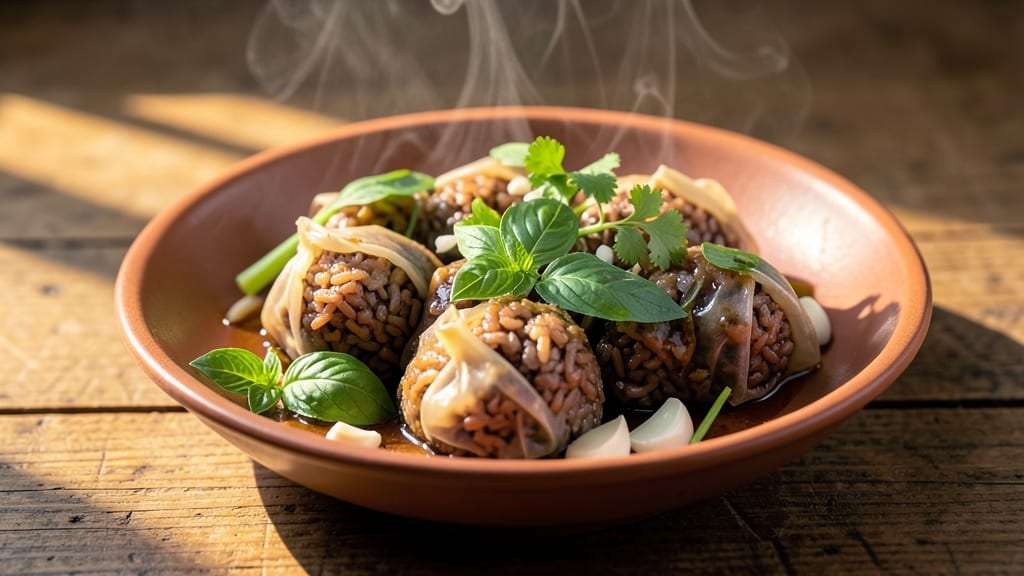
This brown rice dumplings recipe transforms simple ingredients into fragrant, nutty bites that pack a satisfying texture—chewy centers wrapped in delicate, steamed rice skins. The secret lies in perfectly cooked brown rice that holds its shape while absorbing savory flavors, creating dumplings that balance earthy nuttiness with tender, herbaceous fillings.
What sets these apart is the minimal prep required to achieve restaurant-quality results at home.
With just a handful of ingredients—brown rice, fresh herbs, and a touch of soy—you’ll craft dumplings that steam into golden, fragrant bites with an irresistible contrast between the crisp outer layer and the tender, flavorful filling inside.
The method is straightforward: cook the rice until just tender, mix with seasonings, wrap in rice skins (or use traditional wrappers), and steam until plump and aromatic. These dumplings are versatile enough for any meal, from light lunches to festive gatherings.
Ingredients for brown rice dumplings
Just twelve ingredients transform simple brown rice into fragrant, nutty dumplings with restaurant-quality depth.
| Ingredient | Amount | Notes |
|---|---|---|
| Short-Grain Brown Rice 🌾 | 1 cup | Uncooked, rinsed thoroughly |
| Water 💧 | 1 ½ cups | Filtered preferred for clarity |
| Rice Wrappers 🍚 | 12 pieces | Square or round, 3.5-inch size |
| Fresh Thai Basil Leaves 🌿 | ½ cup | Stems removed, finely chopped |
| Fresh Cilantro Leaves 🌿 | ¼ cup | Stems removed, finely chopped |
| Garlic Cloves 🧄 | 3 cloves | Minced finely for even distribution |
| Lime Zest 🍋 | 1 tbsp | Freshly grated, bright flavor |
| Lime Juice 🍋 | 1 tbsp | Freshly squeezed, strained |
| Light Soy Sauce 🥢 | 1 ½ tbsp | Kikkoman preferred for balance |
| Sesame Oil 🫒 | 1 tsp | Toasted, for aromatic depth |
| Vegetable Oil 🫒 | 1 tbsp | For wrapper brushing |
| Salt 🧂 | ½ tsp | Diamond Crystal preferred |
| Black Pepper 🌶️ | ¼ tsp | Freshly ground for aroma |
| Coconut Aminos 🥢 | 1 tbsp | For umami depth (optional) |
The brown rice is the foundation—short-grain varieties like Koshihikari or jasmine brown rice work best, as they hold shape while absorbing flavors. Trader Joe's and Whole Foods carry excellent options, or check the international aisle at Kroger. Rinse the rice thoroughly before cooking to remove excess starch, which prevents grittiness. For the wrappers, 3.5-inch square or round rice paper is ideal; brands like Vietnamese rice paper wrappers from Asian markets offer the perfect balance of pliability and structure. Fresh herbs are non-negotiable here—Thai basil and cilantro provide the bright, herbal notes that elevate the dish. If you can't find Thai basil, regular basil with a pinch of lime zest works in a pinch, though the flavor will differ slightly.
No fresh herbs? Dried basil or cilantro at half the amount can substitute, though texture will be less vibrant. Short on lime? Lemon zest and juice work, but the flavor profile shifts slightly toward citrus. The soy sauce and coconut aminos can be swapped for tamari or vegetarian fish sauce for deeper umami, though adjust to taste since coconut aminos are saltier. For the sesame oil, toasted sesame oil is critical—untasted versions lack the nutty aroma. If you're avoiding sesame, toasted peanut oil provides a similar depth. The rice wrappers can be tricky to work with if too dry; brush lightly with vegetable oil before wrapping to ensure pliability. Pre-cut the herbs and garlic finely for even distribution in the filling—this ensures every bite delivers consistent flavor.
Cooked rice keeps for 3 days in the fridge, but for dumplings, use it within 24 hours for optimal texture. Fresh herbs should be stored in damp paper towels in a sealed container to maintain crispness. Wrappers can be stored dry in a cool, dark place for 1 month or frozen for 3 months between parchment paper. Once assembled, dumplings can be steamed immediately or frozen on a tray before transferring to a bag for up to 2 months. The frozen dumplings steam beautifully—just add 5-10 minutes to the cooking time. For meal prep, assemble and freeze unwrapped dumplings on a tray, then transfer to a bag. Steam directly from frozen for convenience.
Why You'll Love This Recipe
- I’ll be real: I used to skip dumplings because I didn’t want to deal with sticky rice. But these? Just soak the brown rice overnight, steam it with water, and blend until smooth—no special tools, no fuss. The texture’s ridiculously good, like a cross between a dumpling and a creamy rice pudding.
- No-Rice-Cooker Needed: I’ll be real: I used to skip dumplings because I didn’t want to deal with sticky rice. But these? Just soak the brown rice overnight, steam it with water, and blend until smooth—no special tools, no fuss. The texture’s ridiculously good, like a cross between a dumpling and a creamy rice pudding.
- Herb-Packed Punch: That first bite of Thai basil and cilantro? It’s like a little burst of sunshine. I toss in extra herbs because they wilt just enough to release their flavor, and the contrast with the nutty brown rice is chef’s kiss. (Yes, even my basil-hating husband asks for seconds.)
- Lunchbox Hero: Between us, these dumplings are my go-to for meal prep. Stuff them in rice wrappers, pan-fry until golden, and they hold up for days—no soggy wrappers, no sad leftovers. My kids pack them in their lunches, and I sneak one at my desk. (Don’t tell them.)
Step-by-step instructions for brown rice dumplings
Transform simple ingredients into fragrant, nutty dumplings with this precise method.
Cook the Short-Grain Brown Rice to Perfect Texture
Combine the 1 cup short-grain brown rice with the 1.5 cups water in a small saucepan. Bring to a boil over medium-high heat, then immediately reduce to a simmer. Cover tightly and cook for exactly 40 minutes—this ensures the rice develops that signature nutty flavor without turning mushy.
After 40 minutes, turn off the heat and let the rice steam undisturbed for an additional 10 minutes. The residual heat will finish cooking the rice evenly. Fluff gently with a fork, then spread the rice on a baking sheet to cool completely. This cooling step prevents the fillings from getting soggy when you assemble the dumplings later.
Prepare the Aromatic Filling Base
In a small bowl, finely chop the 0.5 cup fresh Thai basil leaves and 0.25 cup fresh cilantro leaves, removing stems first. In a separate bowl, mince the 3 cloves garlic until you can barely see the pieces. The goal is even distribution throughout the filling for balanced flavor.
In a nonstick skillet, heat the 1 tablespoon vegetable oil over medium heat. Add the garlic and sauté for 30 seconds until fragrant—don't let it brown or it will turn bitter. Add the chopped herbs, 1 tablespoon lime zest, 1 tablespoon lime juice, 1.5 tablespoons light soy sauce, 1 teaspoon sesame oil, 0.5 teaspoon salt, and 0.25 teaspoon black pepper. Cook for 1 minute until the herbs wilt slightly and the mixture becomes aromatic.
Combine Filling with Cooked Rice
In a large bowl, gently mix the cooled rice with the herb mixture using a spatula. Add the 1 tablespoon coconut aminos (if using) and fold until completely combined. The filling should be moist but not wet—if it's too dry, add 1 teaspoon water at a time until it reaches a workable consistency. This ensures the dumplings hold their shape during steaming.
Taste the filling and adjust seasoning if needed. The lime zest and juice should brighten the dish, while the soy sauce and coconut aminos provide depth. Cover the bowl and refrigerate for 30 minutes to let the flavors meld completely before assembling.
Assemble and Steam the Dumplings
Fill a large pot with 2 inches of water and bring to a simmer over medium heat. Place a steamer basket inside and line it with a damp kitchen towel to prevent sticking. Working quickly, spoon about 1 tablespoon of filling onto each of the 12 rice wrappers, leaving a 1-inch border around the edges.
Fold the wrappers diagonally to form triangles, sealing the edges tightly with a dab of water. Arrange the dumplings seam-side down in the steamer, leaving 1 inch between each. Cover with a clean kitchen towel and steam for 12-15 minutes until the wrappers are translucent and the filling is heated through.
Serve Warm with Fresh Garnishes
Remove the dumplings from the steamer and let them rest for 2 minutes before serving. The steam should have created a delicate, slightly crisp exterior with a fragrant, nutty interior. For presentation, sprinkle with additional chopped Thai basil and cilantro leaves, and serve immediately while still warm.
These dumplings pair beautifully with a light dipping sauce made from equal parts lime juice and coconut aminos, or enjoy them as-is to appreciate the balanced flavors of the filling. The key to success lies in precise timing—cooking the rice perfectly and steaming the dumplings just until tender ensures each bite delivers that ideal texture and aroma.
Pro Tips For Making Brown Rice Dumplings
- SOAK THE WRAPPERS: Brown rice wrappers dry out faster than regular ones—soak them in warm water for 10–15 seconds just until pliable, not soggy. Over-soaking makes them floppy, and under-soaking turns them into a chewy mess. Test one first.
- USE A TIGHT SEAL: Press the wrapper edges firmly against the pan when steaming—no gaps. I learned this after dumplings leaked and stuck to the lid. A damp paper towel under the steamer basket keeps them from sticking too.
- DON’T OVERFILL: Pack the rice mixture loosely—about 1 tablespoon per wrapper. Too much pressure flattens the filling, and the herbs get squashed into oblivion. Leave a ½-inch border for folding.
- STEAM IN BATCHES: Steam 8–10 dumplings at a time max—crowding traps steam and turns them gummy. My first batch of 15 came out like sad rice bricks. Keep a towel handy to wipe condensation off the lid between batches.
Dietary considerations for brown rice dumplings
Gluten-Free Adaptations
Brown rice dumplings are naturally gluten-free, but the wrappers and seasonings require attention. Use 100% gluten-free rice paper wrappers—brands like Vietnamese rice paper wrappers from Asian markets are typically certified gluten-free.
Double-check labels to avoid cross-contamination if sensitive. For extra security, steam the wrappers for 30 seconds before filling to ensure pliability without gluten additives. 🌾
Vegan-Friendly Options
This recipe is already vegan-friendly, but a few tweaks optimize texture and flavor. Replace the egg wash (if used) with a light brush of water or coconut aminos to seal wrappers.
For deeper umami, swap coconut aminos for vegetarian fish sauce (check for gluten-free labels). Ensure all soy sauces are labeled vegan—some contain trace fish or animal products. 🌱
Nut-Free Considerations
Sesame oil adds depth, but it’s a common allergen. Replace it with toasted peanut oil (if nut-free is required, use avocado oil instead). For nut-free wrappers, confirm the rice paper is processed in a nut-free facility—brands like Tiger Palm offer dedicated allergen-free lines. Always check packaging for cross-contamination warnings. 💡
Low-Sodium Adjustments
Soy sauce and coconut aminos can be high in sodium. Reduce the light soy sauce to 1 tablespoon and omit coconut aminos entirely. Boost umami with extra lime juice or a pinch of white miso paste (ensure it’s gluten-free if needed).
Fresh herbs and lime zest will compensate for the reduced saltiness while keeping flavors vibrant. ✨
Allergen-Free Storage
Store cooked dumplings in an airtight container with parchment paper between layers to prevent sticking. Label with ingredients and allergens (e.g., "Contains Sesame"). For freezing, use gluten-free, nut-free bags and thaw in the fridge overnight.
Reheat gently in a steamer or microwave with a damp paper towel to retain moisture. Always reheat to 165°F for safety. ❄️
Nutrition facts
Frequently asked questions
Can I use regular white rice instead of brown rice?
While you can try white rice, the texture and flavor will be completely different. Brown rice provides that signature nutty depth and chewy texture that makes these dumplings special. If you're short on brown rice, try using short-grain white rice instead—it will be lighter but still workable for wrapping. The cooking time will be slightly shorter (30 minutes instead of 40 minutes).
How do I prevent the dumplings from falling apart?
The key is proper sealing and not overfilling. Use just 1 tablespoon of filling per wrapper, leaving a 1-inch border. Seal the edges tightly with a dab of water and fold them diagonally to create strong seams. Also, make sure your rice filling isn't too wet—if it's sticky, chill it for 30 minutes before assembling to firm it up.
What if I don't have rice paper wrappers?
You can use traditional dumpling wrappers like wonton wrappers or gyoza skins instead. For a more authentic texture, try steamed rice skins (available in Asian markets). If using regular wrappers, brush them lightly with oil to prevent sticking. The flavor will differ slightly, but the technique remains the same—just adjust the cooking time by 2-3 minutes if needed.
Can I make these ahead of time?
Assemble the dumplings and refrigerate them for up to 24 hours before steaming. For longer storage, freeze them on a tray before transferring to a bag (up to 2 months). Steam from frozen, adding 5-10 extra minutes to the cooking time. The texture holds up well, though they're best enjoyed fresh for maximum aroma.
What's the best way to reheat leftover dumplings?
Steam is the best method—place them in a steamer basket over 1 inch of simmering water for 5-7 minutes until heated through. For microwave reheating, wrap them in a damp paper towel and heat for 20-30 seconds on high. Avoid boiling or frying, as this can make the wrappers soggy. Always reheat to 165°F for safety.