
Main Courses
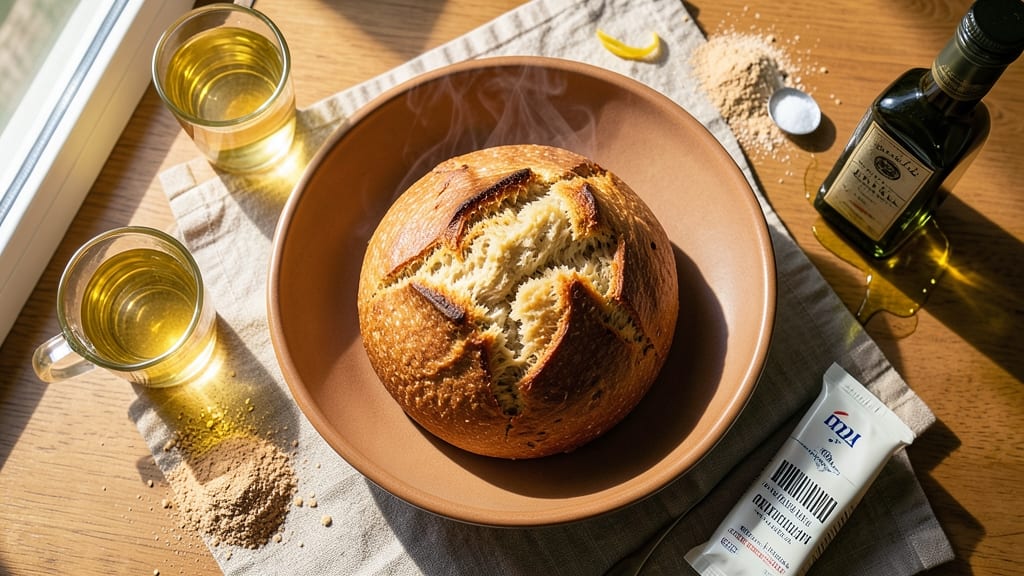
This brown rice flour bread recipe with yeast delivers a surprisingly light, airy loaf with nutty depth—perfect for sandwiches or toast. The secret lies in proper yeast activation and hydration balance, transforming dense rice flour into a bread with satisfying structure.
I’ve refined this recipe over years to ensure a tender crumb and crispy crust without eggs or dairy.
What sets this apart is the foolproof method for achieving lift in gluten-free baking: a combination of vital wheat gluten, proper kneading, and controlled proofing. The result? A bread that’s sturdy enough for grilled cheese yet tender enough to melt in your mouth.
Ready to master plant-based baking that doesn’t compromise on texture or flavor?
Ingredients for brown rice flour bread recipe with yeast
The foundation for gluten-free bread that rivals traditional loaves—nutty depth meets airy texture.
| Ingredient | Amount | Notes |
|---|---|---|
| Brown Rice Flour 🌾 | 3 cups | Fine-ground for optimal texture |
| Vital Wheat Gluten 🌾 | ½ cup | Essential for gluten structure |
| Active Dry Yeast 🍞 | 2 ¼ tsp | Instant yeast works too |
| Granulated Sugar 🍚 | 1 tbsp | Feeds yeast for activation |
| Warm Water 💧 | 1 ¼ cups | Not boiling, just warm |
| Extra-Virgin Olive Oil 🫒 | ¼ cup | High-quality for flavor |
| Flaxseed Meal 🌱 | ¼ cup | For vegan egg substitute |
| Apple Cider Vinegar 🍎 | 1 tbsp | Enhances gluten development |
| Salt 🧂 | 1 ½ tsp | Diamond Crystal preferred |
| Ground Flaxseed 🌱 | 2 tbsp | For dough elasticity |
| Sesame Seeds 🌿 | 1 tbsp | Optional for crust texture |
| Black Sesame Seeds 🌿 | 1 tbsp | For nutty flavor depth |
The brown rice flour must be fine-ground for proper gluten formation—Bob's Red Mill or Anthony's brands are ideal. Vital wheat gluten is non-negotiable; it provides the structural protein rice flour lacks. For yeast, Saf-Instant works best but requires no proofing time. Warm water should be between 105-110°F—too hot kills yeast, too cold slows activation. The flaxseed meal creates a vegan binder that mimics eggs perfectly when combined with water (let it thicken for 5 minutes before adding). Apple cider vinegar enhances gluten development without altering flavor.
No flaxseed meal? Chia seeds work at double the amount (1 tbsp chia + 3 tbsp water = 0.25 cup flax substitute). Olive oil can be swapped for avocado oil if preferred, though it lacks fruity notes. Sesame seeds are optional but add beautiful texture—black sesame provides extra nutty depth. For salt, Diamond Crystal measures differently than table salt (use 1/4 tsp less if using Morton's). Vital wheat gluten can be replaced with xanthan gum (1/4 tsp) in a pinch, though texture will differ. Store flours in airtight containers to prevent rancidity—brown rice flour oxidizes faster than white.
This dough requires 1-2 hours of proofing at room temperature—75-80°F is ideal. For best results, shape the loaf in a 9x5-inch loaf pan lined with parchment paper. Steam the crust during baking by placing a tray of boiling water in the oven for the first 10 minutes. Cool completely on a wire rack before slicing—2 hours minimum—to prevent gummy texture. Sesame seeds can be toasted briefly in a dry pan for enhanced aroma. Stores well for 3-4 days in an airtight container or freezes beautifully for up to 3 months when wrapped tightly.
Why You'll Love This Recipe
- No-Fuss Dough: Mixing this bread is like making pancakes—just stir, let it rise, and shape. The vital wheat gluten handles all the heavy lifting for a sturdy texture without the fuss of kneading.
- Nutty Earthy Bite: That brown rice flour gives it a subtle, toasty depth you won’t find in white bread. Pair it with butter or jam, and it’s like a cozy hug for your taste buds.
- Meal Prep MVP: Slices perfectly for sandwiches, toast, or even croutons—no one will guess it’s gluten-free. I keep a loaf in the fridge all week for quick lunches.
- Budget-Friendly Staple: Brown rice flour and yeast are cheap, and this recipe stretches further than most. Honestly, it’s my go-to when I’m buying in bulk but keeping costs low.
Step-by-step instructions for brown rice flour bread with yeast
Here's the precise method to achieve a light, airy loaf with nutty depth and proper gluten structure.
Activate the Yeast and Mix Wet Ingredients
In a small bowl, combine the 1.25 cups warm water (about 110°F), 1 tbsp granulated sugar, and 2.25 tsp active dry yeast. Let this sit for 5-10 minutes until frothy—this confirms the yeast is active. If it doesn't bubble, your yeast may be dead and you'll need to start over.
In a separate large bowl, whisk together the 0.25 cup extra-virgin olive oil, 0.25 cup flaxseed meal, 1 tbsp apple cider vinegar, and 2 tbsp ground flaxseed. The mixture will thicken slightly as the flaxseed absorbs liquid. This combination replaces eggs while providing structure and moisture to the bread.
Combine Dry Ingredients and Form the Dough
In the same large bowl, sift in the 3 cups brown rice flour and 0.5 cup vital wheat gluten to eliminate lumps. Add the 1.5 tsp salt and mix gently with a wooden spoon. The gluten is crucial here—it provides the elastic structure that brown rice flour lacks on its own.
Pour the yeast mixture into the dry ingredients and stir until a shaggy dough forms. The dough will be sticky and wet, which is normal. Avoid adding extra flour at this stage—it can inhibit gluten development. Instead, wet your hands slightly before handling the dough to prevent sticking.
Knead and Develop Gluten for Optimal Structure
Transfer the dough to a lightly floured surface and knead for 5-7 minutes by hand, or use a stand mixer with a dough hook on medium speed for 4-5 minutes. You're aiming for a smooth, elastic dough that pulls away from the sides of the bowl. The gluten strands should be visible and cohesive.
If the dough feels too sticky, wet your hands and continue kneading. If it's too dry, add 1 tsp warm water at a time. The ideal consistency is slightly tacky but not wet. This kneading step is where the bread's texture is determined—don't rush it.
First Rise and Prepare for Shaping
Lightly oil a large mixing bowl, place the dough inside, and cover with a damp towel or plastic wrap. Let it rise in a warm place (75-80°F) for 1-2 hours, or until it has doubled in size. The dough should feel springy when gently pressed—this indicates proper fermentation.
While the dough rises, prepare your baking pan by greasing it lightly with olive oil. Sprinkle 1 tbsp sesame seeds and 1 tbsp black sesame seeds evenly across the bottom. These seeds will add texture and nutty flavor to the crust while preventing sticking.
Shape, Second Rise, and Bake to Perfection
Gently punch down the risen dough to release air, then shape it into a loaf and place it seam-side up in the prepared pan. Cover again and let it rise for an additional 30-45 minutes until it domes slightly above the pan's edges. This second rise ensures maximum oven spring.
Preheat your oven to 375°F with a baking stone or inverted baking sheet inside for 20 minutes to create steam. Bake the bread for 35-40 minutes until the internal temperature reaches 190-200°F and the crust is deep golden brown. Tap the bottom—it should sound hollow.
Cool and Serve for Maximum Flavor
Remove the bread from the oven and let it cool on a wire rack for at least 30 minutes before slicing. This resting period allows the gluten to relax and redistributes moisture throughout the loaf. Cutting too soon results in a gummy texture.
For best results, serve the bread warm or at room temperature. The interior should be soft and slightly crumbly with a subtle chew, while the crust delivers a satisfying crunch and nutty depth from the brown rice flour and sesame seeds.
Pro Tips For Making Brown Rice Flour Bread Recipe With Yeast
- Mix the Gluten First: Brown rice flour absorbs moisture like a sponge, but vital wheat gluten needs to hydrate separately. Whisk the gluten into warm water first, then mix it into the dry ingredients—this prevents clumping and guarantees a lighter crumb. I used to add it dry, and the bread turned out dense and gummy.
- Proof the Yeast Slowly: This isn’t your standard white-flour dough, so the yeast needs patience. Dissolve sugar in warm water (105–110°F), sprinkle yeast on top, and wait 10–15 minutes until it’s just foamy—not bubbling like a science experiment. Rushing it leads to weak fermentation and a flat loaf.
- Knead Like You Mean It: Brown rice flour dough is stubborn. After mixing, hit it with 8–10 minutes of vigorous kneading by hand (or 5–6 minutes in a stand mixer with a dough hook). The gluten needs to develop fully to hold the structure—skimp here, and your bread will crumble like a sad sandwich.
- Steam the First 15 Minutes: Place a metal tray on the oven rack below your loaf and pour boiling water into it as soon as the oven hits 375°F. The steam helps the crust set without cracking, especially since brown rice flour lacks the elasticity of wheat. No tray? A spray bottle works in a pinch—just mist the dough before baking.
Flavor customization for this dish
Sweet Variations
Add 1 tbsp honey or 1 tbsp maple syrup to the wet ingredients for a subtle sweetness that pairs beautifully with savory fillings. I often use agave nectar for a neutral flavor that won’t overpower the nutty brown rice notes.
For a dessert bread, try swapping 1/4 cup of the brown rice flour for oat flour and adding 1/2 cup raisins or chopped dried apricots to the dough after kneading. 🍯
Herb-Infused Crusts
Enhance the crust with fresh herbs by mixing 1 tbsp finely chopped rosemary or thyme directly into the dough during the final kneading stage. For a Mediterranean twist, sprinkle 1 tsp dried oregano and 1/2 tsp crushed red pepper flakes on top before baking.
I love adding 1 tbsp sesame seeds mixed with 1/2 tsp garlic powder for an aromatic crust that complements any sandwich filling.
Seed Blends for Texture
Experiment with seed blends by topping the loaf with 1 tbsp pumpkin seeds and 1 tbsp sunflower seeds before baking. For a crunchier texture, toast the seeds in a dry skillet for 2-3 minutes until fragrant.
Another favorite is mixing 1 tbsp ground flaxseed with 1 tbsp chia seeds and sprinkling them on top—this adds extra fiber and a delightful nutty crunch. 🌱
Savory Add-Ins
Transform this bread into a savory loaf by incorporating 1/4 cup nutritional yeast into the dough for a cheesy flavor without dairy. For a heartier version, fold in 1/2 cup finely chopped mushrooms or sun-dried tomatoes during the final kneading stage.
I also love adding 1 tbsp smoked paprika to the dough for a subtle smokiness that pairs perfectly with grilled sandwiches.
Global Flavor Twists
Give your bread an international flair by adding 1 tsp ground cumin and 1/2 tsp turmeric for a Middle Eastern-inspired loaf. For an Asian-inspired version, mix 1 tsp grated fresh ginger and 1/2 tsp five-spice powder into the dough.
These global twists add exciting depth while keeping the bread’s signature nutty texture intact. 🌍
Nutrition facts
Frequently asked questions
Why does my brown rice flour bread turn out dense instead of light?
This usually happens when gluten development is insufficient or proofing isn't long enough. The vital wheat gluten is key—don't skip it! Knead for at least 5 minutes by hand or 4 minutes with a mixer, and let the dough rise until it doubles in size (1-2 hours). Also ensure your yeast is active (it should bubble when mixed with warm water).
Can I substitute brown rice flour with white rice flour?
Yes, but expect a less nutty flavor and slightly different texture. Use a 1:1 ratio, but add 1 extra tablespoon of water since brown rice flour absorbs more moisture. For best results, combine with 1/4 cup oat flour to improve structure. The bread will still rise, but the crust may be less crisp.
How do I store this bread to keep it fresh?
Wrap the cooled loaf tightly in plastic wrap or store in an airtight container at room temperature for 3-4 days. For longer storage, freeze the bread (sliced or whole) for up to 3 months. To reheat, wrap slices in a damp paper towel and warm in a 350°F oven for 5-7 minutes for that fresh-baked feel.
What's the best way to toast this bread?
Toast slices in a preheated 375°F oven for 3-5 minutes on each side for even browning. For stovetop toasting, use a dry pan over medium-high heat for 1-2 minutes per side. The bread's nutty flavor intensifies when toasted—perfect for avocado toast or grilled cheese!
Can I make this bread without vital wheat gluten?
While possible, texture will suffer significantly. As a substitute, try 1/4 tsp xanthan gum or 1/4 cup oat flour in addition to the brown rice flour, but results will be less elastic. For best gluten-free structure, this recipe relies on the vital wheat gluten—it's worth investing in for optimal results.