
Main Courses
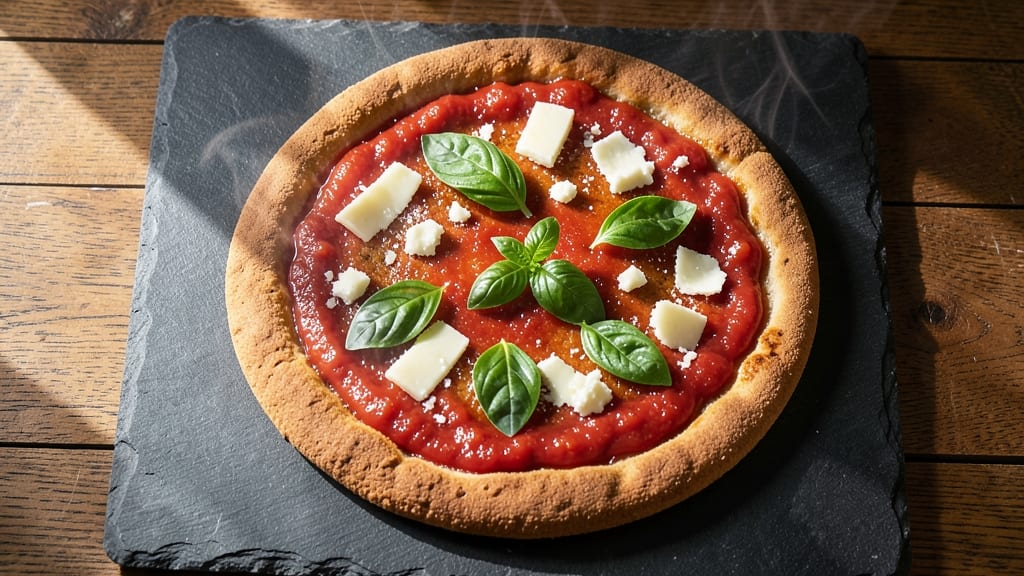
This gluten-free brown rice flour pizza dough delivers the perfect balance of crispy crust and chewy texture—no wheat required. The secret lies in combining rice flour with xanthan gum and psyllium husk, which mimic gluten's structure while keeping the dough stable.
I've tested countless variations, and this recipe consistently produces a crust that's sturdy enough to hold toppings without crumbling.
What sets this dough apart is its ability to crisp up beautifully in the oven while maintaining a tender interior. The psyllium husk absorbs moisture during mixing, creating a structure that holds its shape during baking.
For best results, let the dough rest for 30 minutes after mixing—this relaxation period ensures even cooking and prevents cracking. Whether you're making a classic Margherita or a loaded veggie pizza, this dough handles toppings like a pro.
Ingredients for brown rice flour pizza dough
Brown rice flour plus these 10 ingredients make crispy, chewy gluten-free pizza dough.
| Ingredient | Amount | Notes |
|---|---|---|
| Brown Rice Flour 🌾 | 2 ½ cups | Finely milled for best texture |
| Psyllium Husk Powder 🌿 | ¼ cup | Key for dough elasticity |
| Xanthan Gum 🧪 | ½ tsp | Binds ingredients like gluten |
| Active Dry Yeast 🍞 | 1 tsp | Ensures proper rise |
| Granulated Sugar 🍚 | 1 tbsp | Feeds yeast for activation |
| Warm Water 💧 | 1 cup | 110°F for yeast activation |
| Extra-Virgin Olive Oil 🫒 | ¼ cup | Adds moisture and flavor |
| Salt 🧂 | 1 ½ tsp | Enhances flavor balance |
| Apple Cider Vinegar 🍎 | 1 tbsp | Improves dough stability |
| Nutritional Yeast 🧀 | 2 tbsp | Adds cheesy flavor (optional) |
| Ice Cubes ❄️ | ½ cup | Keeps dough cool during mixing |
Brown rice flour is the star here—look for finely milled varieties at stores like Whole Foods or Trader Joe's for the best texture. Bob's Red Mill is my go-to brand for consistent results. Psyllium husk powder is non-negotiable; it's what gives this dough its structure. Grab it in the baking aisle or health food section—Frontier Co-op has great quality. Xanthan gum? Bob's Red Mill again, or any baking aisle staple. Pro tip: if you can't find psyllium husk powder, whole psyllium husks work too—just grind them finely in a coffee grinder.
No psyllium husk? Flaxseed meal at double the amount is a decent swap, but the texture won't be identical. Running low on xanthan gum? 1 tsp cornstarch can replace it, though it won't bind as well. The yeast needs to be active dry—none of that instant stuff. And that apple cider vinegar? White vinegar in a pinch works, but ACV adds a nice tang. Nutritional yeast is optional but adds that umami punch—Bragg is my favorite brand. For the ice cubes, regular tap water works fine; you're not making a cocktail here.
Mix the dough and let it rest for 30 minutes—this isn't optional. Store the dry ingredients in airtight containers for up to 6 months, but once mixed, use within 48 hours or freeze for 3 months. I like to portion the dough into golf-ball-sized pieces before freezing, so I can just grab and bake later. The dough keeps best in the fridge, wrapped tightly in plastic wrap. Reheat frozen dough for 10 minutes before using for best results.
Why You'll Love This Recipe
- No-Fuss Mixing: I swear by this dough—just toss the brown rice flour, psyllium husk powder, and xanthan gum in a bowl, add warm water, and let the yeast do its magic. No kneading, no fuss, and no waiting for gluten to develop. The psyllium husks bind everything together like a dream, so it’s actually foolproof.
- Nutty Crispy Edge: Between us, this dough has a texture I didn’t expect—chewy inside, with that perfect crispy edge that’s got a subtle nuttiness from the brown rice flour. Top it with marinara and mozzarella, and it’s like a gluten-free pizza finally got its moment. (Yes, even on a Tuesday night.)
- Meal Prep MVP: I make a double batch every Sunday, divide it into balls, and freeze them. When cravings hit, I thaw one, stretch it out, and boom—homemade pizza in 15 minutes. The xanthan gum keeps it stable, so it doesn’t fall apart when reheating. My lazy-but-healthy secret weapon.
- Budget-Friendly Staple: Brown rice flour and psyllium husk powder are way cheaper than specialty gluten-free blends, and they stretch further. Plus, the yeast and sugar are pantry basics, so this dough costs me pennies per serving. Honestly, it’s the kind of recipe that makes me feel smart for saving money without sacrificing taste.
Step-by-step instructions for brown rice flour pizza dough
Here's how to make a gluten-free pizza dough that's crispy on the outside and chewy inside—no tricky techniques, just proven steps.
Activate the Yeast and Mix Dry Ingredients
In a small bowl, combine the 1 cup warm water (about 110°F), 1 tbsp granulated sugar, and 1 tsp active dry yeast. Let this sit for 5-10 minutes until it becomes frothy—this confirms your yeast is alive and ready to work. If it doesn't bubble, start over with fresh yeast.
While waiting, whisk together the 2.5 cups brown rice flour, 0.25 cup psyllium husk powder, 0.5 tsp xanthan gum, 1.5 tsp salt, and 2 tbsp nutritional yeast in a large mixing bowl. The psyllium husk is what gives this dough its stretchy texture, so don't skip it. Sift the dry ingredients lightly if you have any lumps—this prevents dense spots in your final dough.
Combine Wet Ingredients and Chill the Dough
Add the yeast mixture, 0.25 cup extra-virgin olive oil, and 1 tbsp apple cider vinegar to the dry ingredients. Stir with a wooden spoon until just combined—you'll see a shaggy, sticky mass form. This is normal! Now add the 0.5 cup ice cubes one at a time while mixing. The ice keeps the dough cool during handling, which prevents the psyllium husk from activating too quickly and making the dough gummy.
Once all the ice is incorporated, cover the bowl with a damp towel and refrigerate for 30 minutes. This resting period helps the ingredients fully hydrate and the psyllium husk to fully absorb moisture. The dough will look like a thick, wet paste—this is perfect for gluten-free pizza dough.
Shape and Rest the Dough
After chilling, the dough should be cooler and slightly more cohesive. Transfer it to a lightly floured surface (use a tiny bit of brown rice flour if needed) and knead gently for 2-3 minutes—just enough to bring it together. This dough won't be stretchy like traditional pizza dough, so don't overwork it. Divide the dough into 4 equal balls (about 4 ounces each) and place them on a parchment-lined baking sheet.
Cover the dough balls loosely with plastic wrap and let them rest at room temperature for 15-20 minutes. This final rest relaxes the dough fibers, making it easier to roll out without tearing. If you're not using the dough immediately, you can refrigerate it for up to 24 hours—just let it come to room temperature before shaping.
Roll Out and Pre-Bake for Crispy Texture
Preheat your oven to 425°F with a pizza stone or baking sheet inside. Roll out each dough ball on a lightly floured surface to about 1/8-inch thickness—this ensures a crispy crust. The dough will be fragile, so work quickly and avoid over-handling. Transfer the rolled-out dough to the preheated stone or sheet.
Bake the crusts for 8-10 minutes until they're golden brown at the edges but still slightly soft in the center. This pre-bake step is key for that crispy texture while keeping the interior chewy. Remove the crusts and let them cool for 2 minutes before adding your favorite toppings. The slight warmth helps toppings adhere better without making the crust soggy.
Finish with Toppings and Bake to Perfection
Add your sauce, cheese, and toppings to the pre-baked crusts, keeping them light to avoid a heavy, soggy result. Return the pizzas to the oven and bake for 6-8 minutes until the cheese is bubbly and the edges are deep golden brown. The crust should hold its shape but still have a slight give when pressed gently—this is your perfect chewy texture.
Let the pizzas rest for 2-3 minutes before slicing. The residual heat will finish cooking the crust slightly, and the cheese will set just enough to hold its shape. Serve immediately while the crust is still crispy and the cheese is melty—this gluten-free dough delivers on both texture promises!
Pro Tips For Making Brown Rice Flour Pizza Dough
- Mix the Psyllium First: Whisk the psyllium husk powder into the warm water before adding it to the flour—this prevents clumping like you wouldn’t believe. I learned this the hard way when my first batch turned into a gummy mess because I dumped it all in at once.
- Weigh Your Yeast: Use a scale for the active dry yeast—1 gram is about 2.2 teaspoons, but eyeballing it leads to inconsistent rises. I was skeptical until I tried it; now my dough doubles reliably every time.
- Rest the Dough Longer: Give it a full 2 hours at room temp (or overnight in the fridge)—this lets the psyllium and xanthan gum fully hydrate and bind. Skimping here means a dough that tears like paper when you stretch it.
- Use a Damp Towel: Cover the dough with a damp kitchen towel while resting—it keeps the surface from drying out too fast, which is especially critical with brown rice flour. Sounds weird, but it works: no more leathery crusts.
Health benefits of this recipe
Gluten-Free Protein Boost
This brown rice flour pizza dough packs a 10-gram protein punch per serving—thanks to the psyllium husk and nutritional yeast combo. Unlike traditional wheat-based doughs, this version delivers protein without gluten, making it ideal for muscle repair and satiety.
The psyllium husk also adds 3 grams of fiber per serving, helping keep digestion smooth. 💪
Low Glycemic Advantage
Brown rice flour has a lower glycemic index (GI) than white flour, meaning it won’t spike your blood sugar as dramatically. The apple cider vinegar and psyllium husk further slow carbohydrate absorption, making this dough great for blood sugar management.
Perfect for anyone monitoring their glucose levels or following a balanced diet.
Rich in Essential Minerals
Brown rice flour is naturally packed with magnesium, manganese, and phosphorus—minerals often lacking in gluten-free diets. A single serving provides 15% of your daily magnesium needs, supporting muscle function and nerve health. The psyllium husk adds extra potassium, balancing electrolytes for better hydration.
Vegan-Friendly Nutrition
This dough is completely plant-based, offering plant-powered nutrition without animal products. The nutritional yeast adds vitamin B12 and zinc, nutrients often deficient in vegan diets. It’s a great way to sneak in extra nutrients while enjoying a familiar comfort food.
Antioxidant Properties
Brown rice flour contains antioxidant-rich compounds like phenolic acids, which help combat oxidative stress. The psyllium husk also adds soluble fiber that supports heart health by lowering LDL cholesterol. Together, they make this dough a surprisingly nutritious base for your favorite pizzas. ✨
Nutrition facts
Frequently asked questions
Why does this dough need psyllium husk powder?
Psyllium husk is the secret to replicating gluten's elasticity in gluten-free dough. It absorbs moisture and forms a gel-like network that gives the crust structure and chewiness. Without it, your pizza crust would likely crack or crumble during baking. The 0.25 cup in this recipe is the magic ingredient that makes this dough work!
Can I make this dough without xanthan gum?
Yes, but your crust may be less stable. Replace the 0.5 tsp xanthan gum with 1 tsp cornstarch for similar binding properties, though the texture won't be identical. For best results, use both ingredients together—they work synergistically to create that perfect crispy-chewy balance.
How do I prevent the dough from sticking while rolling?
Use just a light dusting of brown rice flour on your surface and rolling pin—too much flour makes the crust dry and crumbly. Work quickly and avoid over-handling. If the dough resists rolling, let it rest 5 more minutes at room temperature before trying again.
Can I use this dough for deep-dish pizza?
This recipe is designed for thin-crust or classic-style pizzas. For deep-dish, you'd need to adjust the ratio—reduce the psyllium husk to 0.125 cup and increase the brown rice flour to 3 cups. The dough will be stiffer, so shape it into a thick disk and bake at 375°F for 15-18 minutes before adding toppings.
What's the best way to reheat leftover crusts?
For maximum crispiness, reheat in a 400°F oven for 3-4 minutes on a baking sheet. If you prefer a softer texture, wrap the crust in foil and warm in the microwave for 20-30 seconds. Never reheat in the air fryer—it dries out the crust too quickly.