
Main Courses
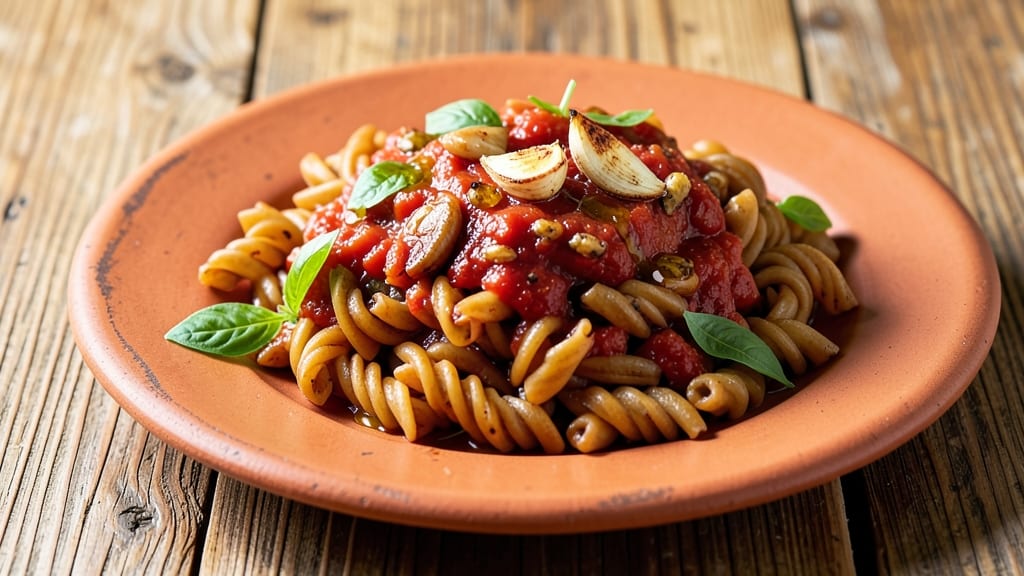
This brown rice fusilli pasta recipe transforms nutty grains into al dente twists that rival traditional wheat pasta—packed with protein and earthy flavor. The secret lies in proper hydration and a well-seasoned sauce that clings to every twist, creating a satisfying bite that's both hearty and light.
Perfect for anyone seeking a wholesome yet indulgent meal.
With just a few simple ingredients—brown rice fusilli, a flavorful tomato-herb sauce, and fresh vegetables—you'll achieve a dish that's as nutritious as it is delicious.
The pasta absorbs the sauce beautifully, delivering a harmonious blend of textures and flavors that make this recipe a standout for weeknight dinners or special occasions.
Ingredients for brown rice fusilli pasta
Transform nutty brown rice pasta into al dente twists with these wholesome, protein-rich ingredients.
| Ingredient | Amount | Notes |
|---|---|---|
| Brown Rice Fusilli Pasta 🍝 | 12 oz | High-protein, gluten-free preferred |
| Extra-Virgin Olive Oil 🫒 | ½ cup | High-quality, fruity variety |
| Canned San Marzano Tomatoes 🍅 | 28 oz | Crushed or diced, no salt added |
| Garlic Cloves 🧄 | 4 cloves | Freshly minced, peeled |
| Fresh Basil Leaves 🌿 | ½ cup | Packed, stems removed |
| Vegetable Broth 💧 | 1 cup | Low-sodium preferred |
| Red Bell Pepper 🧅 | 1 whole | Medium size, diced |
| Zucchini 🥒 | 1 lb | Medium size, sliced |
| Kosher Salt 🧂 | 1 ½ tsp | Diamond Crystal preferred |
| Black Peppercorns 🌶️ | ½ tsp | Freshly ground |
| Nutritional Yeast 🧀 | 2 tbsp | For cheesy flavor |
| Lemon Zest 🍋 | 1 tsp | Freshly grated |
| Fresh Parsley 🌿 | ¼ cup | Chopped, for garnish |
The brown rice fusilli is the foundation here—opt for brands like Lundberg or Annie's for the best texture. Medium-sized grains cook more evenly, so avoid the extra-fine varieties. For the tomatoes, San Marzano delivers the sweetest, most flavorful base, but any high-quality crushed tomatoes work. Fresh basil and parsley are non-negotiable for that bright herbal note—Trader Joe's often carries organic bunches at reasonable prices. If you're short on time, frozen chopped basil works in a pinch, though fresh is always superior.
No fresh basil? Dried basil at one-third the amount will suffice, though the flavor won't be as vibrant. Swap the zucchini for yellow squash or mushrooms if needed—just adjust the cooking time slightly. The red bell pepper can be subbed with roasted red peppers from a jar for convenience, though fresh adds a lovely crunch. For extra depth, toast the garlic in olive oil for 30 seconds before adding it to the sauce. The nutritional yeast isn't just for flavor—it adds a cheesy umami that pairs perfectly with the earthy pasta.
Store uncooked pasta in an airtight container in a cool, dark place for up to 6 months. Cooked pasta reheats beautifully—just add a splash of water and toss to prevent drying. The sauce keeps for 4-5 days in the fridge, though it tastes best within 2 days. For meal prep, cook the pasta and sauce separately, then combine before serving to maintain texture. Freeze portions of the sauce for up to 3 months—it's perfect for quick weeknight dinners.
Why You'll Love This Recipe
- Fusilli in 15 Minutes: I swear by this—just toss the brown rice fusilli into boiling water, then dump the drained pasta straight into a pan with olive oil, crushed garlic, and crushed San Marzano tomatoes. No waiting, no fuss, and the nutty rice flavor soaks up the sauce like a dream.
- Garlic-Basil Magic: That first bite of the pasta coated in olive oil, roasted garlic, and bright basil? It’s the kind of flavor that makes you pause mid-fork. The San Marzano tomatoes add natural sweetness, while the basil keeps it fresh—no heavy cream or weird aftertaste here.
- Lunchbox Hero: Pack this for work or school—it reheats beautifully and keeps well for days. The brown rice fusilli holds up better than regular pasta, so you won’t end up with mushy leftovers. Honestly, my kids actually eat their lunches when this is involved.
- Budget Bright Spot: Brown rice fusilli is cheaper than white, and canned San Marzano tomatoes last forever. You’re getting restaurant-quality taste without the markup—plus, the garlic and basil are pantry staples. My wallet thanks me every time.
Step-by-step instructions for brown rice fusilli pasta
Here's how to transform nutty brown rice fusilli into a vibrant, al dente dish with bold Mediterranean flavors.
Sauté the Vegetable Base
Heat the 0.5 cup extra-virgin olive oil in a large skillet over medium-high heat until shimmering. Add the 1 whole red bell pepper, diced into ¼-inch pieces, and the 1 lb zucchini, sliced into ½-inch rounds. Cook for 6-8 minutes until the vegetables soften slightly and begin to release moisture, but still retain their shape.
Add the 4 cloves garlic cloves, freshly minced, and cook for another 30 seconds until fragrant—don't let it brown or it'll turn bitter. Season immediately with 1 tsp kosher salt and 0.25 tsp black peppercorns. This step builds the flavor foundation while preventing the vegetables from overcooking later.
Develop the Tomato Sauce
Pour in the 28 oz canned San Marzano tomatoes, crushing any large chunks with your hands as you add them. Stir in the 1 cup vegetable broth and bring the mixture to a gentle simmer over medium heat. Reduce heat to low and let it cook uncovered for 15-20 minutes until the sauce thickens slightly and the flavors meld together.
Here's the thing—this slow reduction concentrates the natural sweetness of the tomatoes while allowing their acidity to balance the richness of the olive oil. Stir occasionally, scraping up any browned bits from the bottom of the pan. If the sauce gets too thick, add 2-3 tablespoons of water to maintain the right consistency.
Cook the Pasta Al Dente
While the sauce simmers, bring a large pot of water to a rolling boil and add 1.5 tsp kosher salt (the water should taste like the sea). Add the 12 oz brown rice fusilli pasta and cook according to package instructions, but check for doneness 1 minute early—brown rice pasta continues cooking slightly after removal from heat.
Drain the pasta, reserving 1 cup of pasta water in a measuring cup. This starchy liquid is your secret weapon for creating a silky sauce. Immediately add the cooked pasta to the tomato-vegetable mixture in the skillet and toss gently to coat. If needed, add reserved pasta water 1 tablespoon at a time to loosen the sauce to your desired consistency.
Finish with Aromatics and Nutritional Boost
Remove the skillet from heat and stir in the 2 tbsp nutritional yeast and 1 tsp lemon zest. The nutritional yeast adds a cheesy depth without dairy, while the lemon zest brightens the dish with a citrusy note. Taste and adjust seasoning with additional kosher salt or black peppercorns as needed.
Fold in the 0.5 cup fresh basil leaves and 0.25 cup fresh parsley**, chopped, just before serving. These herbs should be added last to preserve their vibrant color and fresh flavor. The pasta should be coated in a glossy, well-seasoned sauce with visible vegetable pieces and herbs scattered throughout.
Pro Tips For Making Brown Rice Fusilli Pasta
- Cook Al Dente, Then Rest: Brown rice fusilli needs 1-2 minutes less than regular pasta—test at 10 minutes, drain, and toss immediately with a splash of pasta water. I learned this the hard way: overcooked brown rice pasta turns mushy, and no one wants that. Let it sit 2 minutes off heat before adding sauce.
- Crush Garlic, Don’t Mince: Use a flat side of your knife to smash 3-4 garlic cloves into a paste—this releases more flavor without burning. I was skeptical until I tried it: the sauce builds depth faster, and you avoid that bitter bite from overcooked minced garlic.
- Simmer Tomatoes Low and Slow: Reduce San Marzano tomatoes on medium-low for 15 minutes before adding garlic—this thickens the sauce naturally and cuts the canned taste. I used to rush it, and the dish always tasted flat. Patience here makes a real difference.
- Toast Basil at the End: Tear fresh basil leaves and add them to the hot sauce for 30 seconds—just until they wilt slightly. This makes them fragrant without turning the sauce bitter. (Yes, even if you’re impatient like me, don’t skip this.)
Essential equipment for this recipe
Pasta Pot Essentials
Your 12 oz brown rice fusilli needs a large pot with at least 8 quarts capacity—I use my All-Clad stainless steel pot because it heats evenly and prevents scorching.
For gluten-free pasta, avoid aluminum pots as they can react with acidic ingredients. A fine-mesh colander with large holes is crucial for draining without breaking the delicate fusilli shapes.
Invest in a good-quality pasta fork—I prefer the OXO Good Grips—to toss the pasta gently after cooking. For sauce prep, a heavy-bottomed skillet like Made In or All-Clad prevents hot spots that can burn your tomato-vegetable mixture.
A wooden spoon helps scrape up flavorful browned bits without scratching your cookware. 🔥
Sauce Development Tools
A microplane is my go-to for fresh lemon zest—it yields finer, more flavorful zest than a grater. For mincing garlic, a garlic press saves time, but I still prefer the aromatic depth of freshly minced cloves.
A small saucepan (2-3 quarts) works perfectly for reducing the sauce, giving you better control over the simmering process.
Don't skip a fine-mesh strainer if you're using fresh herbs—it removes stems while preserving leafy texture. For measuring olive oil, a glass measuring cup lets you see the level clearly, while a small whisk helps blend the sauce smoothly if you prefer a more emulsified texture.
A kitchen timer prevents overcooking the pasta—set it for 1 minute less than package instructions for perfect al dente. ⏱️
Seasoning & Finishing
Diamond Crystal kosher salt is my preferred choice—it dissolves easily and has a cleaner taste than table salt. For nutritional yeast, a small spoon ensures precise measurement of the 2 tbsp needed. A sharp chef's knife (I use Wüsthof) is essential for dicing the red bell pepper and slicing the zucchini uniformly.
For garnishing, tweezers help place fresh basil leaves artistically on each serving. A small bowl keeps your chopped parsley fresh until serving. And finally, a ladle makes plating the pasta effortless—just spoon directly onto plates for that restaurant-quality presentation. 🍽️
Nutrition facts
Frequently asked questions
Can I substitute regular fusilli with brown rice fusilli?
The key is adjusting the cooking time—brown rice fusilli takes about 1-2 minutes longer than wheat pasta to reach al dente. Start checking for doneness 1 minute early since it continues cooking after draining. The nutty flavor makes it worth the extra time!
How do I prevent the sauce from being too watery?
Simmer the sauce uncovered for 15-20 minutes to reduce it naturally. If needed, add 1 tablespoon at a time of reserved pasta water to emulsify. For extra thickness, mash a few cooked pasta pieces into the sauce—the starch helps bind it beautifully.
What if I don't have fresh basil or parsley?
Use dried basil or parsley at one-third the amount (e.g., 1 tbsp dried instead of 0.5 cup fresh). For a cheesy flavor without nutritional yeast, try Parmesan rind simmered in the sauce for 10 minutes. The lemon zest still brightens the dish even without fresh herbs!
Can I make this gluten-free?
Yes! This recipe is naturally gluten-free as long as you use certified gluten-free brown rice fusilli and check that your vegetable broth and nutritional yeast are also gluten-free. Always verify labels—some brands process in shared facilities. The texture remains excellent when using quality gluten-free pasta.
How do I reheat leftovers without drying out the pasta?
Add 2-3 tablespoons of water or broth per serving and toss gently in a skillet over low heat for 3-4 minutes. Cover with a lid to trap steam. For extra richness, stir in 1 teaspoon olive oil. Never microwave—it turns pasta mushy!