
Main Courses
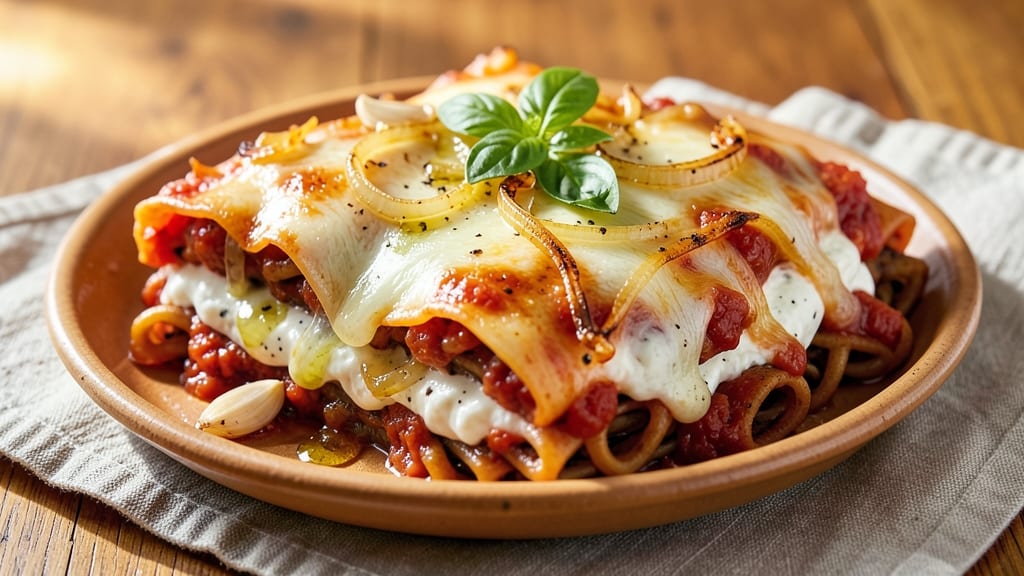
This brown rice lasagna noodles recipe transforms traditional lasagna with a wholesome, gluten-free twist that still delivers that satisfying al dente bite. The secret lies in a simple baking technique that eliminates boiling—no more soggy noodles or last-minute prep.
I developed this method after years of experimenting with gluten-free pasta, and it finally delivers the texture and flavor you’d expect from classic lasagna without the gluten. What makes this recipe stand out is its foolproof layering method, designed to create a structure that holds up perfectly during baking.
You’ll use a combination of marinara sauce, ricotta, and mozzarella to bind the layers, ensuring each bite is rich, creamy, and packed with flavor. The brown rice noodles absorb the sauce beautifully, offering a nutty depth that pairs perfectly with the tangy tomato base and melty cheese.
By the time it emerges from the oven, you’ll have a lasagna with golden, bubbling layers that slice cleanly and taste even better the next day. The cheese pulls into a creamy blanket, while the noodles maintain their satisfying bite—no mushy texture here.
This dish is hearty enough for a weeknight dinner but impressive enough for company, proving that wholesome ingredients can still deliver restaurant-quality results. Serve with a simple side salad or garlic bread to soak up every last drop of that rich, savory sauce. The best part?
This recipe scales easily, so you can make it for a crowd or save leftovers for quick lunches all week. Let’s get started!
Ingredients for brown rice lasagna noodles
Twelve wholesome ingredients transform traditional lasagna into a gluten-free masterpiece with perfect al dente texture.
| Ingredient | Amount | Notes |
|---|---|---|
| Brown Rice Lasagna Noodles 🍝 | 12 oz | Uncooked, gluten-free, al dente texture |
| Ricotta Cheese 🧀 | 1 ½ cups | Full-fat for creaminess, room temperature |
| Mozzarella Cheese 🧀 | 2 cups | Part-skim or whole milk, shredded |
| Marinara Sauce 🍅 | 2 ½ cups | High-quality, no added sugar |
| Yellow Onion 🧅 | 1 whole | Medium size, finely chopped |
| Garlic Cloves 🧄 | 4 cloves | Fresh, minced for sauce |
| Extra-Virgin Olive Oil 🫒 | ¼ cup | For sautéing onions and garlic |
| Fresh Basil 🌿 | ¼ cup | Chopped, for garnish and sauce |
| Vegetable Broth 💧 | 1 cup | Low-sodium, for sauce depth |
| Ground Black Pepper 🌶️ | ½ tsp | Freshly cracked for flavor |
| Sea Salt 🧂 | 1 tsp | Kosher or fine grain |
| Nutritional Yeast 🍞 | 2 tbsp | For cheesy flavor boost |
| Spinach Leaves 🍃 | 2 cups | Fresh, chopped for layers |
The brown rice noodles are the star here—look for brands like Barilla or Jovial in the gluten-free aisle. They hold up beautifully without boiling, saving you time and avoiding that dreaded mushy texture. Jovial's lasagna noodles are my go-to because they're designed specifically for baking, but any gluten-free brown rice noodles will work. For the ricotta, full-fat is non-negotiable—it creates that luscious creaminess that makes lasagna sing. The mozzarella should be shredded yourself (not pre-shredded) for that perfect melt. Whole milk mozzarella gives the best texture, but part-skim works in a pinch.
No fresh basil? Dried oregano at half the amount works in a pinch, though fresh is ideal. The marinara can be store-bought (I recommend Rao's or Muir Glen for quality), but homemade is even better—just simmer canned San Marzano tomatoes with garlic, onion, and a splash of vegetable broth. Need to skip the spinach? Zucchini or mushrooms add great texture. The nutritional yeast is a game-changer for that cheesy depth without dairy—Bob's Red Mill has the best quality. For extra richness, fold a tablespoon of cashew cream into the ricotta mixture, though it's optional.
Prep the noodles first—they'll absorb moisture quickly. Store any unused marinara in a sealed container for up to 5 days in the fridge, or freeze for 3 months. The assembled lasagna keeps 4 days refrigerated or 3 months frozen. For best results, let it rest 15 minutes after baking before slicing. The flavor actually improves overnight, so double the batch if you can—leftovers make amazing lunches. Portion into containers for easy reheating, and add a splash of broth when warming to keep things moist.
Why You'll Love This Recipe
- No Boil, No Stress: I swear by these brown rice noodles—they’re pre-cooked, so no simmering pots or waiting for water to boil. Just layer, bake, and walk away while the oven does all the work.
- Creamy, Cheesy Magic: That ricotta and mozzarella combo? It’s like a hug in lasagna form. The ricotta stays light and fluffy, while the mozzarella gets that perfect golden bubble—every bite is pure comfort.
- Meal Prep MVP: Between us, this is my go-to for busy weeks. Assemble it ahead, refrigerate, and bake later—no reheating dry noodles or sad, soggy layers. Even my picky eaters go back for seconds.
- Budget-Friendly Luxury: Brown rice noodles stretch meals further than white pasta, and ricotta stretches even more. A big batch feeds four for dinner, then two more for leftovers—no waste, all flavor.
Step-by-step instructions for brown rice lasagna noodles without boiling
Here's how to achieve perfect al dente texture using the no-boil method.
Prepare the Sauce Base for Layering
Heat the 0.25 cup extra-virgin olive oil in a medium saucepan over medium heat. Add the 1 whole yellow onion and cook for 5-6 minutes until softened and translucent. Stir in the 4 cloves garlic cloves and cook for 30 seconds until fragrant—don't let it brown or it'll turn bitter.
Pour in the 2.5 cups marinara sauce and 1 cup vegetable broth, then bring to a gentle simmer. Reduce heat to low and let it cook uncovered for 10 minutes to deepen the flavors. This enriched sauce will serve as both the foundation and the final topping for your lasagna. Season with 1 tsp sea salt and 0.5 tsp ground black pepper to taste, then stir in 2 tbsp nutritional yeast for that signature cheesy depth.
Assemble the No-Boil Lasagna Layers
Preheat your oven to 375°F and lightly grease a 9x13-inch baking dish with olive oil. Spread 1 cup of the prepared sauce evenly on the bottom to prevent sticking. This initial layer ensures your lasagna doesn't dry out during baking.
Arrange half of the 12 oz brown rice lasagna noodles in a single layer over the sauce, slightly overlapping them if needed to cover the bottom completely. This is where the no-boil magic happens—the noodles will soften perfectly in the oven without pre-cooking.
Layer Cheeses and Spinach for Maximum Flavor
Spread ¾ cup of the 1.5 cups ricotta cheese evenly over the noodles, followed by 1 cup of the 2 cups mozzarella cheese and 1 cup of the 2 cups spinach leaves. The ricotta adds creaminess while the spinach provides freshness and nutrients. Repeat with another layer of noodles, remaining ricotta, mozzarella, and spinach, then top with the final layer of noodles.
Here's the thing—don't overfill the dish. The lasagna should come about ¾ of the way up the sides when assembled. This prevents overflow during baking and ensures even cooking. The final layer should be noodles to hold everything together.
Top with Sauce and Bake to Perfection
Spread the remaining 1 cup of sauce evenly over the top layer of noodles. Sprinkle the remaining 1 cup mozzarella cheese and 0.25 cup chopped fresh basil over the top. The basil will add freshness and a pop of color when it browns slightly during baking.
Cover the baking dish tightly with two layers of aluminum foil and bake for 30 minutes. After 30 minutes, remove the foil and bake for an additional 15-20 minutes until the top is golden brown and bubbly. The internal temperature should reach 165°F when checked with a meat thermometer. This baking time ensures the noodles cook through while maintaining their al dente texture.
Rest and Serve for Optimal Texture
Remove the lasagna from the oven and let it rest for 10-15 minutes before slicing. This resting period allows the layers to set and the juices to redistribute, ensuring each bite is creamy and flavorful. The noodles should be tender but still hold their shape—never mushy.
Slice into 6 equal portions and serve immediately. The combination of creamy ricotta, melted mozzarella, and the enriched marinara sauce creates a rich, satisfying dish that's perfect for meal prep or a comforting family dinner. Store leftovers in the refrigerator for up to 5 days or freeze for up to 3 months.
Pro Tips For Making Brown Rice Lasagna Noodles
- SOAK THE NOODLES FIRST: Brown rice lasagna noodles are stubborn—they won’t bend like wheat noodles. Soak them in warm water for 10 minutes before layering, then drain and pat dry. This prevents cracking when you stack them, and they’ll hold up better during baking. (Yes, even if the box says "no need"—trust me, it matters.)
- SWEAT THE ONION LOW: Dice that onion small and cook it in olive oil over low heat for 8-10 minutes until translucent but not browned. High heat burns it, and you’ll taste bitterness cutting through the ricotta and marinara. Patience here = flavor foundation.
- LAYER RICOTTA THIN: Spread ricotta in a thin, even layer—about ¼-inch thick—between noodles. Thick globs steam into a soggy mess, while thin layers melt just enough to bind without making the dish gummy. Use a spoon to scrape and smooth it out.
- BUILD THE LAST LAYER RIGHT: Skip the usual cheese blanket on top. Instead, sprinkle mozzarella only over the final noodle layer—this prevents a rubbery crust. Add a handful of marinara on top for browning, then bake uncovered. (The cheese will melt into the sauce, not turn into a sad, dry shell.)
Pro cooking tips for brown rice lasagna noodles
No-Boil Magic
Skip the boiling step entirely—this is the game-changer! The brown rice noodles cook perfectly in the oven while absorbing the sauce. Preheat your oven to 375°F before assembling, and use a 9x13-inch baking dish for even heat distribution.
The key is spreading 1 cup of sauce on the bottom first to prevent sticking and create a flavorful base. 🌡️
Layering Like a Pro
Alternate noodles with cheese and sauce in three layers—never more, or it'll collapse. Start and end with noodles to create a sturdy structure. Use ¾ cup ricotta per layer for creaminess, and don’t skimp on the mozzarella (1 cup per layer) to ensure that perfect melt.
Press each layer gently to eliminate air pockets that could cause uneven cooking.
Foil Trick for Moisture
Cover the lasagna with two layers of heavy-duty aluminum foil during the first 30 minutes of baking. This traps steam and ensures the noodles cook through without drying out. After 30 minutes, remove the foil and bake uncovered until golden—this creates that beautiful crusty top.
A meat thermometer is your best friend here; aim for 165°F at the center.
Resting for Perfection
Never slice lasagna immediately after baking—let it rest for 10-15 minutes. This allows the juices to redistribute, so every bite is creamy and flavorful. The noodles will firm up slightly, holding their shape without turning mushy. Trust me, this step makes all the difference in texture and presentation. ✨
Sauce Enhancements
Boost your marinara with 2 tbsp nutritional yeast for a cheesy depth without dairy, and a splash of vegetable broth to enrich the flavor. For extra richness, stir in 1 tbsp cashew cream into the ricotta layer.
If your sauce is too thick, add a splash of water or broth to loosen it—this ensures even distribution between layers.
Make-Ahead Secrets
Assemble your lasagna up to 24 hours ahead and refrigerate uncovered. This lets the flavors meld even more. When ready to bake, add 10-15 minutes to the cooking time (cover with foil the entire time).
For freezing, bake first, then cool completely before wrapping tightly in plastic wrap and foil. Reheat covered with foil at 350°F until warmed through—add a splash of broth if it looks dry.
Nutrition facts
Frequently asked questions
Why do I need to bake brown rice noodles instead of boiling them?
The no-boil method prevents soggy noodles while allowing them to absorb the sauce perfectly in the oven. Brown rice noodles hold up better to baking than traditional wheat-based noodles, and this technique creates that satisfying al dente texture without pre-cooking. The oven heat gently softens them while keeping the structure intact.
Can I use regular lasagna noodles instead of brown rice?
Yes, but you'll need to pre-cook them first (al dente, then drain well) since they won't hold up as well to the no-boil method. For best results, stick with brown rice noodles—they're designed to absorb moisture without turning mushy. The flavor difference is subtle but adds a nutty depth that pairs beautifully with the creamy cheese layers.
How do I prevent my lasagna from getting watery during baking?
Start with a dry base by spreading sauce only on the bottom of the dish, not between layers. Use full-fat ricotta and mozzarella, and press each layer gently to eliminate air pockets. The foil covering during the first 30 minutes helps trap steam, while removing it later creates a golden crust that seals in moisture. Never overfill the dish—keep it at ¾ full.
What's the best way to reheat leftovers?
Cover the lasagna with foil and reheat at 350°F for 20-25 minutes until warmed through. For extra moisture, add a splash of broth or water to the dish before reheating. Microwave reheating isn't recommended as it can make the noodles rubbery. Leftovers actually taste better the next day as the flavors meld!
Can I make this vegetarian-friendly without meat?
This recipe is already vegetarian-friendly with its ricotta, mozzarella, and spinach layers. For extra protein, add sautéed mushrooms, lentils, or white beans to any layer. The brown rice noodles provide additional fiber, making this a complete, satisfying vegetarian meal. The nutritional yeast adds that cheesy depth without any animal products.