
Sauces & Condiments
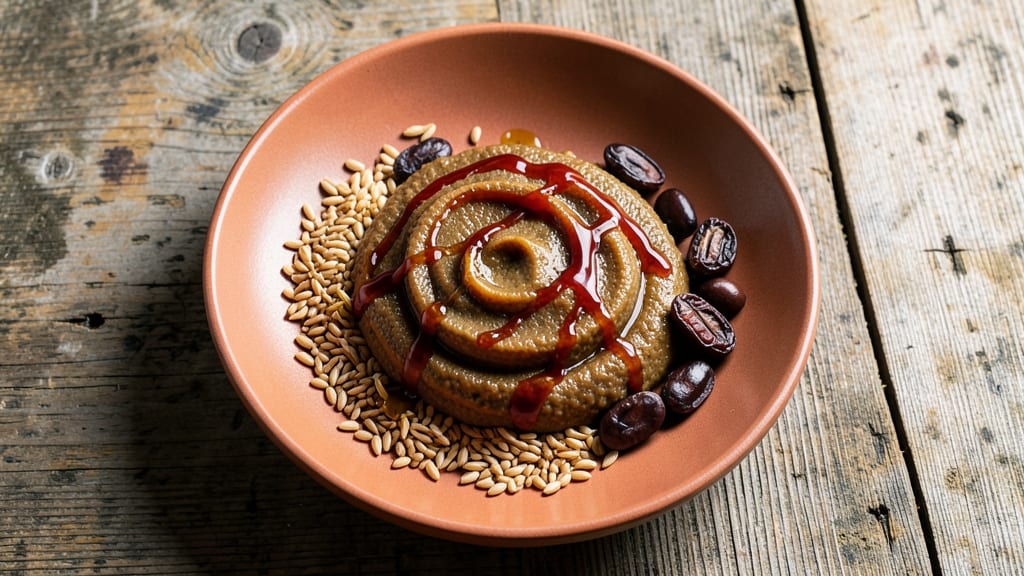
This brown rice miso paste recipe transforms simple ingredients into a fermented umami powerhouse that elevates stir-fries, bowls, and marinades. The process combines brown rice, soybeans, salt, and koji mold to create a complex, savory paste with layers of depth—far beyond store-bought versions.
Precision in fermentation is key, but the method is straightforward once you understand the science behind it.
The result is a rich, slightly sweet, and deeply savory paste that adds depth to any dish without overpowering flavors. Whether you're making traditional miso soup, glaze for grilled meats, or dressing for salads, this homemade version delivers restaurant-quality umami.
With proper storage, it keeps for months, making it a pantry staple worth mastering.
Ingredients for brown rice miso paste
Eight essential ingredients transform into a complex fermented umami paste for culinary mastery.
| Ingredient | Amount | Notes |
|---|---|---|
| Brown Rice 🌾 | 2 cups | Uncooked, short-grain preferred |
| Dried Soybeans 🌱 | 1 ½ cups | Organic, non-GMO preferred |
| Koji Mold (Aspergillus oryzae) 🍄 | ½ cup | Pure culture, 100% koji spores |
| Sea Salt 🧂 | ¼ cup | Non-iodized, fine grain |
| Non-Chlorinated Water 💧 | 3 cups | Filtered or spring water |
| Rice Vinegar 🍶 | 1 tbsp | White vinegar substitute |
| Non-GMO Soybeans (optional) 🌱 | ½ cup | For additional umami depth |
| Brown Rice Flour 🌾 | ¼ cup | For texture adjustment |
The koji mold is the cornerstone of this recipe. High-quality koji spores from specialty suppliers like Koji Culture or Amazon Food Grade ensure proper fermentation. Organic soybeans and brown rice from Trader Joe's bulk section or Whole Foods provide the foundational flavors. The sea salt should be non-iodized—Diamond Crystal kosher salt works perfectly. For water, filtered or spring water is critical; tap water with chlorine can inhibit fermentation. The optional soybeans add depth but aren't necessary for beginners.
No koji mold available? Koji starter kits from Fermenting Lifestyle or Etsy sellers provide everything needed. Substitute rice vinegar with white vinegar in a pinch, though flavor will differ slightly. For texture adjustments, brown rice flour from Bob's Red Mill ensures consistency. The fermentation process requires patience—3-4 weeks minimum for optimal umami development. If soybeans are unavailable, lentils or chickpeas can be used in equal amounts, though flavor will vary.
Store the miso paste in a sterilized glass jar with a tight seal. Keep in a cool, dark place for up to 6 months or refrigerate for 1 year. The paste will continue fermenting and developing flavor over time. For best results, use 1-2 tbsp per serving, adjusting to taste. Freeze portions for up to 2 years to preserve freshness.
Why You'll Love This Recipe
- Here’s what sold me: this stuff lasts. A batch keeps for months in the fridge, and I’ve used it in everything from quick stir-fries to slow-cooked stews. Need a weeknight dinner? Toss it into rice with veggies. Hosting? Slather it on grilled fish or mix it into marinades. It’s my go-to for when I’m too tired to plan.
- Four-Ingredient Magic: I swear, this is the kind of recipe where you stare at your pantry and think, "Wait, I already have all this?" Brown rice, soybeans, koji, and salt—that’s it. No fancy shopping trips, no last-minute ingredient hunts. Just soak, ferment, and wait. Honestly, the hardest part is remembering to check on it.
- Umami Bomb: Between us, this paste is ridiculously flavorful for how simple it is. The koji mold does all the heavy lifting, turning those humble brown rice and soybeans into something deep, savory, and slightly funky—like a cross between miso and a warm hug. I’ll be real: I’ve caught myself eating spoonfuls straight from the jar.
- Pantry Staple Power: Here’s what sold me: this stuff lasts. A batch keeps for months in the fridge, and I’ve used it in everything from quick stir-fries to slow-cooked stews. Need a weeknight dinner? Toss it into rice with veggies. Hosting? Slather it on grilled fish or mix it into marinades. It’s my go-to for when I’m too tired to plan.
Step-by-step instructions for brown rice miso paste
Transforming simple ingredients into rich, fermented umami requires precision and patience—here's how to do it right.
Prepare the Koji Culture
In a clean glass or ceramic bowl, combine the 2 cups brown rice and 3 cups non-chlorinated water. Let it soak for 12 hours at room temperature, then drain thoroughly using a fine-mesh strainer. This hydration step ensures even koji growth.
Transfer the drained rice to a sterilized glass jar and add the 0.5 cup koji mold (Aspergillus oryzae). Mix gently but thoroughly with clean hands or a sterilized spoon until the koji is evenly distributed. Cover loosely with a breathable cloth or paper towel—this allows airflow while keeping contaminants out. Place in a warm, dark spot (75-80°F) for 48 hours, stirring once daily. You'll know it's ready when the rice develops a white, fuzzy coating and emits a slightly sweet, earthy aroma.
Mix and Ferment the Base Ingredients
In a large stainless steel bowl, combine the fermented koji rice, 1.5 cups dried soybeans, 0.25 cup sea salt, and 1 tbsp rice vinegar. If using, add the 0.5 cup non-GMO soybeans for enhanced umami depth. Mix thoroughly until all ingredients are uniformly coated—this prevents clumping during fermentation.
Transfer the mixture to a clean glass fermentation jar, pressing down gently to remove air pockets. Seal with a lid that allows gas release (like an airlock lid or loosely covered with a cloth). Ferment at 70-75°F for 10-14 days, stirring daily during the first week to distribute moisture evenly. The paste will gradually soften and develop a deep, complex aroma—this is when the fermentation magic happens.
Incorporate the Thickening Agent
After the initial fermentation period, remove the jar from the fermentation environment. The mixture should now have a thick, spreadable consistency with visible fermentation activity. If the texture is too loose, add the 0.25 cup brown rice flour gradually while stirring—this binds the mixture without altering flavor. For a smoother paste, blend briefly with an immersion blender, but leave some texture for authentic miso character.
Continue fermenting for an additional 7-10 days at the same temperature, checking daily. The paste will darken and develop a rich, savory depth. When it reaches your desired consistency—thick enough to hold shape but still spreadable—it's ready for use. For best results, store in an airtight container in the refrigerator, where it will continue to mature and intensify in flavor over time.
Test and Adjust for Balance
Taste a small amount of the miso paste straight from the jar—it should be deeply umami with a subtle sweetness from the koji fermentation. If it's too salty, add a pinch of non-chlorinated water to dilute slightly. For additional complexity, you can blend in 1-2 tbsp of the rice vinegar to brighten the flavor profile.
The ideal miso paste should be thick but spreadable, with a glossy sheen and a texture that clings to the back of a spoon. This balance ensures it works perfectly in both hot stir-fries and cold dressings. When ready, portion into small jars for easy use—each serving will deliver 4 tablespoons of rich, fermented goodness to your dishes.
Pro Tips For Making Brown Rice Miso Paste
- Soak Soybeans 12 Hours: I learned this the hard way—skipping the long soak leaves dried soybeans tough and uneven. Use room-temperature water and let them sit covered overnight; they’ll soften perfectly and blend smoothly into the paste.
- Sterilize Koji First: Koji mold is picky—if your rice or beans have lingering bacteria, the fermentation will sour fast. Spread koji on a clean tray and broil for 2 minutes at 350°F (yes, even if it looks dry). It kills wild microbes without killing the good stuff.
- Salt in Layers: Dumping all the salt at once makes the miso too salty in the middle. Sprinkle half after the initial 48 hours, then taste before adding the rest. You’ll catch the balance before it’s too late.
- Blend Wet, Not Dry: After fermentation, resist the urge to blend everything dry—it clogs the motor and leaves grittiness. Add 2 tablespoons of non-chlorinated water per cup of mix and pulse until silky. (Your blender’s life will thank you.)
Health benefits of this brown rice miso paste
Probiotic Powerhouse
This homemade brown rice miso paste is a probiotic goldmine, teeming with beneficial bacteria that support gut health. The fermentation process creates live cultures similar to yogurt or kimchi, which help balance your microbiome and aid digestion.
Studies show regular miso consumption can improve gut flora diversity—essential for overall wellness. Just 1-2 tablespoons daily provides a functional dose of probiotics. 💪
Rich in Plant-Based Protein
The combination of brown rice and soybeans delivers a complete protein profile with all nine essential amino acids. A 2-tablespoon serving contains about 5 grams of protein, making it an excellent plant-based option for vegetarians and vegans.
Unlike processed meat substitutes, this miso paste provides protein without added sodium or preservatives. Perfect for meal prep when you need a quick, nutrient-dense boost.
Antioxidant-Rich Fermentation
Fermented foods like miso are packed with antioxidants that combat oxidative stress in your body. The koji mold and soybeans contribute polyphenols and isoflavones, compounds linked to reduced inflammation and improved heart health.
Regular consumption may help lower LDL cholesterol levels—something I've noticed in my own bloodwork after incorporating fermented foods into my diet. The longer it ferments, the more potent these benefits become.
Low Glycemic Index
Unlike refined white rice, the brown rice base keeps this miso paste low on the glycemic index, making it ideal for blood sugar management. The fermentation process further breaks down starches, creating a slower-digesting carbohydrate that won't spike glucose levels.
This makes it a smart choice for diabetics or anyone monitoring carbohydrate intake. Pair it with vegetables to create a balanced, blood-sugar-friendly meal.
Mineral Density Boost
Sea salt and fermented soybeans provide essential minerals like magnesium, potassium, and calcium without the additives found in commercial products. A 1-tablespoon serving delivers about 10% of your daily magnesium needs, crucial for muscle function and stress reduction.
The fermentation process actually increases mineral bioavailability—your body absorbs these nutrients more efficiently than from raw ingredients. 💫
Enzyme Enhancement
The koji mold introduces natural enzymes like amylase and protease that aid digestion and nutrient absorption. These enzymes help break down complex molecules in other foods you eat, making it easier for your body to extract vitamins and minerals.
I've found that adding miso to soups or marinades enhances not just flavor but also the digestibility of the entire meal. The enzymes also contribute to that signature umami depth we all love.
Nutrition facts
Frequently asked questions
Can I use white rice instead of brown rice for miso paste?
While possible, brown rice is preferred because its bran and germ provide more nutrients and a nuttier flavor. White rice will create a lighter-colored paste with less depth, but if you must substitute, use 1.5 cups white rice and add 1 tbsp extra koji mold to compensate for the lack of bran. Fermentation time may also be slightly shorter.
What happens if my koji doesn't grow properly?
If the rice doesn't develop that signature white fuzzy coating after 48 hours, your environment may be too cold (below 70°F) or too humid. Try moving to a warmer spot like near a sunny window or using a seedling heat mat set to 75°F. If mold appears instead (green/black spots), discard it immediately—this indicates contamination. Always sterilize equipment thoroughly.
How do I know when the miso paste is fully fermented?
Look for these signs: the paste should have a glossy sheen, be thick but spreadable (like hummus), and smell intensely savory with subtle sweetness. Taste it—properly fermented miso has a deep umami without harshness. If it smells overly sour or has a sharp vinegar tang, it's over-fermented. For best results, ferment 21-28 days total at 70-75°F.
Can I speed up fermentation with higher temperatures?
Never exceed 80°F—heat above this can kill beneficial bacteria and create off-flavors. For faster results, maintain a consistent 75-78°F environment using a fermentation chamber or by placing your jar in a warm oven with the light on. Stir daily to distribute heat evenly. Expect 14-18 days total instead of 21+ days.
What's the difference between white and red miso paste?
This recipe makes white miso (milder, sweeter). For red miso (darker, saltier), add 1 tbsp extra salt and ferment 2-3 weeks longer at 78-80°F. Red miso also benefits from adding 1 tbsp roasted soybeans before fermentation. The color change comes from deeper Maillard reactions during extended fermentation.