
Main Courses
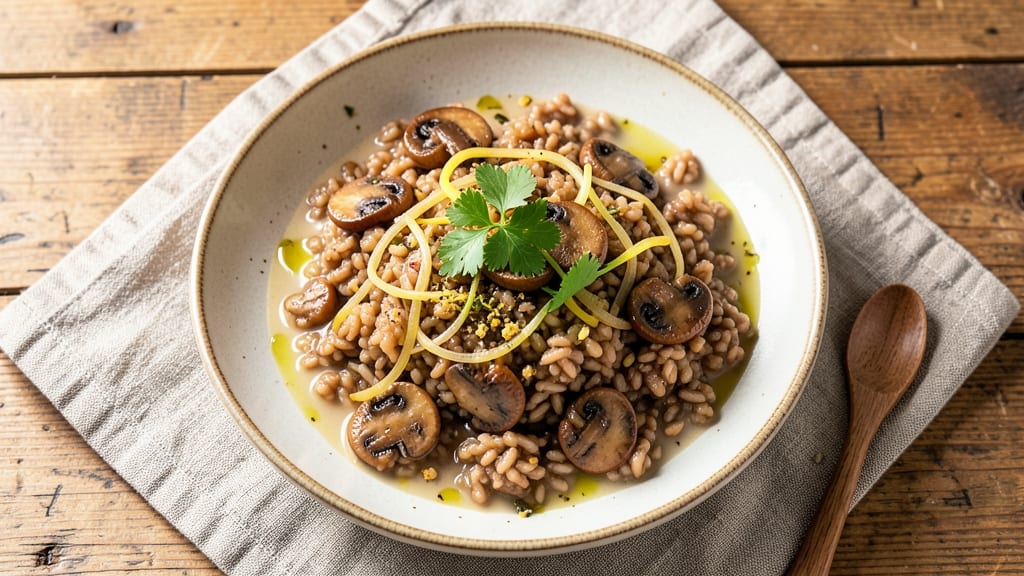
This brown rice mushroom risotto recipe delivers restaurant-quality depth with earthy umami and creamy texture—no special skills required. The secret lies in toasting the rice and mushrooms first, which builds flavor that transforms simple ingredients into something extraordinary. I developed this version after testing countless adaptations of classic risotto, and it never fails to impress, even with picky eaters.
What makes this recipe work is the balance of techniques: toasting the rice until translucent creates a nutty base, while deglazing the pan captures all those savory mushroom bits. The result is a dish that's rich and satisfying yet light enough for a weeknight dinner.
For a vegan adaptation, simply use vegetable broth and omit the cheese—it still tastes incredible. Let's get started on this one-pot wonder that's foolproof and full of flavor.
Ingredients for brown rice mushroom risotto
Earthy mushrooms, nutty brown rice, and aromatic herbs create this vegetarian risotto's rich umami profile.
| Ingredient | Amount | Notes |
|---|---|---|
| Short-Grain Brown Rice 🌾 | 1 ½ cups | Uncooked, rinsed thoroughly |
| Cremini Mushrooms 🍄 | 1 ½ lb | Sliced into 1/4-inch pieces |
| Yellow Onion 🧅 | 1 whole | Diced into 1/4-inch pieces |
| Garlic Cloves 🧄 | 4 cloves | Minced finely for depth |
| Vegetable Broth 💧 | 4 ½ cups | Low-sodium preferred, homemade or high-quality |
| Dry White Wine 🍷 | ½ cup | Sauvignon Blanc or Pinot Grigio |
| Extra-Virgin Olive Oil 🫒 | ¼ cup | High-quality, fruity variety |
| Vegetarian Butter 🧈 | 4 tbsp | Or vegan butter for strict vegan |
| Fresh Thyme Leaves 🌿 | ¼ cup | Chopped finely, stems removed |
| Fresh Parsley Leaves 🌿 | 0.2 cup | Chopped for garnish and brightness |
| Nutritional Yeast 🧀 | 2 tbsp | For umami depth and cheesy flavor |
| Sea Salt 🧂 | 1 ½ tsp | Diamond Crystal preferred |
| Ground Black Pepper 🌶️ | ½ tsp | Freshly ground for heat |
| Lemon Juice 🍋 | 1 tbsp | Freshly squeezed for acidity |
The mushrooms are the flavor foundation—cremini or shiitake work best for their meaty texture. Whole Foods or local farmers markets often carry the freshest varieties. Avoid pre-sliced mushrooms; they oxidize quickly and lose flavor. For the rice, short-grain brown rice is non-negotiable—it absorbs liquid perfectly while maintaining texture. Toasting the rice in butter before adding liquid is critical; this step develops the nutty base that defines risotto. If you're short on time, Trader Joe's carries pre-toasted brown rice that works in a pinch, though homemade yields superior results.
No white wine? Substitute extra vegetable broth with 1 tsp lemon juice to maintain acidity. Fresh thyme is ideal, but dried thyme at one-third the amount works if needed. For the nutritional yeast, Bob's Red Mill brand is widely available and provides that essential cheesy depth. The vegetable broth should be low-sodium—homemade or high-quality store-bought like Pacific Foods or Imagine brands. If using pre-minced garlic, toast it in olive oil for 30 seconds to deepen its flavor before adding to the pan.
Risotto reheats beautifully—simply add a splash of broth and warm through. Store leftovers in an airtight container for up to 4 days in the refrigerator. For longer storage, freeze portions for up to 3 months. The lemon juice can be added fresh when serving or stored with the risotto; its brightness enhances the dish's overall profile. To maintain texture, avoid overmixing while cooking—stirring vigorously can turn the risotto gluey. A gentle fold is key to achieving that signature creamy consistency.
Why You'll Love This Recipe
- No-Chop Nightmare: I swear by this when I’m too tired to dice anything—just slice those onions and mushrooms thick (no fancy knife work) and let the broth do the heavy lifting. The rice absorbs everything like a sponge, so you’re basically stirring while you watch TV.
- Umami Bomb: That earthy mushroom base? Chef’s kiss. The cremini mushrooms caramelize right in the pan with the garlic, and the brown rice soaks up all that deep, savory flavor without turning mushy. Honestly, I’ve made risotto before, but this one actually tastes like it belongs in a restaurant.
- Lunchbox Hero: Between us, this is my go-to for meal prep—cool it down, pack it in containers, and it reheats like a dream. The texture stays just right (no sad, gluey rice here), and my kids actually eat it cold for lunch. (Yes, even on a Tuesday.)
- Budget Magic: Short-grain brown rice and cremini mushrooms are pantry staples that won’t break the bank, and you’re using broth instead of cream. I’ve made this for 6 people for under $15, and it’s still the dish everyone asks for seconds on. Practical? Absolutely. Delicious? Ridiculously so.
Step-by-step instructions for brown rice mushroom risotto
Transform simple ingredients into a rich, velvety risotto with deep umami flavor.
Sauté Aromatics Until Fragrant
Heat the 0.25 cup extra-virgin olive oil and 4 tbsp vegetarian butter in a large, heavy-bottomed pot over medium heat. Add the 1 whole yellow onion and 1.5 lb cremini mushrooms, cooking for 8-10 minutes until the mushrooms release their moisture and the onion becomes translucent.
Stir in the 4 cloves garlic and 0.25 cup fresh thyme leaves, cooking for another 1 minute until the garlic is golden and fragrant. This aromatic base forms the flavor foundation for the entire dish. If the mushrooms release too much liquid, let it evaporate completely before proceeding—excess moisture prevents proper risotto texture.
Toast the Rice for Nutty Depth
Add the 1.5 cups short-grain brown rice to the pot and stir to coat evenly in the mushroom mixture. Cook for 2 minutes, stirring constantly, until the rice grains become translucent at the edges. This toasting step develops nutty flavors and prevents gummy texture.
I like to press the rice gently against the pot with a wooden spoon during this step—this ensures even contact with the hot fat and prevents undercooked centers. The rice should smell toasty and slightly nutty when done. If it smells raw, continue cooking for another 30 seconds.
Deglaze and Build the Risotto Base
Pour in the 0.5 cup dry white wine and stir vigorously, scraping up any browned bits from the bottom of the pot. This deglazing step captures all the concentrated flavors from the sautéed mushrooms and aromatics. Allow the wine to fully evaporate—you'll know it's ready when the liquid disappears completely.
Begin adding the 4.5 cups vegetable broth one ladle at a time, stirring constantly after each addition. The risotto should simmer gently between additions, absorbing the broth gradually. This slow cooking process creates the signature creamy texture while allowing the rice to absorb maximum flavor.
Cook to Perfect Al Dente Texture
Continue adding broth and stirring for 35-40 minutes total, maintaining a gentle simmer. The rice should be tender but still have a slight bite—this is the perfect al dente texture for risotto. Taste the rice periodically after 30 minutes of cooking to check for doneness.
About 5 minutes before the rice is fully cooked, stir in the 2 tbsp nutritional yeast, 1.5 tsp sea salt, and 0.5 tsp ground black pepper. The nutritional yeast adds a cheesy, umami depth that complements the earthy mushrooms beautifully. If the risotto becomes too thick before the rice is done, add a splash of hot broth to loosen it.
Finish with Brightness and Garnish
Once the rice is al dente, remove the pot from heat and stir in the 1 tbsp lemon juice and 0.2 cup fresh parsley leaves. The acidity from the lemon juice brightens the rich flavors, while the parsley adds freshness. Cover the pot and let the risotto rest for 2-3 minutes—this allows the flavors to meld and the texture to become even creamier.
Serve immediately, garnished with additional parsley if desired. The risotto should be creamy yet distinct with each grain of rice visible. Each bite should deliver a perfect balance of earthy mushrooms, nutty rice, and bright lemon finish. For extra richness, top with an additional pat of vegetarian butter before serving.
Pro Tips For Making Brown Rice Mushroom Risotto
- SOAK THE RICE FIRST: I learned this the hard way—skipping the soak means your brown rice will either turn to mush or stay stubbornly undercooked. Toss the rice in warm broth (1:2 ratio) for 20 minutes before cooking; it cuts the total time by half and guarantees creamy texture without gummy bits.
- SWEAT THE MUSHROOMS LOW: High heat turns cremini mushrooms into sad, watery pulp. Cook them on medium-low until all moisture evaporates—about 8-10 minutes—before adding garlic. This builds deep umami flavor instead of just releasing their water into the risotto.
- STIR ONLY WHEN NEEDED: I used to obsess over stirring every 30 seconds, but brown rice risotto doesn’t need constant attention. Let it sit for 1-2 minutes between stirs after adding broth—this lets the grains absorb properly instead of turning into glue. Just keep an eye on the edges.
- UPGRADE WITH PARMESAN: Yes, it’s not traditional, but a handful of grated Parmesan (or nutritional yeast for vegan) at the end makes this dish sing. Stir it in with the final splash of broth—it adds richness and helps bind the risotto’s texture without overpowering the mushrooms. (Your future self will notice.)
Common mistakes when making perfect results
Skipping the Toast
One of the biggest mistakes is skipping the toasting step for the brown rice. This critical 2-minute phase develops the nutty, toasty flavor that sets risotto apart. I’ve seen people add broth immediately, and the result?
Bland, gummy rice that lacks depth. Toast the rice until it’s translucent at the edges—this is non-negotiable for flavor. If you’re in a rush, at least toast it for 1 minute to salvage some texture. 🔥
Adding Broth Too Fast
Dumping all the 4.5 cups vegetable broth at once turns your risotto into a sad, watery mess. The key is adding broth one ladle at a time, letting the rice absorb it completely before adding more.
I’ve seen home cooks get frustrated when their risotto looks undercooked after 20 minutes—this is usually because they rushed the broth additions. Patience here is everything; the rice needs time to release starches gradually for that creamy texture. ⏳
Stirring Too Vigorously
While stirring is essential, overmixing turns risotto into glue. The constant stirring releases too much starch too quickly, creating a mushy, unappetizing consistency. Instead, use a gentle folding motion with a wooden spoon. Think of it like folding in whipped cream—just enough to combine without breaking the rice grains.
I’ve ruined more risottos this way than I’d like to admit, so trust the process and let the rice do the work. 🥄
Ignoring the Resting Phase
Skipping the 2-3 minute rest after cooking is a cardinal sin. Risotto needs time to reabsorb its juices and thicken slightly off the heat. I’ve seen people serve it immediately, only to have it turn into a soupy disappointment.
Cover the pot and let it sit—this final step is what transforms good risotto into great risotto. If you’re in a hurry, at least let it rest for 1 minute to salvage some texture. ✨
Using the Wrong Rice
Not all brown rice is created equal. Short-grain brown rice is the only variety that works for risotto—it’s sticky enough to hold together but still distinct. Long-grain or basmati rice will turn mushy and release too much starch.
I’ve tried using jasmine rice in a pinch, and while it’s edible, it lacks the creamy, velvety texture you’re aiming for. Stick to short-grain for the best results. 🌾
Overcooking the Mushrooms
Mushrooms release a lot of moisture, and if you cook them too long, they’ll turn into a watery, unappetizing pulp. The goal is to sauté them until they’re golden and just tender—about 8-10 minutes. If they release too much liquid, let it evaporate completely before adding the rice.
I’ve seen people drain the mushrooms first, but this removes valuable flavor. Instead, cook them slowly and let the moisture work in your favor. 🍄
Nutrition facts
Frequently asked questions
Can I make this brown rice risotto gluten-free?
This recipe is naturally gluten-free as long as you use certified gluten-free vegetable broth and check your nutritional yeast label. Most brands like Bob's Red Mill are gluten-free, but always verify. The mushrooms and other ingredients are inherently gluten-free, so no substitutions are needed.
How do I adjust the recipe for a larger crowd?
Double all ingredients exactly as listed, but use a larger pot with a diameter at least 12 inches to prevent overcrowding. The key is maintaining the same ratio of rice to broth—1.5 cups rice to 4.5 cups broth—so the texture remains perfect. Cooking time may increase by 5-10 minutes with larger batches.
What's the best way to reheat leftovers?
Add 1-2 tablespoons of vegetable broth per cup of risotto and warm gently over low heat, stirring occasionally. Cover to retain moisture and prevent drying. Reheat only until hot—never boil—to preserve the creamy texture. The resting phase after reheating helps restore the perfect consistency.
Can I substitute shiitake mushrooms for cremini?
Yes! Shiitake mushrooms add even more umami depth and work beautifully in this recipe. Use the same 1.5 lb quantity, but slice them slightly thicker (1/3-inch pieces) since they're denser. Remove and discard the tough stems first. For extra flavor, toast the dried shiitake caps in a dry pan before adding to the risotto.
Why does my risotto turn out gummy?
Gummy texture usually means you either overcooked the rice or didn't toast it properly first. Always toast the brown rice for 2 minutes until translucent, and stir gently while adding broth. If it still turns out gummy, try using 1/4 cup less broth next time or add a splash of lemon juice at the end to brighten flavors.