
Main Courses
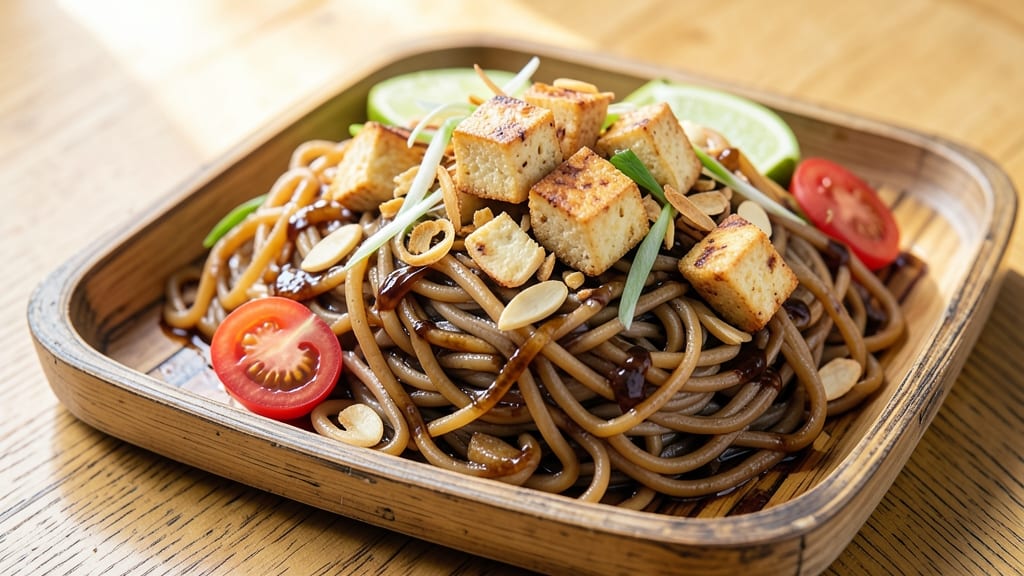
This brown rice Pad Thai delivers all the bold flavors of classic Thai street food—just with a healthier twist. 🌟 The nutty, chewy brown rice noodles soak up a tangy tamarind-lime sauce packed with garlic, chili, and fish-free umami, while crispy tofu and fresh veggies add texture.
It’s vegetarian-friendly but still deeply satisfying, with that perfect balance of sweet, salty, and spicy.
What makes this version special is the brown rice noodles—they hold up beautifully to stir-frying and add a satisfying bite that white rice noodles lack. The sauce is where the magic happens: a vibrant mix of tamarind paste, coconut aminos, and lime that brightens every bite.
Topped with toasted peanuts and fresh herbs, it’s restaurant-quality at home in under 40 minutes.
Ingredients for brown rice pad thai noodles
These 15 ingredients transform into a vibrant, nutritious Pad Thai with restaurant-quality depth.
| Ingredient | Amount | Notes |
|---|---|---|
| Brown Rice Pad Thai Noodles 🍜 | 8 oz | Dried, uncooked, 6-inch wide |
| Extra-Firm Tofu 🥜 | 1 lb | Pressed and cubed |
| Tamarind Paste 🍈 | ½ cup | Thick, unsweetened |
| Coconut Aminos 🥫 | ⅓ cup | Substitute for fish sauce |
| Fresh Lime Juice 🍋 | ¼ cup | From about 3 limes |
| Garlic Cloves 🧄 | 6 cloves | Minced for sauce |
| Red Chili Flakes 🌶️ | 1 tbsp | Adjust for heat preference |
| Fresh Bean Sprouts 🌱 | 3 cups | Trimmed, rinsed |
| Carrot 🥕 | 1 whole | Julienned or matchstick cut |
| Green Onion 🧅 | 3 whole | Thinly sliced, white and green parts |
| Peanuts 🥜 | ½ cup | Raw, unsalted, toasted |
| Fresh Thai Basil Leaves 🌿 | ½ cup | Or regular basil |
| Sesame Oil 🫒 | 1 tbsp | For aroma, not cooking |
| Vegetable Oil 🫒 | 2 tbsp | For stir-frying |
| Brown Sugar 🍚 | 2 tbsp | Packed, light variety |
The brown rice noodles are the foundation—look for 6-inch wide, chewy varieties at Asian markets or the international aisle. Thai Kitchen or Rice Noodle brands work well. If you can't find tamarind paste, substitute lime juice plus 1 tbsp maple syrup for tanginess. For tofu, press it for 20 minutes to remove excess water—this ensures crispy edges. The bean sprouts should be bright and crisp; trim the ends and rinse well to remove any dirt. Carrots add natural sweetness, so julienne them thinly for even cooking.
No coconut aminos? Soy sauce plus 1 tsp lime zest mimics the umami-sweet balance. Fresh Thai basil is ideal, but regular basil or cilantro works in a pinch. For extra crunch, toast the peanuts in a dry pan for 3-4 minutes until golden. The red chili flakes can be adjusted—start with 1 tsp if you're sensitive to heat. If you prefer a sweeter sauce, add 1 tbsp more brown sugar. The garlic should be minced finely for a smooth sauce, but garlic powder at half the amount works if you're short on time.
Store uncooked noodles in an airtight container for up to 6 months. Tofu keeps 3 days in the fridge once pressed, while bean sprouts last 1 week if stored in a damp cloth. The sauce can be prepped 2 days ahead—just reheat gently before tossing with noodles. For leftovers, reheat with a splash of water to prevent drying. This dish reheats beautifully, making it perfect for meal prep—portion into containers with a sprinkle of peanuts to keep them crisp.
Why You'll Love This Recipe
- Here’s what sold me: that first bite of sticky-sweet tamarind paste cutting through the nutty brown rice noodles, then the bright lime juice hitting your tongue like a citrus wake-up call. The coconut aminos add this deep, salty richness that makes it taste like a restaurant dish—without the fuss of fish sauce.
- No-Fuss Assembly: I swear by this one—just toss the pre-cooked brown rice noodles into boiling water for 2 minutes (yes, really), then dump everything else in the pan. The tofu cubes crisp up in the same wok where the tamarind and coconut aminos sing together. Between us, that’s about as hands-off as Thai food gets.
- Tamarind Tang Magic: Here’s what sold me: that first bite of sticky-sweet tamarind paste cutting through the nutty brown rice noodles, then the bright lime juice hitting your tongue like a citrus wake-up call. The coconut aminos add this deep, salty richness that makes it taste like a restaurant dish—without the fuss of fish sauce.
- Lunchbox Superstar: Honestly, this is my go-to for meal prep. The noodles hold up for days in the fridge, and I can pack it cold or reheat it with a quick stir-fry. My kids grab it for school lunches, and my partner takes it to work—no one complains about the flavor fading. (Yes, even on a Tuesday night.)
Step-by-step instructions for brown rice pad Thai noodles
Here's how to create a vibrant, nutty, and tangy pad thai with chewy brown rice noodles.
🍳 Step 1: Prepare the Tofu and Sauce Base
Press the 1 lb extra-firm tofu between paper towels for 20 minutes to remove excess water. Cut into ½-inch cubes and set aside. In a small bowl, whisk together the 0.5 cup tamarind paste, 0.33 cup coconut aminos, 2 tbsp brown sugar, 1 tbsp red chili flakes, and 6 cloves minced garlic cloves until smooth. This tangy-sweet sauce is the heart of your pad thai.
Heat 1 tbsp vegetable oil in a large skillet over medium-high heat. Add the tofu cubes and cook for 5-6 minutes, stirring occasionally, until golden brown on all sides. Remove and set aside—you want crispy tofu that holds its shape.
🍳 Step 2: Cook the Brown Rice Noodles
Bring a large pot of water to a boil and add the 8 oz brown rice pad thai noodles. Cook for 6-8 minutes until al dente—you want them tender but still slightly firm. Drain immediately and rinse under cold water for 10 seconds to stop cooking. Toss with 1 tbsp sesame oil to prevent sticking.
Here's the thing—brown rice noodles absorb water differently than white rice noodles. If they feel too soft, they'll turn mushy in the stir-fry. The cold water rinse and sesame oil coating are your secret weapons for perfect texture.
🥘 Step 3: Stir-Fry Vegetables and Assemble
In the same skillet (no need to clean it—the browned bits add flavor), heat 1 tbsp vegetable oil over medium-high heat. Add the 1 whole julienned carrot and 3 cups fresh bean sprouts, stir-frying for 2-3 minutes until the carrots soften but still retain color. Add the 3 whole sliced green onion and cook for another 30 seconds.
Return the tofu to the skillet along with the cooked noodles. Pour the sauce over everything and toss vigorously for 1-2 minutes until everything is evenly coated. The noodles should absorb the sauce without turning mushy—this is where your perfect al dente cooking pays off.
🍽️ Step 4: Finish with Lime and Garnishes
Remove from heat and stir in the 0.25 cup fresh lime juice and 0.5 cup fresh Thai basil leaves. The lime brightens everything while the basil adds that signature Thai aroma. Taste and adjust seasoning—you might want to add a splash more coconut aminos if it needs more saltiness.
Divide among 4 plates and top each serving with 0.125 cup toasted peanuts (about 2 tablespoons per person). The peanuts add crunch and nutty depth that balances the tangy, sweet sauce. Serve immediately while the noodles are warm and the flavors are at their peak.
Pro Tips For Making Brown Rice Pad Thai Noodles
- SOAK NOODLES IN ICE WATER: After boiling, dunk the brown rice noodles in a bowl of ice water for 2-3 minutes. This stops the cooking process instantly, prevents mushiness, and keeps them from turning into glue—especially important since brown rice noodles are thicker and more prone to overcooking than white.
- PRESS TOFU LIKE IT’S YOUR JOB: Wrap the extra-firm tofu in a kitchen towel, place it between two heavy plates, and press for 10 minutes. No fancy tofu press? Stack books on top. This removes excess water so it sears properly and absorbs the sauce instead of steaming like a sad sponge.
- DILUTE TAMARIND PASTE FIRST: Mix the tamarind paste with a splash of warm water (about 1 tablespoon) before adding it to the sauce. Tamarind paste is thick and stubborn—this ensures it dissolves smoothly and blends evenly, giving you that classic tangy balance without clumpy surprises.
- SAVE THE LIME JUICE FOR LAST: Add fresh lime juice only after everything’s off the heat. The acid cuts through the richness of the tofu and coconut aminos, but if you toss it in too early, it’ll turn the sauce cloudy and dull the flavors. A squeeze at the end keeps that bright, restaurant-quality finish.
Creative variations of this dish
Spicy Peanut Twist
Swap the toasted peanuts for a spicy peanut sauce by blending ½ cup creamy peanut butter, 1 tbsp sriracha, 1 tbsp lime juice, and 1 tsp soy sauce. Drizzle this over the finished noodles for a rich, nutty heat that complements the tamarind sauce beautifully. 🌶️
Coconut Milk Creaminess
For a richer texture, stir ¼ cup coconut milk into the sauce while heating. This adds a velvety depth that pairs perfectly with the brown rice noodles' nutty flavor. I like to add it in the final minute of stir-frying to keep the noodles from absorbing too much moisture.
Vegan Egg Drop
Add a vegan egg drop element by whisking 2 tbsp aquafaba (chickpea brine) with a pinch of salt, then slowly drizzling it into the hot skillet while stirring. This creates silky ribbons that mimic traditional egg drops. The aquafaba adds a subtle protein boost without altering the dish's vegetarian nature.
Sesame-Ginger Crunch
Finish with a sesame-ginger garnish by toasting 1 tbsp sesame seeds in a dry pan until golden, then mixing with 1 tsp grated fresh ginger. Sprinkle over each serving for an aromatic kick that brightens every bite.
This variation adds texture and a warm, zesty note that cuts through the sauce's richness.
Sweet Potato Swap
Replace the carrots with ½ cup julienned sweet potato for natural sweetness that caramelizes beautifully during stir-frying. The earthy flavor pairs perfectly with the tamarind sauce, adding a satisfying depth to each bite. Roast the sweet potato cubes first for 10 minutes at 400°F to enhance their sweetness before stir-frying.
Lemon Grass Infusion
Add 2 stalks of lemongrass** (bruised and finely chopped) to the sauce while simmering. The citrusy aroma elevates the dish to new heights, giving it an authentic Thai restaurant vibe. Strain out the lemongrass before tossing with the noodles to avoid any fibrous bits. 💫
Nutrition facts
Frequently asked questions
Why use brown rice noodles instead of regular white rice noodles?
Brown rice noodles offer a nutty, chewy texture and higher fiber content that white rice noodles lack. They hold up better to stir-frying and add a satisfying bite that pairs perfectly with the tangy tamarind sauce. Plus, they're a whole-grain option that makes this dish more nutritious without sacrificing flavor.
Can I make this recipe gluten-free?
This recipe is naturally gluten-free as long as you use certified gluten-free tamarind paste and coconut aminos. Just double-check that your brown rice noodles are labeled gluten-free (some brands process in shared facilities). The tofu, vegetables, and garnishes are all gluten-free by default.
How do I prevent the brown rice noodles from turning mushy?
Cook them al dente (about 6-8 minutes) and rinse immediately with cold water for 10 seconds to stop cooking. Toss with sesame oil before stir-frying to create a protective barrier. Also, avoid overcrowding the pan when stir-frying—work in batches if needed.
What's the best way to store leftovers?
Store in an airtight container in the fridge for up to 3 days. Reheat gently with a splash of water or coconut milk to restore moisture. For longer storage, freeze for up to 1 month—just thaw overnight in the fridge before reheating. The peanuts will lose some crunch, so add fresh ones when serving.
Can I make this recipe with shrimp instead of tofu?
Yes! Swap the tofu for 1 lb peeled shrimp (about 20-25 count) and cook for just 2-3 minutes until pink. For a vegetarian version, marinate the shrimp in 1 tbsp lime juice and 1 tsp coconut aminos before cooking. The cooking time is much shorter than tofu, so add them back to the pan just before serving.